What Is Variola Virus?
The Variola Virus is a highly contagious virus that is responsible for causing smallpox, a disease that has plagued humanity for centuries. This virus belongs to the Orthopoxvirus genus and is characterized by its ability to spread rapidly among individuals, leading to severe health complications and, in many cases, death.
History and Origin
The history of the Variola Virus is both fascinating and tragic. It is believed to have originated over 3,000 years ago, with evidence of smallpox found in ancient Egyptian mummies. The disease became a significant public health concern, leading to widespread outbreaks and high mortality rates throughout history. In the 20th century, smallpox was responsible for millions of deaths worldwide.
However, thanks to a global vaccination campaign led by the World Health Organization (WHO), smallpox was declared eradicated in 1980. This remarkable achievement marked a significant milestone in public health and demonstrated the power of vaccination in combating infectious diseases.
Structure of the Variola Virus
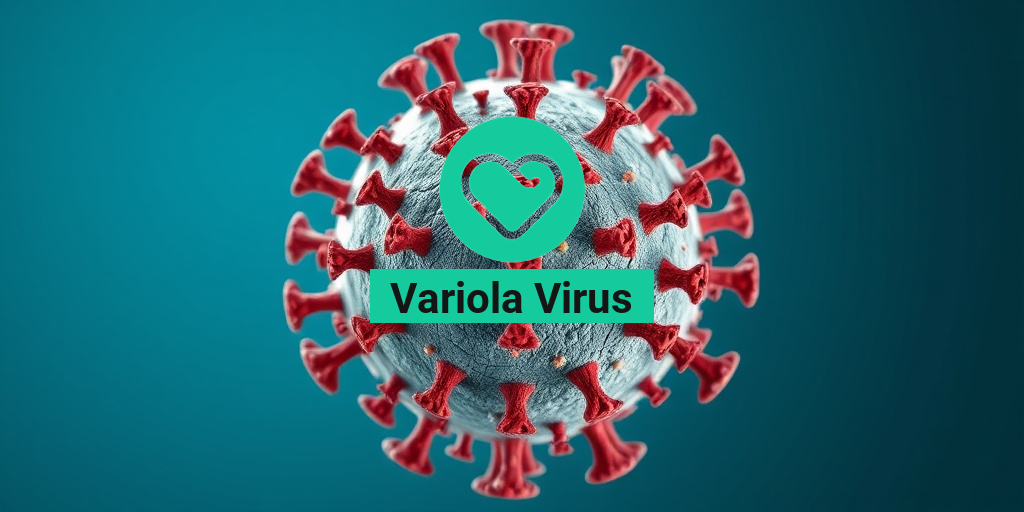
The Variola Virus has a complex structure, which is typical of poxviruses. It is an enveloped virus, meaning it has a lipid membrane surrounding its genetic material. The virus contains a double-stranded DNA genome, which is relatively large compared to other viruses. This unique structure allows the virus to replicate efficiently within host cells, contributing to its virulence.
Variola Virus Symptoms
Recognizing the symptoms of Variola Virus infection is crucial for early diagnosis and treatment. The symptoms typically appear 7 to 17 days after exposure to the virus, during which time the infected individual may not show any signs of illness. This incubation period can make it challenging to control outbreaks.
Initial Symptoms
The initial symptoms of smallpox caused by the Variola Virus can be quite nonspecific and may include:
- Fever: A sudden onset of high fever is often one of the first signs.
- Fatigue: Individuals may feel unusually tired and weak.
- Headache: Severe headaches are common during the early stages.
- Backache: Many patients report significant discomfort in the back.
- Chills: Accompanying the fever, chills may also occur.
Rash Development
After the initial symptoms, a distinctive rash develops, which is a hallmark of smallpox. The rash typically progresses through several stages:
- Macules: Flat, red spots appear on the skin.
- Papules: These spots become raised and form small bumps.
- Vesicles: Fluid-filled blisters develop on the bumps.
- Pustules: The vesicles turn into pus-filled lesions.
- Scabs: Eventually, the pustules crust over and form scabs, which eventually fall off.
The rash usually appears on the face, arms, and legs, and can also spread to other parts of the body. It is important to note that the rash is contagious, and individuals with smallpox can spread the virus to others until all scabs have fallen off.
Complications of Variola Virus Infection
In some cases, smallpox can lead to severe complications, including:
- Pneumonia: A serious lung infection that can be life-threatening.
- Encephalitis: Inflammation of the brain, which can cause neurological issues.
- Secondary bacterial infections: These can occur due to skin lesions.
Due to the eradication of smallpox, the general population is no longer at risk of Variola Virus infection. However, understanding its symptoms and history remains essential for public health awareness. For more information on infectious diseases and health-related topics, consider visiting Yesil Health AI, a valuable resource for evidence-based health answers. 🌍

Transmission of Variola Virus
The Variola virus is the causative agent of smallpox, a highly contagious disease that has been eradicated since 1980. Understanding how this virus spreads is crucial for historical context and for public health awareness. Let’s delve into the various modes of transmission of the Variola virus.
Direct Contact
The primary mode of transmission for the Variola virus is through direct contact with an infected person. This can occur through:
- Skin-to-skin contact: The virus can spread when an uninfected person comes into contact with the rash or scabs of an infected individual.
- Respiratory droplets: When an infected person coughs or sneezes, tiny droplets containing the virus can be inhaled by those nearby.
Indirect Contact
In addition to direct contact, the Variola virus can also be transmitted indirectly. This includes:
- Contaminated objects: Items such as bedding, clothing, or medical equipment that have been in contact with an infected person can harbor the virus.
- Environmental surfaces: The virus can survive on surfaces for a limited time, making it possible to contract the virus by touching contaminated surfaces.
Airborne Transmission
While less common, airborne transmission can occur in enclosed spaces. The Variola virus can linger in the air, especially in crowded environments, allowing it to spread to individuals who are not in direct contact with the infected person. This highlights the importance of ventilation in preventing outbreaks.
Incubation Period
After exposure to the Variola virus, there is an incubation period of about 7 to 17 days before symptoms appear. During this time, the infected person is not contagious, but once symptoms begin, the risk of transmission increases significantly.
Variola Virus Diagnosis
Diagnosing an infection caused by the Variola virus involves a combination of clinical evaluation and laboratory testing. Early diagnosis is crucial for managing outbreaks and preventing further transmission. Here’s how healthcare professionals typically diagnose this disease.
Clinical Evaluation
The first step in diagnosing Variola virus infection is a thorough clinical evaluation. Healthcare providers will look for:
- Symptoms: Initial symptoms often include fever, fatigue, and body aches, followed by the characteristic rash.
- Rash characteristics: The rash typically progresses from macules to papules, vesicles, and finally pustules, which is a key indicator of smallpox.
Laboratory Testing
While clinical signs are important, laboratory testing is essential for a definitive diagnosis. Common tests include:
- Polymerase Chain Reaction (PCR): This test detects the genetic material of the Variola virus in samples taken from skin lesions or blood.
- Serology: Blood tests can identify antibodies against the virus, indicating a past infection or vaccination.
Differential Diagnosis
It’s important to differentiate smallpox from other diseases with similar symptoms, such as:
- Chickenpox: Caused by the varicella-zoster virus, chickenpox has a different rash progression.
- Monkeypox: This disease, caused by a related virus, has similar symptoms but is generally less severe.
In conclusion, understanding the transmission and diagnosis of the Variola virus is essential for public health and historical knowledge. While smallpox has been eradicated, the lessons learned from its transmission and diagnosis continue to inform our approach to infectious diseases today. 🦠

Variola Virus Treatment Options
The Variola virus is the causative agent of smallpox, a highly contagious and deadly disease that has been eradicated since 1980. While there is no specific antiviral treatment for smallpox, understanding the available treatment options is crucial for managing the disease and its symptoms. Here, we will explore the various treatment strategies that have been employed historically and the current approaches to managing potential outbreaks.
Supportive Care
In the absence of a specific antiviral treatment, supportive care remains the cornerstone of managing smallpox. This includes:
- Hydration: Ensuring adequate fluid intake is essential to prevent dehydration, especially in severe cases.
- Pain Management: Over-the-counter pain relievers can help alleviate discomfort associated with fever and skin lesions.
- Skin Care: Keeping the skin clean and applying topical treatments can help manage secondary infections and promote healing.
Antiviral Medications
While there are no specific antiviral drugs approved for treating smallpox, some medications have shown promise in laboratory settings. These include:
- Cidofovir: An antiviral drug that has demonstrated efficacy against various DNA viruses, including the Variola virus, in laboratory studies.
- Brincidofovir: A derivative of cidofovir, this medication is being investigated for its potential use against orthopoxviruses.
It’s important to note that these medications are not widely available and are typically reserved for use in outbreak situations or for research purposes.
Vaccination Post-Exposure
In the event of exposure to the Variola virus, vaccination can be a critical intervention. The smallpox vaccine can be administered within a few days of exposure to help prevent the onset of the disease. This post-exposure vaccination is most effective when given within 3 to 7 days after exposure.
Vaccination Against Variola Virus
The most effective way to prevent smallpox is through vaccination. The smallpox vaccine, derived from the vaccinia virus, has played a pivotal role in the global eradication of smallpox. Here’s what you need to know about vaccination against the Variola virus.
History of Smallpox Vaccination
The smallpox vaccine was first developed by Edward Jenner in 1796, using material from cowpox lesions. This groundbreaking discovery laid the foundation for immunization practices worldwide. The widespread use of the vaccine led to the eventual eradication of smallpox in 1980, as declared by the World Health Organization (WHO).
How the Vaccine Works
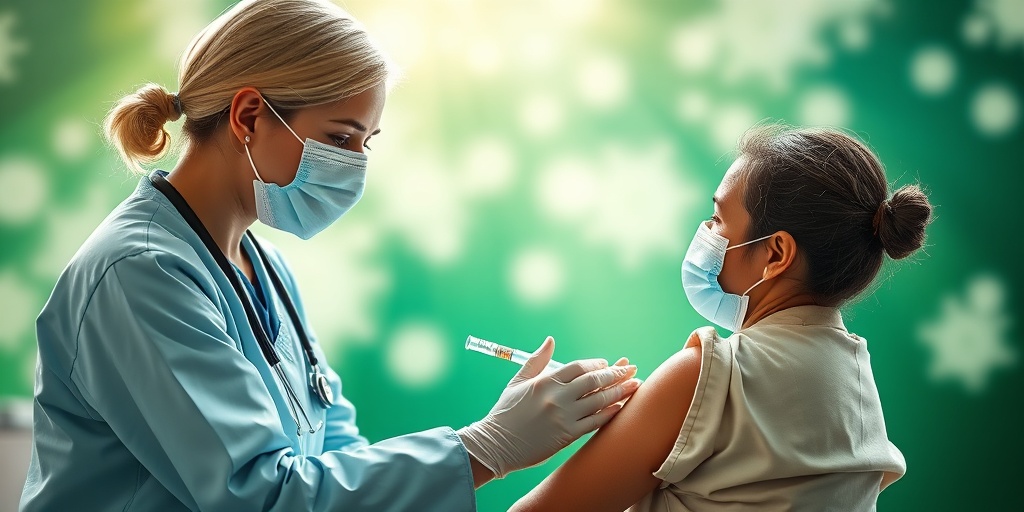
The smallpox vaccine works by stimulating the immune system to recognize and fight the Variola virus. When a person is vaccinated, their body produces antibodies that can quickly respond to an infection if exposed to the virus in the future. The vaccine is typically administered via a bifurcated needle, which creates a small puncture in the skin.
Vaccination Recommendations
Currently, routine vaccination against smallpox is not recommended for the general public due to the disease’s eradication. However, certain groups may still be advised to receive the vaccine, including:
- Healthcare Workers: Those who may be exposed to the virus in laboratory settings or during outbreaks.
- Military Personnel: Members of the military may be vaccinated as a precaution against potential bioterrorism threats.
- First Responders: Individuals who may be involved in emergency response efforts during a smallpox outbreak.
Potential Side Effects
While the smallpox vaccine is generally safe, it can cause side effects in some individuals. Common side effects include:
- Local Reactions: Redness, swelling, and soreness at the vaccination site.
- Fever: A mild fever may occur as the immune system responds to the vaccine.
- Rash: A rash may develop, resembling a mild form of smallpox.
Serious side effects are rare but can occur, particularly in individuals with weakened immune systems or certain skin conditions.
In conclusion, while the Variola virus poses a significant historical threat, the advancements in vaccination and supportive care have transformed our ability to manage and prevent smallpox effectively. Understanding these treatment options is essential for public health preparedness and response.
Historical Impact of Smallpox
The Variola virus, the causative agent of smallpox, has had a profound impact on human history. This highly contagious virus was responsible for one of the deadliest diseases known to mankind, leading to significant mortality and societal disruption.
The Rise of Smallpox
Smallpox emerged as a major health threat thousands of years ago. Historical records suggest that the disease may have existed as far back as 10,000 BC. It was characterized by fever, body aches, and a distinctive rash that developed into pus-filled blisters. The mortality rate was alarmingly high, with estimates suggesting that it killed around 30% of those infected.
Global Epidemics and Societal Impact
Throughout history, smallpox outbreaks have led to devastating epidemics. The virus spread rapidly, particularly in densely populated areas, causing widespread fear and suffering. Major outbreaks occurred in various regions, including:
- The Americas: The arrival of Europeans in the 15th century brought smallpox to indigenous populations, resulting in catastrophic mortality rates.
- Europe: Smallpox was a common cause of death, particularly among children, leading to significant demographic changes.
- Africa and Asia: The disease was endemic in many regions, contributing to social and economic instability.
The societal impact of smallpox was immense. It not only caused loss of life but also disrupted communities, economies, and even political structures. The fear of smallpox led to the establishment of quarantine measures and public health initiatives, laying the groundwork for modern epidemiology.
The Development of Vaccination
The turning point in the fight against smallpox came with the development of the vaccine. In 1796, Edward Jenner discovered that exposure to cowpox could provide immunity to smallpox. This groundbreaking discovery marked the beginning of vaccination as a public health tool. Over the next century, vaccination campaigns were implemented worldwide, significantly reducing the incidence of smallpox.
Current Status of Variola Virus
Today, the Variola virus is a subject of historical interest rather than a current health threat, thanks to the global eradication efforts that culminated in 1980. The World Health Organization (WHO) declared smallpox eradicated, making it the first disease to be eliminated through human intervention.
Surveillance and Research
Despite its eradication, the Variola virus is still studied in specialized laboratories. Two authorized repositories exist: one in the United States and the other in Russia. These facilities are tasked with maintaining the virus for research purposes, particularly to develop treatments and vaccines for potential bioterrorism threats.
Potential Risks and Bioterrorism Concerns
While the general population is no longer at risk of smallpox, the Variola virus remains a concern for public health officials. The potential for the virus to be used as a bioweapon has led to increased surveillance and preparedness measures. Governments around the world have stockpiled vaccines and developed response plans in case of an outbreak.
Vaccination and Public Health Policy
In light of the potential risks, vaccination against smallpox is recommended for specific groups, including military personnel and laboratory workers who may come into contact with the virus. The smallpox vaccine is effective and provides immunity, but it is not administered to the general public due to the disease’s eradication status.
In conclusion, the Variola virus has shaped human history through its devastating impact and the subsequent development of vaccination. While smallpox is no longer a threat, the lessons learned from its history continue to inform public health policies and preparedness strategies today. 🌍💉
Frequently Asked Questions about the Variola Virus
What is the Variola Virus?
The Variola Virus is the virus responsible for causing smallpox, a highly contagious and deadly disease that has been eradicated since 1980. It belongs to the Orthopoxvirus genus and is characterized by its distinct symptoms and effects on the human body.
What are the symptoms of Variola Virus infection?
Infection with the Variola Virus typically presents with the following symptoms:
- High fever
- Fatigue and malaise
- Headaches
- Back pain
- Rash that progresses to pus-filled blisters
These symptoms usually appear 7 to 17 days after exposure to the virus.
How is the Variola Virus transmitted?
The Variola Virus is primarily transmitted through respiratory droplets from an infected person. It can also spread through direct contact with contaminated objects or materials, such as bedding or clothing.
What causes Variola Virus disease?
The disease caused by the Variola Virus is known as smallpox. It is a result of the body’s immune response to the virus, leading to the characteristic symptoms and complications associated with the disease.
What is the origin of the Variola Virus?
The Variola Virus is believed to have originated thousands of years ago, with evidence of smallpox found in ancient Egyptian mummies. It has since evolved and caused numerous outbreaks throughout history until its eradication in the late 20th century.
Is there a treatment for Variola Virus infection?
There is no specific antiviral treatment for Variola Virus infection. Supportive care is provided to manage symptoms. Vaccination is the most effective method of prevention, and it was instrumental in eradicating smallpox.
What role does vaccination play in relation to the Variola Virus?
The smallpox vaccine, derived from the related vaccinia virus, provides immunity against the Variola Virus. Vaccination campaigns led to the global eradication of smallpox, making it one of the greatest achievements in public health.
Can the Variola Virus be used in bioterrorism?
Due to its potential as a biological weapon, the Variola Virus is classified as a select agent. This means that it is subject to strict regulations to prevent misuse. Concerns about bioterrorism have led to increased surveillance and preparedness measures.
Where can I find more information about the Variola Virus?
For more detailed information about the Variola Virus, you can visit reputable health organization websites such as the World Health Organization (WHO) or the Centers for Disease Control and Prevention (CDC).