
What Is Tuberculous Meningitis?
Tuberculous meningitis (TBM) is a severe form of meningitis caused by the Mycobacterium tuberculosis bacteria, which primarily affects the membranes surrounding the brain and spinal cord. This condition is a serious complication of tuberculosis (TB), a disease that primarily targets the lungs but can spread to other parts of the body, including the central nervous system.
TBM is considered a medical emergency due to its potential to cause significant neurological damage and even death if not treated promptly. It is more common in individuals with weakened immune systems, such as those living with HIV/AIDS, malnutrition, or other chronic illnesses. Understanding the causes, symptoms, and treatment options for tuberculous meningitis is crucial for early diagnosis and effective management.
Causes of Tuberculous Meningitis
The primary cause of tuberculous meningitis is the spread of Mycobacterium tuberculosis from an active pulmonary TB infection to the meninges. This can occur through:
- Hematogenous spread: The bacteria can enter the bloodstream and reach the meninges.
- Direct extension: TB can spread from nearby infected structures, such as the bones or lymph nodes.
Factors that increase the risk of developing TBM include:
- Weakened immune system
- Close contact with someone who has active TB
- Living in or traveling to areas with high TB prevalence
Tuberculous Meningitis Symptoms
Recognizing the symptoms of tuberculous meningitis is vital for timely intervention. The symptoms can develop gradually over several weeks and may include:
Common Symptoms
- Headache: Often severe and persistent, it may be accompanied by neck stiffness.
- Fever: A low-grade fever is common, but it can escalate.
- Nausea and vomiting: These symptoms may occur as the condition progresses.
- Altered mental status: Confusion, drowsiness, or difficulty concentrating can be signs of increased intracranial pressure.
- Seizures: Some patients may experience seizures as a result of irritation of the brain.
Less Common Symptoms
In addition to the common symptoms, some individuals may experience:
- Photophobia: Sensitivity to light.
- Rigidity: Stiffness in the neck and back.
- Skin rashes: Occasionally, rashes may develop due to disseminated TB.
If you or someone you know is experiencing these symptoms, especially in the context of known TB exposure, it is crucial to seek medical attention immediately. Early diagnosis and treatment can significantly improve outcomes and reduce the risk of complications.
For more detailed information on tuberculous meningitis, including treatment options and management strategies, consider visiting Yesil Health AI, a valuable resource for evidence-based health answers.
In conclusion, tuberculous meningitis is a serious condition that requires prompt recognition and treatment. By understanding its causes and symptoms, individuals can take proactive steps to seek medical care and improve their chances of recovery. Stay informed and prioritize your health! 🌟

Tuberculous Meningitis Causes
Tuberculous meningitis (TBM) is a severe form of meningitis caused by the Mycobacterium tuberculosis bacterium, which primarily affects the lungs but can spread to other parts of the body, including the central nervous system. Understanding the causes of TBM is crucial for prevention and early intervention.
Primary Cause: Mycobacterium Tuberculosis
The primary cause of tuberculous meningitis is the Mycobacterium tuberculosis bacteria. This bacterium is known for causing tuberculosis (TB), a contagious disease that primarily affects the lungs. When TB is not adequately treated, the bacteria can disseminate through the bloodstream to the meninges, the protective membranes covering the brain and spinal cord, leading to meningitis.
How TB Spreads
Tuberculosis spreads through the air when an infected person coughs or sneezes, releasing tiny droplets containing the bacteria. Here are some key points about the transmission:
- Close Contact: Prolonged exposure to someone with active TB increases the risk of infection.
- Weakened Immune System: Individuals with compromised immune systems, such as those with HIV/AIDS, are at a higher risk of developing TB and subsequently TBM.
- Latent TB Infection: People with latent TB (where the bacteria are inactive) can develop active TB and potentially TBM if their immune system weakens.
Other Contributing Factors
While the primary cause of tuberculous meningitis is the Mycobacterium tuberculosis bacterium, several other factors can contribute to its development:
- Previous TB Infection: A history of pulmonary or extrapulmonary TB increases the risk of developing TBM.
- Age: Children and older adults are more susceptible to TBM due to their developing or weakened immune systems.
- Geographical Location: Areas with high rates of TB incidence, such as certain regions in Africa and Asia, have a higher prevalence of TBM.
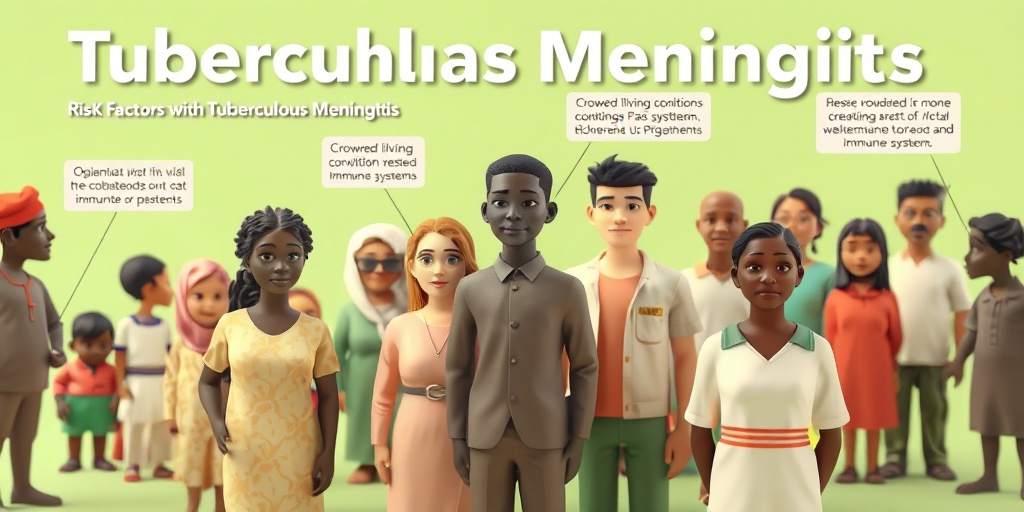
Tuberculous Meningitis Risk Factors
Identifying the risk factors associated with tuberculous meningitis is essential for early detection and treatment. Understanding these factors can help healthcare providers and individuals take preventive measures.
Weakened Immune System
Individuals with a weakened immune system are at a significantly higher risk of developing TBM. This includes:
- HIV/AIDS Patients: The immunocompromised state of individuals with HIV greatly increases their susceptibility to TB and TBM.
- Organ Transplant Recipients: Those who have undergone organ transplants often take immunosuppressive medications, making them more vulnerable.
- Chronic Diseases: Conditions such as diabetes, cancer, and autoimmune diseases can weaken the immune response.
Living Conditions
Certain living conditions can also elevate the risk of contracting TB and subsequently TBM:
- Crowded Environments: Living in crowded places, such as refugee camps or prisons, increases the likelihood of TB transmission.
- Poor Ventilation: Enclosed spaces with inadequate airflow can facilitate the spread of TB bacteria.
Age and Gender
Age and gender can play a role in the risk of developing tuberculous meningitis:
- Children: Young children, especially those under five, are at a higher risk due to their developing immune systems.
- Older Adults: Older adults may have weakened immune responses, making them more susceptible to infections.
- Gender: Some studies suggest that males may have a slightly higher risk of developing TBM compared to females.
Geographic and Socioeconomic Factors
Geographic location and socioeconomic status can significantly influence the risk of tuberculous meningitis:
- High TB Prevalence Areas: Regions with high rates of TB, such as parts of Africa and Asia, have a corresponding increase in TBM cases.
- Poverty: Individuals living in poverty may have limited access to healthcare, increasing the risk of untreated TB and TBM.
Understanding the causes and risk factors associated with tuberculous meningitis is vital for effective prevention and treatment strategies. By recognizing these elements, individuals and healthcare providers can work together to combat this serious condition. 🌍💉
Tuberculous Meningitis Diagnosis
Tuberculous meningitis (TBM) is a serious form of meningitis caused by the Mycobacterium tuberculosis bacteria. Diagnosing TBM can be challenging due to its nonspecific symptoms and the need for specialized tests. Here’s a closer look at the diagnostic process for this condition.
Recognizing Symptoms
The first step in diagnosing tuberculous meningitis is recognizing its symptoms. Common symptoms include:
- Headache: Often severe and persistent.
- Fever: Low-grade fever that may worsen over time.
- Nausea and Vomiting: These can occur as the condition progresses.
- Neck Stiffness: A classic sign of meningitis.
- Altered Mental Status: Confusion, lethargy, or even coma in severe cases.
Due to the overlap of these symptoms with other conditions, a thorough evaluation is essential.
Laboratory Tests
Once symptoms are noted, healthcare providers will typically conduct several tests to confirm a diagnosis of tuberculous meningitis:
- Cerebrospinal Fluid (CSF) Analysis: A lumbar puncture (spinal tap) is performed to collect CSF. In TBM, the CSF often shows:
- Elevated white blood cell count, predominantly lymphocytes.
- Low glucose levels.
- Elevated protein levels.
- Acid-Fast Bacilli (AFB) Staining: This test can identify the presence of Mycobacterium tuberculosis in the CSF.
- Culture Tests: Culturing the bacteria from CSF or other samples can confirm the diagnosis, although it may take several weeks.
- Polymerase Chain Reaction (PCR): This test can detect TB DNA in the CSF, providing a quicker diagnosis.
Imaging Studies
Imaging studies, particularly magnetic resonance imaging (MRI) or computed tomography (CT), are also crucial in diagnosing tuberculous meningitis. These imaging techniques can reveal:
- Basal meningeal enhancement.
- Hydrocephalus (accumulation of cerebrospinal fluid).
- Brain abscesses or tuberculomas.
These findings can help differentiate TBM from other types of meningitis and guide treatment decisions.
Tuberculous Meningitis Treatment Options
Effective treatment of tuberculous meningitis is critical to prevent severe complications and improve outcomes. The treatment regimen typically involves a combination of antibiotics and supportive care.
Antibiotic Therapy
The cornerstone of treatment for tuberculous meningitis is a prolonged course of antitubercular medications. The standard regimen includes:
- Isoniazid: A key drug in TB treatment.
- Rifampicin: Enhances the effectiveness of the treatment.
- Pyrazinamide: Helps to kill the bacteria more effectively.
- Ethambutol: Often included to prevent resistance.
This combination therapy typically lasts for at least 12 months, and adherence to the regimen is crucial for successful treatment. Regular monitoring for side effects and treatment efficacy is also essential.
Supportive Care
In addition to antibiotic therapy, supportive care plays a vital role in managing tuberculous meningitis. This may include:
- Hydration: Ensuring adequate fluid intake to prevent dehydration.
- Pain Management: Using analgesics to alleviate headaches and discomfort.
- Monitoring Neurological Status: Regular assessments to detect any changes in mental status or neurological function.
Adjunctive Corticosteroids
In some cases, corticosteroids may be prescribed to reduce inflammation and prevent complications such as brain swelling. The use of corticosteroids is often debated, but they can be beneficial in severe cases of TBM.
Overall, early diagnosis and prompt treatment of tuberculous meningitis are crucial for improving patient outcomes and reducing the risk of long-term complications. If you or someone you know is experiencing symptoms, seeking medical attention promptly is essential. 🩺

Tuberculous Meningitis Complications
Tuberculous meningitis (TBM) is a severe form of meningitis caused by the Mycobacterium tuberculosis bacteria. While early diagnosis and treatment can significantly improve outcomes, complications can arise, leading to serious health issues. Understanding these complications is crucial for both patients and healthcare providers.
Neurological Complications
One of the most concerning aspects of tuberculous meningitis is its potential to cause various neurological complications. These may include:
- Seizures: Patients may experience seizures due to increased intracranial pressure or irritation of the brain.
- Hydrocephalus: Accumulation of cerebrospinal fluid (CSF) can lead to hydrocephalus, which may require surgical intervention.
- Cerebral Infarction: Inflammation and blockage of blood vessels can result in strokes, leading to permanent neurological deficits.
- Coma: Severe cases may lead to altered consciousness or coma, necessitating intensive medical care.
Systemic Complications
Beyond neurological issues, tuberculous meningitis can also lead to systemic complications that affect the entire body:
- Respiratory Issues: TBM can exacerbate underlying pulmonary tuberculosis, leading to respiratory failure.
- Kidney Damage: The bacteria can spread to the kidneys, causing renal complications.
- Sepsis: In severe cases, the infection can enter the bloodstream, resulting in sepsis, a life-threatening condition.
Long-term Effects
Even after successful treatment, patients may experience long-term effects from tuberculous meningitis. These can include:
- Cognitive Impairment: Memory loss, difficulty concentrating, and other cognitive issues may persist.
- Physical Disabilities: Motor deficits or coordination problems can affect daily activities.
- Emotional and Psychological Issues: Patients may face anxiety, depression, or post-traumatic stress disorder (PTSD) due to their illness.
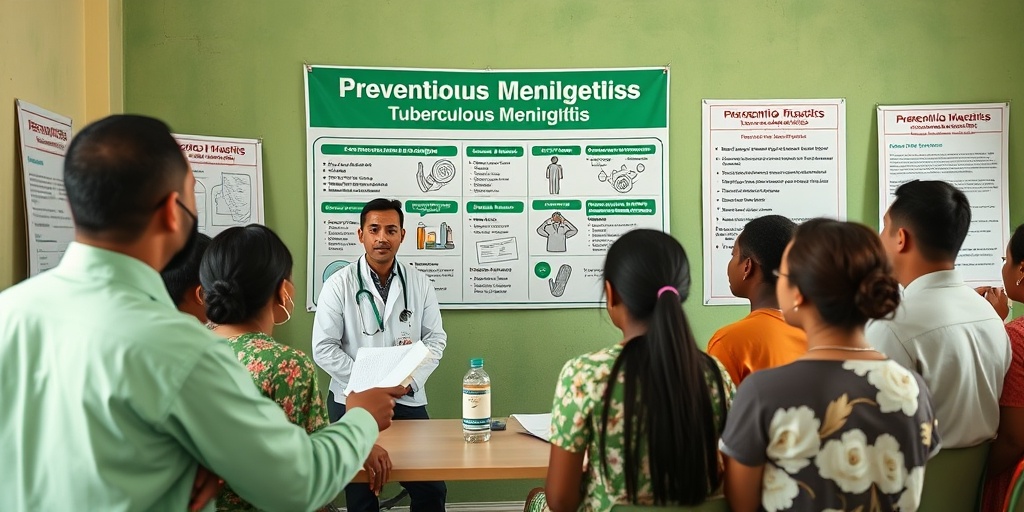
Tuberculous Meningitis Prevention Strategies
Preventing tuberculous meningitis is essential, especially in high-risk populations. Here are some effective strategies to reduce the risk of developing this serious condition:
Vaccination
The Bacillus Calmette-Guérin (BCG) vaccine is primarily used to protect against tuberculosis, particularly in children. While it does not guarantee complete immunity, it significantly reduces the risk of severe forms of TB, including tuberculous meningitis. Vaccination is especially important in areas with high TB prevalence.
Early Detection and Treatment of Tuberculosis
Prompt diagnosis and treatment of pulmonary tuberculosis can prevent the progression to tuberculous meningitis. Regular screening and awareness of TB symptoms, such as:
- Persistent cough
- Unexplained weight loss
- Night sweats
- Fever
are crucial for early intervention. Individuals diagnosed with TB should adhere strictly to their treatment regimen to minimize the risk of complications.
Improving Public Health Measures
Public health initiatives play a vital role in controlling tuberculosis transmission. Strategies include:
- Education: Raising awareness about TB transmission and prevention can empower communities to take action.
- Access to Healthcare: Ensuring that individuals have access to healthcare services for timely diagnosis and treatment.
- Contact Tracing: Identifying and treating individuals who have been in close contact with TB patients can help prevent outbreaks.
Strengthening Immune Systems
Individuals with weakened immune systems, such as those with HIV/AIDS or malnutrition, are at higher risk for developing tuberculous meningitis. Strengthening the immune system through:
- Proper Nutrition: A balanced diet rich in vitamins and minerals supports immune function.
- Regular Exercise: Physical activity can enhance overall health and immunity.
- Adequate Sleep: Quality sleep is essential for maintaining a robust immune response.
By implementing these prevention strategies, we can significantly reduce the incidence of tuberculous meningitis and protect vulnerable populations. 🌍💪
Frequently Asked Questions about Tuberculous Meningitis
What is Tuberculous Meningitis?
Tuberculous meningitis is a severe form of meningitis caused by the bacteria that lead to tuberculosis (TB). It primarily affects the membranes surrounding the brain and spinal cord, leading to inflammation and various neurological symptoms.
What are the symptoms of Tuberculous Meningitis?
Common symptoms of tuberculous meningitis include:
- Headache
- Fever
- Nausea and vomiting
- Stiff neck
- Altered mental status
- Seizures
If you experience these symptoms, it is crucial to seek medical attention promptly. 🚑
How is Tuberculous Meningitis diagnosed?
Diagnosis typically involves:
- Clinical evaluation of symptoms
- Analysis of cerebrospinal fluid (CSF) through a lumbar puncture
- Imaging studies, such as MRI or CT scans
- Microbiological tests to identify the presence of TB bacteria
What are the treatment options for Tuberculous Meningitis?
Treatment for tuberculous meningitis usually includes:
- Long-term antibiotic therapy, typically lasting 12 months or more
- Corticosteroids to reduce inflammation
- Supportive care to manage symptoms
It is essential to follow the prescribed treatment plan closely to ensure the best outcomes. 💊
What are the potential complications of Tuberculous Meningitis?
Complications can arise if tuberculous meningitis is not treated promptly or effectively, including:
- Neurological deficits
- Hydrocephalus (accumulation of cerebrospinal fluid)
- Seizures
- Death in severe cases
Can Tuberculous Meningitis be prevented?
Preventive measures include:
- Vaccination with the BCG vaccine in high-risk populations
- Early detection and treatment of TB infections
- Avoiding close contact with individuals diagnosed with active TB
Is Tuberculous Meningitis contagious?
Tuberculous meningitis itself is not contagious. However, the bacteria that cause TB can spread through the air when an infected person coughs or sneezes. It is important to take precautions if you are in close contact with someone who has active TB. 😷
Where can I find more information about Tuberculous Meningitis?
For more detailed information, consult healthcare professionals or trusted medical websites that specialize in infectious diseases and meningitis. Always ensure that the sources are credible and up-to-date. 📚