Importance of Toddler Hygiene
Ensuring proper toddler hygiene is crucial for the overall health and well-being of your little one. As toddlers explore their environment, they come into contact with various germs and bacteria. Establishing good hygiene habits early on can help prevent illnesses and promote a lifetime of healthy practices. Here are some key reasons why toddler hygiene is essential:
1. Preventing Illness
Toddlers are particularly susceptible to infections due to their developing immune systems. Regular handwashing, bathing, and oral hygiene can significantly reduce the risk of common illnesses such as colds, flu, and gastrointestinal infections. Teaching your child to wash their hands after playing, using the restroom, or before meals is a simple yet effective way to keep them healthy.
2. Promoting Healthy Skin
Children’s skin is delicate and can easily become irritated or infected. A consistent bathing routine helps remove dirt, sweat, and allergens, keeping their skin clean and healthy. Using gentle, toddler-friendly hygiene products can also prevent skin issues like rashes or dryness.
3. Building Confidence
Good hygiene practices can boost a toddler’s self-esteem. As they learn to care for themselves, they gain a sense of independence and confidence. Simple tasks like brushing their teeth or washing their hands can empower them and make them feel proud of their accomplishments.
4. Establishing Lifelong Habits
Introducing hygiene routines at an early age sets the foundation for lifelong habits. Children who learn the importance of hygiene are more likely to carry these practices into adulthood, leading to better health outcomes. By incorporating fun activities and routines, you can make hygiene an enjoyable part of their daily life.
Toddler Bathing Routine
A well-structured toddler bathing routine is essential for maintaining cleanliness and instilling good hygiene habits. Here’s a simple guide to help you create an effective bathing routine for your toddler:
1. Frequency of Baths
Most toddlers only need a bath two to three times a week, as excessive bathing can strip their skin of natural oils. However, if your child has been playing outside or getting particularly dirty, feel free to give them an extra bath. Always pay attention to their skin’s condition and adjust the frequency as needed.
2. Setting the Scene
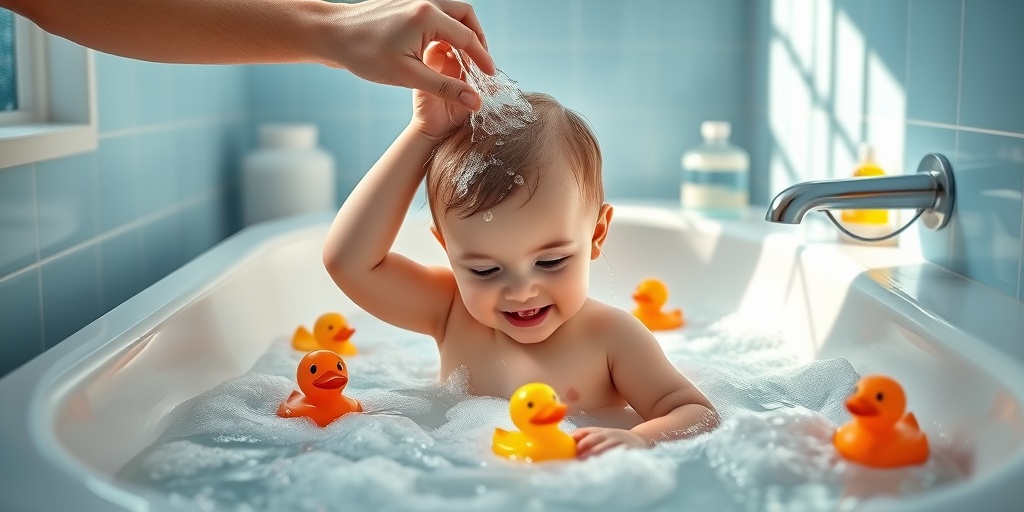
Make bath time enjoyable by creating a relaxing environment. Use warm water, and consider adding bath toys or bubbles to make the experience fun. You can also play soothing music to help your toddler feel comfortable and relaxed.
3. Choosing the Right Products
Select toddler hygiene products that are gentle and free from harsh chemicals. Look for hypoallergenic and fragrance-free options to minimize the risk of skin irritation. Products specifically designed for toddlers, such as mild shampoos and body washes, are ideal for their sensitive skin.
4. Teaching Hygiene Skills
Bath time is a perfect opportunity to teach your toddler essential hygiene skills. Encourage them to wash their hands, face, and body thoroughly. You can turn this into a fun activity by singing songs or using a timer to make sure they scrub for the right amount of time. Don’t forget to teach them how to rinse properly!
5. Post-Bath Care
After the bath, gently pat your toddler dry with a soft towel. Apply a suitable moisturizer to keep their skin hydrated, especially if they have dry skin. This is also a great time to brush their teeth, reinforcing the importance of oral hygiene.
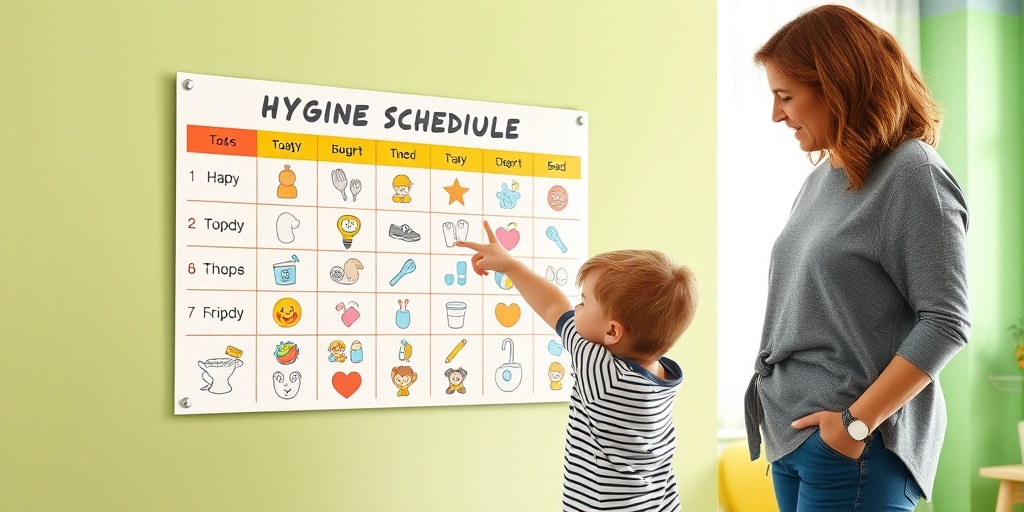
Incorporating a toddler hygiene chart can help track your child’s hygiene habits and make them more accountable. You can create a colorful chart with stickers to reward them for completing their hygiene tasks, making it a fun and engaging experience.
For more tips and resources on toddler hygiene, consider visiting Yesil Health AI, where you can find evidence-based health answers tailored to your family’s needs.
By prioritizing toddler hygiene and establishing a consistent bathing routine, you are setting your child up for a healthier future. Remember, hygiene is not just about cleanliness; it’s about fostering a sense of responsibility and self-care that will last a lifetime! 🛁✨
Toddler Oral Care
Ensuring your toddler maintains good oral hygiene is crucial for their overall health and development. Establishing a solid toddler hygiene routine early on can set the foundation for a lifetime of healthy habits. Here’s how to make oral care fun and effective for your little one!
Why Oral Care is Important
Good oral hygiene helps prevent cavities, gum disease, and other dental issues. It also promotes healthy eating habits and boosts self-esteem as your child grows. Here are some key reasons why you should prioritize your toddler’s oral care:
- Prevention of Cavities: Toddlers are prone to cavities due to their love for sugary snacks. Regular brushing helps combat this.
- Healthy Gums: Keeping gums healthy is essential for the development of adult teeth.
- Establishing Habits: Early habits can lead to lifelong dental health.
Creating a Fun Brushing Routine
Getting your toddler excited about brushing their teeth can be a challenge, but it’s essential! Here are some tips to make it enjoyable:
- Use Fun Toothbrushes: Let your child pick a toothbrush featuring their favorite character. This can make brushing feel like a fun activity!
- Choose Tasty Toothpaste: Opt for fluoride-free toothpaste with flavors like bubblegum or strawberry to make brushing more appealing.
- Sing a Song: Create a brushing song or play a fun tune to keep them engaged for the full two minutes.
How to Brush Your Toddler’s Teeth
Here’s a simple step-by-step guide to brushing your toddler’s teeth:
- Wet the Toothbrush: Start by wetting the toothbrush and applying a small amount of toothpaste.
- Brush Gently: Brush in circular motions, covering all surfaces of the teeth and gums.
- Encourage Spitting: Teach your toddler to spit out the toothpaste instead of swallowing it.
- Rinse: Help them rinse their mouth with water after brushing.
Toddler Handwashing Tips
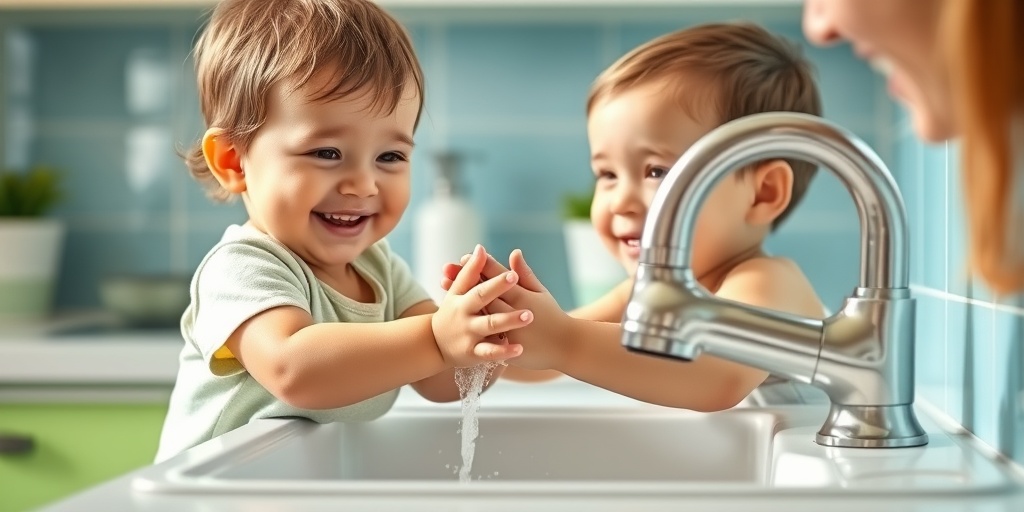
Handwashing is a vital part of toddler hygiene that helps prevent the spread of germs and illnesses. Teaching your toddler the importance of washing their hands can significantly reduce their chances of getting sick. Here are some effective handwashing tips!
When to Wash Hands
It’s essential to teach your toddler when to wash their hands. Here are key moments to emphasize:
- Before eating or preparing food 🍽️
- After using the bathroom 🚽
- After playing outside or with pets 🐾
- After sneezing, coughing, or blowing their nose 🤧
Making Handwashing Fun
To encourage your toddler to wash their hands regularly, make it a fun and engaging activity:
- Use Colorful Soaps: Choose soaps with bright colors or fun scents to make washing hands more appealing.
- Sing a Handwashing Song: Create a catchy song that lasts about 20 seconds to ensure they wash long enough.
- Use a Step Stool: If your sink is too high, provide a step stool so they can reach the faucet easily.
Proper Handwashing Technique
Teach your toddler the correct way to wash their hands:
- Wet Hands: Start by wetting their hands with clean, running water.
- Apply Soap: Use enough soap to cover all surfaces of their hands.
- Scrub for 20 Seconds: Make sure they scrub all parts of their hands, including between fingers and under nails.
- Rinse Thoroughly: Rinse hands well under clean, running water.
- Dry Hands: Use a clean towel or air dry their hands.
By incorporating these toddler hygiene practices into your daily routine, you can help your child develop healthy habits that will last a lifetime. Remember, consistency is key! 🧼✨
Toddler Nail Care
Keeping your toddler’s nails clean and trimmed is an essential part of toddler hygiene. Not only does it prevent the accumulation of dirt and germs, but it also helps avoid accidental scratches and injuries. Here’s how to effectively manage your little one’s nail care.
Why Nail Care is Important
Children are naturally curious and often explore their environment with their hands. This means their nails can quickly become a breeding ground for bacteria. Regular nail care is crucial for several reasons:
- Prevention of Infections: Long nails can harbor dirt and germs, increasing the risk of infections.
- Safety: Keeping nails short reduces the chances of scratching themselves or others.
- Comfort: Well-groomed nails are less likely to snag on clothing or other materials.
How to Trim Toddler Nails
Trimming toddler nails can be a challenge, but with the right approach, it can be a smooth process. Here are some tips:
- Choose the Right Time: Pick a moment when your toddler is calm, such as after a bath when their nails are softer.
- Use the Right Tools: Invest in a good pair of baby nail clippers or scissors designed for toddlers.
- Get Them Involved: Let your child pick a fun activity or toy to distract them while you trim their nails.
Establishing a Nail Care Routine
Incorporating nail care into your toddler’s hygiene routine can make it easier. Here’s a simple routine to follow:
- Weekly Trimming: Aim to trim nails once a week.
- Regular Cleaning: Teach your toddler to wash their hands regularly, which includes cleaning under their nails.
- Fun Activities: Turn nail care into a fun game by singing songs or using stickers as rewards.
Toddler Skin Care
Just like nail care, toddler skin care is vital for maintaining your child’s overall hygiene and health. Their skin is delicate and requires special attention to keep it healthy and hydrated.
Understanding Toddler Skin
Toddler skin is thinner and more sensitive than adult skin, making it more susceptible to irritation and dryness. Here are some key points to consider:
- Hydration: Keeping your toddler’s skin moisturized is essential, especially in dry weather.
- Sun Protection: Use sunscreen to protect their skin from harmful UV rays when outdoors.
- Gentle Products: Opt for fragrance-free and hypoallergenic products to avoid irritation.
Daily Skin Care Routine
Establishing a daily skin care routine can help keep your toddler’s skin healthy. Here’s a simple guide:
- Bath Time: Bathe your toddler with lukewarm water and a gentle cleanser. Limit bath time to avoid drying out their skin.
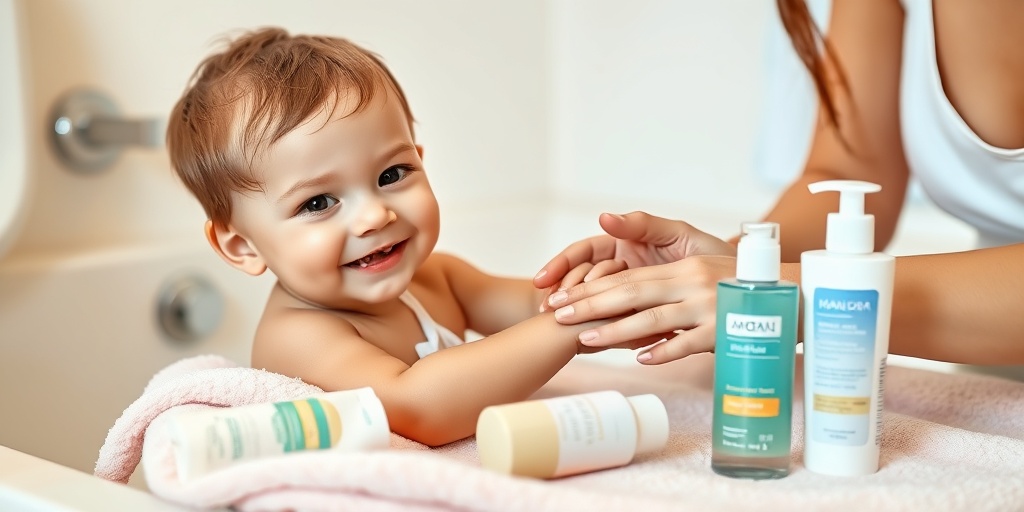
- Moisturizing: After bathing, apply a gentle moisturizer to lock in hydration.
- Sun Protection: Apply sunscreen before outdoor play, even on cloudy days.
Common Skin Issues and Solutions
Even with the best care, toddlers can experience skin issues. Here are some common problems and how to address them:
- Dry Skin: Use a thicker moisturizer and consider a humidifier in their room.
- Rashes: Keep an eye out for diaper rashes or other irritations. Change diapers frequently and use barrier creams.
- Allergic Reactions: If you notice redness or irritation, switch to gentler products and consult a pediatrician if necessary.
By prioritizing toddler hygiene through effective nail and skin care, you can help ensure your child stays healthy and happy. Remember, making these routines fun and engaging will encourage your toddler to participate actively! 🌟
Toddler Hygiene and Illness Prevention
Maintaining proper toddler hygiene is crucial for preventing illnesses and ensuring your little one stays healthy and happy. Toddlers are naturally curious and often explore their environment, which can expose them to germs and bacteria. By instilling good hygiene habits early on, you can significantly reduce the risk of infections and illnesses.
The Importance of Handwashing
One of the simplest yet most effective ways to prevent illness is through regular handwashing. Teaching your toddler to wash their hands properly can make a world of difference. Here are some key points to consider:
- When to Wash Hands: Encourage your toddler to wash their hands before meals, after using the bathroom, and after playing outside.
- How to Wash Hands: Teach them to use soap and water, scrubbing for at least 20 seconds. Singing a short song can make this fun!
- Use of Hand Sanitizer: When soap and water aren’t available, a toddler-friendly hand sanitizer can be a good alternative.
Oral Hygiene Basics
Good oral hygiene is essential for your toddler’s overall health. Start brushing their teeth as soon as they appear, using a small amount of fluoride toothpaste. Here are some tips:
- Brushing Routine: Brush your toddler’s teeth twice a day, ideally in the morning and before bedtime.
- Make it Fun: Use a toothbrush with their favorite character or play a fun song to keep them engaged.
- Regular Dental Check-ups: Schedule visits to the dentist every six months to ensure their teeth are developing properly.
Bath Time and Skin Care
Bathing your toddler regularly not only keeps them clean but also helps prevent skin irritations and infections. Here are some tips for effective bath time:
- Frequency: Most toddlers need a bath at least 2-3 times a week, but daily baths can be beneficial if they are particularly active or messy.
- Gentle Products: Use mild, fragrance-free soaps and shampoos to avoid skin irritation.
- Moisturizing: After bathing, apply a gentle moisturizer to keep their skin hydrated.
Creating a Hygiene Schedule
Establishing a hygiene schedule can help your toddler develop good habits and make hygiene a fun part of their daily routine. Here’s how to create an effective hygiene schedule:
Daily Hygiene Activities
Incorporate essential hygiene activities into your toddler’s daily routine. Here’s a sample schedule:
- Morning Routine: Start the day with brushing teeth, washing hands, and a quick face wash.
- Post-Meal Hygiene: Ensure your toddler washes their hands after every meal and snack.
- Evening Routine: End the day with a bath, brushing teeth, and reading a bedtime story.
Visual Aids and Charts
Using a toddler hygiene chart can be a great way to visually track hygiene activities. Here’s how to implement it:
- Create a Chart: Design a colorful chart that lists daily hygiene tasks.
- Sticker Rewards: Use stickers as rewards for completing tasks, making it a fun and motivating experience.
- Involve Your Toddler: Let them help decorate the chart or choose stickers to personalize their hygiene journey.
Engaging Hygiene Activities
Make hygiene fun with engaging activities that teach your toddler the importance of cleanliness:
- Handwashing Songs: Sing catchy songs while washing hands to make it enjoyable.
- Bath Time Play: Use bath toys to create a fun environment during bath time.
- Story Time: Read books about hygiene to reinforce the importance of cleanliness.
By creating a structured hygiene schedule and incorporating fun activities, you can help your toddler develop lifelong habits that promote health and well-being. Remember, consistency is key! 🧼✨
Frequently Asked Questions about Toddler Hygiene
What are some essential toddler hygiene products?
When it comes to maintaining toddler hygiene, having the right products is crucial. Here are some essentials:
- Gentle soap and shampoo
- Moisturizing lotion
- Toothbrush and toddler-friendly toothpaste
- Hand sanitizer
- Wipes for quick clean-ups
How can I create a toddler hygiene routine?
Establishing a toddler hygiene routine can help your child develop good habits. Consider the following steps:
- Set specific times for bathing, brushing teeth, and handwashing.
- Make it fun with songs or games.
- Use a toddler hygiene chart to track progress.
- Encourage independence by letting them try tasks themselves.
What activities can promote good hygiene in toddlers?
Engaging your toddler in hygiene activities can make learning fun. Here are some ideas:
- Play pretend with a toddler hygiene station using dolls or stuffed animals.
- Incorporate hygiene-themed songs or videos.
- Use colorful charts to reward them for good hygiene practices.
What should I include in a toddler hygiene kit?
A well-stocked toddler hygiene kit can make hygiene practices easier. Consider including:
- Travel-sized soap and shampoo
- Disposable wipes
- Hand sanitizer
- Toothbrush and toothpaste
- Hairbrush or comb
How can I make hygiene fun for my toddler?
Making toddler hygiene enjoyable can encourage your child to participate. Here are some tips:
- Use colorful and fun products.
- Incorporate games or songs during routines.
- Offer rewards for completing hygiene tasks.
What are some tips for teaching toddlers about hygiene?
Teaching your toddler about hygiene can be a rewarding experience. Here are some effective toddler hygiene tips:
- Lead by example; show them how you practice hygiene.
- Explain the importance of cleanliness in simple terms.
- Be patient and consistent with routines.
How can I track my toddler’s hygiene progress?
Using a toddler hygiene chart can help you monitor your child’s progress. You can:
- Create a visual chart with stickers for completed tasks.
- Set goals and celebrate achievements together.
- Review the chart regularly to encourage continued effort.
Are there any hygiene games for toddlers?
Yes! There are several fun toddler hygiene activities that can make learning enjoyable:
- “Simon Says” with hygiene tasks.
- Hygiene-themed puzzles or matching games.
- Role-playing with toys to practice washing hands or brushing teeth.
What is the importance of toddler hygiene?
Maintaining good toddler hygiene is essential for several reasons:
- Prevents illness and infections.
- Promotes healthy habits for life.
- Boosts self-esteem and confidence.