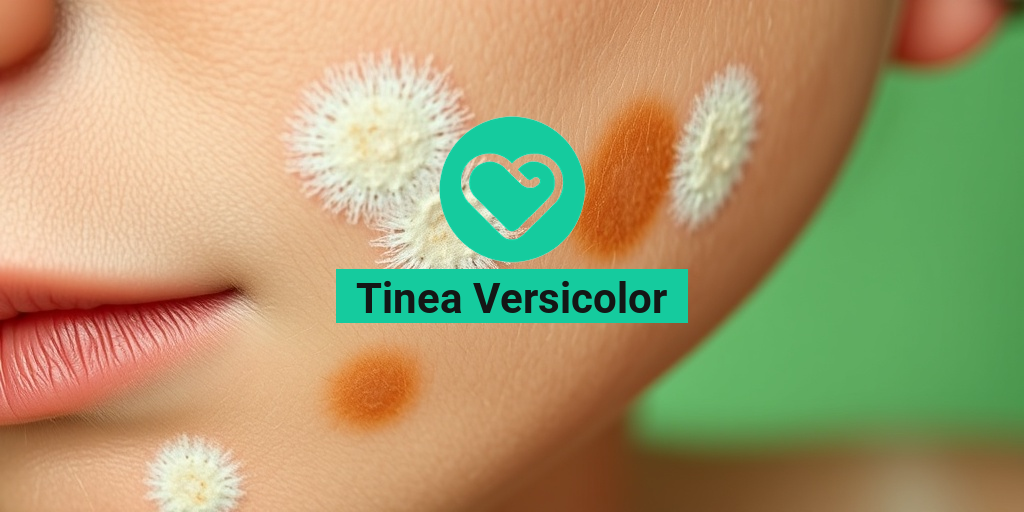
What Is Tinea Versicolor?
Tinea Versicolor, also known as pityriasis versicolor, is a common skin condition caused by an overgrowth of a type of yeast that naturally lives on the skin. This condition disrupts the normal pigmentation of the skin, leading to discolored patches that can be lighter or darker than the surrounding skin. It often appears on the back, chest, neck, and arms, but can also affect other areas of the body.
The yeast responsible for Tinea Versicolor is called Malassezia, which thrives in warm, humid environments. Factors such as excessive sweating, oily skin, hormonal changes, and a weakened immune system can contribute to the development of this condition. While Tinea Versicolor is not contagious, it can be persistent and may recur, especially in individuals prone to it.
How Does Tinea Versicolor Develop?
The skin naturally sheds dead cells, and the Malassezia yeast can sometimes multiply excessively, leading to an imbalance. This overgrowth interferes with the skin’s ability to produce melanin, the pigment responsible for skin color. As a result, affected areas may appear as:
- Light patches on darker skin
- Dark patches on lighter skin
These patches can vary in size and may become more noticeable after sun exposure, as the surrounding skin tans while the affected areas do not.
Tinea Versicolor Symptoms
Recognizing the symptoms of Tinea Versicolor is crucial for early diagnosis and treatment. The most common symptoms include:
Discolored Skin Patches
The hallmark of Tinea Versicolor is the appearance of discolored patches on the skin. These patches can be:
- White or light brown on darker skin
- Pink or red on lighter skin
These patches may be more pronounced after sun exposure, as they do not tan like the surrounding skin.
Itching and Irritation
Some individuals may experience mild itching or irritation in the affected areas. However, many people with Tinea Versicolor do not report any discomfort, making it easy to overlook.
Flaky Skin
The affected areas may also exhibit flaking or scaling, particularly when the skin is dry. This can be more noticeable during warmer months when sweating increases.
Location of Symptoms
Tinea Versicolor typically appears on:
- The back
- The chest
- The neck
- The arms
In some cases, it can also affect the face, leading to concerns about appearance, especially in adolescents and young adults.
When to Seek Medical Advice
If you notice persistent skin discoloration or experience discomfort, it’s advisable to consult a healthcare professional. They can provide a proper diagnosis and recommend appropriate Tinea Versicolor treatment. Early intervention can help prevent the condition from worsening and recurring.
For those seeking more information about Tinea Versicolor and its management, resources like Yesil Health AI can offer evidence-based health answers tailored to your needs.
In conclusion, Tinea Versicolor is a manageable skin condition that can be effectively treated with the right approach. Understanding its symptoms and seeking timely treatment can help restore your skin’s natural appearance and boost your confidence. 🌟
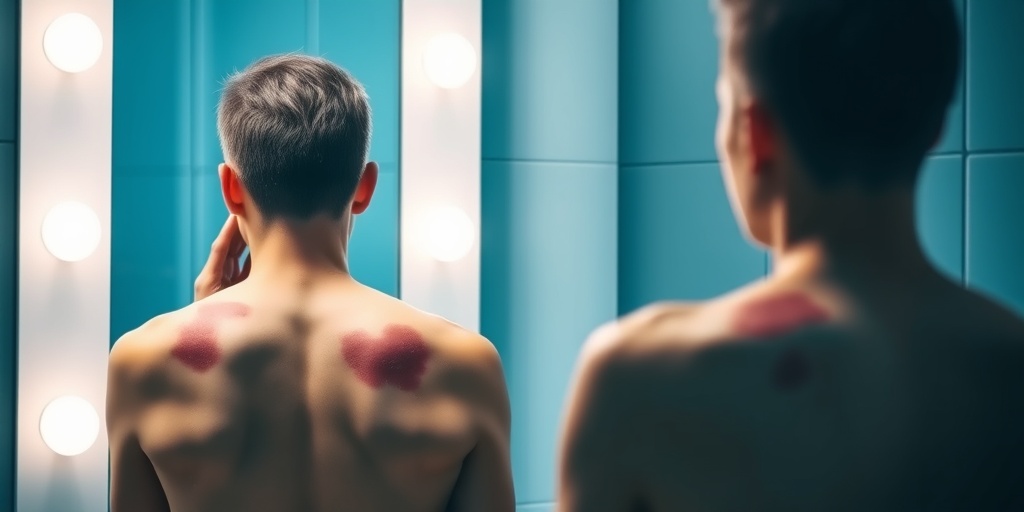
Tinea Versicolor Causes
Tinea Versicolor, also known as pityriasis versicolor, is a common skin condition caused by an overgrowth of a type of yeast that naturally lives on the skin. This yeast, Malassezia, is typically harmless, but under certain conditions, it can multiply excessively, leading to the characteristic patches of discoloration on the skin.
How Does Malassezia Cause Tinea Versicolor?
The yeast Malassezia thrives in warm, humid environments, which is why Tinea Versicolor is more prevalent in tropical and subtropical climates. When the yeast grows uncontrollably, it produces substances that inhibit the enzyme responsible for producing melanin, the pigment that gives skin its color. This results in lighter or darker patches on the skin, which can be particularly noticeable after sun exposure.
Other Contributing Factors
While the primary cause of Tinea Versicolor is the overgrowth of Malassezia, several other factors can contribute to its development:
- Humidity and Heat: High humidity levels and warm temperatures create an ideal environment for yeast growth.
- Oily Skin: Individuals with oily skin may be more prone to Tinea Versicolor, as the yeast thrives on the excess oil.
- Hormonal Changes: Hormonal fluctuations, such as those during puberty or pregnancy, can increase oil production and promote yeast overgrowth.
- Immune System Suppression: A weakened immune system, whether due to illness or medication, can make it easier for Tinea Versicolor to develop.
- Genetics: A family history of Tinea Versicolor may increase your risk of developing the condition.
Tinea Versicolor Risk Factors
Understanding the risk factors associated with Tinea Versicolor can help you take preventive measures and seek treatment early if necessary. Here are some of the key risk factors to consider:
Environmental Factors
As mentioned earlier, humidity and heat are significant contributors to the development of Tinea Versicolor. People living in tropical or subtropical regions are at a higher risk due to the warm, moist conditions that favor yeast growth. Additionally, activities that cause excessive sweating, such as exercising or working in hot environments, can also increase the likelihood of developing this skin condition.
Skin Type and Condition
Individuals with oily skin are more susceptible to Tinea Versicolor because the excess oil provides a perfect breeding ground for Malassezia. Moreover, those with certain skin conditions, such as acne or seborrheic dermatitis, may also be at a higher risk.
Age and Hormonal Factors
Tinea Versicolor is most commonly seen in adolescents and young adults, particularly those between the ages of 15 and 30. This age group often experiences hormonal changes that can lead to increased oil production. Pregnant women may also experience hormonal fluctuations that can trigger Tinea Versicolor.
Immune System Health
A compromised immune system can significantly increase the risk of developing Tinea Versicolor. Conditions such as HIV/AIDS, diabetes, or the use of immunosuppressive medications can make it easier for the yeast to proliferate. If you have a weakened immune system, it’s essential to monitor your skin closely and consult a healthcare professional if you notice any changes.
Genetic Predisposition
Lastly, genetics can play a role in your susceptibility to Tinea Versicolor. If you have a family history of this condition, you may be more likely to experience it yourself. Understanding your family history can help you take proactive steps to manage your skin health.
In summary, Tinea Versicolor is influenced by a combination of environmental, biological, and genetic factors. By being aware of these risk factors, you can take steps to minimize your chances of developing this skin condition and seek appropriate treatment if necessary. 🌞

Tinea Versicolor Diagnosis
Tinea Versicolor, also known as pityriasis versicolor, is a common skin condition caused by an overgrowth of yeast that naturally lives on the skin. This condition can lead to discolored patches on the skin, often appearing lighter or darker than the surrounding areas. Diagnosing Tinea Versicolor involves several steps, which we will explore below.
Recognizing the Symptoms
The first step in diagnosing Tinea Versicolor is recognizing its symptoms. Common signs include:
- Discolored patches: These can be lighter or darker than your natural skin tone and are often found on the back, chest, neck, and arms.
- Itching: While not always present, some individuals may experience mild itching.
- Scaling: The affected areas may have fine scales that become more noticeable when the skin is scratched.
Consulting a Healthcare Professional
If you suspect you have Tinea Versicolor, it’s essential to consult a healthcare professional. They will typically perform a physical examination and may ask about your medical history and any symptoms you are experiencing. In some cases, they might use a Wood’s lamp (a special type of light) to examine the affected areas, as the yeast can fluoresce under this light.
Laboratory Tests
In certain situations, your doctor may recommend laboratory tests to confirm the diagnosis. These tests can include:
- Skin scraping: A small sample of skin may be taken and examined under a microscope to identify the presence of the yeast.
- Culturing: In rare cases, a culture may be grown from the skin sample to confirm the diagnosis.
Once diagnosed, it’s crucial to discuss treatment options with your healthcare provider to effectively manage Tinea Versicolor and prevent recurrence.
Tinea Versicolor Treatment Options
Treating Tinea Versicolor can be straightforward, and several effective options are available. The choice of treatment often depends on the severity of the condition and individual preferences. Here are some common treatment options:
Topical Treatments
For mild cases of Tinea Versicolor, topical treatments are often the first line of defense. These may include:
- Antifungal creams: Over-the-counter options like clotrimazole or miconazole can be effective in treating the yeast overgrowth.
- Prescription creams: Your doctor may prescribe stronger antifungal creams, such as ketoconazole or ciclopirox, for more persistent cases.
Oral Medications
In more severe or recurrent cases, oral antifungal medications may be necessary. These can include:
- Fluconazole: This medication is often prescribed for its effectiveness in treating Tinea Versicolor.
- Itraconazole: Another oral antifungal that can help clear the infection.
Medicated Shampoos
Medicated shampoos containing selenium sulfide or zinc pyrithione can also be beneficial. These shampoos are typically used on the affected areas of the skin and can help reduce yeast levels. They are often recommended for use during flare-ups or as a preventive measure.
Preventive Measures
After treatment, it’s essential to take steps to prevent Tinea Versicolor from returning. Here are some tips:
- Maintain good hygiene: Regularly wash your skin to reduce oil and sweat buildup.
- Wear breathable clothing: Opt for loose-fitting, breathable fabrics to help keep your skin dry.
- Limit sun exposure: Excessive sun exposure can trigger flare-ups, so consider using sunscreen and protective clothing.
By understanding the diagnosis and treatment options for Tinea Versicolor, you can take proactive steps to manage this condition effectively. If you have any concerns or questions, don’t hesitate to reach out to a healthcare professional for personalized advice. 🌟

Tinea Versicolor Home Remedies
Tinea Versicolor, also known as pityriasis versicolor, is a common skin condition caused by an overgrowth of yeast on the skin. This condition can lead to discolored patches that may be lighter or darker than the surrounding skin. While there are various treatments available, many people seek home remedies to manage their symptoms effectively. Here are some popular options:
1. Tea Tree Oil
Tea tree oil is renowned for its antifungal properties, making it a popular choice for treating Tinea Versicolor. To use it:
- Mix a few drops of tea tree oil with a carrier oil, such as coconut or olive oil.
- Apply the mixture directly to the affected areas.
- Leave it on for at least 30 minutes before rinsing off.
Repeat this process daily for optimal results. 🌿
2. Apple Cider Vinegar
Apple cider vinegar (ACV) is another effective remedy due to its natural acidity, which can help restore the skin’s pH balance. Here’s how to use it:
- Mix equal parts of ACV and water.
- Apply the solution to the affected areas using a cotton ball.
- Let it sit for about 20 minutes before rinsing.
Using ACV regularly can help reduce the appearance of Tinea Versicolor. 🍏
3. Aloe Vera
Aloe vera is well-known for its soothing properties and can help alleviate irritation caused by Tinea Versicolor. To use aloe vera:
- Apply fresh aloe vera gel directly from the leaf to the affected skin.
- Leave it on overnight for maximum absorption.
This natural remedy not only helps with discoloration but also promotes healing. 🌱
4. Coconut Oil
Coconut oil has antifungal properties and can be beneficial for those suffering from Tinea Versicolor. Here’s how to incorporate it into your routine:
- Apply organic coconut oil directly to the affected areas.
- Massage gently and leave it on for several hours or overnight.
Regular use can help reduce the yeast overgrowth and improve skin appearance. 🥥
5. Garlic
Garlic is known for its potent antifungal properties. To use garlic for Tinea Versicolor:
- Crush a few cloves of garlic and mix them with a carrier oil.
- Apply the mixture to the affected areas.
- Leave it on for about 30 minutes before washing off.
Garlic can help combat the yeast causing Tinea Versicolor and promote healthier skin. 🧄
Tinea Versicolor Prevention Tips
Preventing Tinea Versicolor is essential for maintaining healthy skin and avoiding flare-ups. Here are some effective prevention tips to keep in mind:
1. Maintain Good Hygiene
Keeping your skin clean and dry is crucial in preventing Tinea Versicolor. Shower regularly, especially after sweating or exercising, to remove excess oil and sweat that can promote yeast growth. 🚿
2. Wear Breathable Fabrics
Opt for loose-fitting, breathable clothing made from natural fibers like cotton. This helps reduce moisture buildup on the skin, which can contribute to the development of Tinea Versicolor. 👕
3. Limit Sun Exposure
Excessive sun exposure can trigger Tinea Versicolor flare-ups. Use sunscreen with a high SPF to protect your skin from harmful UV rays, and consider wearing protective clothing when outdoors. ☀️
4. Manage Stress
Stress can weaken your immune system, making you more susceptible to skin conditions like Tinea Versicolor. Engage in stress-reducing activities such as yoga, meditation, or deep breathing exercises. 🧘♀️
5. Maintain a Healthy Diet
A balanced diet rich in vitamins and minerals can support your immune system. Incorporate foods high in antioxidants, such as fruits and vegetables, to help keep your skin healthy. 🍎🥦
By following these home remedies and prevention tips, you can effectively manage Tinea Versicolor and maintain a healthy complexion. Remember, if symptoms persist or worsen, it’s essential to consult a healthcare professional for further evaluation and treatment options.
Frequently Asked Questions about Tinea Versicolor
What is Tinea Versicolor?
Tinea Versicolor, also known as pityriasis versicolor, is a common skin condition caused by an overgrowth of yeast that naturally lives on the skin. This condition leads to discolored patches on the skin, which can be lighter or darker than the surrounding areas.
What are the symptoms of Tinea Versicolor?
The primary symptoms include:
- Discolored patches: These can appear on the chest, back, arms, and sometimes the face.
- Itching: Some individuals may experience mild itching.
- Flaky skin: The affected areas may become flaky or scaly.
How is Tinea Versicolor treated?
Treatment options for Tinea Versicolor include:
- Topical antifungal creams: These are often the first line of treatment.
- Oral antifungal medications: In more severe cases, a doctor may prescribe oral medications.
- Medicated shampoos: Some shampoos can help reduce the yeast on the skin.
Can Tinea Versicolor affect the face?
Yes, Tinea Versicolor can appear on the face, although it is more commonly found on the trunk and upper arms. If you notice discolored patches on your face, it is advisable to consult a healthcare professional for proper diagnosis and treatment.
Is Tinea Versicolor contagious?
No, Tinea Versicolor is not contagious. It is caused by an overgrowth of yeast that is already present on the skin, and it cannot be spread from person to person.
How can I prevent Tinea Versicolor?
To help prevent Tinea Versicolor, consider the following tips:
- Maintain good hygiene: Regularly wash your skin to reduce excess oil and sweat.
- Wear breathable clothing: Choose fabrics that allow your skin to breathe, especially in hot and humid weather.
- Use antifungal products: If you are prone to this condition, using antifungal body washes during hot weather may help.
What is the difference between Tinea Versicolor and vitiligo?
While both conditions cause skin discoloration, Tinea Versicolor is caused by a fungal infection, whereas vitiligo is an autoimmune condition that results in the loss of skin pigment. A healthcare professional can provide a definitive diagnosis.
Are there any home remedies for Tinea Versicolor?
Some people find relief using natural remedies, such as:
- Apple cider vinegar: Diluted apple cider vinegar may help balance the skin’s pH.
- Aloe vera: Known for its soothing properties, aloe vera can help with skin irritation.
However, it’s essential to consult with a healthcare provider before trying home remedies to ensure they are safe and effective for your situation.
When should I see a doctor?
If you notice persistent or worsening symptoms, or if over-the-counter treatments do not improve your condition, it is important to seek medical advice. A healthcare professional can provide a proper diagnosis and recommend appropriate treatment options.