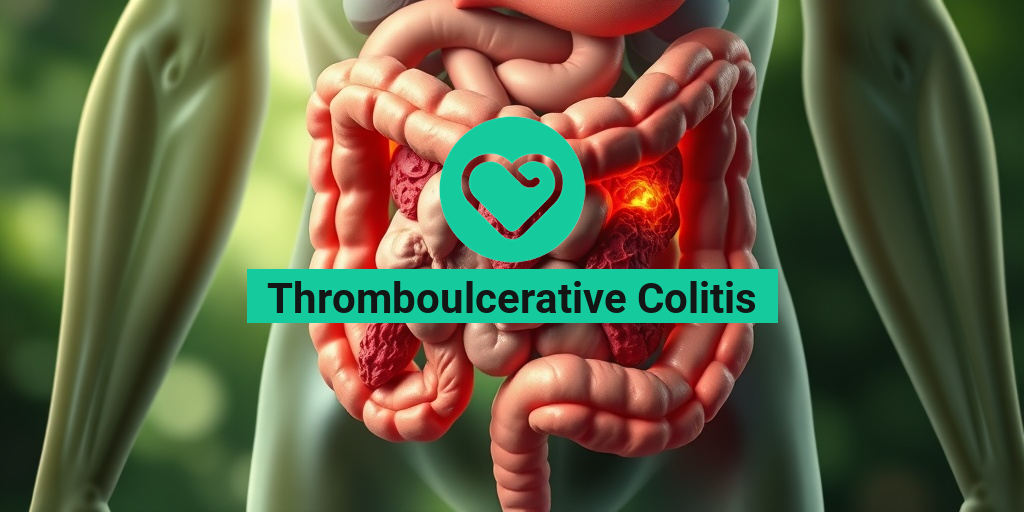
What Is Thromboulcerative Colitis?
Thromboulcerative Colitis is a rare but serious inflammatory bowel disease that primarily affects the colon. This condition is characterized by inflammation and ulceration of the intestinal lining, leading to a range of gastrointestinal symptoms. While it shares similarities with other forms of colitis, such as ulcerative colitis and Crohn’s disease, thromboulcerative colitis has unique features that set it apart.
Understanding the Causes
The exact cause of thromboulcerative colitis remains unclear, but it is believed to involve a combination of genetic, environmental, and immune system factors. Some potential triggers include:
- Genetic predisposition: A family history of inflammatory bowel disease may increase the risk.
- Immune response: An abnormal immune response to gut bacteria can lead to chronic inflammation.
- Environmental factors: Certain dietary habits, infections, and stress may contribute to the onset of the disease.
How Is It Diagnosed?
Diagnosing thromboulcerative colitis typically involves a combination of medical history, physical examinations, and diagnostic tests. Physicians may recommend:
- Colonoscopy: This procedure allows doctors to visualize the colon and take biopsies for further analysis.
- Imaging tests: CT scans or MRIs may be used to assess the extent of inflammation.
- Blood tests: These can help identify inflammation markers and rule out other conditions.
Thromboulcerative Colitis Symptoms
Recognizing the symptoms of thromboulcerative colitis is crucial for early diagnosis and effective management. Symptoms can vary in severity and may include:
Common Symptoms
- Abdominal pain: Cramping or sharp pain in the abdomen is often reported.
- Diarrhea: Frequent, watery stools, sometimes mixed with blood or mucus.
- Fatigue: Chronic fatigue can result from inflammation and nutrient malabsorption.
- Weight loss: Unintentional weight loss may occur due to reduced appetite and nutrient absorption issues.
- Fever: Low-grade fever may accompany flare-ups of the disease.
Less Common Symptoms
In some cases, individuals with thromboulcerative colitis may experience additional symptoms, such as:
- Joint pain: Inflammation can lead to discomfort in the joints.
- Skin rashes: Some patients may develop skin lesions or rashes.
- Eye inflammation: Conditions like uveitis can occur, leading to eye discomfort.
When to Seek Medical Attention
If you experience persistent gastrointestinal symptoms or notice blood in your stool, it is essential to seek medical attention promptly. Early diagnosis and treatment can significantly improve outcomes and quality of life for those affected by thromboulcerative colitis.
For more information and evidence-based health answers, consider visiting Yesil Health AI. They provide valuable resources that can help you understand your health better.
In conclusion, thromboulcerative colitis is a complex condition that requires careful management and understanding. By recognizing the symptoms and seeking timely medical advice, individuals can navigate this challenging disease more effectively. Remember, you are not alone in this journey! 🌟

Causes of Thromboulcerative Colitis
Thromboulcerative Colitis is a complex condition that affects the colon and is characterized by inflammation and ulceration. Understanding the causes of this disease is crucial for effective management and treatment. While the exact cause remains unclear, several factors have been identified that may contribute to its development.
1. Genetic Predisposition
Research suggests that genetics play a significant role in the development of Thromboulcerative Colitis. Individuals with a family history of inflammatory bowel diseases (IBD) are at a higher risk. Certain genetic markers have been linked to an increased susceptibility to this condition, indicating that inherited traits may influence the immune response and gut health.
2. Immune System Dysfunction
The immune system’s role in Thromboulcerative Colitis is pivotal. An abnormal immune response can lead to chronic inflammation in the colon. This dysfunction may be triggered by environmental factors, such as infections or dietary components, which can provoke an inappropriate immune reaction, resulting in tissue damage and ulceration.
3. Environmental Factors
Various environmental factors have been implicated in the onset of Thromboulcerative Colitis. These include:
- Diet: High-fat diets, processed foods, and low fiber intake may contribute to gut inflammation.
- Infections: Certain bacterial or viral infections can trigger the onset of symptoms in susceptible individuals.
- Antibiotic Use: Overuse of antibiotics can disrupt the gut microbiome, potentially leading to dysbiosis and inflammation.
4. Stress and Lifestyle Factors
While stress alone does not cause Thromboulcerative Colitis, it can exacerbate symptoms and trigger flare-ups. Lifestyle factors such as smoking and lack of physical activity may also contribute to the severity of the disease. Managing stress through relaxation techniques and maintaining a healthy lifestyle can be beneficial for those affected.
Risk Factors for Thromboulcerative Colitis
Identifying the risk factors associated with Thromboulcerative Colitis can help in early detection and prevention strategies. Here are some key risk factors to consider:
1. Age and Gender
Thromboulcerative Colitis can occur at any age, but it is most commonly diagnosed in young adults between the ages of 15 and 30. Additionally, studies indicate that males may be at a slightly higher risk than females, although the reasons for this disparity are not fully understood.
2. Family History
As mentioned earlier, a family history of IBD significantly increases the likelihood of developing Thromboulcerative Colitis. If a close relative has been diagnosed with this condition, the risk for other family members rises considerably.
3. Ethnicity
Ethnicity also plays a role in the risk of developing Thromboulcerative Colitis. Individuals of Ashkenazi Jewish descent have a higher prevalence of this condition compared to other ethnic groups. This may be linked to genetic factors that predispose them to inflammatory bowel diseases.
4. Previous Gastrointestinal Conditions
Individuals with a history of gastrointestinal disorders, such as irritable bowel syndrome (IBS) or previous episodes of colitis, may be at an increased risk for developing Thromboulcerative Colitis. These conditions can lead to changes in gut function and inflammation, setting the stage for more severe diseases.
5. Smoking and Alcohol Consumption
Interestingly, smoking has been shown to have a complex relationship with Thromboulcerative Colitis. While it may reduce the risk of ulcerative colitis, it can worsen symptoms in those already diagnosed. On the other hand, excessive alcohol consumption is linked to an increased risk of gastrointestinal inflammation and may exacerbate symptoms.
In conclusion, understanding the causes and risk factors associated with Thromboulcerative Colitis is essential for effective management and treatment. By recognizing these elements, individuals can take proactive steps towards maintaining their gut health and minimizing the impact of this challenging condition. 🌱

Diagnosis of Thromboulcerative Colitis
Diagnosing Thromboulcerative Colitis can be a complex process, as it shares symptoms with other gastrointestinal disorders. However, early and accurate diagnosis is crucial for effective management and treatment. Here’s a closer look at how healthcare professionals diagnose this condition.
Initial Consultation and Medical History
The diagnostic journey typically begins with a thorough medical history and a detailed discussion of symptoms. Patients may experience:
- Abdominal pain and cramping
- Diarrhea, often with blood or mucus
- Fatigue and weight loss
- Fever and night sweats
During this initial consultation, the healthcare provider will ask about the duration and severity of symptoms, any previous gastrointestinal issues, and family history of similar conditions.
Physical Examination
A physical examination is essential in the diagnostic process. The doctor may check for signs of abdominal tenderness or swelling, which can indicate inflammation. They may also assess for any signs of dehydration or malnutrition, which can occur due to prolonged diarrhea.
Diagnostic Tests
To confirm a diagnosis of Thromboulcerative Colitis, several tests may be conducted:
- Blood Tests: These tests can help identify anemia, infection, or inflammation markers.
- Stool Tests: Analyzing stool samples can rule out infections or other gastrointestinal disorders.
- Colonoscopy: This is a key diagnostic tool. A flexible tube with a camera is inserted into the colon to visualize the intestinal lining and take biopsies if necessary.
- Imaging Studies: CT scans or MRIs may be used to assess the extent of inflammation and rule out complications.
Once all tests are completed, the healthcare provider will analyze the results to determine if Thromboulcerative Colitis is the underlying cause of the symptoms. Early diagnosis can significantly improve treatment outcomes and quality of life for patients. 🩺
Treatment Options for Thromboulcerative Colitis
Managing Thromboulcerative Colitis involves a multifaceted approach tailored to the individual’s specific needs and the severity of the condition. Treatment aims to reduce inflammation, manage symptoms, and maintain remission. Here are the primary treatment options available:
Medications
Medications are often the first line of defense in treating Thromboulcerative Colitis. Commonly prescribed medications include:
- Aminosalicylates: These anti-inflammatory drugs help reduce inflammation in the colon.
- Corticosteroids: Used for short-term flare-ups, these medications help control severe inflammation.
- Immunomodulators: These drugs suppress the immune system to prevent it from attacking the colon.
- Biologics: Targeted therapies that block specific pathways in the inflammatory process.
Lifestyle and Dietary Changes
In addition to medications, making lifestyle and dietary changes can significantly impact the management of Thromboulcerative Colitis. Here are some recommendations:
- Balanced Diet: Focus on a diet rich in fruits, vegetables, lean proteins, and whole grains. Avoid trigger foods that may exacerbate symptoms.
- Hydration: Staying well-hydrated is crucial, especially during flare-ups.
- Regular Exercise: Engaging in moderate physical activity can help improve overall health and reduce stress.
Surgery
In severe cases where medications and lifestyle changes do not provide relief, surgical options may be considered. Surgery typically involves removing the affected portion of the colon. This can lead to significant improvement in symptoms and quality of life for many patients. 🏥
Regular Monitoring and Follow-Up
Ongoing monitoring is essential for individuals with Thromboulcerative Colitis. Regular follow-up appointments with healthcare providers can help track the condition’s progress, adjust treatment plans as necessary, and screen for potential complications.
In conclusion, while the diagnosis and treatment of Thromboulcerative Colitis can be challenging, a comprehensive approach involving medications, lifestyle changes, and regular monitoring can lead to effective management and improved quality of life. 🌟

Living with Thromboulcerative Colitis
Thromboulcerative Colitis is a complex condition that can significantly impact daily life. Understanding how to manage this disease is crucial for maintaining a good quality of life. This article will explore the challenges faced by those living with this condition and provide practical tips for coping.
Understanding Thromboulcerative Colitis
Thromboulcerative Colitis is characterized by inflammation and ulceration of the colon, often leading to symptoms such as abdominal pain, diarrhea, and fatigue. The exact cause of this condition is still not fully understood, but it is believed to involve a combination of genetic, environmental, and immune system factors.
Daily Challenges
Living with Thromboulcerative Colitis can present various challenges, including:
- Physical Symptoms: Frequent trips to the bathroom, abdominal discomfort, and fatigue can disrupt daily activities.
- Emotional Impact: The unpredictability of flare-ups can lead to anxiety and stress, affecting mental health.
- Dietary Restrictions: Certain foods may trigger symptoms, necessitating careful dietary management.
Managing Symptoms
Effective management of Thromboulcerative Colitis involves a combination of medical treatment and lifestyle adjustments. Here are some strategies to consider:
- Medication: Work closely with your healthcare provider to find the right medications that can help control inflammation and manage symptoms.
- Dietary Modifications: Keeping a food diary can help identify trigger foods. Many individuals find relief by avoiding high-fiber foods during flare-ups.
- Hydration: Staying hydrated is essential, especially if experiencing diarrhea. Aim to drink plenty of fluids throughout the day.
- Stress Management: Techniques such as yoga, meditation, and deep-breathing exercises can help reduce stress and improve overall well-being.
Support Systems
Connecting with others who understand your experience can be incredibly beneficial. Consider joining support groups, either in-person or online, where you can share your experiences and learn from others. 💬
Preventing Thromboulcerative Colitis Flare-Ups
Flare-ups of Thromboulcerative Colitis can be distressing and disruptive. However, there are several proactive steps you can take to minimize the risk of flare-ups and maintain better control over your condition.
Identifying Triggers
Understanding what triggers your flare-ups is essential for prevention. Common triggers may include:
- Dietary Choices: Certain foods, such as dairy, spicy foods, and high-fiber items, can exacerbate symptoms.
- Stress: Emotional stress can lead to increased symptoms, so managing stress is crucial.
- Infections: Gastrointestinal infections can trigger flare-ups, so practicing good hygiene is important.
Establishing a Routine
Creating a daily routine can help you manage your symptoms more effectively. Consider the following:
- Regular Meal Times: Eating at consistent times can help regulate your digestive system.
- Exercise: Regular physical activity can improve overall health and reduce stress, which may help prevent flare-ups.
- Sleep Hygiene: Prioritize getting enough sleep, as fatigue can worsen symptoms.
Regular Check-Ups
Maintaining regular appointments with your healthcare provider is vital for monitoring your condition. These check-ups can help adjust your treatment plan as needed and catch any potential issues early. 🩺
Utilizing Medication Effectively
Adhering to your prescribed medication regimen is crucial for managing Thromboulcerative Colitis. Discuss any concerns about side effects or effectiveness with your healthcare provider to ensure you are on the best treatment plan for your needs.
By understanding your condition and taking proactive steps, you can significantly reduce the frequency and severity of flare-ups, leading to a more fulfilling life despite the challenges of Thromboulcerative Colitis. 🌟

Frequently Asked Questions about Thromboulcerative Colitis
What is Thromboulcerative Colitis?
Thromboulcerative Colitis is a rare inflammatory bowel disease characterized by inflammation and ulceration of the colon, often associated with thrombosis in the blood vessels supplying the intestines. This condition can lead to severe complications if not managed properly.
What are the symptoms of Thromboulcerative Colitis?
- Abdominal pain and cramping
- Diarrhea, which may be bloody
- Weight loss
- Fatigue
- Fever
How is Thromboulcerative Colitis diagnosed?
Diagnosis typically involves a combination of medical history, physical examination, and diagnostic tests such as colonoscopy, imaging studies, and laboratory tests to assess inflammation and rule out other conditions.
What are the treatment options for Thromboulcerative Colitis?
Treatment may include:
- Medications: Anti-inflammatory drugs, immunosuppressants, and antibiotics.
- Dietary changes: A tailored diet to manage symptoms.
- Surgery: In severe cases, surgical intervention may be necessary to remove affected portions of the colon.
Can Thromboulcerative Colitis lead to complications?
Yes, if left untreated, Thromboulcerative Colitis can lead to serious complications such as colon perforation, severe dehydration, and increased risk of colon cancer. Regular monitoring and management are crucial.
Is there a cure for Thromboulcerative Colitis?
Currently, there is no definitive cure for Thromboulcerative Colitis, but effective management strategies can help control symptoms and improve quality of life.
How can I manage my lifestyle with Thromboulcerative Colitis?
Managing Thromboulcerative Colitis involves:
- Staying hydrated
- Following a balanced diet
- Regular follow-ups with healthcare providers
- Joining support groups for emotional support
Where can I find more information about Thromboulcerative Colitis?
For more information, consider visiting reputable health websites, consulting with healthcare professionals, or joining online forums and support groups dedicated to inflammatory bowel diseases.