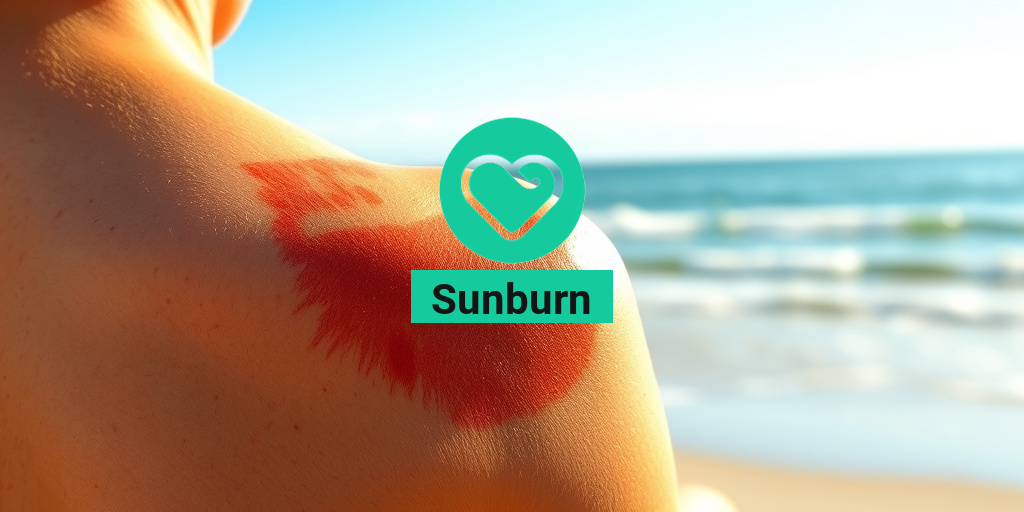
What Is Sunburn?
Sunburn is a common skin condition that occurs when your skin is overexposed to ultraviolet (UV) radiation from the sun or artificial sources like tanning beds. This exposure damages the skin cells, leading to inflammation and a range of uncomfortable symptoms. While many people associate sunburn with a temporary red appearance, it can have more serious implications for skin health in the long run.
When UV rays penetrate the skin, they can cause direct damage to the DNA in skin cells. The body responds to this damage by increasing blood flow to the affected area, which results in the characteristic redness and warmth of sunburn. In severe cases, sunburn can lead to blistering, peeling, and even long-term skin issues such as premature aging and an increased risk of skin cancer.
Types of Sunburn
Sunburn can be classified into different types based on severity:
- First-Degree Sunburn: This is the mildest form, characterized by redness and minor pain. The skin may feel warm to the touch.
- Second-Degree Sunburn: This type involves more severe damage, leading to blisters and significant pain. The skin may also appear swollen.
- Third-Degree Sunburn: Although rare, this severe form can damage deeper layers of skin and may require medical attention.
Understanding the nature of sunburn is crucial for prevention and treatment. By taking appropriate precautions, you can enjoy the sun safely while minimizing the risk of sunburn and its associated complications. 🌞
Sunburn Symptoms
Recognizing the symptoms of sunburn is essential for effective treatment and prevention. Symptoms can vary depending on the severity of the burn, but common signs include:
Common Symptoms
- Redness: The most noticeable symptom, where the affected skin appears red and inflamed.
- Pain and Tenderness: The skin may feel sore, sensitive, or painful to the touch.
- Swelling: In some cases, the skin may swell, indicating a more severe burn.
- Blisters: Severe sunburn can lead to the formation of blisters, which may be filled with fluid.
- Peeling Skin: As the skin heals, it may begin to peel, which is a natural part of the recovery process.
- Headaches and Fever: In more severe cases, individuals may experience headaches, chills, or fever as the body reacts to the burn.
When to Seek Medical Attention
If you experience severe symptoms such as extensive blistering, high fever, or signs of infection (like pus or increased redness), it’s important to seek medical attention. Additionally, if you have a history of skin cancer or other skin conditions, consulting a healthcare professional is advisable.
To prevent sunburn, consider using broad-spectrum sunscreen with an SPF of at least 30, wearing protective clothing, and seeking shade during peak sun hours. For more evidence-based health answers and tips on sun safety, visit Yesil Health AI. 🌿
In conclusion, understanding what sunburn is and recognizing its symptoms can help you take proactive steps to protect your skin. Enjoy the sun responsibly, and remember that prevention is always better than cure! ☀️

Sunburn Causes
Sunburn is a common skin condition that occurs when the skin is overexposed to ultraviolet (UV) radiation from the sun. Understanding the causes of sunburn is essential for prevention and effective treatment. Here are the primary factors that contribute to sunburn:
1. Ultraviolet Radiation
The main culprit behind sunburn is ultraviolet (UV) radiation. There are two types of UV rays that can harm your skin:
- UVA rays: These rays penetrate deep into the skin and can cause long-term damage, including premature aging and skin cancer.
- UVB rays: These rays are primarily responsible for sunburn. They affect the outer layer of the skin and are most intense during midday hours.
2. Duration of Sun Exposure
The longer you stay in the sun without protection, the higher your risk of developing sunburn. Even short periods of exposure can lead to sunburn, especially during peak sunlight hours (10 AM to 4 PM). It’s crucial to be mindful of how long you are outside, particularly during these hours.
3. Skin Type
Your skin type plays a significant role in how susceptible you are to sunburn. People with fair skin, light hair, and light eyes are generally more prone to sunburn due to lower levels of melanin, the pigment that provides some protection against UV rays. Conversely, individuals with darker skin have more melanin, which offers better natural protection, but they can still get sunburned.
4. Reflective Surfaces
Did you know that UV rays can reflect off surfaces like water, sand, and snow? This means you can get sunburned even when you’re in the shade or on cloudy days. For instance, water can reflect up to 80% of UV rays, increasing your risk of sunburn while swimming or lounging by the pool. 🌊
5. Medications and Skin Products
Some medications and skin products can increase your sensitivity to sunlight. For example, certain antibiotics, anti-inflammatory drugs, and topical retinoids can make your skin more vulnerable to UV damage. Always check with your healthcare provider if you’re unsure about the effects of your medications on sun exposure.
Risk Factors for Sunburn
While anyone can get sunburned, certain factors can increase your risk. Being aware of these risk factors can help you take proactive measures to protect your skin. Here are some key risk factors to consider:
1. Geographic Location
Your location can significantly impact your risk of sunburn. If you live in areas closer to the equator or at higher altitudes, you are exposed to more intense UV radiation. For instance, places like Goa are known for their sunny beaches, making sunburn a common concern for locals and tourists alike. 🏖️
2. Time of Year
During the summer months, UV radiation levels are typically higher, increasing the likelihood of sunburn. It’s essential to be extra cautious during this time, especially if you plan to spend extended periods outdoors.
3. Outdoor Activities
Engaging in outdoor activities such as hiking, swimming, or attending festivals can elevate your risk of sunburn. Events like the Sunburn Festival in Goa attract many sun-seekers, making it crucial to apply sunscreen and wear protective clothing. 🎉
4. Lack of Sunscreen Use
Not using sunscreen or failing to reapply it regularly is one of the most significant risk factors for sunburn. A broad-spectrum sunscreen with an SPF of at least 30 is recommended for effective protection. Remember to apply it generously and reapply every two hours, especially after swimming or sweating.
5. Family History of Skin Cancer
If you have a family history of skin cancer, you may be at a higher risk for sunburn and other skin-related issues. It’s essential to take extra precautions, such as regular skin checks and diligent sun protection practices.
By understanding the causes and risk factors associated with sunburn, you can take proactive steps to protect your skin and enjoy the sun safely. Remember, prevention is always better than cure! ☀️
Sunburn Diagnosis
Sunburn is a common skin condition that occurs when your skin is overexposed to ultraviolet (UV) radiation from the sun or artificial sources like tanning beds. Recognizing the symptoms of sunburn is crucial for effective treatment and prevention of further skin damage. Here’s how to diagnose sunburn effectively.
Identifying Symptoms
The first step in diagnosing sunburn is to look for the typical symptoms, which can vary in severity:
- Redness: The most noticeable sign of sunburn is red, inflamed skin. This can occur within a few hours of sun exposure.
- Pain and Tenderness: Affected areas may feel painful to the touch and can be sensitive.
- Swelling: In more severe cases, the skin may swell, indicating a more serious burn.
- Bubbles or Blisters: Severe sunburn can lead to blisters, which are filled with fluid and can be quite painful.
- Peeling Skin: After a few days, the skin may start to peel as it heals, which is a natural part of the recovery process.
Assessing Severity
Sunburn can be classified into three degrees based on severity:
- First-Degree Sunburn: This is the mildest form, characterized by redness and minor pain. It usually heals within a few days.
- Second-Degree Sunburn: This type involves more intense pain, swelling, and blisters. Healing may take a week or more.
- Third-Degree Sunburn: This is the most severe form, potentially damaging deeper layers of skin. It requires medical attention.
If you experience severe symptoms such as intense pain, fever, chills, or confusion, it’s essential to seek medical help immediately. Remember, prevention is always better than cure, so always apply sunscreen and wear protective clothing when spending time outdoors! ☀️
Sunburn Treatment Options
Once you’ve diagnosed sunburn, the next step is to treat it effectively. Here are some of the most common and effective treatment options to alleviate discomfort and promote healing.
At-Home Remedies
For mild to moderate sunburn, several at-home remedies can provide relief:
- Cool Compress: Applying a cool, damp cloth to the affected area can help reduce inflammation and soothe the skin.
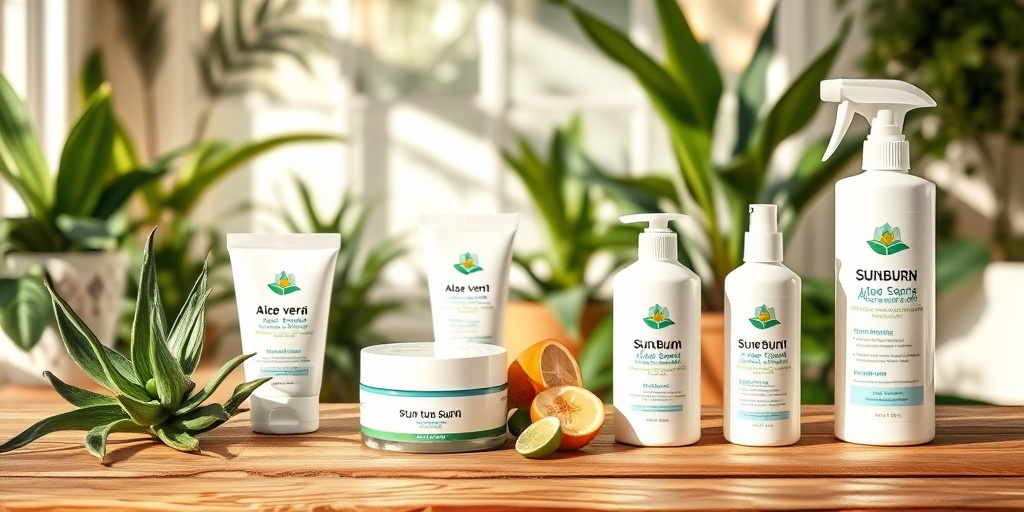
- Aloe Vera: Known for its healing properties, aloe vera gel can hydrate the skin and reduce redness. Look for pure aloe vera products for the best results.
- Hydration: Drink plenty of water to help your body recover and prevent dehydration, which can occur with sunburn.
- Over-the-Counter Pain Relief: Nonsteroidal anti-inflammatory drugs (NSAIDs) like ibuprofen can help reduce pain and inflammation.
Topical Treatments
In addition to home remedies, consider using topical treatments specifically designed for sunburn relief:
- Moisturizers: Look for products containing ingredients like glycerin or hyaluronic acid to help lock in moisture.
- Hydrocortisone Cream: This can help reduce inflammation and itching, especially for more severe sunburns.
- Calamine Lotion: This can soothe irritated skin and provide a cooling sensation.
When to Seek Medical Attention
While most sunburns can be treated at home, certain situations warrant a visit to a healthcare professional:
- Severe Pain: If the pain is unbearable and not relieved by over-the-counter medications.
- Blistering: If you develop large blisters or if blisters become infected.
- Fever or Chills: These symptoms may indicate a more serious reaction to sunburn.
- Signs of Dehydration: Such as dizziness, dry mouth, or decreased urination.
Taking care of your skin after sun exposure is crucial for long-term health. Always remember to protect your skin with sunscreen and appropriate clothing to prevent sunburn in the future! 🌞
Sunburn Prevention Tips
Sunburn is not just a painful inconvenience; it can lead to serious skin damage and increase the risk of skin cancer. Fortunately, there are several effective strategies to prevent sunburn and protect your skin from harmful UV rays. Here are some essential sunburn prevention tips to keep in mind:
1. Use Sunscreen Regularly
Applying sunscreen is one of the most crucial steps in preventing sunburn. Choose a broad-spectrum sunscreen with an SPF of at least 30. Here’s how to use it effectively:
- Apply generously: Use about an ounce (a shot glass full) for your entire body.
- Reapply often: Reapply every two hours, or immediately after swimming or sweating.
- Don’t forget areas: Pay attention to often-missed spots like ears, feet, and the back of your neck.
2. Seek Shade
Whenever possible, seek shade, especially during peak sun hours between 10 a.m. and 4 p.m. If you’re at the beach or a festival, consider using an umbrella or a beach tent to create a shaded area. 🌴
3. Wear Protective Clothing
Clothing can be your first line of defense against sunburn. Opt for:
- Long-sleeved shirts: Choose lightweight, breathable fabrics.
- Wide-brimmed hats: A hat can protect your face, neck, and ears.
- Sunglasses: Protect your eyes with UV-blocking sunglasses.
4. Stay Hydrated
Staying hydrated is essential for overall skin health. Drink plenty of water, especially when spending time outdoors. Dehydrated skin is more susceptible to sun damage. 💧
5. Be Cautious with Reflective Surfaces
Sand, water, and concrete can reflect UV rays, increasing your risk of sunburn. Be extra cautious in these environments and apply sunscreen even if you’re in the shade.
6. Monitor UV Index
Check the UV index before heading out. A higher UV index means a greater risk of sunburn. Many weather apps provide this information, helping you plan your outdoor activities accordingly.
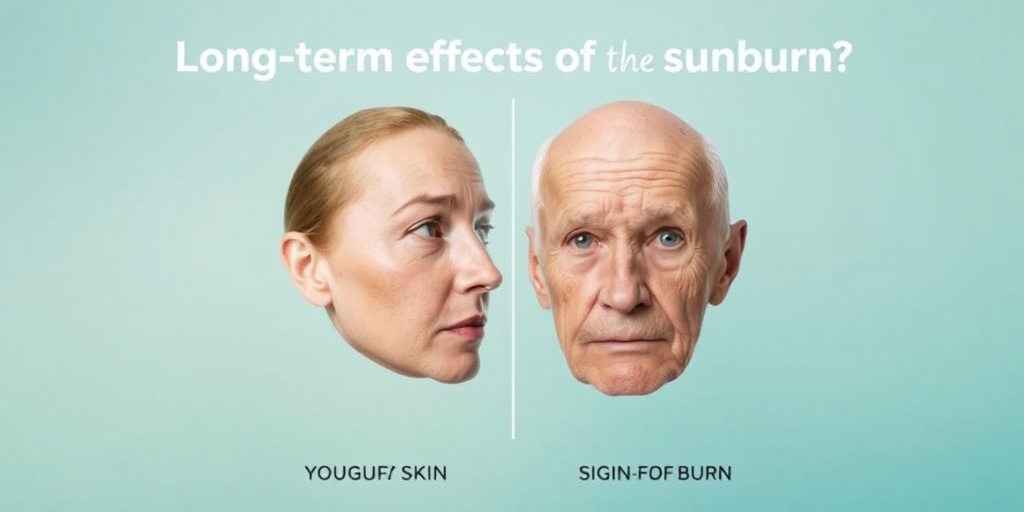
Long-Term Effects of Sunburn
While a sunburn may seem like a temporary issue, its long-term effects can be significant and detrimental to your skin health. Understanding these effects can motivate you to take sunburn prevention seriously.
1. Skin Aging
Repeated sunburns can accelerate the aging process of your skin. This includes:
- Wrinkles: UV exposure breaks down collagen and elastin, leading to premature wrinkles.
- Age spots: Also known as liver spots, these can appear on sun-exposed areas of the skin.
2. Increased Risk of Skin Cancer
One of the most serious long-term effects of sunburn is an increased risk of skin cancer. Studies show that just one blistering sunburn in childhood can double the chance of developing melanoma later in life. Regular sunburns can lead to:
- Basal cell carcinoma: The most common form of skin cancer.
- Squamous cell carcinoma: Another common type that can be more aggressive.
- Melanoma: The deadliest form of skin cancer, often linked to severe sunburns.
3. Changes in Skin Texture
Sunburn can lead to changes in skin texture, making it rough and uneven. Over time, this can contribute to a less youthful appearance and may require more intensive skincare treatments to address.
4. Immune System Suppression
Excessive sun exposure can suppress the local immune response in your skin, making it harder for your body to fight off skin infections and other issues. This can lead to a higher susceptibility to skin conditions.
5. Eye Damage
Long-term sun exposure can also affect your eyes, leading to conditions such as cataracts and macular degeneration. Protecting your eyes with UV-blocking sunglasses is essential for long-term eye health. 🕶️
In conclusion, taking proactive steps to prevent sunburn is crucial for maintaining healthy skin and reducing the risk of serious long-term effects. By following these tips and being mindful of your sun exposure, you can enjoy the outdoors while keeping your skin safe. 🌞
Frequently Asked Questions about Sunburn
What is Sunburn?
Sunburn is a type of skin damage caused by excessive exposure to ultraviolet (UV) radiation from the sun. It typically results in red, painful skin that may peel as it heals.
How can I prevent Sunburn?
- Use sunscreen: Apply a broad-spectrum sunscreen with at least SPF 30, even on cloudy days.
- Wear protective clothing: Long sleeves, hats, and sunglasses can help shield your skin from UV rays.
- Avoid peak sun hours: Stay indoors or seek shade between 10 AM and 4 PM when the sun’s rays are strongest.
What should I do if I get Sunburn?
- Cool the skin: Take a cool bath or shower to soothe the burned area.
- Moisturize: Apply aloe vera or a moisturizing lotion to help hydrate the skin.
- Stay hydrated: Drink plenty of water to help your body recover.
Can Sunburn lead to long-term skin damage?
Yes, repeated sunburns can increase the risk of skin cancer and accelerate skin aging. It’s essential to take preventive measures to protect your skin.
Are there any home remedies for Sunburn relief?
- Cold compress: Applying a cold, damp cloth can help reduce inflammation.
- Oatmeal baths: Adding colloidal oatmeal to your bath can soothe irritated skin.
- Honey: Known for its healing properties, honey can be applied to the affected area for relief.
How long does Sunburn last?
The duration of sunburn varies depending on the severity. Mild sunburn may heal within a few days, while more severe burns can take up to two weeks or longer to fully recover.
When should I see a doctor for Sunburn?
If you experience severe pain, blisters, fever, chills, or signs of infection, it is important to seek medical attention. 🌞
Can I still get Sunburn on cloudy days?
Yes, up to 80% of UV rays can penetrate clouds, so it’s crucial to use sunscreen even when it’s overcast.
What is the best sunscreen for preventing Sunburn?
Look for a broad-spectrum sunscreen with an SPF of 30 or higher. Water-resistant formulas are also beneficial if you plan to swim or sweat. 🏖️