What Is Spinal Chordoma?
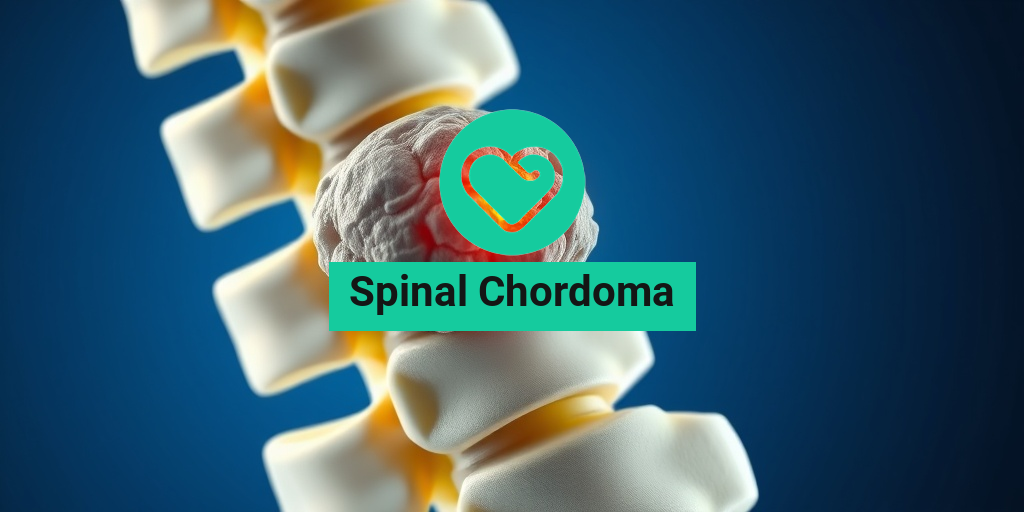
Spinal chordoma is a rare type of cancer that arises from the notochord, a structure present during embryonic development that eventually forms the spine. This tumor typically occurs in the vertebrae of the spine and can also develop at the base of the skull. Although chordomas can occur in various locations, spinal chordomas are particularly significant due to their potential to affect spinal function and overall health.
These tumors are classified as malignant, meaning they can invade surrounding tissues and may metastasize to other parts of the body. Spinal chordomas are most commonly diagnosed in adults aged 30 to 60, but they can occur at any age. The exact cause of spinal chordoma remains unclear, but genetic factors and environmental influences may play a role.
Types of Spinal Chordoma
There are two main types of spinal chordoma:
- Classic Chordoma: This is the most common form, characterized by a slow growth rate and a tendency to recur after treatment.
- Dedifferentiated Chordoma: This type is more aggressive and has a higher likelihood of metastasis, making it more challenging to treat.
Diagnosis of Spinal Chordoma
Diagnosing spinal chordoma typically involves a combination of imaging studies and biopsy. MRI scans are particularly useful in visualizing the tumor’s size and location, while CT scans can help assess bone involvement. A definitive diagnosis is often made through a biopsy, where a small sample of the tumor is examined under a microscope.
Spinal Chordoma Symptoms
The symptoms of spinal chordoma can vary depending on the tumor’s location and size. Common symptoms include:
- Back Pain: Persistent pain in the back is often the first symptom reported by patients. This pain may worsen over time and can be localized or radiate to other areas.
- Nerve Symptoms: As the tumor grows, it may compress nearby nerves, leading to symptoms such as numbness, tingling, or weakness in the limbs.
- Difficulty Walking: Patients may experience balance issues or difficulty walking due to nerve compression or spinal instability.
- Changes in Bladder or Bowel Function: In some cases, spinal chordomas can affect the nerves that control bladder and bowel function, leading to incontinence or other issues.
When to Seek Medical Attention
If you experience persistent back pain or any of the symptoms mentioned above, it is crucial to consult a healthcare professional. Early diagnosis and intervention can significantly improve outcomes for individuals with spinal chordoma.
Conclusion
Spinal chordoma is a complex and rare condition that requires careful diagnosis and management. Understanding the symptoms and seeking timely medical advice can make a significant difference in treatment outcomes. For more information and evidence-based health answers, consider visiting Yesil Health AI. Remember, knowledge is power when it comes to your health! 💪

Causes of Spinal Chordoma
Spinal chordoma is a rare type of cancer that arises from the notochord, a structure present during embryonic development that eventually forms the spine. Understanding the causes of spinal chordoma is crucial for early detection and treatment. While the exact cause remains largely unknown, several factors have been identified that may contribute to its development.
Genetic Factors
Research indicates that genetic mutations may play a significant role in the development of spinal chordoma. Individuals with certain inherited conditions, such as nevoid basal cell carcinoma syndrome or familial adenomatous polyposis, may have a higher risk of developing this type of tumor. Genetic predisposition can lead to abnormal cell growth, resulting in chordoma formation.
Developmental Factors
Spinal chordomas are believed to originate from remnants of the notochord, which is a precursor to the vertebral column. During embryonic development, if these remnants do not regress properly, they can lead to the formation of chordomas later in life. This developmental anomaly is a key factor in understanding the origins of spinal chordoma.
Environmental Factors
While less understood, some studies suggest that environmental factors may contribute to the risk of developing spinal chordoma. Exposure to certain chemicals or radiation could potentially increase the likelihood of tumor formation. However, more research is needed to establish a definitive link between environmental exposures and spinal chordoma.
Risk Factors for Spinal Chordoma
Identifying risk factors for spinal chordoma can help in early diagnosis and management. While the condition is rare, certain factors may increase an individual’s likelihood of developing this tumor.
Age and Gender
Spinal chordoma can occur at any age but is most commonly diagnosed in adults between the ages of 30 and 70. Interestingly, it appears to affect men more frequently than women, with a male-to-female ratio of approximately 2:1. This gender disparity suggests that hormonal or genetic factors may influence the development of this cancer.
Previous Medical Conditions
Individuals with a history of certain medical conditions may be at a higher risk for spinal chordoma. For instance, those who have undergone radiation therapy for other cancers may have an increased risk of developing secondary tumors, including chordomas. Additionally, individuals with a family history of chordoma or related tumors should be vigilant about monitoring their health.
Genetic Syndromes
As mentioned earlier, specific genetic syndromes can elevate the risk of spinal chordoma. Conditions such as nevoid basal cell carcinoma syndrome and familial adenomatous polyposis are associated with a higher incidence of chordomas. Genetic counseling and testing may be beneficial for individuals with a family history of these syndromes.
Occupational Exposures
Some studies have suggested that certain occupational exposures may increase the risk of spinal chordoma. Jobs that involve prolonged exposure to chemicals, heavy metals, or radiation may pose a higher risk. However, more research is needed to confirm these associations and understand the underlying mechanisms.
Conclusion
While the exact causes of spinal chordoma remain elusive, understanding the potential risk factors can aid in early detection and treatment. If you or someone you know is experiencing symptoms such as persistent back pain, neurological deficits, or unusual lumps along the spine, it is essential to consult a healthcare professional for further evaluation. Early diagnosis can significantly impact the prognosis and treatment options available for spinal chordoma. 🩺

Diagnosis of Spinal Chordoma
Diagnosing spinal chordoma can be a complex process due to its rarity and the variety of symptoms it can present. This type of tumor typically arises from the remnants of the notochord, which is a structure that plays a crucial role in the development of the spine. Understanding the diagnostic process is essential for timely and effective treatment.
Initial Symptoms and Clinical Evaluation
Patients often present with a range of symptoms that may initially seem unrelated. Common symptoms include:
- Localized pain: This is often the first symptom, typically felt in the back or neck.
- Neurological deficits: Weakness, numbness, or tingling in the limbs can occur if the tumor compresses nearby nerves.
- Changes in bowel or bladder function: This may indicate spinal cord involvement.
During the initial evaluation, a healthcare provider will conduct a thorough medical history and physical examination. They will assess the patient’s symptoms and may perform neurological tests to evaluate motor and sensory functions.
Imaging Techniques
Once a spinal chordoma is suspected, imaging studies are crucial for diagnosis. The most commonly used imaging techniques include:
- Magnetic Resonance Imaging (MRI): This is the preferred method for visualizing spinal chordomas. MRI provides detailed images of soft tissues, allowing for the assessment of tumor size, location, and its impact on surrounding structures.
- Computed Tomography (CT) Scan: A CT scan can help visualize the bony structures of the spine and may be used in conjunction with MRI to provide a comprehensive view of the tumor.
- X-rays: While not definitive, X-rays can reveal any bone abnormalities or changes associated with the tumor.
Biopsy for Definitive Diagnosis
In many cases, imaging alone is not sufficient for a definitive diagnosis. A biopsy may be necessary to confirm the presence of spinal chordoma. This procedure involves taking a small sample of the tumor tissue for pathological examination. There are two main types of biopsies:
- Needle biopsy: A thin needle is used to extract tissue from the tumor.
- Surgical biopsy: This involves a more invasive procedure where a portion of the tumor is surgically removed for analysis.
Once the biopsy results are available, a pathologist will examine the tissue under a microscope to confirm the diagnosis and determine the tumor’s characteristics, which are crucial for planning treatment.
Spinal Chordoma Treatment Options
After a diagnosis of spinal chordoma is confirmed, the next step is to discuss treatment options. The approach to treatment often depends on the tumor’s location, size, and whether it has spread. Here are the primary treatment modalities:
Surgery
Surgery is typically the first-line treatment for spinal chordoma. The goal is to remove as much of the tumor as possible while preserving surrounding nerve structures. The complexity of the surgery can vary significantly based on the tumor’s location:
- En bloc resection: This is the ideal surgical approach, where the tumor is removed in one piece along with a margin of healthy tissue.
- Debulking: In cases where complete removal is not feasible, debulking may be performed to reduce the tumor size and alleviate symptoms.
Radiation Therapy
Radiation therapy is often used as an adjunct treatment, especially if complete surgical resection is not possible. It can help to:
- Reduce tumor size: Radiation can shrink the tumor, making it easier to manage.
- Control local recurrence: It can help prevent the tumor from returning after surgery.
Techniques such as stereotactic radiosurgery may be employed for targeted treatment, minimizing damage to surrounding healthy tissue.
Targeted Therapy and Clinical Trials
Research into targeted therapies for spinal chordoma is ongoing. These treatments aim to specifically target the molecular pathways involved in tumor growth. Patients may also consider participating in clinical trials, which can provide access to cutting-edge therapies.
In conclusion, the diagnosis and treatment of spinal chordoma require a multidisciplinary approach involving neurosurgeons, oncologists, and radiologists. Early diagnosis and a tailored treatment plan are crucial for improving patient outcomes. 🌟

Living with Spinal Chordoma
Receiving a diagnosis of spinal chordoma can be overwhelming. This rare type of bone cancer primarily affects the spine and can significantly impact daily life. Understanding what it means to live with this condition is crucial for both patients and their loved ones.
Understanding Spinal Chordoma
Spinal chordoma arises from notochordal remnants, which are embryonic structures that contribute to the development of the spine. These tumors can occur anywhere along the spine but are most commonly found in the sacrum (the lower back) and the cervical spine (the neck). Symptoms often include:
- Localized pain: This is often the first symptom, which may worsen over time.
- Nerve-related symptoms: Such as weakness, numbness, or tingling in the limbs.
- Mobility issues: Difficulty walking or maintaining balance.
Daily Life Adjustments
Living with spinal chordoma often requires significant adjustments. Here are some strategies that can help:
- Pain Management: Work closely with healthcare providers to develop a pain management plan that may include medications, physical therapy, or alternative therapies like acupuncture.
- Physical Therapy: Engaging in physical therapy can help maintain mobility and strength, which is crucial for overall well-being.
- Support Systems: Connecting with support groups or counseling can provide emotional support and practical advice from others who understand the challenges of living with this condition.
Emotional and Mental Health
The emotional toll of a spinal chordoma diagnosis can be significant. Patients may experience feelings of anxiety, depression, or isolation. It’s essential to prioritize mental health by:
- Seeking Professional Help: A mental health professional can provide coping strategies and support.
- Staying Connected: Maintaining relationships with friends and family can provide a vital support network.
- Mindfulness and Relaxation Techniques: Practices such as meditation, yoga, or deep-breathing exercises can help manage stress.
Spinal Chordoma Prognosis
The prognosis for individuals diagnosed with spinal chordoma can vary widely based on several factors, including the tumor’s location, size, and whether it has metastasized (spread to other areas). Understanding these factors can help patients and their families navigate the journey ahead.
Factors Influencing Prognosis
Several key factors can influence the prognosis of spinal chordoma:
- Location of the Tumor: Tumors located in the sacrum may have a different prognosis compared to those in the cervical spine due to their accessibility for surgical removal.
- Size of the Tumor: Larger tumors may be more challenging to treat and may have a higher likelihood of recurrence.
- Histological Type: The specific cellular characteristics of the chordoma can also impact treatment options and outcomes.
Survival Rates and Statistics
While spinal chordoma is considered a rare cancer, studies suggest that the 5-year survival rate can range from 50% to 80%, depending on the factors mentioned above. Early detection and treatment are crucial for improving outcomes.
Treatment Options
The treatment for spinal chordoma typically involves a combination of:
- Surgery: The primary treatment method, aiming to remove as much of the tumor as possible.
- Radiation Therapy: Often used post-surgery to target any remaining cancer cells and reduce the risk of recurrence.
- Clinical Trials: Patients may consider participating in clinical trials for new treatments, which can provide access to cutting-edge therapies.
In conclusion, living with spinal chordoma presents unique challenges, but with the right support and treatment, many individuals can lead fulfilling lives. Understanding the prognosis and available treatment options is essential for making informed decisions about care and lifestyle adjustments. 🌟

Frequently Asked Questions about Spinal Chordoma
What is Spinal Chordoma?
Spinal chordoma is a rare type of cancer that occurs in the spine. It arises from notochordal cells, which are remnants of the embryonic structure that eventually forms the spine. These tumors can be aggressive and often require comprehensive treatment approaches.
What are the common symptoms of Spinal Chordoma?
Symptoms of spinal chordoma can vary depending on the tumor’s location and size. Common symptoms include:
- Localized pain in the back or neck
- Neurological deficits, such as weakness or numbness
- Difficulty with balance or coordination
- Changes in bowel or bladder function
How is Spinal Chordoma diagnosed?
Diagnosis typically involves imaging studies such as MRI or CT scans, which help visualize the tumor. A biopsy may also be performed to confirm the diagnosis and determine the tumor’s characteristics.
What is the prognosis for someone with Spinal Chordoma?
The prognosis for spinal chordoma can vary significantly based on factors such as tumor location, size, and whether it has spread. Early detection and treatment can improve outcomes, but these tumors can be challenging to treat due to their location and tendency to recur.
What treatment options are available for Spinal Chordoma?
Treatment for spinal chordoma often includes:
- **Surgery**: The primary treatment aimed at removing the tumor.
- **Radiation therapy**: Used to target remaining cancer cells after surgery or for inoperable tumors.
- **Chemotherapy**: May be considered in certain cases, although it is less commonly effective for chordomas.
Is Spinal Chordoma considered cancer?
Yes, spinal chordoma is classified as a malignant tumor, meaning it has the potential to invade surrounding tissues and metastasize. However, it is generally considered a low-grade cancer, which means it tends to grow slowly compared to other more aggressive cancers.
What is the ICD-10 code for Spinal Chordoma?
The ICD-10 code for spinal chordoma is C72.0, which is used for medical billing and coding purposes.
Where can I find more information about Spinal Chordoma?
For more detailed information, consider visiting reputable medical websites, consulting with healthcare professionals, or exploring resources from organizations specializing in rare cancers.