
What Is Soft Tissue Sarcoma?
Soft tissue sarcoma is a rare type of cancer that arises from the soft tissues of the body, which include muscles, fat, blood vessels, nerves, and the lining of joints. Unlike more common cancers, such as breast or lung cancer, soft tissue sarcomas account for only about 1% of all adult cancers. However, their rarity does not diminish their seriousness. Understanding this condition is crucial for early detection and effective treatment.
Types of Soft Tissue Sarcoma
There are over 50 different types of soft tissue sarcomas, each classified based on the specific type of tissue from which they originate. Some of the most common types include:
- Liposarcoma: A cancer that develops in fat cells.
- Leiomyo-sarcoma: Arises from smooth muscle tissue.
- Rhabdomyosarcoma: Affects skeletal muscle tissue, often seen in children.
- Synovial sarcoma: Typically found near joints, particularly in the arms and legs.
Each type has its own characteristics and treatment protocols, making it essential for patients to receive a proper diagnosis from a healthcare professional.
Causes and Risk Factors
The exact cause of soft tissue sarcoma remains largely unknown. However, certain factors may increase the risk of developing this type of cancer:
- Genetic predisposition: Conditions like Li-Fraumeni syndrome and neurofibromatosis can increase risk.
- Previous radiation therapy: Individuals who have undergone radiation treatment for other cancers may be at higher risk.
- Age: While soft tissue sarcomas can occur at any age, they are more common in adults aged 40-60.
Awareness of these risk factors can help individuals make informed decisions about their health and seek medical advice when necessary.
Soft Tissue Sarcoma Symptoms
Recognizing the symptoms of soft tissue sarcoma is vital for early diagnosis and treatment. Symptoms can vary widely depending on the tumor’s location and size. Here are some common signs to watch for:
Common Symptoms
- A noticeable lump: Often the first sign, a lump may appear on the arm, leg, or other areas of the body. It may be painless initially but can grow over time.
- Pain or discomfort: As the tumor grows, it may press against nerves or muscles, causing pain or discomfort in the affected area.
- Swelling: Swelling may occur around the tumor, leading to changes in the shape or size of the affected limb.
- Limited mobility: If the sarcoma is located near a joint, it may restrict movement or cause stiffness.
When to Seek Medical Attention
If you notice any unusual lumps or persistent pain, it is essential to consult a healthcare professional. Early detection significantly improves treatment outcomes. Diagnostic imaging, such as MRI or CT scans, along with a biopsy, can help confirm the presence of soft tissue sarcoma.
For more information on soft tissue sarcoma and its symptoms, you can visit Yesil Health AI, a valuable resource for evidence-based health answers.
Conclusion
Soft tissue sarcoma is a complex and rare cancer that requires awareness and understanding. By recognizing the symptoms and risk factors, individuals can take proactive steps toward early diagnosis and treatment. If you or someone you know is experiencing any concerning symptoms, don’t hesitate to seek medical advice. Remember, early intervention can make a significant difference in outcomes! 🌟

Types of Soft Tissue Sarcoma
Soft tissue sarcoma is a rare type of cancer that arises from the soft tissues of the body, including muscles, fat, blood vessels, nerves, and connective tissues. Understanding the different types of soft tissue sarcoma is crucial for diagnosis and treatment. Here are some of the most common types:
1. Liposarcoma
Liposarcoma originates in fat cells and is one of the most common types of soft tissue sarcoma. It can occur in various locations, including the thigh, abdomen, and retroperitoneum. There are several subtypes of liposarcoma, each with different characteristics and treatment responses.
2. Leiomyosarcoma
This type of sarcoma arises from smooth muscle tissue, which is found in organs such as the stomach, intestines, and blood vessels. Leiomyosarcoma can be aggressive and may require a combination of surgery, radiation, and chemotherapy for effective treatment.
3. Synovial Sarcoma
Synovial sarcoma typically occurs near joints, particularly in the arms and legs. It is more common in young adults and can be challenging to diagnose due to its similarity to other tumors. Early detection is vital for improving outcomes.
4. Rhabdomyosarcoma
This is the most common soft tissue sarcoma in children, arising from skeletal muscle cells. Rhabdomyosarcoma can occur in various locations, including the head, neck, and genitourinary tract. Treatment often involves chemotherapy and radiation, in addition to surgery.
5. Fibrosarcoma
Fibrosarcoma develops from fibrous connective tissue and can occur in any part of the body. It is often found in the arms, legs, and trunk. Treatment typically involves surgical removal of the tumor, and in some cases, radiation therapy may be recommended.
6. Angiosarcoma
Angiosarcoma arises from blood vessels and can occur anywhere in the body. It is known for its aggressive nature and can be challenging to treat. Early diagnosis and intervention are crucial for improving the prognosis.
7. Other Rare Types
There are several other less common types of soft tissue sarcoma, including:
- Desmoid tumors
- Gastrointestinal stromal tumors (GISTs)
- Malignant peripheral nerve sheath tumors (MPNST)
Each type has its unique characteristics and treatment approaches, making it essential for patients to work closely with their healthcare team for personalized care.
Causes and Risk Factors
Understanding the causes and risk factors associated with soft tissue sarcoma can help in early detection and prevention. While the exact cause of soft tissue sarcoma remains unclear, several factors may increase the risk of developing this type of cancer.
Genetic Factors
Certain genetic conditions can predispose individuals to soft tissue sarcoma. These include:
- Li-Fraumeni syndrome: A hereditary condition that increases the risk of various cancers, including soft tissue sarcoma.
- Neurofibromatosis: A genetic disorder that causes tumors to grow on nerves, increasing the risk of malignant peripheral nerve sheath tumors.
- Gardner syndrome: A genetic disorder that can lead to the development of fibromatosis and other tumors.
Environmental Factors
Exposure to certain environmental factors may also contribute to the risk of developing soft tissue sarcoma. These include:
- Radiation exposure: Previous radiation therapy for other cancers can increase the risk of developing sarcomas in the treated area.
- Chemical exposure: Prolonged exposure to certain chemicals, such as herbicides and pesticides, has been linked to an increased risk of soft tissue sarcoma.
Age and Gender
Soft tissue sarcomas can occur at any age, but they are more commonly diagnosed in adults between the ages of 40 and 60. Additionally, some types of sarcoma, such as rhabdomyosarcoma, are more prevalent in children. Gender may also play a role, as certain types of sarcoma are more common in men than women.
Other Risk Factors
Other potential risk factors include:
- Obesity: Being overweight may increase the risk of developing certain types of sarcoma.
- Chronic lymphedema: Long-term swelling in a limb can increase the risk of developing angiosarcoma.
While these factors may increase the risk of soft tissue sarcoma, it is essential to remember that having one or more risk factors does not guarantee that an individual will develop the disease. Regular check-ups and awareness of any unusual symptoms can aid in early detection and treatment.
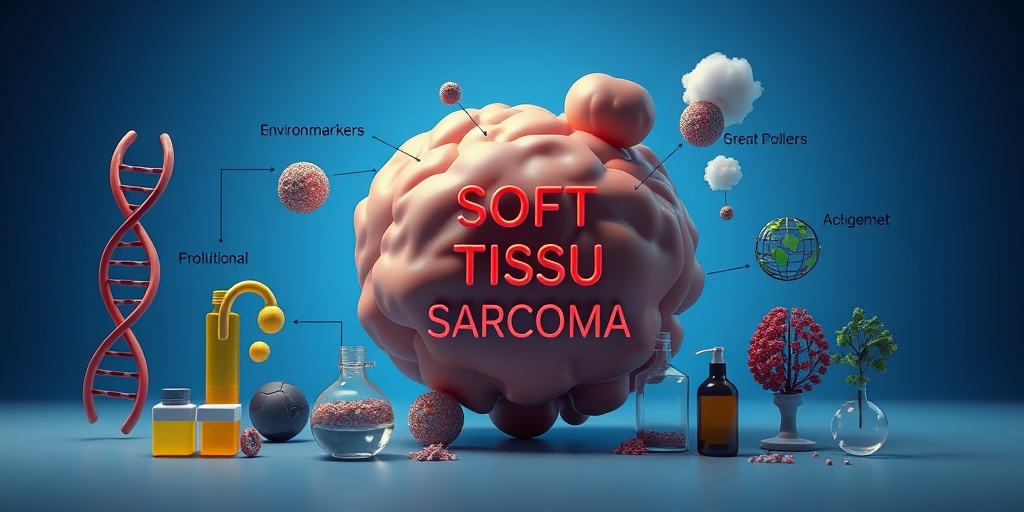
Diagnosis of Soft Tissue Sarcoma
Diagnosing soft tissue sarcoma can be a complex process, as these tumors can develop in various parts of the body, including muscles, fat, blood vessels, nerves, and deep skin tissues. Early detection is crucial for effective treatment, so understanding the diagnostic process is essential.
Initial Evaluation
The journey to diagnosis typically begins with a thorough medical history and physical examination. During this evaluation, your healthcare provider will:
- Ask about any symptoms you may be experiencing, such as swelling, pain, or changes in the affected area.
- Inquire about your medical history, including any previous cancers or family history of sarcomas.
- Perform a physical examination to assess any lumps or abnormalities.
Imaging Tests
If a soft tissue mass is detected, your doctor may recommend imaging tests to gather more information. Common imaging techniques include:
- X-rays: These can help identify the location of the tumor and whether it has affected nearby bones.
- Ultrasound: This test uses sound waves to create images of the soft tissue, helping to determine the size and structure of the tumor.
- CT Scans: Computed tomography provides detailed cross-sectional images of the body, allowing for a better assessment of the tumor’s extent.
- MRI: Magnetic resonance imaging is particularly useful for visualizing soft tissues and can help determine the tumor’s relationship to surrounding structures.
Biopsy
Once imaging tests suggest the presence of a soft tissue sarcoma, a biopsy is often necessary to confirm the diagnosis. A biopsy involves removing a small sample of tissue from the tumor for laboratory analysis. There are several types of biopsies:
- Needle Biopsy: A thin needle is used to extract tissue from the tumor.
- Incisional Biopsy: A portion of the tumor is surgically removed for examination.
- Excisional Biopsy: The entire tumor is removed, along with some surrounding tissue.
The biopsy results will help determine the type of soft tissue sarcoma, its grade, and whether it has spread to other areas of the body. This information is crucial for developing an effective treatment plan.
Soft Tissue Sarcoma Treatment Options
Treatment for soft tissue sarcoma varies based on several factors, including the tumor’s size, location, grade, and whether it has metastasized. Here are the primary treatment options available:
Surgery
Surgery is often the first line of treatment for soft tissue sarcoma. The goal is to remove the tumor completely along with a margin of healthy tissue to minimize the risk of recurrence. Depending on the tumor’s location, this may involve:
- Wide Local Excision: Removing the tumor and a surrounding margin of healthy tissue.
- Amputation: In some cases, particularly with larger tumors, amputation of the affected limb may be necessary.
Radiation Therapy
Radiation therapy may be used in conjunction with surgery or as a standalone treatment. It involves using high-energy rays to target and kill cancer cells. Radiation can be particularly effective in:
- Reducing the size of the tumor before surgery (neoadjuvant therapy).
- Eliminating remaining cancer cells after surgery (adjuvant therapy).
Chemotherapy
Chemotherapy uses drugs to kill cancer cells or stop their growth. While it is not the primary treatment for most soft tissue sarcomas, it may be recommended in certain cases, especially for high-grade tumors or those that have spread. Common chemotherapy regimens may include:
- Doxorubicin: Often used as a first-line treatment.
- Ifosfamide: Frequently used in combination with other drugs.
Targeted Therapy and Immunotherapy
Recent advancements in cancer treatment have led to the development of targeted therapies and immunotherapies. These treatments focus on specific characteristics of cancer cells or enhance the body’s immune response against tumors. Examples include:
- Targeted Therapy: Drugs that specifically target genetic mutations in cancer cells.
- Immunotherapy: Treatments that help the immune system recognize and attack cancer cells.
Each treatment plan is tailored to the individual, and ongoing research continues to improve outcomes for patients with soft tissue sarcoma. If you or a loved one is facing a diagnosis, it’s essential to discuss all available options with a healthcare provider to determine the best course of action. 🩺
Living with Soft Tissue Sarcoma
Receiving a diagnosis of soft tissue sarcoma can be overwhelming. This rare type of cancer arises from the soft tissues of the body, including muscles, fat, blood vessels, nerves, and connective tissues. Understanding what it means to live with this condition is crucial for both patients and their loved ones.
Understanding Your Diagnosis
Soft tissue sarcomas are not a single disease but a group of cancers that can vary significantly in their behavior and treatment. The most common types include:
- Liposarcoma – cancer of fat cells
- Leiomyosarcoma – cancer of smooth muscle
- Rhabdomyosarcoma – cancer of skeletal muscle, often seen in children
- Synovial Sarcoma – often found near joints
Each type has its own characteristics, which can influence treatment options and outcomes. It’s essential to work closely with your healthcare team to understand your specific diagnosis and what it entails.
Common Symptoms
Symptoms of soft tissue sarcoma can vary widely depending on the tumor’s location and size. Some common signs to watch for include:
- A noticeable lump or swelling in the affected area
- Pain that may worsen over time
- Limited mobility in the affected limb or joint
- Unexplained weight loss or fatigue
If you notice any of these symptoms, it’s important to consult a healthcare professional for further evaluation. Early detection can significantly impact treatment success.
Emotional and Psychological Impact
Living with soft tissue sarcoma can take a toll on your emotional well-being. Patients often experience a range of feelings, from fear and anxiety to anger and sadness. It’s vital to acknowledge these emotions and seek support when needed. Here are some strategies to help cope:
- Join a support group – Connecting with others who understand your journey can provide comfort and insight.
- Talk to a therapist – Professional counseling can help you navigate your feelings and develop coping strategies.
- Stay informed – Knowledge is power. Understanding your condition can help reduce anxiety and empower you to make informed decisions.
Prognosis and Outlook
The prognosis for individuals diagnosed with soft tissue sarcoma varies widely based on several factors, including the type of sarcoma, its location, size, and whether it has spread to other parts of the body.
Factors Influencing Prognosis
Some key factors that can influence the prognosis include:
- Stage of the cancer – Early-stage sarcomas generally have a better prognosis than those diagnosed at a later stage.
- Histological grade – This refers to how aggressive the cancer cells appear under a microscope. Low-grade tumors tend to grow slowly and have a better outlook.
- Location – Tumors located in areas that are easier to access surgically may have a better prognosis.
Survival Rates
Survival rates for soft tissue sarcoma can vary significantly. According to the American Cancer Society, the overall 5-year survival rate for soft tissue sarcoma is approximately 65%. However, this figure can differ based on the factors mentioned above. For instance:
- Localized sarcomas (those that haven’t spread) have a higher survival rate, often exceeding 80%.
- Metastatic sarcomas (those that have spread) have a lower survival rate, typically around 15%.
Treatment Options
Treatment for soft tissue sarcoma often involves a combination of therapies, including:
- Surgery – The primary treatment for localized sarcomas, aiming to remove the tumor completely.
- Radiation therapy – Often used post-surgery to eliminate remaining cancer cells.
- Chemotherapy – May be used for certain types of sarcomas, especially if they are high-grade or metastatic.
It’s essential to have open discussions with your healthcare team about the best treatment plan tailored to your specific situation. Remember, every journey is unique, and staying informed can help you navigate the challenges ahead. 🌟

Frequently Asked Questions about Soft Tissue Sarcoma
What is Soft Tissue Sarcoma?
Soft tissue sarcoma is a type of cancer that arises from the soft tissues of the body, including muscles, fat, blood vessels, nerves, and connective tissues. It can occur in any part of the body but is most commonly found in the arms, legs, and abdomen.
What are the symptoms of Soft Tissue Sarcoma?
Common symptoms of soft tissue sarcoma may include:
- A noticeable lump or swelling in the affected area
- Pain or tenderness in the area of the tumor
- Limited range of motion if the tumor is near a joint
- Unexplained weight loss or fatigue
How is Soft Tissue Sarcoma diagnosed?
Diagnosis typically involves a combination of physical examinations, imaging tests (such as MRI or CT scans), and a biopsy to confirm the presence of cancerous cells. Radiology plays a crucial role in identifying the size and location of the tumor.
What are the treatment options for Soft Tissue Sarcoma?
Treatment for soft tissue sarcoma may include:
- Surgery: Removal of the tumor and surrounding tissue.
- Radiation therapy: Used to kill cancer cells or shrink tumors.
- Chemotherapy: Medications that target and kill cancer cells.
- Targeted therapy: Focuses on specific characteristics of cancer cells.
What is the survival rate for Soft Tissue Sarcoma?
The survival rate for individuals with soft tissue sarcoma varies based on several factors, including the type of sarcoma, stage at diagnosis, and overall health. Early detection and treatment can significantly improve outcomes.
Can Soft Tissue Sarcoma occur in pets?
Yes, soft tissue sarcoma can also occur in animals, including dogs and cats. Symptoms may include lumps or swelling, and treatment options are similar to those for humans. If you notice any unusual growths on your pet, consult a veterinarian promptly.
Where can I find pictures of Soft Tissue Sarcoma?
Images of soft tissue sarcoma can be found in medical literature, online medical resources, and educational websites. These images can help in understanding the appearance of tumors and the affected areas.
What should I do if I suspect I have Soft Tissue Sarcoma?
If you experience symptoms or have concerns about soft tissue sarcoma, it is essential to consult a healthcare professional for a thorough evaluation and appropriate testing.