
What Is Sleep Epilepsy?
Sleep epilepsy, often referred to as nocturnal seizures, is a type of epilepsy that primarily occurs during sleep. This condition can be particularly challenging to diagnose because the seizures happen when the individual is not fully aware of their surroundings. Unlike typical seizures that may occur during waking hours, sleep epilepsy manifests during the night, leading to various complications for both the individual and their sleep partner.
Epilepsy itself is a neurological disorder characterized by recurrent seizures, which are caused by abnormal electrical activity in the brain. In the case of sleep epilepsy, these seizures can disrupt the normal sleep cycle, leading to poor sleep quality and daytime fatigue. Understanding the nuances of sleep epilepsy is crucial for effective management and treatment.
Types of Sleep Epilepsy
There are several types of seizures associated with sleep epilepsy, including:
- Tonic-Clonic Seizures: These involve a loss of consciousness and violent muscle contractions.
- Myoclonic Seizures: Characterized by sudden, brief jerks of the body or limbs.
- Focal Seizures: These originate in one area of the brain and can affect awareness or cause unusual sensations.
Each type of seizure can have different implications for sleep quality and overall health. It’s essential for individuals experiencing these symptoms to seek medical advice for proper diagnosis and treatment.
Symptoms of Sleep Epilepsy
Recognizing the symptoms of sleep epilepsy can be challenging, especially since many occur during sleep. However, there are several signs that may indicate the presence of this condition:
Common Symptoms
- Unexplained Injuries: Waking up with bruises or injuries that cannot be explained may suggest nocturnal seizures.
- Excessive Daytime Sleepiness: Frequent fatigue during the day can be a result of disrupted sleep caused by seizures.
- Confusion Upon Waking: Individuals may feel disoriented or confused after waking, which can be a sign of a seizure occurring during sleep.
- Witnessed Seizures: If a partner or family member observes unusual movements or behaviors during sleep, this could indicate sleep epilepsy.
Symptoms in Children and Pets
Sleep epilepsy can also affect children and even pets, such as dogs and cats. In children, symptoms may include:
- Bedwetting: This can occur if seizures disrupt normal sleep patterns.
- Night Terrors: Episodes of intense fear or panic during sleep may be linked to nocturnal seizures.
For pets, signs of sleep epilepsy may include:
- Unusual Movements: Twitching or jerking during sleep.
- Disorientation: Confusion or lethargy upon waking.
When to Seek Help
If you or someone you know is experiencing symptoms of sleep epilepsy, it’s crucial to consult a healthcare professional. Early diagnosis and treatment can significantly improve quality of life and reduce the risk of complications. Resources like Yesil Health AI (yesilhealth.com) can provide valuable, evidence-based information to help you understand this condition better.
In conclusion, sleep epilepsy is a complex condition that requires careful attention and management. By recognizing the symptoms and seeking appropriate medical advice, individuals can take proactive steps towards better sleep health and overall well-being. 🌙✨
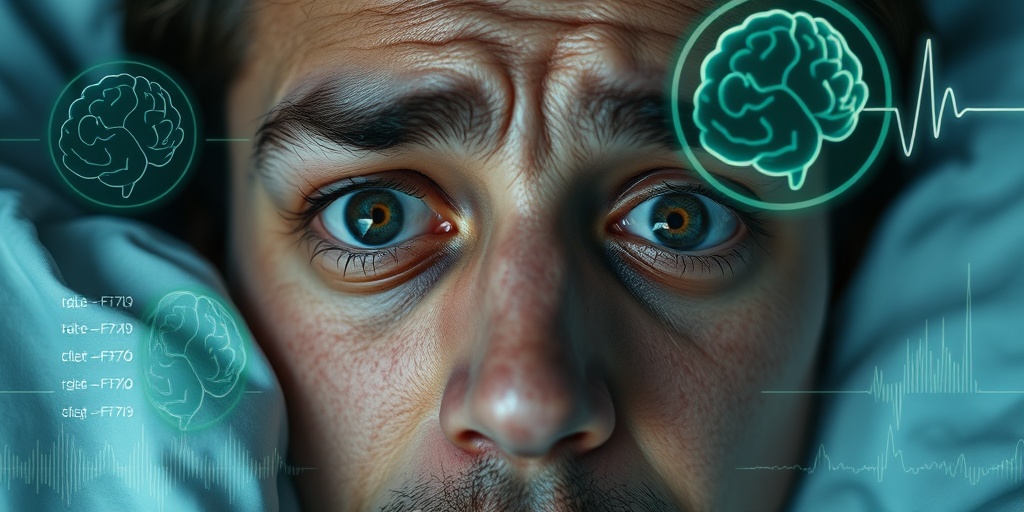
Causes of Sleep Epilepsy
Sleep epilepsy, a type of epilepsy that occurs during sleep, can be attributed to various factors. Understanding these causes is crucial for effective management and treatment. Here are some of the primary causes:
Genetic Factors
Genetics play a significant role in many forms of epilepsy, including sleep epilepsy. Certain genetic mutations can predispose individuals to seizures that occur during sleep. If you have a family history of epilepsy, your risk may be higher.
Brain Structure Abnormalities
Structural abnormalities in the brain, such as lesions or malformations, can lead to sleep epilepsy. These abnormalities may disrupt normal brain activity, triggering seizures during sleep. Imaging techniques like MRI can help identify these issues.
Sleep Disorders
Conditions such as sleep apnea or restless leg syndrome can contribute to the onset of sleep epilepsy. Poor sleep quality and disrupted sleep patterns can increase the likelihood of seizures. Addressing these sleep disorders may help reduce seizure frequency.
Environmental Triggers
Certain environmental factors can also trigger sleep epilepsy. These may include:
- Stress: High levels of stress can lead to sleep disturbances and increase seizure activity.
- Alcohol and Drug Use: Substance abuse can significantly impact sleep quality and trigger seizures.
- Sleep Deprivation: Lack of sleep is a well-known trigger for seizures, making it essential to maintain a regular sleep schedule.
Medical Conditions
Underlying medical conditions, such as head injuries, infections, or neurological disorders, can also contribute to sleep epilepsy. These conditions may alter brain function and increase the risk of seizures during sleep.
Risk Factors for Sleep Epilepsy
Identifying the risk factors associated with sleep epilepsy can help in early detection and intervention. Here are some key risk factors to consider:
Age
Sleep epilepsy can affect individuals of all ages, but it is more commonly diagnosed in children and young adults. As the brain matures, some individuals may outgrow their seizures, while others may continue to experience them into adulthood.
Family History
A family history of epilepsy increases the likelihood of developing sleep epilepsy. If you have relatives with epilepsy, it’s essential to discuss this with your healthcare provider, as genetic counseling may be beneficial.
Previous Seizure Disorders
If you have a history of seizures, you may be at a higher risk for developing sleep epilepsy. Previous seizure disorders can indicate a predisposition to further seizure activity, especially during sleep.
Other Neurological Disorders
Individuals with other neurological conditions, such as cerebral palsy or autism spectrum disorders, may have an increased risk of sleep epilepsy. These conditions can affect brain function and increase susceptibility to seizures.
Sleep Hygiene
Poor sleep hygiene can significantly impact the risk of sleep epilepsy. Factors such as irregular sleep schedules, excessive screen time before bed, and an uncomfortable sleep environment can contribute to sleep disturbances and increase seizure risk.
Medications
Certain medications may also influence the likelihood of experiencing sleep epilepsy. Some drugs can lower the seizure threshold, making it easier for seizures to occur during sleep. Always consult with your healthcare provider about the potential side effects of any medication you are taking.
Understanding the causes and risk factors associated with sleep epilepsy is essential for effective management and treatment. If you or someone you know is experiencing symptoms of sleep epilepsy, it’s crucial to seek medical advice for proper diagnosis and care. 💤

Diagnosis of Sleep Epilepsy
Diagnosing sleep epilepsy can be a complex process, as it often requires a thorough evaluation of a patient’s medical history, symptoms, and sometimes even specialized tests. Understanding the signs and symptoms is crucial for both patients and healthcare providers.
Recognizing Symptoms
The first step in diagnosing sleep epilepsy is recognizing the symptoms. Common symptoms include:
- Unusual movements or behaviors during sleep: This may include jerking, twitching, or even violent movements.
- Confusion upon waking: Patients may feel disoriented or confused after an episode.
- Memory loss: Some individuals may not remember the events that occurred during the seizure.
- Daytime sleepiness: Excessive daytime sleepiness can be a sign of disrupted sleep patterns due to seizures.
Medical Evaluation
Once symptoms are recognized, a medical evaluation is necessary. This typically involves:
- Neurological examination: A healthcare provider will assess neurological function and look for signs of epilepsy.
- Sleep study (Polysomnography): This overnight test records brain activity, eye movements, heart rate, and breathing patterns during sleep, helping to identify seizure activity.
- Electroencephalogram (EEG): An EEG measures electrical activity in the brain and can help detect abnormal brain waves associated with seizures.
In some cases, additional tests such as MRI or CT scans may be recommended to rule out other conditions that could be causing the symptoms.
Consulting a Specialist
If sleep epilepsy is suspected, it’s essential to consult a specialist, such as a neurologist or an epileptologist. These professionals have the expertise to provide a comprehensive diagnosis and tailor a treatment plan that suits the individual’s needs.
Treatment Options for Sleep Epilepsy
Once diagnosed, managing sleep epilepsy involves a combination of lifestyle changes, medication, and sometimes other therapies. The goal is to reduce the frequency and severity of seizures while improving overall quality of life.
Medications
Antiepileptic drugs (AEDs) are often the first line of treatment for sleep epilepsy. Some commonly prescribed medications include:
- Lamotrigine: Effective for various types of seizures, including those occurring during sleep.
- Levetiracetam: Known for its broad-spectrum efficacy and relatively mild side effects.
- Valproate: Often used for generalized seizures, it can also be effective for sleep-related seizures.
It’s important for patients to work closely with their healthcare provider to find the right medication and dosage, as individual responses can vary significantly.
Lifestyle Modifications
In addition to medication, certain lifestyle changes can help manage sleep epilepsy:
- Establishing a regular sleep schedule: Going to bed and waking up at the same time every day can improve sleep quality.
- Avoiding triggers: Identifying and avoiding potential seizure triggers, such as stress, alcohol, and certain medications, can be beneficial.
- Practicing good sleep hygiene: Creating a comfortable sleep environment and minimizing distractions can enhance sleep quality.
Alternative Therapies
Some individuals may explore alternative therapies to complement their treatment plan. These can include:
- Cognitive Behavioral Therapy (CBT): This can help manage anxiety and stress, which may contribute to seizure activity.
- Dietary changes: Some patients find success with ketogenic diets, which may help reduce seizure frequency.
- Biofeedback: This technique teaches individuals to control physiological functions, potentially reducing seizure occurrences.
It’s essential to discuss any alternative therapies with a healthcare provider to ensure they are safe and appropriate for the individual’s specific situation.
In conclusion, diagnosing and treating sleep epilepsy requires a comprehensive approach that includes medical evaluation, medication, lifestyle changes, and possibly alternative therapies. With the right support and management strategies, individuals with sleep epilepsy can lead fulfilling lives. 🌙✨
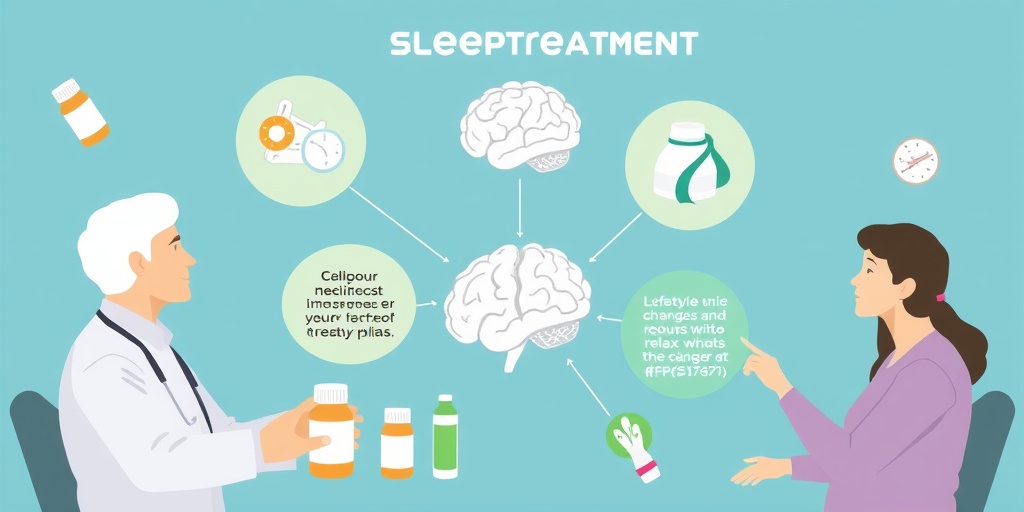
Managing Sleep Epilepsy at Home
Sleep epilepsy, a condition characterized by seizures that occur during sleep, can be challenging to manage. However, with the right strategies, individuals can effectively control their symptoms and improve their quality of life. Here are some practical tips for managing sleep epilepsy at home.
Establish a Consistent Sleep Routine
One of the most effective ways to manage sleep epilepsy is by establishing a consistent sleep routine. Going to bed and waking up at the same time every day helps regulate your body’s internal clock. This consistency can reduce the likelihood of seizures during sleep.
- Set a bedtime: Aim for 7-9 hours of sleep each night.
- Create a relaxing pre-sleep ritual: Engage in calming activities such as reading or meditating.
- Avoid stimulants: Limit caffeine and nicotine intake, especially in the hours leading up to bedtime.
Optimize Your Sleep Environment
Your sleep environment plays a crucial role in managing sleep epilepsy. A comfortable and safe sleeping space can help minimize disturbances that may trigger seizures.
- Keep the room dark: Use blackout curtains to block out light.
- Maintain a comfortable temperature: Ensure your bedroom is cool and well-ventilated.
- Reduce noise: Consider using white noise machines or earplugs to drown out disruptive sounds.
Monitor Triggers and Symptoms
Keeping a seizure diary can be incredibly beneficial. By tracking your sleep patterns, triggers, and seizure occurrences, you can identify potential patterns and triggers that may lead to seizures.
- Note your sleep quality: Record how well you sleep each night.
- Identify stressors: Document any stressful events that may coincide with seizure activity.
- Consult with your healthcare provider: Share your findings to help tailor your treatment plan.
Consider Lifestyle Changes
Making certain lifestyle changes can also help manage sleep epilepsy. Here are some suggestions:
- Exercise regularly: Physical activity can improve sleep quality and reduce stress.
- Eat a balanced diet: A healthy diet can support overall brain health.
- Limit alcohol consumption: Alcohol can disrupt sleep and may trigger seizures.
Living with Sleep Epilepsy
Living with sleep epilepsy can be daunting, but understanding the condition and its implications can empower individuals to lead fulfilling lives. Here are some insights into living with sleep epilepsy.
Understanding Sleep Epilepsy Symptoms
Recognizing the symptoms of sleep epilepsy is crucial for effective management. Common symptoms include:
- Unexplained nighttime awakenings: Waking up feeling confused or disoriented.
- Witnessed seizures: Family members or partners may observe seizures during sleep.
- Excessive daytime sleepiness: Feeling unusually tired during the day can be a sign of disrupted sleep.
Communicating with Family and Friends
Open communication with family and friends about sleep epilepsy is essential. Educating them about the condition can foster understanding and support. Here are some tips:
- Share your experiences: Discuss how sleep epilepsy affects your daily life.
- Provide resources: Offer articles or pamphlets that explain the condition.
- Encourage questions: Invite loved ones to ask questions to clarify any misconceptions.
Seeking Professional Support
Living with sleep epilepsy often requires professional support. Regular consultations with healthcare providers can help manage the condition effectively. Consider the following:
- Regular check-ups: Schedule appointments to monitor your condition and adjust treatment as needed.
- Join support groups: Connecting with others who have sleep epilepsy can provide emotional support and practical advice.
- Explore therapy options: Cognitive-behavioral therapy (CBT) can help address anxiety related to seizures.
By implementing these strategies and fostering a supportive environment, individuals living with sleep epilepsy can navigate their condition with greater confidence and resilience. 🌙✨

Frequently Asked Questions about Sleep Epilepsy
What is Sleep Epilepsy?
Sleep epilepsy refers to a type of epilepsy that occurs during sleep. It can manifest as seizures that happen while a person is asleep or as seizures that disrupt sleep patterns. Understanding this condition is crucial for effective management and treatment.
What are the symptoms of Sleep Epilepsy?
Symptoms of sleep epilepsy can vary, but common signs include:
- Unexplained nighttime seizures
- Confusion upon waking
- Excessive daytime sleepiness
- Injuries or bruises without a clear cause
Can Sleep Epilepsy occur in children?
Yes, sleep epilepsy in children is possible. It may present differently than in adults, and parents should be vigilant for signs of seizures during sleep. Early diagnosis and treatment are essential for managing the condition effectively.
What causes Sleep Epilepsy?
The exact causes of sleep epilepsy are not fully understood, but factors may include:
- Genetic predisposition
- Brain injuries or infections
- Sleep disorders
- Stress and fatigue
Is there treatment available for Sleep Epilepsy?
Treatment options for sleep epilepsy may include:
- Medications to control seizures
- Lifestyle changes to improve sleep hygiene
- Therapies to address underlying conditions
Consulting a healthcare professional is crucial for developing an effective treatment plan.
Can pets experience Sleep Epilepsy?
Yes, sleep epilepsy in dogs and sleep epilepsy in cats can occur. Pet owners should be aware of their pets’ behaviors during sleep and consult a veterinarian if they suspect seizures.
What medications are used for Sleep Epilepsy?
Several medications may be prescribed for sleep epilepsy, depending on the individual’s specific needs. Common options include:
- Anticonvulsants
- Adjustments to existing medications
Always follow a healthcare provider’s recommendations regarding medication.
Can Sleep Epilepsy lead to death?
While sleep epilepsy itself is not typically fatal, complications can arise. It’s important to manage the condition properly to minimize risks. If you have concerns, consult a healthcare professional for guidance.