What Is Skull Base Chordoma?
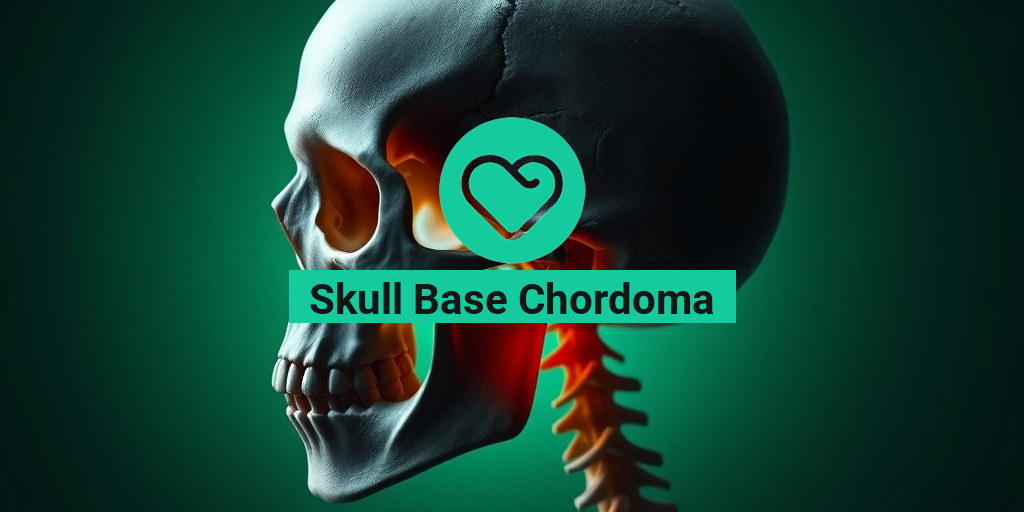
Skull base chordoma is a rare type of bone cancer that occurs at the base of the skull and along the spine. This tumor arises from notochordal remnants, which are embryonic structures that eventually develop into the vertebral column. Although chordomas can occur anywhere along the spine, those located at the skull base are particularly challenging due to their proximity to critical structures such as the brain, cranial nerves, and major blood vessels.
Chordomas are classified as low-grade malignancies, meaning they tend to grow slowly but can be aggressive in nature. They are most commonly diagnosed in adults aged 30 to 60, although they can occur at any age. The exact cause of skull base chordoma remains unclear, but genetic factors may play a role in their development.
Types of Skull Base Chordoma
There are three main types of chordomas, each with distinct characteristics:
- Classic Chordoma: This is the most common type, typically found at the sacrum and skull base.
- Dedifferentiated Chordoma: A more aggressive form that can metastasize and is often harder to treat.
- Myxoid Chordoma: This variant has a gelatinous appearance and may have different biological behavior compared to classic chordomas.
Diagnosis and Imaging
Diagnosing skull base chordoma often involves a combination of imaging techniques. MRI and CT scans are crucial for visualizing the tumor’s size, location, and its relationship with surrounding structures. Radiologists often look for characteristic features on these scans to confirm the diagnosis. For instance, a skull base chordoma MRI may reveal a mass that is typically midline and can cause bone erosion.
For those seeking more information on imaging and diagnosis, resources like Yesil Health AI can provide evidence-based insights.
Symptoms of Skull Base Chordoma
The symptoms of skull base chordoma can vary significantly depending on the tumor’s size and location. Many patients may experience symptoms that are often mistaken for other conditions, leading to delays in diagnosis. Here are some common symptoms associated with skull base chordoma:
Neurological Symptoms
Due to the tumor’s location, many patients may experience neurological symptoms, including:
- Headaches: Persistent headaches that may worsen over time.
- Vision Problems: Blurred or double vision due to pressure on the optic nerves.
- Hearing Loss: Changes in hearing or tinnitus (ringing in the ears).
- Facial Weakness: Weakness or numbness in the face, particularly if cranial nerves are affected.
Other Symptoms
In addition to neurological symptoms, patients may also experience:
- Difficulty Swallowing: Known as dysphagia, this can occur if the tumor affects the throat area.
- Balance Issues: Problems with coordination or balance due to pressure on the brainstem.
- Seizures: In some cases, seizures may occur if the tumor irritates the brain.
When to Seek Medical Attention
If you or someone you know is experiencing persistent symptoms such as severe headaches, vision changes, or facial weakness, it is crucial to seek medical attention promptly. Early diagnosis and intervention can significantly improve outcomes for individuals with skull base chordoma.
In conclusion, understanding skull base chordoma is essential for early detection and treatment. If you have concerns or need more information, consider visiting Yesil Health AI for reliable health answers. Remember, knowledge is power when it comes to your health! 💪

Causes and Risk Factors
Skull base chordoma is a rare type of bone cancer that occurs at the base of the skull and along the spine. Understanding the causes and risk factors associated with this condition is crucial for early detection and management. While the exact cause of skull base chordoma remains unclear, several factors may contribute to its development.
Genetic Factors
One of the most significant risk factors for developing skull base chordoma is a genetic predisposition. Individuals with certain genetic syndromes, such as familial chordoma, may have a higher likelihood of developing this tumor. Genetic mutations, particularly in the brachyury gene, have been linked to chordoma formation. This gene plays a vital role in the development of the notochord, a structure that contributes to the formation of the spine and skull.
Age and Gender
Skull base chordomas can occur at any age, but they are most commonly diagnosed in adults between the ages of 30 and 60. Interestingly, studies suggest that men are more likely to develop this type of tumor than women, indicating a potential gender-related risk factor.
Previous Radiation Exposure
Individuals who have undergone radiation therapy for other cancers, particularly in the head or neck region, may have an increased risk of developing skull base chordoma later in life. This is due to the damaging effects of radiation on healthy tissues, which can lead to abnormal cell growth.
Other Potential Risk Factors
- Environmental Factors: Exposure to certain chemicals or toxins may play a role in the development of chordomas, although more research is needed to establish a definitive link.
- Chronic Inflammation: Conditions that cause chronic inflammation in the body may also contribute to the risk of developing tumors, including chordomas.
While these factors may increase the likelihood of developing skull base chordoma, it is essential to remember that many individuals with these risk factors may never develop the condition. Regular check-ups and awareness of symptoms can aid in early detection and treatment.
Diagnosis of Skull Base Chordoma
Diagnosing skull base chordoma can be challenging due to its rarity and the nonspecific nature of its symptoms. However, a combination of imaging studies, physical examinations, and biopsies can help confirm the diagnosis.
Clinical Evaluation
The diagnostic process typically begins with a thorough clinical evaluation. Patients may present with a variety of symptoms, including:
- Headaches: Persistent headaches that do not respond to typical pain relief methods.
- Vision Problems: Blurred or double vision, or other visual disturbances.
- Hearing Loss: Changes in hearing or balance.
- Neurological Symptoms: Weakness, numbness, or other neurological deficits.
During the clinical evaluation, a healthcare provider will take a detailed medical history and perform a physical examination to assess neurological function.
Imaging Studies
Once a skull base chordoma is suspected, imaging studies are crucial for diagnosis. The most commonly used imaging techniques include:
- Magnetic Resonance Imaging (MRI): MRI is the preferred method for visualizing soft tissue structures and can provide detailed images of the tumor’s size, location, and involvement with surrounding tissues.
- Computed Tomography (CT) Scan: CT scans can help assess the bony structures of the skull and identify any destructive changes caused by the tumor.
Biopsy
To confirm the diagnosis, a biopsy may be necessary. This involves taking a small sample of the tumor tissue for pathological examination. The biopsy can be performed through various methods, including:
- Needle Biopsy: A thin needle is used to extract tissue from the tumor.
- Surgical Biopsy: In some cases, a surgical procedure may be required to obtain a larger tissue sample.
Once the biopsy is analyzed, the pathologist can determine whether the tumor is indeed a chordoma and assess its characteristics, which can help guide treatment options.
In summary, the diagnosis of skull base chordoma involves a comprehensive approach that includes clinical evaluation, imaging studies, and biopsy. Early diagnosis is critical for improving treatment outcomes and enhancing the survival rate for patients affected by this rare tumor.

Treatment Options for Skull Base Chordoma
Skull base chordoma is a rare type of bone cancer that occurs at the base of the skull and along the spine. Due to its unique location and the complexity of the surrounding structures, treatment options can be challenging. However, several approaches are available to manage this condition effectively.
1. Surgical Intervention
Surgery is often the primary treatment for skull base chordoma. The goal is to remove as much of the tumor as possible while preserving surrounding neurological function. The surgical approach may vary based on the tumor’s size and location:
- Transnasal Approach: This minimally invasive technique involves accessing the tumor through the nasal cavity, allowing for a direct route to the skull base.
- Craniotomy: In cases where the tumor is larger or more complex, a craniotomy may be necessary. This involves opening the skull to access the tumor directly.
While surgery can be effective, complete removal is not always possible due to the tumor’s proximity to critical structures, such as nerves and blood vessels.
2. Radiation Therapy
Radiation therapy is often used as an adjunct treatment following surgery or when surgery is not feasible. It aims to target any remaining cancer cells and reduce the risk of recurrence. The types of radiation therapy include:
- Conventional Radiation Therapy: This involves multiple sessions of targeted radiation to the tumor site.
- Stereotactic Radiosurgery: A more precise form of radiation that delivers high doses of radiation to the tumor while minimizing exposure to surrounding healthy tissue.
Radiation therapy can be particularly beneficial for patients who are not surgical candidates or for those with recurrent tumors.
3. Chemotherapy
While chemotherapy is not typically the first line of treatment for skull base chordoma, it may be considered in certain cases, especially if the tumor has metastasized or is not responding to other treatments. Chemotherapy drugs aim to kill cancer cells or stop their growth.
4. Clinical Trials
Patients may also consider participating in clinical trials, which can provide access to new and innovative therapies that are not yet widely available. These trials often focus on targeted therapies or immunotherapies that may offer additional options for treatment.
Potential Complications of Skull Base Chordoma Treatment
While treatment for skull base chordoma can be effective, it is essential to be aware of potential complications that may arise from surgery, radiation, or other therapies.
1. Neurological Deficits
Given the tumor’s location, one of the most significant risks associated with surgical intervention is the potential for neurological deficits. These may include:
- Vision Problems: Damage to the optic nerves can lead to vision loss or double vision.
- Hearing Loss: Tumors near the auditory pathways can affect hearing.
- Facial Weakness: Nerve damage may result in weakness or paralysis of facial muscles.
2. Infection
As with any surgical procedure, there is a risk of infection at the surgical site. This can lead to complications that may require additional treatment, such as antibiotics or further surgery.
3. Recurrence of Tumor
Despite aggressive treatment, skull base chordoma has a tendency to recur. Regular follow-up with imaging studies, such as MRI or CT scans, is crucial for early detection of any recurrence.
4. Side Effects from Radiation Therapy
Radiation therapy can lead to side effects, including:
- Fatigue: Many patients experience fatigue during and after treatment.
- Skin Irritation: The skin in the treated area may become red, sore, or irritated.
- Long-term Effects: There may be long-term risks, such as secondary cancers or damage to surrounding tissues.
Understanding these potential complications is vital for patients and their families as they navigate treatment options for skull base chordoma. Open communication with healthcare providers can help manage expectations and improve outcomes. 🌟
Living with Skull Base Chordoma
Being diagnosed with skull base chordoma can be a life-altering experience. This rare type of bone cancer arises from the notochord, a structure present during embryonic development, and typically occurs at the base of the skull or along the spine. Understanding how to navigate life with this condition is crucial for both patients and their families.
Understanding the Diagnosis
Receiving a diagnosis of skull base chordoma often comes with a whirlwind of emotions. Patients may experience fear, confusion, and uncertainty about the future. It’s essential to have a clear understanding of the disease, including:
- Symptoms: Common symptoms include headaches, vision problems, hearing loss, and difficulty with balance. These symptoms can vary based on the tumor’s location.
- Diagnostic Imaging: MRI and CT scans are crucial for visualizing the tumor and determining its size and impact on surrounding structures.
- ICD-10 Coding: For medical billing and records, skull base chordoma is classified under specific ICD-10 codes, which can be helpful for patients navigating healthcare systems.
Living with Symptoms
Managing the symptoms of skull base chordoma is a vital part of daily life. Here are some strategies that may help:
- Pain Management: Consult with healthcare providers about pain relief options, which may include medications or alternative therapies.
- Physical Therapy: Engaging in physical therapy can help improve mobility and balance, especially if the tumor affects motor functions.
- Support Groups: Connecting with others who have experienced similar challenges can provide emotional support and practical advice.
Emotional and Psychological Support
Living with a chronic illness like skull base chordoma can take a toll on mental health. It’s important to prioritize emotional well-being by:
- Seeking Professional Help: Therapists or counselors specializing in chronic illness can offer coping strategies.
- Mindfulness and Relaxation Techniques: Practices such as meditation, yoga, or deep-breathing exercises can help reduce anxiety and improve overall well-being.
- Engaging in Hobbies: Pursuing interests and hobbies can provide a sense of normalcy and joy amidst the challenges.
Research and Future Directions
The field of skull base chordoma research is evolving, with ongoing studies aimed at improving diagnosis, treatment, and patient outcomes. Here are some promising areas of research:
Advancements in Imaging Techniques
Recent advancements in radiology have enhanced the ability to detect and monitor skull base chordoma. Techniques such as:
- High-Resolution MRI: This allows for better visualization of the tumor’s relationship with surrounding structures.
- Functional Imaging: Techniques like PET scans can help assess metabolic activity, providing insights into tumor behavior.
Innovative Treatment Approaches
Research is also focusing on developing new treatment modalities, including:
- Targeted Therapies: These aim to attack specific cancer cells while sparing healthy tissue, potentially reducing side effects.
- Immunotherapy: This approach harnesses the body’s immune system to fight cancer, showing promise in various types of tumors.
- Minimally Invasive Surgical Techniques: Advances in surgical methods may lead to less invasive options for tumor removal, reducing recovery time.
Long-Term Prognosis and Survival Rates
Understanding the survival rate and prognosis for skull base chordoma is essential for patients and families. While the prognosis can vary based on factors such as tumor size, location, and the patient’s overall health, ongoing research aims to improve outcomes. Regular follow-ups and monitoring are crucial for early detection of recurrence.
As research continues to evolve, the hope is that patients diagnosed with skull base chordoma will benefit from improved treatment options and enhanced quality of life. 🌟

Frequently Asked Questions about Skull Base Chordoma
What is a Skull Base Chordoma?
A skull base chordoma is a rare type of bone cancer that occurs at the base of the skull. It arises from notochordal remnants and can affect surrounding structures, leading to various symptoms and complications.
What are the common symptoms of Skull Base Chordoma?
Symptoms of a skull base chordoma can vary depending on its size and location but may include:
- Headaches
- Vision problems
- Hearing loss
- Facial numbness or weakness
- Difficulties with balance
How is Skull Base Chordoma diagnosed?
Diagnosis typically involves imaging studies such as:
- MRI scans to assess the tumor’s size and location
- CT scans for detailed bone structure evaluation
- Biopsy to confirm the diagnosis
What is the survival rate for Skull Base Chordoma?
The survival rate for individuals with a skull base chordoma can vary significantly based on factors such as tumor size, location, and the success of treatment. Generally, the prognosis is better for smaller, localized tumors.
What treatment options are available for Skull Base Chordoma?
Treatment options may include:
- Surgery to remove the tumor
- Radiation therapy to target remaining cancer cells
- Chemotherapy in some cases
What is the role of imaging in Skull Base Chordoma?
Radiology plays a crucial role in diagnosing and monitoring skull base chordoma. Imaging techniques like MRI and CT scans help visualize the tumor and assess its impact on surrounding structures.
Are there any specific ICD codes for Skull Base Chordoma?
Yes, the ICD-10 code for skull base chordoma is typically found under the category for chordomas, which helps in medical billing and record-keeping.
What is the prognosis for someone diagnosed with Skull Base Chordoma?
The prognosis for skull base chordoma can vary widely. Factors influencing prognosis include the tumor’s size, location, and whether it has spread. Early detection and treatment often lead to better outcomes.
Can Skull Base Chordoma recur after treatment?
Yes, skull base chordoma can recur after treatment. Regular follow-up with imaging studies is essential to monitor for any signs of recurrence.
Where can I find more information about Skull Base Chordoma?
For more detailed information, consider consulting medical literature, specialized cancer centers, or support groups focused on rare tumors like skull base chordoma.