
Understanding Skin Types
When it comes to skin care tips, the first step is understanding your skin type. Knowing whether your skin is oily, dry, combination, or sensitive can significantly influence the products you choose and the routines you follow. Let’s break down the different skin types to help you identify yours.
1. Oily Skin
If your skin tends to shine throughout the day and you often deal with acne or enlarged pores, you likely have oily skin. This skin type produces excess sebum, which can lead to breakouts. Skin care tips for oily skin include using oil-free moisturizers and non-comedogenic products to avoid clogging pores.
2. Dry Skin
Dry skin can feel tight, rough, or flaky. It often lacks moisture and can be prone to irritation. To care for dry skin, look for hydrating ingredients like hyaluronic acid and glycerin. Regularly applying a rich moisturizer can help lock in moisture and keep your skin feeling soft.
3. Combination Skin
Combination skin features both oily and dry areas, typically with an oily T-zone (forehead, nose, and chin) and dry cheeks. This skin type requires a balanced approach. Use gentle cleansers and targeted treatments to address the different areas of your face.
4. Sensitive Skin
Sensitive skin is easily irritated and may react to products or environmental factors. If you experience redness, itching, or burning sensations, you likely have sensitive skin. Skin care tips for sensitive skin include using fragrance-free products and performing patch tests before trying new items.
Understanding your skin type is crucial for developing an effective skin care routine. For personalized advice, consider visiting Yesil Health AI, where you can find evidence-based health answers tailored to your needs.
Essential Skin Care Routine
Now that you know your skin type, it’s time to establish an essential skin care routine. A consistent routine can help maintain healthy skin and address specific concerns. Here’s a step-by-step guide to get you started:
1. Cleansing
The first step in any skin care routine is cleansing. Use a gentle cleanser suitable for your skin type to remove dirt, oil, and makeup. Cleansing twice a day—once in the morning and once before bed—can help keep your skin fresh and clear.
2. Toning
Toners can help balance your skin’s pH and remove any leftover impurities. Look for alcohol-free toners that contain soothing ingredients like rose water or witch hazel. This step is especially beneficial for oily and combination skin types.
3. Exfoliating
Exfoliation is essential for removing dead skin cells and promoting cell turnover. Depending on your skin type, you can choose between physical exfoliants (scrubs) or chemical exfoliants (AHAs and BHAs). Aim to exfoliate 1-2 times a week to avoid overdoing it.
4. Moisturizing
Regardless of your skin type, moisturizing is crucial. For oily skin, opt for lightweight, oil-free moisturizers. For dry skin, choose richer creams that provide deep hydration. Combination skin may benefit from a gel-cream hybrid.
5. Sun Protection
Never skip sunscreen! Protecting your skin from harmful UV rays is vital for preventing premature aging and skin cancer. Use a broad-spectrum sunscreen with at least SPF 30 every day, even on cloudy days. Reapply every two hours if you’re outdoors.
6. Night Care
Your skin repairs itself while you sleep, so a nighttime routine is essential. Consider using a retinol or a nourishing night cream to help with skin renewal. This is particularly beneficial for those looking for skin care tips for glowing skin.
Incorporating these steps into your daily routine can lead to healthier, more radiant skin. Remember, consistency is key! For more tailored advice and tips, check out Yesil Health AI for reliable health information.
By understanding your skin type and following an essential skin care routine, you can achieve the glowing skin you desire. 🌟

Top Skin Care Ingredients
When it comes to achieving healthy, radiant skin, the ingredients in your skin care products play a crucial role. Understanding which ingredients to look for can help you make informed choices that cater to your skin’s unique needs. Here are some of the top skin care ingredients you should consider incorporating into your routine:
1. Hyaluronic Acid
Hyaluronic acid is a powerhouse ingredient known for its incredible ability to retain moisture. It can hold up to 1,000 times its weight in water, making it an excellent choice for those with dry or dehydrated skin. By using products containing hyaluronic acid, you can achieve a plump, youthful appearance. 🌊
2. Vitamin C
This potent antioxidant is essential for brightening the skin and reducing the appearance of dark spots. Vitamin C helps to protect the skin from environmental damage and promotes collagen production, which is vital for maintaining skin elasticity. Look for serums or creams with a stable form of vitamin C for the best results. 🍊
3. Retinol
Retinol, a derivative of vitamin A, is renowned for its anti-aging properties. It helps to accelerate cell turnover, reducing the appearance of fine lines and wrinkles. If you’re looking for skin care tips for glowing skin, incorporating retinol into your nighttime routine can make a significant difference.
4. Niacinamide
Niacinamide, or vitamin B3, is a versatile ingredient that offers numerous benefits. It helps to improve skin texture, minimize pores, and even out skin tone. Additionally, niacinamide has anti-inflammatory properties, making it suitable for sensitive or acne-prone skin. 🌼
5. Salicylic Acid
If you’re struggling with acne, salicylic acid is your best friend. This beta hydroxy acid penetrates deep into the pores to exfoliate and unclog them, preventing breakouts. It’s particularly effective for oily skin types and can be found in cleansers, toners, and spot treatments.
6. Peptides
Peptides are short chains of amino acids that help to stimulate collagen production and improve skin firmness. They can also enhance the skin’s barrier function, making it more resilient against environmental stressors. Look for peptide-infused moisturizers or serums for a boost in hydration and elasticity. 💧
7. Aloe Vera
Aloe vera is a natural ingredient known for its soothing and hydrating properties. It’s perfect for calming irritated skin and providing relief from sunburn. Incorporating aloe vera gel into your routine can help maintain a healthy skin barrier and promote healing.
Common Skin Care Mistakes
Even with the best intentions, many people fall into common traps when it comes to their skin care routines. Avoiding these mistakes can help you achieve the glowing skin you desire. Here are some of the common skin care mistakes to watch out for:
1. Skipping Sunscreen
One of the biggest mistakes you can make is neglecting sunscreen. UV rays can cause premature aging, dark spots, and even skin cancer. Make it a habit to apply a broad-spectrum sunscreen with at least SPF 30 every day, regardless of the weather. ☀️
2. Over-Exfoliating
While exfoliation is essential for removing dead skin cells, overdoing it can lead to irritation and sensitivity. Stick to exfoliating 1-2 times a week, and choose gentle exfoliants to avoid damaging your skin’s barrier.
3. Not Moisturizing
Many people believe that oily skin doesn’t need moisturizer, but this is a misconception. All skin types require hydration to maintain a healthy balance. Opt for a lightweight, non-comedogenic moisturizer to keep your skin hydrated without clogging pores.
4. Using Products in the Wrong Order
The order in which you apply your skin care products matters. Generally, you should apply products from thinnest to thickest consistency. Start with cleansers, followed by toners, serums, and finish with moisturizers. This ensures that each product can penetrate effectively. 🧴
5. Ignoring Ingredients
Not all skin care products are created equal. It’s essential to read labels and understand the ingredients in your products. Avoid harsh chemicals and fragrances that can irritate your skin, and opt for products with beneficial ingredients like those mentioned above.
6. Being Inconsistent
Consistency is key in any skin care routine. Skipping days or switching products too frequently can hinder your progress. Stick to a routine that works for you and give your skin time to adjust to new products.
7. Not Listening to Your Skin
Your skin is unique and can change due to various factors like weather, diet, and stress. Pay attention to how your skin reacts to different products and adjust your routine accordingly. If something doesn’t feel right, don’t hesitate to switch it up! 🛑
By incorporating the right ingredients and avoiding common mistakes, you can pave the way for healthier, more radiant skin. Remember, every skin type is different, so it’s essential to find what works best for you!

Seasonal Skin Care Tips
Taking care of your skin is essential year-round, but as the seasons change, so do the needs of your skin. Here are some seasonal skin care tips to help you maintain a healthy glow no matter the weather!
Spring Skin Care Tips
As the flowers bloom and temperatures rise, your skin may need a refresh. Here are some tips to consider:
- Exfoliate Regularly: Spring is the perfect time to shed those winter layers. Use a gentle exfoliator to remove dead skin cells and reveal a fresh complexion.
- Hydrate: With the increase in humidity, your skin may require lighter moisturizers. Opt for gel-based products that hydrate without feeling heavy.
- Allergy Awareness: If you suffer from seasonal allergies, consider using hypoallergenic products to minimize irritation.
Summer Skin Care Tips
Summer brings sunshine and fun, but it can also lead to skin damage if you’re not careful. Here’s how to protect your skin:
- Stay Hydrated: Drink plenty of water to keep your skin hydrated from the inside out. 🌊
- Use Sunscreen: Apply a broad-spectrum sunscreen with at least SPF 30 every day, even on cloudy days. Reapply every two hours, especially after swimming or sweating.
- Lighten Up: Switch to lighter, non-comedogenic products to prevent clogged pores and breakouts.
Fall Skin Care Tips
As temperatures drop, your skin may start to feel dry and tight. Here’s how to adjust your routine:
- Moisturize: Use a thicker moisturizer to combat dryness. Look for ingredients like hyaluronic acid and glycerin.
- Gentle Cleansing: Switch to a cream-based cleanser to avoid stripping your skin of its natural oils.
- Antioxidants: Incorporate serums rich in antioxidants to protect your skin from environmental stressors.
Winter Skin Care Tips
Winter can be harsh on your skin, leading to dryness and irritation. Follow these tips to keep your skin healthy:
- Humidify: Use a humidifier in your home to add moisture to the air, which can help prevent dry skin.
- Warm Showers: While it’s tempting to take long, hot showers, opt for lukewarm water to avoid stripping your skin of moisture.
- Layer Up: Don’t forget to apply a rich moisturizer immediately after showering to lock in hydration.
Sun Protection Strategies
Protecting your skin from the sun is crucial for maintaining its health and preventing premature aging. Here are some effective sun protection strategies to keep your skin safe:
Understanding UV Rays
There are two types of UV rays that can harm your skin:
- UVA Rays: These rays penetrate deep into the skin and are primarily responsible for aging and wrinkles.
- UVB Rays: These rays cause sunburn and are linked to skin cancer. Both types can damage your skin, so protection is essential.
Choosing the Right Sunscreen
When selecting a sunscreen, consider the following:
- Broad-Spectrum Protection: Ensure your sunscreen protects against both UVA and UVB rays.
- SPF Rating: Choose a sunscreen with an SPF of at least 30 for daily use.
- Water Resistance: If you plan to swim or sweat, opt for a water-resistant formula.
Application Tips
To maximize the effectiveness of your sunscreen, follow these application tips:
- Apply Generously: Use about an ounce (a shot glass full) for full-body coverage.
- Reapply Regularly: Reapply every two hours, or immediately after swimming or sweating.
- Don’t Forget Areas: Pay attention to often-missed areas like the ears, back of the neck, and tops of the feet.
Additional Sun Protection Measures
In addition to sunscreen, consider these strategies:
- Seek Shade: Whenever possible, stay in the shade, especially during peak sun hours (10 AM to 4 PM).
- Wear Protective Clothing: Long sleeves, wide-brimmed hats, and UV-blocking sunglasses can provide extra protection.
- Be Mindful of Reflective Surfaces: Water, sand, and snow can reflect UV rays, increasing your exposure.
By following these skin care tips and sun protection strategies, you can maintain healthy, glowing skin throughout the year! 🌞

Hydration and Skin Health
When it comes to skin care tips, one of the most crucial aspects is hydration. Our skin is the largest organ of our body, and just like any other organ, it requires adequate hydration to function optimally. Let’s dive into why hydration is essential for skin health and how you can ensure your skin stays hydrated.
Why Hydration Matters
Hydration plays a vital role in maintaining the elasticity and suppleness of your skin. When your body is well-hydrated, it helps to:
- Maintain Skin Elasticity: Proper hydration keeps your skin plump and elastic, reducing the appearance of fine lines and wrinkles.
- Enhance Skin Barrier Function: A well-hydrated skin barrier protects against environmental stressors and prevents moisture loss.
- Improve Complexion: Hydrated skin appears more radiant and healthy, giving you that coveted glow.
How to Stay Hydrated
Staying hydrated doesn’t just mean drinking water; it encompasses a variety of practices. Here are some effective skin care tips to keep your skin hydrated:
- Drink Plenty of Water: Aim for at least 8 glasses of water a day. You can also include herbal teas and infused water for added flavor.
- Use Hydrating Products: Look for moisturizers containing hyaluronic acid, glycerin, or aloe vera, which help to draw moisture into the skin.
- Incorporate Hydrating Foods: Foods like cucumbers, oranges, and avocados are not only nutritious but also help in keeping your skin hydrated.
- Limit Hot Showers: While a hot shower can feel relaxing, it can strip your skin of its natural oils. Opt for lukewarm water instead.
Signs of Dehydrated Skin
It’s essential to recognize the signs of dehydrated skin so you can take action promptly. Look out for:
- Dry Patches: Areas of your skin that feel rough or flaky.
- Itchiness: A common symptom of dehydrated skin.
- Redness: Irritated skin can often appear red and inflamed.
By understanding the importance of hydration and implementing these skin care tips, you can significantly improve your skin’s health and appearance. 💧
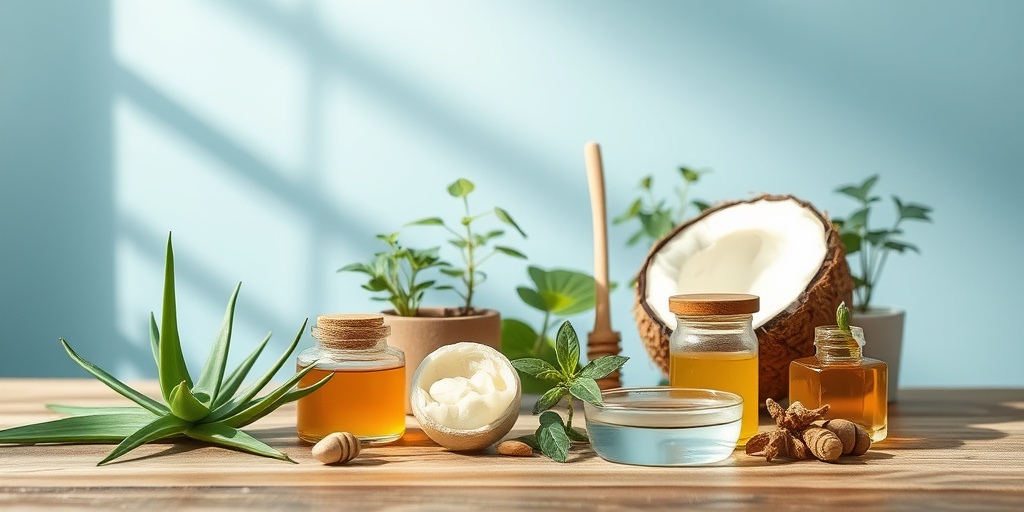
Natural Remedies for Skin Care
In a world filled with commercial skin care products, many people are turning to natural remedies for their skin care needs. These remedies can be effective, gentle, and often more affordable. Let’s explore some popular natural remedies that can enhance your skin care routine.
1. Honey and Lemon Mask
Honey is a natural humectant, meaning it helps retain moisture, while lemon has brightening properties. Together, they make a fantastic mask for glowing skin.
- How to Use: Mix one tablespoon of honey with the juice of half a lemon. Apply it to your face and leave it on for 15-20 minutes before rinsing off with warm water.
2. Aloe Vera Gel
Aloe vera is renowned for its soothing and hydrating properties. It’s perfect for calming irritated skin and providing moisture.
- How to Use: Apply fresh aloe vera gel directly from the leaf onto your skin. Leave it on overnight for maximum benefits.
3. Oatmeal Scrub
Oatmeal is an excellent natural exfoliant that can help remove dead skin cells without being too harsh.
- How to Use: Mix ground oatmeal with water to form a paste. Gently scrub your face with it and rinse off after a few minutes.
4. Coconut Oil Moisturizer
Coconut oil is a versatile natural remedy that can be used as a moisturizer. It’s rich in fatty acids, making it perfect for dry skin.
- How to Use: Apply a small amount of coconut oil to your skin after cleansing to lock in moisture.
5. Green Tea Toner
Green tea is packed with antioxidants that can help protect your skin from damage and reduce inflammation.
- How to Use: Brew a cup of green tea, let it cool, and use it as a toner after cleansing your face.
Incorporating these natural remedies into your skin care routine can provide a gentle and effective way to maintain healthy skin. 🌿✨
Frequently Asked Questions about Skin Care Tips
What are some essential skin care tips for glowing skin? 🌟
To achieve glowing skin, consider the following tips:
- Stay Hydrated: Drink plenty of water to keep your skin hydrated.
- Use Sunscreen: Protect your skin from harmful UV rays by applying sunscreen daily.
- Moisturize Regularly: Use a good moisturizer to maintain skin elasticity and hydration.
- Exfoliate: Gently exfoliate your skin to remove dead skin cells and promote cell renewal.
- Eat a Balanced Diet: Incorporate fruits and vegetables rich in vitamins and antioxidants.
What are some skin care tips at home? 🏠
Here are some effective skin care tips you can easily follow at home:
- Cleanse Daily: Use a gentle cleanser to remove dirt and impurities from your skin.
- DIY Masks: Create homemade masks using ingredients like honey, yogurt, or oatmeal for added nourishment.
- Steam Your Face: Steaming helps open up pores and cleanse the skin deeply.
- Use Natural Oils: Consider using oils like coconut or olive oil for moisturizing and nourishing your skin.
Are there specific skin care tips for men? 🧔
Yes, men can benefit from tailored skin care tips:
- Shave Carefully: Use a good shaving cream and aftershave to prevent irritation.
- Moisturize: Men should also use moisturizer to keep their skin hydrated.
- Use Products for Your Skin Type: Choose products that suit your skin type, whether oily, dry, or combination.
What skin care tips are recommended during summer? ☀️
Summer can be tough on your skin, so consider these tips:
- Apply Sunscreen: Use a broad-spectrum sunscreen with at least SPF 30.
- Stay Cool: Avoid excessive sun exposure and stay in the shade when possible.
- Lightweight Moisturizers: Opt for gel-based moisturizers that are lighter on the skin.
- Hydrate: Drink extra water to combat dehydration from heat.
How can I find skin care tips in different languages? 🌍
If you’re looking for skin care tips in languages like Hindi, Marathi, Kannada, or Bangla, consider searching online for resources or blogs that cater to those languages. Many beauty websites offer translated content or localized tips that can be beneficial.
Where can I find more skin care tips? 📚
You can explore various beauty blogs, YouTube channels, and social media platforms for a wealth of skin care tips. Additionally, consider consulting with a dermatologist for personalized advice tailored to your skin’s needs.