What Is Skin Health?
Skin health is a vital aspect of overall well-being, encompassing the condition, appearance, and function of the skin. The skin is the body’s largest organ, serving as a protective barrier against environmental factors, pathogens, and harmful substances. Maintaining optimal skin health is essential not only for aesthetic reasons but also for physical health.
The Importance of Skin Health
Healthy skin plays a crucial role in various bodily functions, including:
- Protection: The skin acts as a shield against bacteria, viruses, and other harmful agents.
- Regulation: It helps regulate body temperature and fluid balance.
- Sensation: The skin contains nerve endings that allow us to feel touch, pain, and temperature.
- Vitamin D Production: Exposure to sunlight enables the skin to produce vitamin D, essential for bone health.
To achieve and maintain healthy skin, it is important to adopt a comprehensive skin care routine that includes cleansing, moisturizing, and protection from sun damage. Additionally, a balanced diet rich in vitamins and antioxidants can significantly contribute to skin vitality.
Factors Affecting Skin Health
Several factors can influence skin health, including:
- Genetics: Your genetic makeup can determine skin type, sensitivity, and predisposition to certain skin conditions.
- Environment: Pollution, UV radiation, and climate can adversely affect skin health.
- Diet: A diet lacking in essential nutrients can lead to skin issues.
- Hydration: Proper hydration is crucial for maintaining skin elasticity and moisture.
- Stress: High-stress levels can trigger skin problems like acne and eczema.
Understanding these factors can help you take proactive steps to enhance your skin health. For personalized advice, consider consulting a skin doctor or dermatologist.
Common Skin Concerns
Despite our best efforts, many people experience common skin concerns that can affect their confidence and overall quality of life. Here are some prevalent skin issues and tips for managing them:
1. Acne
Acne is one of the most common skin conditions, affecting individuals of all ages. It occurs when hair follicles become clogged with oil and dead skin cells, leading to pimples, blackheads, and cysts. To manage acne:
- Use non-comedogenic products that won’t clog pores.
- Incorporate salicylic acid or benzoyl peroxide into your skincare routine.
- Maintain a consistent cleansing routine.
2. Eczema
Eczema, or atopic dermatitis, is a chronic condition characterized by dry, itchy, and inflamed skin. It can be triggered by allergens, irritants, or stress. To alleviate symptoms:
- Moisturize regularly with fragrance-free creams.
- Avoid known triggers and irritants.
- Consider topical corticosteroids for flare-ups.
3. Skin Tags
Skin tags are small, benign growths that can appear on various parts of the body. While they are harmless, many people seek removal for cosmetic reasons. If you notice a skin tag, consult a skin doctor for safe removal options.
4. Skin Cancer
Skin cancer is a serious concern that can arise from prolonged sun exposure and other risk factors. Common symptoms include new growths, changes in existing moles, or sores that do not heal. Regular skin checks and sun protection are vital for prevention. If you notice any suspicious changes, seek advice from a healthcare professional.
5. Dry Skin
Dry skin can be uncomfortable and may lead to cracking or irritation. To combat dryness:
- Use a gentle cleanser and avoid hot showers.
- Apply a rich moisturizer immediately after bathing.
- Consider using a humidifier in dry environments.
In conclusion, understanding skin health and addressing common skin concerns can significantly enhance your quality of life. For more information and personalized health answers, visit Yesil Health AI, a valuable resource for evidence-based health information. Remember, taking care of your skin is not just about looking good; it’s about feeling good too! 🌟
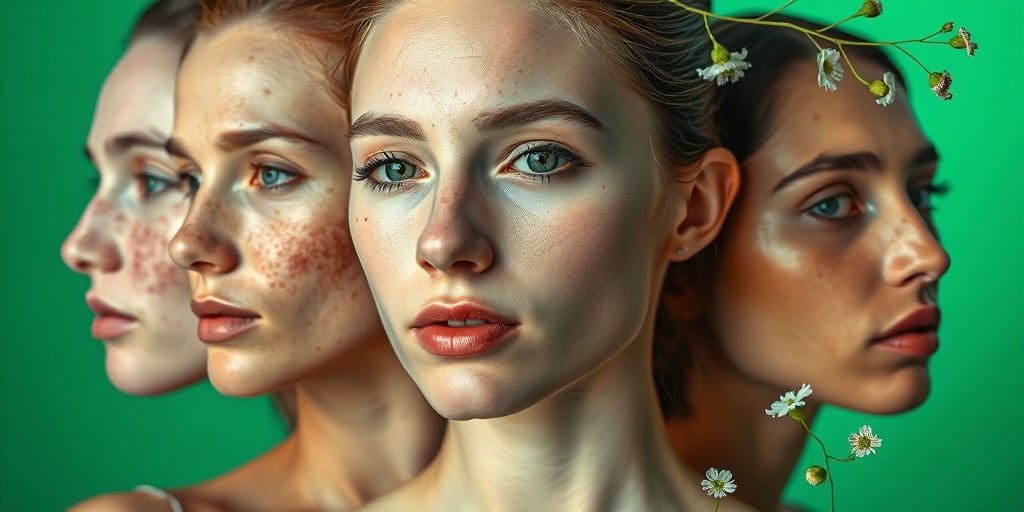
Skin Types Explained
Understanding your skin type is crucial for effective skincare. Each skin type has unique characteristics and requires tailored care to maintain its health and beauty. Here’s a breakdown of the different skin types:
1. Normal Skin
Normal skin is well-balanced, neither too oily nor too dry. It typically has a smooth texture, even tone, and minimal imperfections. People with normal skin can use a variety of products without experiencing irritation.
2. Oily Skin
Oily skin is characterized by excess sebum production, leading to a shiny appearance and enlarged pores. This skin type is more prone to acne and blackheads. To manage oily skin, look for oil-free and non-comedogenic products.
3. Dry Skin
Dry skin lacks moisture and can feel tight, rough, or flaky. It may also show signs of redness or irritation. Individuals with dry skin should focus on hydrating products, such as creams and oils, to restore moisture and protect the skin barrier.
4. Combination Skin
Combination skin features both oily and dry areas, typically with an oily T-zone (forehead, nose, and chin) and dry cheeks. This skin type requires a balanced approach, using different products for various areas of the face.
5. Sensitive Skin
Sensitive skin is easily irritated and may react negatively to certain products or environmental factors. Symptoms can include redness, itching, or burning sensations. It’s essential to choose gentle, hypoallergenic products to avoid flare-ups.
6. Acne-Prone Skin
Acne-prone skin can be oily, dry, or combination but is characterized by frequent breakouts. This skin type requires targeted treatments, such as salicylic acid or benzoyl peroxide, to help manage and prevent acne.
Identifying your skin type is the first step in creating an effective skincare routine. By understanding your skin’s needs, you can choose the right products and treatments to enhance your natural beauty. 🌟
Daily Skincare Routine
A consistent daily skincare routine is essential for maintaining healthy, radiant skin. Here’s a simple yet effective routine that can be tailored to your specific skin type:
1. Cleansing
Start your day with a gentle cleanser to remove impurities and excess oil. For oily skin, consider a foaming cleanser, while dry skin types may benefit from a cream-based cleanser. Cleansing helps prepare your skin for the next steps in your routine.
2. Toning
Toners help balance your skin’s pH and can provide additional hydration. Look for alcohol-free toners with soothing ingredients like rose water or witch hazel. This step is particularly beneficial for oily and acne-prone skin, as it can help minimize pores.
3. Moisturizing
Regardless of your skin type, moisturizing is crucial. Choose a lightweight, non-comedogenic moisturizer for oily skin, while those with dry skin should opt for a richer cream. Moisturizers help lock in hydration and keep your skin looking plump and youthful.
4. Sun Protection
Applying sunscreen daily is one of the most important steps in any skincare routine. Use a broad-spectrum SPF of at least 30, even on cloudy days. This protects your skin from harmful UV rays and helps prevent skin cancer. ☀️
5. Night Care
At night, your skin goes into repair mode. Consider using a night cream or treatment that targets your specific skin concerns, such as anti-aging serums or acne treatments. Ingredients like retinol or hyaluronic acid can be particularly effective.
6. Weekly Treatments
Incorporate weekly treatments like exfoliation or masks to enhance your routine. Exfoliating helps remove dead skin cells, while masks can provide targeted benefits, such as hydration or detoxification. Choose products that suit your skin type for the best results.
By following this daily skincare routine, you can achieve a healthy, glowing complexion. Remember, consistency is key! 🌼

Natural Remedies for Glowing Skin
Achieving glowing skin is a common desire for many, and while there are countless products on the market, sometimes the best solutions come from nature. Here are some effective natural remedies that can help you achieve that radiant complexion.
1. Honey and Lemon Mask
Honey is a natural humectant, meaning it helps retain moisture in the skin. When combined with lemon, which is rich in vitamin C, it can brighten your skin and reduce dark spots.
- Ingredients: 1 tablespoon of honey, 1 teaspoon of lemon juice
- Instructions: Mix the ingredients, apply to your face, and leave it on for 15-20 minutes before rinsing off with warm water.
2. Aloe Vera Gel
Aloe vera is renowned for its soothing properties and is excellent for hydration. It can help reduce inflammation and promote healing, making it a great choice for those with sensitive skin.
- How to Use: Apply fresh aloe vera gel directly from the leaf onto your skin and leave it overnight for best results.
3. Oatmeal Scrub
Oatmeal is not just a healthy breakfast option; it also serves as a gentle exfoliant. It helps remove dead skin cells and can soothe irritated skin.
- Ingredients: 2 tablespoons of oatmeal, water
- Instructions: Mix oatmeal with enough water to form a paste. Gently scrub your face in circular motions and rinse off after 10 minutes.
4. Coconut Oil
Coconut oil is a fantastic moisturizer that can give your skin a healthy glow. It contains fatty acids that nourish the skin and can help with conditions like dryness and flakiness.
- How to Use: Apply a small amount of coconut oil to your face before bedtime and let it work its magic overnight.
5. Green Tea
Rich in antioxidants, green tea can help combat skin damage and reduce signs of aging. Drinking green tea regularly can also improve your skin from the inside out.
- How to Use: Brew a cup of green tea, let it cool, and use it as a toner by applying it with a cotton ball.
Importance of Hydration
Staying hydrated is crucial for maintaining healthy skin. Water plays a vital role in keeping your skin plump, elastic, and radiant. Here’s why hydration is essential for your skin’s health:
1. Maintains Skin Elasticity
When your body is well-hydrated, your skin retains its elasticity, which helps prevent sagging and the formation of fine lines. Dehydrated skin can lead to a dull appearance and increased visibility of wrinkles.
2. Flushes Out Toxins
Drinking enough water helps your body eliminate toxins that can cause skin issues. Proper hydration supports your kidneys and liver, which are essential for detoxification.
3. Enhances Complexion
Hydrated skin looks more vibrant and youthful. When your skin is well-hydrated, it reflects light better, giving you that coveted glow. Aim for at least 8 glasses of water a day to keep your skin looking its best! 💧
4. Prevents Dryness
Dry skin can lead to irritation and flakiness, making it more susceptible to conditions like eczema and psoriasis. Keeping your skin hydrated helps maintain its moisture barrier, preventing dryness and irritation.
5. Supports Overall Health
Hydration is not just about skin; it affects your overall health. Proper hydration can improve digestion, boost energy levels, and enhance cognitive function, all of which contribute to a healthier appearance.
Incorporating these natural remedies and ensuring adequate hydration can significantly enhance your skin’s health and appearance. Remember, glowing skin starts from within! 🌟

Sun Protection Tips
When it comes to maintaining healthy skin and enhancing your beauty, sun protection is paramount. The sun’s harmful UV rays can lead to premature aging, skin damage, and even skin cancer. Here are some essential tips to keep your skin safe while enjoying the outdoors. ☀️
1. Choose the Right Sunscreen
Not all sunscreens are created equal. Look for a broad-spectrum sunscreen with an SPF of at least 30. This ensures protection against both UVA and UVB rays. Additionally, consider the following:
- Water Resistance: If you’re swimming or sweating, opt for a water-resistant formula.
- Skin Type: Choose a sunscreen that suits your skin type—gel formulas for oily skin and cream-based for dry skin.
2. Apply Generously and Frequently
Most people don’t apply enough sunscreen. A good rule of thumb is to use about an ounce (a shot glass full) for your entire body. Don’t forget areas like your ears, neck, and the tops of your feet! Reapply every two hours, or more often if you’re swimming or sweating. 🕒
3. Seek Shade
Whenever possible, seek shade, especially during peak sun hours (10 AM to 4 PM). This simple step can significantly reduce your exposure to harmful rays. If you’re at the beach or a park, consider using an umbrella or a beach tent. 🏖️
4. Wear Protective Clothing
Clothing can be your first line of defense against the sun. Look for:
- UPF Clothing: These garments are specifically designed to block UV rays.
- Wide-Brimmed Hats: A hat can protect your face, neck, and ears from direct sunlight.
- Sunglasses: Protect your eyes with sunglasses that block 100% of UVA and UVB rays.
5. Be Mindful of Reflective Surfaces
Did you know that sand, water, and concrete can reflect UV rays? This means you can still get sunburned even in the shade. Be extra cautious in these environments and ensure you’re applying sunscreen regularly. 🌊
Skincare Ingredients to Avoid
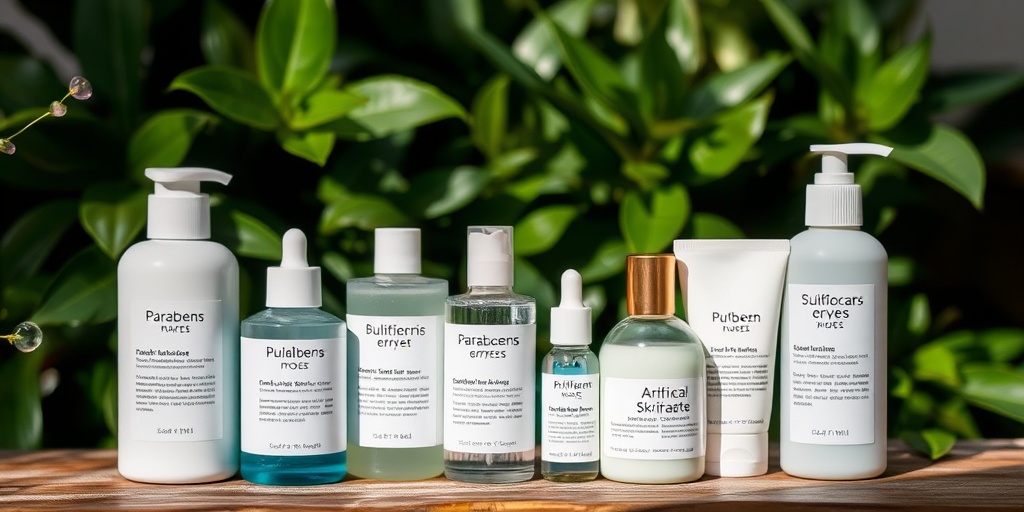
While many skincare products can enhance your beauty, some ingredients can do more harm than good. Being aware of what to avoid can help you maintain healthy skin. Here are some common ingredients to steer clear of:
1. Parabens
Parabens are preservatives used in many cosmetics and skincare products. They can disrupt hormone function and have been linked to various health issues. Look for paraben-free labels on your products.
2. Sulfates
Sulfates, commonly found in cleansers and shampoos, can strip your skin of its natural oils, leading to dryness and irritation. Opt for sulfate-free products to keep your skin hydrated and healthy.
3. Fragrance
Fragrance is often a hidden irritant in skincare products. It can cause allergic reactions and sensitivities, especially for those with sensitive skin. Choose products labeled as fragrance-free or unscented.
4. Alcohol
Certain types of alcohol, like ethanol and isopropyl alcohol, can be very drying to the skin. While some alcohols can be beneficial (like fatty alcohols), it’s best to avoid those that can lead to irritation.
5. Formaldehyde-Releasing Preservatives
Ingredients like DMDM hydantoin and quaternium-15 release formaldehyde, a known carcinogen. These preservatives can be harmful over time, so it’s wise to check your labels carefully.
6. Synthetic Dyes
Often found in makeup and skincare products, synthetic dyes can cause skin irritation and allergic reactions. Opt for products with natural colorants or those that are dye-free.
By being mindful of the ingredients in your skincare products and following sun protection tips, you can significantly enhance your skin & beauty routine. Remember, healthy skin is beautiful skin! 🌟
Frequently Asked Questions about Skin & Beauty
What are the common skin concerns people face?
Many individuals experience a variety of skin concerns, including:
- Skin tags – small, benign growths on the skin.
- Skin cancer – a serious condition that requires immediate attention.
- Acne – a common issue affecting people of all ages.
- Dry skin – often caused by environmental factors.
- Wrinkles – a natural part of aging.
How can I improve my skin care routine?
To enhance your skin care routine, consider the following tips:
- Use a gentle cleanser suitable for your skin type.
- Moisturize daily to keep your skin hydrated.
- Apply sunscreen to protect against UV damage.
- Incorporate serums or treatments targeting specific concerns.
- Stay hydrated and maintain a balanced diet.
When should I see a skin doctor?
It’s advisable to consult a skin doctor if you notice:
- Unusual changes in moles or skin growths.
- Persistent acne that doesn’t respond to over-the-counter treatments.
- Symptoms of skin cancer, such as new growths or sores that don’t heal.
- Severe skin irritation or allergic reactions.
What are the symptoms of skin cancer?
Common skin cancer symptoms include:
- A new growth or sore that doesn’t heal.
- Changes in existing moles, such as size, shape, or color.
- Itching, tenderness, or pain in the affected area.
What is the best way to treat skin tags?
While skin tags are generally harmless, they can be removed through:
- Freezing (cryotherapy).
- Cutting (excision) by a healthcare professional.
- Electrosurgery to burn off the tag.
Always consult a skin doctor for the best treatment option.
How can I choose the right skin tint for my complexion?
To select the perfect skin tint, consider:
- Your skin type (oily, dry, combination).
- The coverage level you desire (light, medium, full).
- Undertones in your skin (warm, cool, neutral).
Testing shades in natural light can also help you find the best match! 🌞
What role does diet play in skin health?
A balanced diet rich in vitamins and antioxidants can significantly impact your skin & beauty. Foods high in:
- Omega-3 fatty acids (like fish and flaxseeds).
- Vitamins A, C, and E (found in fruits and vegetables).
- Hydration (water and hydrating foods) are essential for maintaining healthy skin.
Can stress affect my skin?
Yes, stress can lead to various skin issues, including:
- Acne flare-ups.
- Psoriasis or eczema exacerbations.
- Dryness or dullness in skin appearance.
Practicing stress management techniques can help improve your overall skin health! 🧘♀️