
What Is Sjogren’s Syndrome?
Sjogren’s Syndrome is an autoimmune disorder that primarily affects the body’s moisture-producing glands. This condition leads to a significant reduction in the production of saliva and tears, resulting in dry mouth and dry eyes. While it can occur on its own, Sjogren’s Syndrome often coexists with other autoimmune diseases, such as rheumatoid arthritis or lupus.
The name “Sjogren’s” comes from Dr. Henrik Sjögren, a Swedish ophthalmologist who first described the syndrome in the early 20th century. This condition can affect individuals of any age, but it is most commonly diagnosed in middle-aged women. Understanding Sjogren’s Syndrome is crucial for effective management and treatment.
How Does Sjogren’s Syndrome Develop?
In Sjogren’s Syndrome, the immune system mistakenly attacks the body’s own cells, particularly those in the salivary and lacrimal glands. This autoimmune response leads to inflammation and damage, resulting in the hallmark symptoms of the syndrome. The exact cause of this immune dysfunction remains unclear, but genetic and environmental factors may play a role.
Types of Sjogren’s Syndrome
There are two main types of Sjogren’s Syndrome:
- Primary Sjogren’s Syndrome: This form occurs independently and is not associated with any other autoimmune diseases.
- Secondary Sjogren’s Syndrome: This type occurs alongside other autoimmune conditions, such as rheumatoid arthritis or lupus.
Recognizing the type of Sjogren’s Syndrome is essential for tailoring treatment strategies and managing symptoms effectively.
Sjogren’s Symptoms
The symptoms of Sjogren’s Syndrome can vary widely among individuals, but the most common manifestations include:
Dry Mouth (Xerostomia)
One of the most prevalent symptoms of Sjogren’s Syndrome is dry mouth, also known as xerostomia. This condition can lead to difficulties in speaking, swallowing, and tasting food. Additionally, a lack of saliva increases the risk of dental problems, such as cavities and gum disease. Individuals may also experience a burning sensation in the mouth or cracked lips.
Dry Eyes (Xerophthalmia)
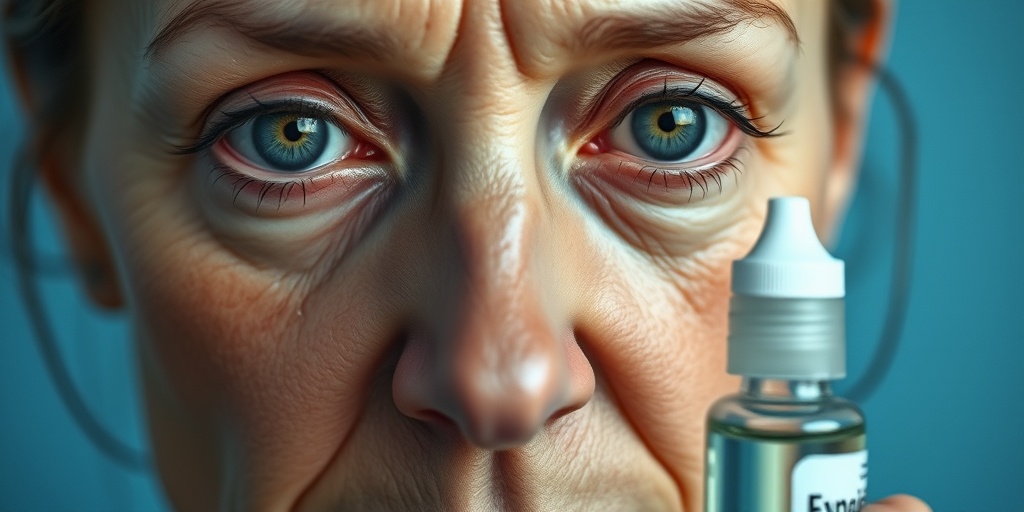
Dry eyes, or xerophthalmia, is another hallmark symptom of Sjogren’s Syndrome. This condition can cause discomfort, redness, and a gritty sensation in the eyes. In severe cases, it may lead to corneal damage and vision problems. Many individuals find relief through the use of artificial tears or other eye lubricants.
Fatigue and Joint Pain
In addition to dryness, many people with Sjogren’s Syndrome experience fatigue and joint pain. This fatigue can be debilitating and may interfere with daily activities. Joint pain, often resembling arthritis, can affect various joints in the body, leading to stiffness and swelling.
Other Symptoms
While dry mouth and dry eyes are the most recognized symptoms, Sjogren’s Syndrome can also cause:
- Skin rashes
- Vaginal dryness
- Difficulty swallowing
- Neurological symptoms, such as numbness or tingling
It’s important to note that symptoms can fluctuate over time, and some individuals may experience periods of remission where symptoms improve significantly.
When to Seek Medical Advice
If you suspect you have Sjogren’s Syndrome or are experiencing symptoms such as persistent dry mouth or dry eyes, it is essential to consult a healthcare professional. Early diagnosis and intervention can help manage symptoms and prevent complications. A healthcare provider may conduct various tests, including blood tests and imaging studies, to confirm the diagnosis.
For more information on Sjogren’s Syndrome and its management, consider visiting Yesil Health AI, a valuable resource for evidence-based health answers.
In conclusion, understanding Sjogren’s Syndrome is vital for those affected by it. By recognizing the symptoms and seeking appropriate medical care, individuals can lead fulfilling lives despite the challenges posed by this autoimmune condition. 🌟
Sjogren’s Causes and Risk Factors
Sjogren’s Syndrome is an autoimmune disorder that primarily affects the body’s moisture-producing glands, leading to symptoms like dry mouth and dry eyes. Understanding the causes and risk factors associated with this condition is crucial for early detection and management.
What Causes Sjogren’s Syndrome?
The exact cause of Sjogren’s Syndrome remains unclear, but it is believed to involve a combination of genetic, environmental, and hormonal factors. Here are some key points to consider:
- Genetic Predisposition: Individuals with a family history of autoimmune diseases may have a higher risk of developing Sjogren’s Syndrome. Certain genes associated with immune function can increase susceptibility.
- Environmental Triggers: Factors such as viral infections (e.g., Epstein-Barr virus) and exposure to certain chemicals may trigger the onset of the syndrome in genetically predisposed individuals.
- Hormonal Influences: Sjogren’s Syndrome is more common in women, particularly those of middle age. This suggests that hormonal changes may play a role in the development of the condition.
Risk Factors for Sjogren’s Syndrome
While anyone can develop Sjogren’s Syndrome, certain factors can increase the likelihood:
- Age: The condition is most commonly diagnosed in individuals over the age of 40.
- Gender: Women are significantly more likely to be affected than men, with a ratio of approximately 9:1.
- Other Autoimmune Disorders: People with other autoimmune diseases, such as rheumatoid arthritis, lupus, or thyroid disease, are at a higher risk of developing Sjogren’s Syndrome.
- Family History: A family history of autoimmune diseases can increase the risk of developing Sjogren’s Syndrome.
Recognizing these causes and risk factors can help individuals seek timely medical advice and intervention, potentially improving their quality of life. 🌟
Sjogren’s Diagnosis
Diagnosing Sjogren’s Syndrome can be challenging due to its overlapping symptoms with other conditions. However, a thorough evaluation by a healthcare professional can lead to an accurate diagnosis. Here’s what you need to know about the diagnosis process.
Initial Consultation and Symptoms
The diagnostic journey typically begins with a detailed consultation. During this visit, your doctor will:
- Review Symptoms: Discuss your symptoms, including dry mouth, dry eyes, fatigue, and joint pain.
- Medical History: Evaluate your personal and family medical history to identify any autoimmune disorders.
Diagnostic Tests for Sjogren’s Syndrome
Several tests may be conducted to confirm a diagnosis of Sjogren’s Syndrome:
- Blood Tests: These tests check for specific antibodies (such as anti-Ro and anti-La) that are commonly present in individuals with Sjogren’s Syndrome.
- Salivary Gland Function Tests: A test called the salivary flow rate test measures the amount of saliva produced in a specific time frame.
- Eye Tests: The Schirmer test assesses tear production to determine if dry eyes are present.
- Biopsy: In some cases, a small sample of tissue from the lip may be taken to examine the salivary glands for inflammation.
Importance of Early Diagnosis
Early diagnosis of Sjogren’s Syndrome is crucial for effective management. If left untreated, the condition can lead to complications such as dental problems, increased risk of infections, and even organ damage. Therefore, if you experience symptoms associated with Sjogren’s Syndrome, it’s essential to consult a healthcare professional promptly. 🩺
Understanding the diagnosis process can empower individuals to take charge of their health and seek the necessary care. Remember, early intervention can make a significant difference in managing this condition effectively.

Sjogren’s Treatment Options
Sjogren’s Syndrome is an autoimmune disorder that primarily affects the body’s moisture-producing glands, leading to symptoms such as dry mouth and dry eyes. While there is currently no cure for Sjogren’s Syndrome, various treatment options can help manage symptoms and improve quality of life. Here, we explore some of the most effective treatment options available.
Medications
Medications play a crucial role in managing Sjogren’s Syndrome. Depending on the symptoms, healthcare providers may prescribe:
- Artificial Tears: These are used to relieve dry eyes and can be found over-the-counter or prescribed by a doctor.
- Saliva Substitutes: For those experiencing dry mouth, saliva substitutes can help keep the mouth moist.
- Anti-inflammatory Drugs: Nonsteroidal anti-inflammatory drugs (NSAIDs) can help reduce joint pain and inflammation.
- Corticosteroids: In more severe cases, corticosteroids may be prescribed to reduce inflammation.
- Immunosuppressants: Medications like hydroxychloroquine or methotrexate may be used to suppress the immune system and reduce symptoms.
Physical Therapy
Physical therapy can be beneficial for individuals with Sjogren’s Syndrome, especially those experiencing joint pain or fatigue. A physical therapist can design a personalized exercise program to improve mobility, strength, and overall well-being.
Regular Check-ups
Regular visits to a healthcare provider are essential for monitoring the condition and adjusting treatment plans as necessary. This proactive approach can help manage symptoms effectively and prevent complications.
Alternative Therapies
Some individuals find relief through alternative therapies, including:
- Acupuncture: This traditional Chinese medicine technique may help alleviate pain and improve overall health.
- Massage Therapy: Regular massages can help reduce muscle tension and improve circulation.
- Yoga and Meditation: These practices can promote relaxation and reduce stress, which may help manage symptoms.
Sjogren’s Home Remedies
In addition to medical treatments, several home remedies can help alleviate the symptoms of Sjogren’s Syndrome. These remedies focus on hydration and comfort, making daily life more manageable.
Stay Hydrated
One of the simplest yet most effective home remedies is to stay hydrated. Drinking plenty of water throughout the day can help combat dryness. Consider carrying a water bottle with you to ensure you’re drinking enough fluids. 💧
Humidifiers
Using a humidifier in your home can add moisture to the air, which can be particularly beneficial during dry seasons. This can help alleviate dry skin and respiratory discomfort associated with Sjogren’s Syndrome.
Warm Compresses
Applying warm compresses to the eyes can provide relief from dryness and irritation. Simply soak a clean cloth in warm water, wring it out, and place it over your closed eyes for a few minutes. This can help soothe discomfort and promote moisture. 🧖♀️
Dietary Adjustments
Incorporating foods rich in omega-3 fatty acids, such as fish, flaxseeds, and walnuts, can help reduce inflammation. Additionally, consuming foods high in antioxidants, like fruits and vegetables, can support overall health. 🍏🥦
Oral Care
Maintaining good oral hygiene is crucial for individuals with dry mouth. Use fluoride toothpaste and mouth rinses designed for dry mouth. Chewing sugar-free gum or sucking on sugar-free candies can also stimulate saliva production.
Stress Management
Managing stress is vital for overall health, especially for those with autoimmune conditions. Techniques such as deep breathing exercises, meditation, and gentle yoga can help reduce stress levels and improve well-being.
By combining medical treatments with these home remedies, individuals with Sjogren’s Syndrome can find effective ways to manage their symptoms and enhance their quality of life. Remember to consult with a healthcare provider before starting any new treatment or remedy to ensure it aligns with your specific health needs. 🌟

Sjogren’s Complications
Sjogren’s Syndrome is an autoimmune disorder that primarily affects the body’s moisture-producing glands, leading to symptoms such as dry mouth and dry eyes. However, the implications of this condition extend beyond these common symptoms. Understanding the potential complications associated with Sjogren’s Syndrome is crucial for effective management and maintaining a good quality of life.
Common Complications of Sjogren’s Syndrome
While the hallmark symptoms of Sjogren’s Syndrome are well-known, several complications can arise, affecting various systems in the body:
- Dental Issues: The lack of saliva can lead to an increased risk of cavities, gum disease, and oral infections. Regular dental check-ups and good oral hygiene are essential.
- Eye Problems: Dry eyes can lead to more severe conditions such as corneal ulcers or infections. Patients may require artificial tears or other treatments to manage these symptoms.
- Fatigue: Chronic fatigue is a common complaint among those with Sjogren’s Syndrome, impacting daily activities and overall well-being.
- Joint Pain: Many individuals experience joint pain or arthritis-like symptoms, which can limit mobility and affect quality of life.
- Organ Involvement: In some cases, Sjogren’s can affect organs such as the kidneys, liver, and lungs, leading to more serious health issues.
Increased Risk of Other Autoimmune Disorders
Individuals with Sjogren’s Syndrome are at a higher risk of developing other autoimmune diseases, such as rheumatoid arthritis, lupus, and thyroid disorders. This overlap can complicate diagnosis and treatment, making it essential for patients to be vigilant about their health and maintain regular check-ups with their healthcare provider.
Psychological Impact
The chronic nature of Sjogren’s Syndrome can also take a toll on mental health. Many patients report feelings of anxiety and depression due to the persistent symptoms and lifestyle changes required to manage the condition. Seeking support from mental health professionals or support groups can be beneficial in navigating these challenges.
Sjogren’s Living with the Condition
Living with Sjogren’s Syndrome can be challenging, but with the right strategies and support, individuals can lead fulfilling lives. Here are some tips for managing the condition effectively:
Daily Management Strategies
- Stay Hydrated: Drinking plenty of water is essential for managing dry mouth and maintaining overall health. Consider using a humidifier at home to add moisture to the air.
- Use Artificial Tears: Over-the-counter artificial tears can help alleviate dry eyes. Consult with an eye care professional for recommendations tailored to your needs.
- Practice Good Oral Hygiene: Regular dental visits and using fluoride toothpaste can help prevent dental complications associated with dry mouth.
- Manage Fatigue: Prioritize rest and consider incorporating gentle exercises, such as yoga or walking, to boost energy levels without overexertion.
Diet and Nutrition
A balanced diet can play a significant role in managing Sjogren’s Syndrome. Focus on foods that are rich in antioxidants and omega-3 fatty acids, such as:
- Fatty fish (like salmon and mackerel)
- Nuts and seeds
- Fruits and vegetables
- Whole grains
These foods can help reduce inflammation and support overall health. Additionally, some individuals find that avoiding certain foods, such as those high in sugar or processed ingredients, can alleviate symptoms.
Emotional and Social Support
Connecting with others who understand the challenges of living with Sjogren’s Syndrome can be incredibly beneficial. Consider joining support groups, either in-person or online, where you can share experiences and coping strategies. Don’t hesitate to reach out to friends and family for emotional support as well. Remember, you are not alone in this journey! 🤝
In conclusion, while Sjogren’s Syndrome presents various challenges, understanding its complications and implementing effective management strategies can significantly improve quality of life. With the right approach, individuals can navigate their condition with resilience and hope. 🌟

Frequently Asked Questions about Sjogren’s Syndrome
What is Sjogren’s Syndrome?
Sjogren’s Syndrome is an autoimmune disorder characterized by the body’s immune system attacking its own moisture-producing glands. This leads to symptoms such as dry mouth and dry eyes, among others.
What are the common symptoms of Sjogren’s Syndrome?
- Dry mouth: Difficulty swallowing, speaking, or tasting.
- Dry eyes: A gritty or burning sensation in the eyes.
- Fatigue: Persistent tiredness that does not improve with rest.
- Joint pain: Inflammation and discomfort in joints.
- Skin rashes: Dryness or rashes on the skin.
How is Sjogren’s Syndrome diagnosed?
The diagnosis of Sjogren’s Syndrome typically involves a combination of medical history, physical examination, and specific tests. These may include:
- Blood tests: To check for specific antibodies.
- Salivary gland tests: To assess saliva production.
- Eye tests: To evaluate tear production and eye dryness.
What tests are used to confirm Sjogren’s Syndrome?
Common tests for confirming Sjogren’s Syndrome include:
- Schirmer’s test: Measures tear production.
- Salivary flow test: Assesses saliva production.
- Biopsy: A small sample of salivary gland tissue may be taken for analysis.
Is there a specific treatment for Sjogren’s Syndrome?
While there is no cure for Sjogren’s Syndrome, treatments focus on relieving symptoms. Options may include:
- Artificial tears: To alleviate dry eyes.
- Saliva substitutes: To help with dry mouth.
- Medications: Such as anti-inflammatory drugs to reduce joint pain.
Can Sjogren’s Syndrome lead to other health issues?
Yes, individuals with Sjogren’s Syndrome may be at a higher risk for other autoimmune diseases, such as rheumatoid arthritis or lupus. Regular monitoring and check-ups are essential.
How can I manage Sjogren’s Syndrome symptoms at home?
Managing symptoms at home can include:
- Staying hydrated: Drink plenty of fluids to combat dryness.
- Using humidifiers: To add moisture to the air.
- Avoiding irritants: Such as smoke and harsh chemicals.
Where can I find more information about Sjogren’s Syndrome?
For more information, consider visiting reputable health websites, consulting with healthcare professionals, or joining support groups focused on Sjogren’s Syndrome.