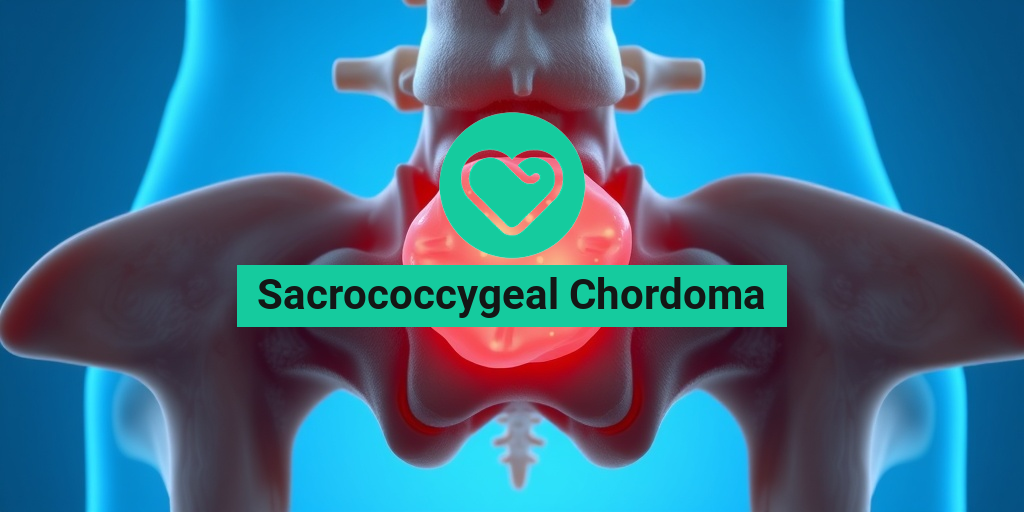
What Is Sacrococcygeal Chordoma?
Sacrococcygeal chordoma is a rare type of tumor that arises from the remnants of the notochord, a structure present during embryonic development. This tumor typically occurs at the base of the spine, specifically in the sacrococcygeal region, which is the area where the sacrum and coccyx meet. Although chordomas can develop in various parts of the body, sacrococcygeal chordomas are particularly significant due to their location and potential impact on surrounding structures.
Understanding the Development of Sacrococcygeal Chordoma
Chordomas are classified as malignant tumors, meaning they can invade nearby tissues and potentially metastasize to other parts of the body. They are most commonly diagnosed in adults, particularly those aged 30 to 60 years, but they can also occur in children. The exact cause of sacrococcygeal chordoma remains unclear, but genetic factors and environmental influences may play a role in their development.
Diagnosis and Imaging Techniques
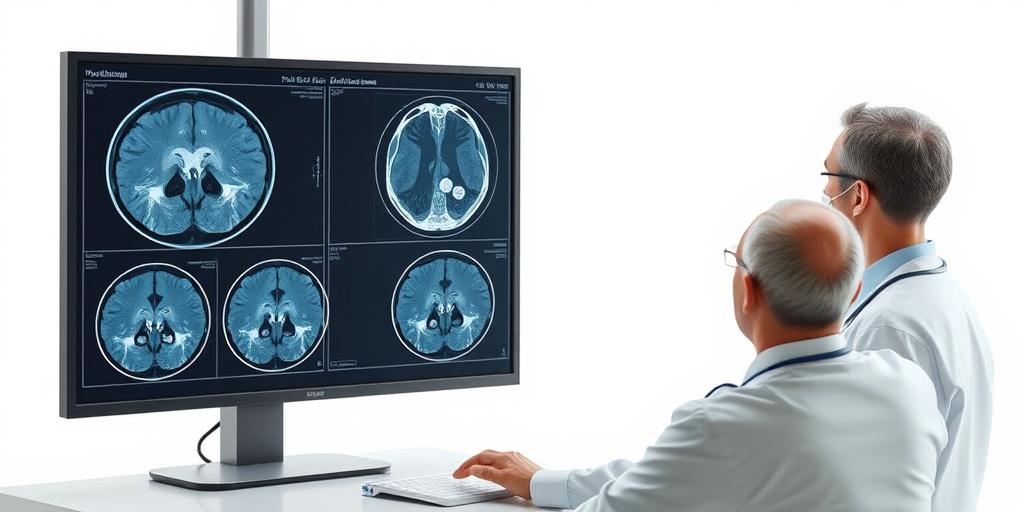
Diagnosing sacrococcygeal chordoma typically involves a combination of clinical evaluation and imaging studies. MRI and CT scans are the most commonly used imaging techniques to visualize the tumor and assess its size and extent. These imaging modalities help healthcare providers determine the best course of action for treatment.
In some cases, a biopsy may be performed to confirm the diagnosis and understand the tumor’s pathology. This is crucial for developing an effective treatment plan tailored to the individual patient.
Symptoms of Sacrococcygeal Chordoma
The symptoms of sacrococcygeal chordoma can vary significantly depending on the tumor’s size and location. Many patients may experience symptoms that are not immediately associated with a tumor, leading to delays in diagnosis. Here are some common symptoms to be aware of:
1. Pain in the Lower Back and Tailbone
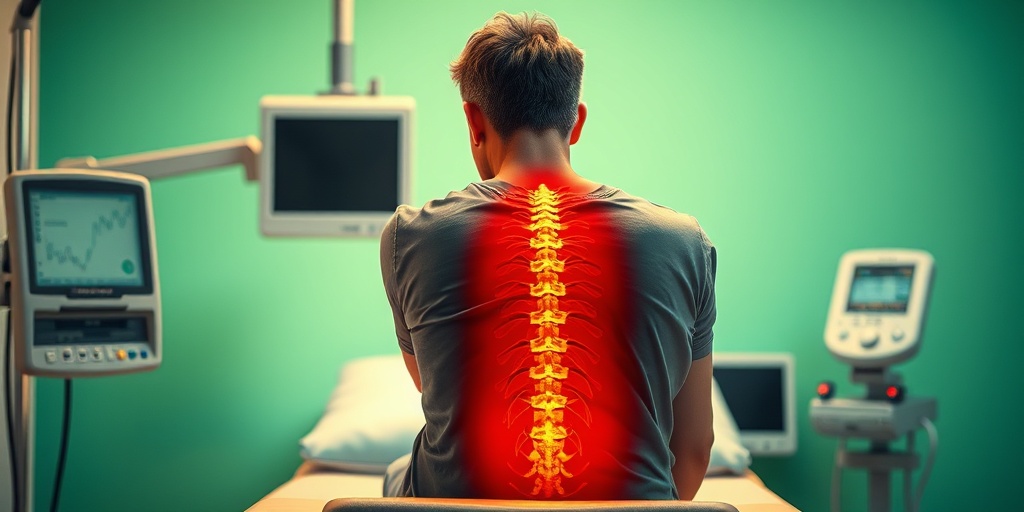
One of the most prevalent symptoms of sacrococcygeal chordoma is persistent pain in the lower back or tailbone area. This pain may be dull or sharp and can worsen with prolonged sitting or standing. Patients often describe it as a nagging discomfort that does not improve with typical pain relief methods.
2. Swelling or a Mass in the Sacrococcygeal Region
As the tumor grows, it may become palpable as a mass or swelling in the sacrococcygeal area. This can be noticeable during a physical examination and may cause additional discomfort or pressure in the surrounding tissues.
3. Changes in Bowel and Bladder Function
In some cases, sacrococcygeal chordoma can affect bowel and bladder function. Patients may experience constipation, difficulty urinating, or changes in urinary frequency. These symptoms can significantly impact a person’s quality of life and should be discussed with a healthcare provider.
4. Nerve-Related Symptoms
If the tumor compresses nearby nerves, patients may experience neurological symptoms such as numbness, tingling, or weakness in the legs. These symptoms can vary in severity and may indicate the need for urgent medical evaluation.
5. Unexplained Weight Loss
Some individuals with sacrococcygeal chordoma may experience unexplained weight loss. This can be a concerning symptom and should prompt further investigation to rule out other underlying health issues.
When to Seek Medical Attention
If you experience any of the symptoms mentioned above, especially persistent pain or changes in bowel and bladder function, it is essential to consult a healthcare professional. Early diagnosis and intervention can significantly improve outcomes for patients with sacrococcygeal chordoma.
For more information and evidence-based health answers, consider visiting Yesil Health AI, a valuable resource for understanding various health conditions, including sacrococcygeal chordoma.
In conclusion, while sacrococcygeal chordoma is a rare and complex condition, understanding its symptoms and seeking timely medical advice can lead to better management and treatment options. Stay informed and proactive about your health! 🌟
Causes and Risk Factors
Sacrococcygeal chordoma is a rare type of tumor that arises from the remnants of the notochord, a structure present during embryonic development. Understanding the causes and risk factors associated with this condition can help in early detection and management.
Genetic Factors
While the exact cause of sacrococcygeal chordoma remains unclear, genetic predispositions play a significant role. Some studies suggest that individuals with certain genetic mutations, particularly in the brachyury gene, may have a higher risk of developing this tumor. This gene is crucial for notochord development, and mutations can lead to abnormal growths.
Age and Gender
Sacrococcygeal chordomas are most commonly diagnosed in adults aged between 30 and 70 years. Interestingly, they tend to occur more frequently in males than in females, although the reasons for this gender disparity are not fully understood.
Previous Medical Conditions
Individuals with a history of certain medical conditions, such as neurofibromatosis or other genetic syndromes, may also be at an increased risk. These conditions can affect the body’s ability to regulate cell growth, potentially leading to tumor formation.
Environmental Factors
While less studied, some researchers are investigating the impact of environmental factors on the development of sacrococcygeal chordoma. Exposure to certain chemicals or radiation during critical periods of development may contribute to the risk, although more research is needed in this area.
Diagnosis of Sacrococcygeal Chordoma
Diagnosing sacrococcygeal chordoma can be challenging due to its rarity and the nonspecific nature of its symptoms. However, a combination of imaging studies and clinical evaluations can lead to an accurate diagnosis.
Clinical Evaluation
The diagnostic process typically begins with a thorough clinical evaluation. Patients often present with symptoms such as:
- Pain in the lower back or coccyx
- Swelling or a palpable mass in the sacrococcygeal region
- Neurological symptoms, such as weakness or numbness in the legs
These symptoms can mimic other conditions, making it essential for healthcare providers to conduct a detailed medical history and physical examination.
Imaging Studies
Once a clinical suspicion arises, imaging studies are crucial for confirming the diagnosis. The most commonly used imaging modalities include:
MRI (Magnetic Resonance Imaging)
MRI is often the preferred imaging technique for diagnosing sacrococcygeal chordoma. It provides detailed images of soft tissues and can help differentiate the tumor from surrounding structures. MRI is particularly useful in assessing the extent of the tumor and its relationship with nearby organs.
CT (Computed Tomography)
CT scans are also valuable in the diagnostic process. They can reveal the presence of a mass and provide information about its size and location. CT imaging is often used in conjunction with MRI to give a comprehensive view of the tumor.
X-ray
In some cases, an X-ray may be performed to evaluate any bony involvement or changes in the sacrococcygeal region. However, X-rays are less effective than MRI and CT in providing detailed information about soft tissue tumors.
Pathological Examination
Once imaging studies suggest the presence of a chordoma, a biopsy may be performed to confirm the diagnosis. A pathological examination of the tissue sample is essential for determining the tumor type and guiding treatment options. Pathologists look for characteristic features of chordomas, such as the presence of physaliferous cells and a myxoid background.
In summary, the diagnosis of sacrococcygeal chordoma involves a combination of clinical evaluation, imaging studies, and pathological examination. Early diagnosis is crucial for effective management and improved outcomes. 🩺
Treatment Options Available
Sacrococcygeal chordoma is a rare type of tumor that occurs at the base of the spine, specifically in the sacrococcygeal region. Due to its unique location and characteristics, treatment options can vary significantly. Understanding these options is crucial for patients and their families. Here, we explore the primary treatment modalities available for sacrococcygeal chordoma.
1. Surgical Intervention
The cornerstone of treatment for sacrococcygeal chordoma is surgery. The goal of surgical intervention is to remove as much of the tumor as possible while preserving surrounding structures. This can be challenging due to the tumor’s proximity to critical nerves and blood vessels.
- Wide Excision: In many cases, a wide excision is performed, which involves removing the tumor along with a margin of healthy tissue. This approach aims to minimize the risk of recurrence.
- Minimally Invasive Techniques: In some instances, minimally invasive surgical techniques may be employed, which can lead to shorter recovery times and less postoperative pain.
2. Radiation Therapy
For patients who are not candidates for surgery or for those with residual disease post-surgery, radiation therapy can be an effective treatment option. This modality is particularly useful in managing symptoms and reducing tumor size.
- External Beam Radiation Therapy (EBRT): This is the most common form of radiation therapy used for chordomas. It targets the tumor with high-energy rays, aiming to destroy cancer cells.
- Stereotactic Radiosurgery: This technique delivers a precise dose of radiation to the tumor while minimizing exposure to surrounding healthy tissue. It is often used for smaller tumors or in cases where surgery is not feasible.
3. Chemotherapy
While chemotherapy is not typically the first line of treatment for sacrococcygeal chordoma, it may be considered in certain cases, especially if the tumor is aggressive or metastatic. Clinical trials are ongoing to evaluate the effectiveness of various chemotherapeutic agents in treating chordomas.
4. Palliative Care
For patients with advanced disease or those experiencing significant symptoms, palliative care is essential. This approach focuses on improving the quality of life by managing pain and other distressing symptoms, regardless of the stage of the disease.
Potential Complications
As with any medical condition, treatment for sacrococcygeal chordoma can lead to potential complications. Understanding these risks is vital for patients and their families to make informed decisions about their care.
1. Surgical Complications
Surgery, while often necessary, carries inherent risks. Potential complications include:
- Infection: Postoperative infections can occur, requiring additional treatment.
- Bleeding: Significant blood loss during surgery may necessitate transfusions.
- Nerve Damage: Given the tumor’s location, there is a risk of damaging nearby nerves, which can lead to complications such as weakness or numbness in the lower extremities.
2. Recurrence of Tumor
One of the most concerning complications is the recurrence of the chordoma. Even after aggressive treatment, there is a possibility that the tumor may return. Regular follow-up with imaging studies, such as MRI or CT scans, is essential for early detection of recurrence.
3. Long-term Effects of Radiation Therapy
While radiation therapy can be effective in managing chordomas, it may also lead to long-term complications, including:
- Secondary Cancers: There is a small risk of developing secondary malignancies due to radiation exposure.
- Radiation Fibrosis: This condition can cause stiffness and pain in the treated area, impacting mobility and quality of life.
4. Psychological Impact
Dealing with a diagnosis of sacrococcygeal chordoma and its treatment can take a toll on mental health. Patients may experience anxiety, depression, or fear of recurrence. It is crucial to address these psychological aspects through counseling and support groups.
In conclusion, while treatment options for sacrococcygeal chordoma are available, they come with potential complications that must be carefully managed. A multidisciplinary approach involving surgeons, oncologists, and supportive care teams can help optimize outcomes and improve the quality of life for patients facing this challenging diagnosis. 🌟

Living with Sacrococcygeal Chordoma
Living with sacrococcygeal chordoma can be a challenging journey, both physically and emotionally. This rare type of tumor arises from the remnants of the embryonic notochord, typically located at the base of the spine. Understanding the implications of this condition is crucial for patients and their families.
Understanding the Symptoms
Patients with sacrococcygeal chordoma often experience a range of symptoms that can significantly impact their quality of life. Common symptoms include:
- Pain: Persistent pain in the lower back or tailbone area is one of the most common complaints.
- Swelling: A noticeable lump or swelling at the site of the tumor may develop.
- Neurological Issues: Depending on the tumor’s size and location, patients may experience numbness, weakness, or changes in bowel and bladder function.
Recognizing these symptoms early can lead to timely diagnosis and treatment, which is essential for managing the condition effectively.
Diagnosis and Imaging Techniques
Diagnosing sacrococcygeal chordoma typically involves a combination of physical examinations and advanced imaging techniques. MRI and CT scans are commonly used to visualize the tumor and assess its size and impact on surrounding structures. Radiologists often look for characteristic features of the tumor, which can aid in confirming the diagnosis.
Treatment Options
Treatment for sacrococcygeal chordoma usually involves a multidisciplinary approach. The primary treatment is surgical removal of the tumor, which can be complex due to its location. Here are some common treatment options:
- Surgery: Complete surgical excision is the goal, but it can be challenging due to the tumor’s proximity to critical structures.
- Radiation Therapy: Post-surgical radiation therapy may be recommended to target any remaining cancer cells and reduce the risk of recurrence.
- Clinical Trials: Patients may also consider participating in clinical trials exploring new treatment modalities.
Each treatment plan should be tailored to the individual, taking into account the tumor’s characteristics and the patient’s overall health.
Living with the Aftermath
After treatment, many patients face ongoing challenges. Regular follow-ups are essential to monitor for recurrence. Additionally, patients may experience physical and emotional effects from their treatment. Support groups and counseling can be invaluable resources for coping with these changes.
Future Research and Outlook
The future of sacrococcygeal chordoma research is promising, with ongoing studies aimed at improving diagnosis, treatment, and patient outcomes. Researchers are focusing on several key areas:
Advancements in Imaging Techniques
Improving imaging techniques is crucial for early detection and accurate diagnosis. Innovations in radiology are expected to enhance the ability to visualize chordomas, leading to better treatment planning.
Targeted Therapies
Research is also exploring targeted therapies that could provide more effective treatment options with fewer side effects. These therapies aim to specifically attack cancer cells while sparing healthy tissue, which could significantly improve patient quality of life.
Genetic Research
Understanding the genetic basis of sacrococcygeal chordoma may open new avenues for treatment. By identifying specific genetic mutations associated with this tumor, researchers hope to develop personalized treatment strategies that are more effective.
Patient-Centric Approaches
Future research is increasingly focusing on patient experiences and outcomes. By incorporating patient feedback into clinical trials and treatment protocols, researchers aim to ensure that therapies align with patient needs and preferences.
As research progresses, the outlook for individuals diagnosed with sacrococcygeal chordoma continues to improve. With advancements in treatment and a better understanding of the disease, there is hope for enhanced survival rates and improved quality of life for patients.

Frequently Asked Questions about Sacrococcygeal Chordoma
What is a Sacrococcygeal Chordoma?
A Sacrococcygeal Chordoma is a rare type of tumor that occurs at the base of the spine, specifically in the sacrum or coccyx region. These tumors arise from remnants of the notochord, a structure present during embryonic development.
What are the common symptoms of Sacrococcygeal Chordoma?
Symptoms may vary, but common signs include:
- Pain in the lower back or tailbone area
- Swelling or a noticeable mass at the site
- Changes in bowel or bladder function
- Difficulty sitting or standing for long periods
How is Sacrococcygeal Chordoma diagnosed?
Diagnosis typically involves imaging studies such as:
- MRI scans to assess the tumor’s size and location
- CT scans for detailed cross-sectional images
- X-rays to evaluate bone involvement
A biopsy may also be performed to confirm the diagnosis through pathology analysis.
What is the treatment for Sacrococcygeal Chordoma?
Treatment options often include:
- Surgery to remove the tumor, which is the primary treatment method
- Radiation therapy to target any remaining cancer cells post-surgery
- Clinical trials for new therapies may also be available
What is the prognosis for someone with Sacrococcygeal Chordoma?
The prognosis can vary based on factors such as tumor size, location, and whether it has spread. Early diagnosis and treatment can improve outcomes significantly. Regular follow-ups are essential to monitor for recurrence.
Is there an ICD-10 code for Sacrococcygeal Chordoma?
Yes, the ICD-10 code for Sacrococcygeal Chordoma is C72.1. This code is used for billing and documentation purposes in healthcare settings.
Where can I find more information about Sacrococcygeal Chordoma?
For more detailed information, consider visiting reputable medical websites, consulting with healthcare professionals, or exploring resources from organizations specializing in rare tumors.