What Is RSV Infection?
Respiratory Syncytial Virus (RSV) infection is a common viral illness that primarily affects the respiratory tract. It is particularly notorious for causing severe respiratory issues in infants and young children, but it can also impact adults, especially those with weakened immune systems or underlying health conditions. Understanding RSV is crucial, as it can lead to serious complications, particularly in vulnerable populations.
RSV is highly contagious and spreads through respiratory droplets when an infected person coughs or sneezes. It can also survive on surfaces for several hours, making it easy to contract in crowded places. The virus typically circulates in seasonal outbreaks, peaking during the fall and winter months.
How RSV Infection Affects Different Age Groups
While RSV can infect anyone, its effects vary significantly across different age groups:
- Infants and Babies: RSV is a leading cause of bronchiolitis and pneumonia in children under one year of age. Premature infants and those with congenital heart or lung conditions are at higher risk for severe illness.
- Children: Most children will have contracted RSV by the age of two. For many, it results in mild cold-like symptoms, but some may experience more severe respiratory issues.
- Adults: In healthy adults, RSV usually causes mild symptoms similar to a cold. However, older adults and those with chronic health issues may face serious complications, including hospitalization.
RSV Symptoms
The symptoms of RSV infection can vary widely depending on the age and health status of the individual. Recognizing these symptoms early can help in managing the infection effectively.
Common Symptoms in Infants and Children
In infants and young children, RSV symptoms may include:
- Runny or Stuffy Nose: Often the first sign of infection.
- Coughing: A persistent cough that may worsen over time.
- Wheezing: A high-pitched whistling sound when breathing.
- Difficulty Breathing: Signs include rapid breathing or flaring nostrils.
- Fever: Mild to moderate fever may accompany other symptoms.
- Decreased Appetite: Infants may refuse to eat or drink.
Symptoms in Adults
In adults, RSV symptoms are generally milder but can still be significant, especially for those with pre-existing conditions. Common symptoms include:
- Runny Nose: Similar to a cold, often accompanied by sneezing.
- Cough: A dry or productive cough that may last for weeks.
- Fatigue: General tiredness and malaise.
- Fever: Low-grade fever may occur.
When to Seek Medical Attention
It’s essential to monitor symptoms closely, especially in infants and young children. Seek medical attention if you notice:
- Difficulty Breathing: Rapid or labored breathing.
- Blue Tint: A bluish color around the lips or face.
- Severe Dehydration: Signs include dry mouth, lack of tears, or significantly reduced urination.
For adults, if symptoms worsen or if you have underlying health conditions, it’s advisable to consult a healthcare provider.
Understanding RSV infection and its symptoms is vital for timely intervention and treatment. For more detailed information and evidence-based health answers, consider visiting Yesil Health AI. Stay informed and take care of your health! 🌟
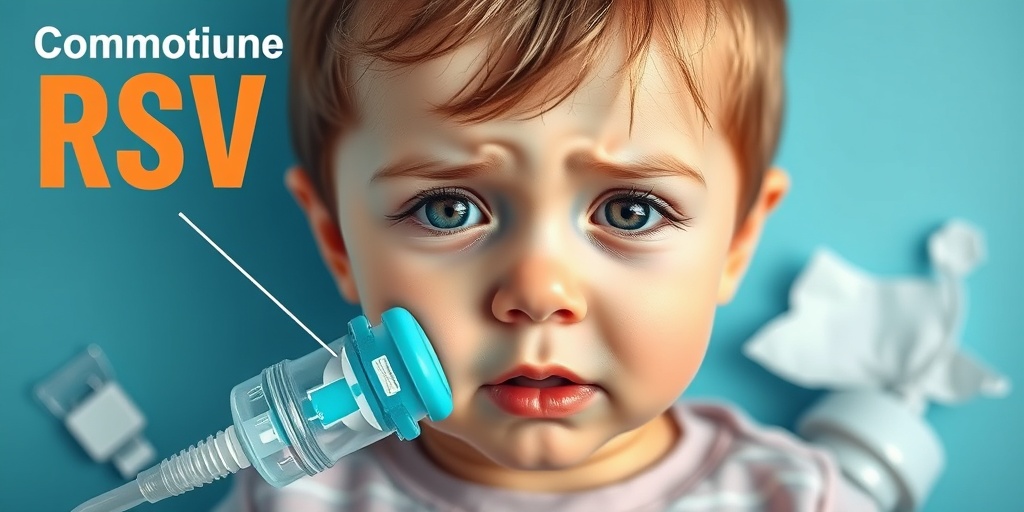
RSV Transmission
Respiratory Syncytial Virus (RSV) is a highly contagious virus that primarily affects the respiratory tract. Understanding how RSV is transmitted is crucial for preventing its spread, especially among vulnerable populations such as infants, the elderly, and those with compromised immune systems.
How RSV Spreads
RSV is primarily spread through:
- Direct Contact: The virus can be transmitted when an infected person coughs or sneezes, releasing respiratory droplets into the air. If another person inhales these droplets, they can become infected.
- Surface Contamination: RSV can survive on surfaces for several hours. Touching contaminated surfaces and then touching the face, especially the mouth, nose, or eyes, can lead to infection.
- Close Contact: RSV is often spread in crowded places, such as daycare centers or nursing homes, where close contact is common.
Seasonal Patterns of RSV
RSV infections typically occur in seasonal outbreaks, with the virus circulating more frequently during the fall and winter months. This seasonal pattern can vary by region, but understanding when RSV is most prevalent can help in taking preventive measures.
Preventing RSV Transmission
To reduce the risk of RSV transmission, consider the following preventive measures:
- Hand Hygiene: Regular handwashing with soap and water for at least 20 seconds can significantly reduce the risk of infection. If soap and water are unavailable, use an alcohol-based hand sanitizer.
- Avoid Close Contact: Keep a safe distance from individuals who are sick, especially during RSV season.
- Disinfect Surfaces: Regularly clean and disinfect frequently-touched surfaces, such as doorknobs, toys, and mobile devices.
RSV Risk Factors
While anyone can contract RSV, certain individuals are at a higher risk of severe illness. Understanding these risk factors can help in identifying those who may need extra precautions or medical attention.
Infants and Young Children
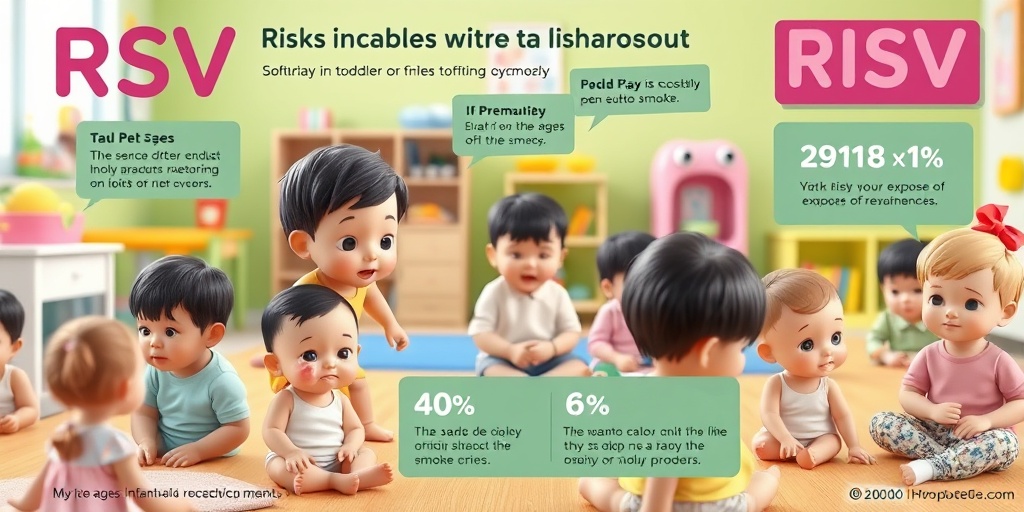
Infants, particularly those under six months of age, are at the highest risk for severe RSV infection. Factors that increase their risk include:
- Prematurity: Babies born prematurely (before 37 weeks of gestation) have underdeveloped lungs and immune systems, making them more susceptible to RSV.
- Congenital Heart or Lung Conditions: Children with existing heart or lung conditions are more likely to experience severe symptoms if infected with RSV.
- Exposure to Smoke: Babies exposed to secondhand smoke are at a greater risk for respiratory infections, including RSV.
Older Adults
Adults aged 65 and older are also at increased risk for severe RSV infection. Factors contributing to this risk include:
- Weakened Immune System: Older adults often have weakened immune systems, making it harder for their bodies to fight off infections.
- Chronic Health Conditions: Conditions such as heart disease, diabetes, or lung disease can increase the severity of RSV symptoms.
Other Risk Factors
Additional risk factors for RSV infection include:
- Living in Crowded Conditions: Individuals living in crowded environments, such as dormitories or shelters, may have a higher risk of exposure.
- Seasonal Timing: RSV infections peak during the fall and winter months, so individuals should be particularly cautious during this time.
By understanding the transmission and risk factors associated with RSV infection, individuals can take proactive steps to protect themselves and their loved ones. Awareness and preventive measures are key to reducing the impact of this common respiratory virus. 🌬️
RSV Diagnosis
Respiratory Syncytial Virus (RSV) infection is a common respiratory virus that can affect individuals of all ages, but it is particularly concerning for infants, young children, and older adults. Understanding how RSV is diagnosed is crucial for timely treatment and management. Here’s a closer look at the diagnostic process for RSV infection.
Recognizing Symptoms
The first step in diagnosing an RSV infection is recognizing its symptoms. Common symptoms include:
- Runny or stuffy nose
- Coughing
- Wheezing
- Fever
- Difficulty breathing
- Fatigue
In babies, symptoms may also include irritability, decreased appetite, and difficulty sleeping. If you notice these symptoms, especially in young children or infants, it’s essential to seek medical attention promptly.
Medical Evaluation
When you visit a healthcare provider, they will conduct a thorough medical evaluation. This typically includes:
- Medical History: The doctor will ask about your symptoms, their duration, and any underlying health conditions.
- Physical Examination: A physical exam will help assess breathing patterns and listen for wheezing or other abnormal lung sounds.
Diagnostic Tests
In some cases, additional tests may be necessary to confirm an RSV infection. These tests can include:
- Rapid Antigen Testing: This test can quickly detect RSV in nasal secretions.
- Polymerase Chain Reaction (PCR) Test: A more sensitive test that can identify RSV genetic material.
- Chest X-ray: This may be performed to rule out other respiratory conditions, such as pneumonia.
It’s important to note that while RSV can be diagnosed through these methods, not all cases require extensive testing. Many healthcare providers can diagnose RSV based on clinical symptoms alone, especially during peak RSV season.
RSV Treatment Options
Once diagnosed, understanding the treatment options for RSV infection is essential for effective management. While there is no specific antiviral treatment for RSV, several supportive care measures can help alleviate symptoms and improve recovery.
Home Care Strategies
For mild cases of RSV infection, home care is often sufficient. Here are some effective strategies:
- Hydration: Ensure adequate fluid intake to prevent dehydration. Offer plenty of fluids, such as water, broth, or electrolyte solutions.
- Rest: Encourage plenty of rest to help the body recover.
- Humidified Air: Using a humidifier can help ease breathing difficulties by keeping the air moist.
- Saline Nasal Drops: These can help relieve nasal congestion in infants and children.
Medications
In some cases, medications may be prescribed to manage symptoms:
- Fever Reducers: Over-the-counter medications like acetaminophen or ibuprofen can help reduce fever and discomfort.
- Bronchodilators: These may be prescribed to help open the airways in individuals with wheezing.
Hospitalization
Severe cases of RSV infection, particularly in infants and older adults, may require hospitalization. Signs that hospitalization may be necessary include:
- Severe difficulty breathing
- Dehydration
- High fever
- Rapid heartbeat
In a hospital setting, patients may receive oxygen therapy, intravenous fluids, and close monitoring to ensure their safety and recovery.
Understanding the diagnosis and treatment options for RSV infection is vital for effective management. If you suspect an RSV infection, don’t hesitate to consult a healthcare professional for guidance and support. 🌟

RSV Complications
Respiratory Syncytial Virus (RSV) infection is a common respiratory virus that can lead to serious complications, particularly in vulnerable populations such as infants, the elderly, and individuals with weakened immune systems. Understanding these complications is crucial for early detection and effective management.
Common Complications of RSV Infection
While many individuals recover from RSV without any issues, some may experience complications that can significantly impact their health. Here are some of the most common complications associated with RSV infection:
- Bronchiolitis: This is an inflammation of the small airways in the lungs, which can cause wheezing, difficulty breathing, and a persistent cough. It is particularly common in infants and young children.
- Pneumonia: RSV can lead to pneumonia, an infection of the lungs that can cause severe respiratory distress. Symptoms may include high fever, rapid breathing, and chest pain.
- Ear Infections: RSV can increase the risk of ear infections, particularly in young children. Symptoms may include ear pain, irritability, and difficulty sleeping.
- Exacerbation of Asthma: For individuals with asthma, RSV infection can trigger severe asthma attacks, leading to increased hospital visits and medication use.
Who is at Risk for Complications?
Certain groups are at a higher risk for developing complications from RSV infection:
- Infants: Babies, especially those under six months old, are at the highest risk for severe RSV complications.
- Premature Infants: Infants born prematurely may have underdeveloped lungs, making them more susceptible to severe RSV infection.
- Older Adults: Adults aged 65 and older often have weakened immune systems, increasing their risk for complications.
- Individuals with Chronic Conditions: Those with chronic lung or heart conditions, or weakened immune systems, are also at greater risk.
Signs of Severe RSV Complications
Recognizing the signs of severe complications is essential for timely intervention. Look out for the following symptoms:
- Rapid or Difficulty Breathing: If you notice someone struggling to breathe, it may indicate a serious complication.
- High Fever: A persistent high fever can signal a more severe infection.
- Dehydration: Signs of dehydration include dry mouth, lack of tears, and decreased urination.
- Wheezing or Coughing: Severe wheezing or a cough that worsens can indicate complications.
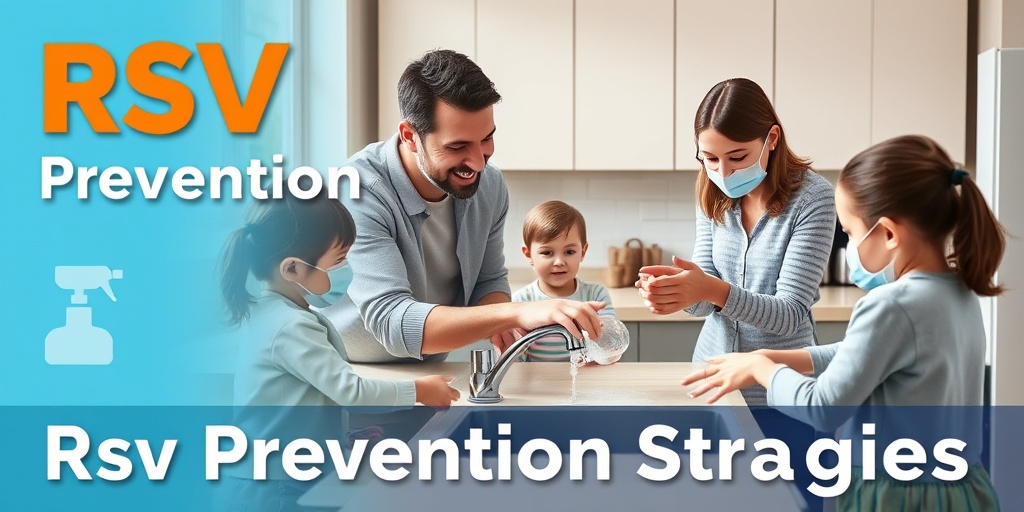
RSV Prevention Strategies
Preventing RSV infection is crucial, especially for high-risk groups. Here are some effective strategies to reduce the risk of RSV transmission:
Good Hygiene Practices
Maintaining good hygiene is one of the most effective ways to prevent RSV infection:
- Handwashing: Regular handwashing with soap and water for at least 20 seconds can significantly reduce the spread of RSV. Use hand sanitizer when soap is not available.
- Avoid Close Contact: Keep infants and young children away from individuals who are sick, especially during RSV season.
- Cover Coughs and Sneezes: Encourage everyone to cover their mouth and nose with a tissue or their elbow when coughing or sneezing.
Vaccination and Prophylaxis
Currently, there is no vaccine specifically for RSV, but there are preventive measures available:
- Palivizumab: This monoclonal antibody can help prevent RSV infection in high-risk infants and children. It is typically administered during RSV season.
Environmental Precautions
Creating a safe environment can also help prevent RSV infection:
- Avoid Crowded Places: Limit exposure to crowded areas, especially during RSV season.
- Keep Surfaces Clean: Regularly disinfect surfaces that are frequently touched, such as doorknobs, toys, and countertops.
- Maintain Good Ventilation: Ensure that indoor spaces are well-ventilated to reduce the concentration of respiratory viruses.
By implementing these prevention strategies, you can help protect yourself and your loved ones from RSV infection and its potential complications. Remember, awareness and proactive measures are key to staying healthy! 🌟
Frequently Asked Questions about RSV Infection
What is RSV Infection?
RSV infection refers to a viral infection caused by the respiratory syncytial virus, which primarily affects the respiratory tract. It is particularly common in infants and young children but can also impact adults, especially those with weakened immune systems.
What are the symptoms of RSV Infection?
Common symptoms of RSV infection include:
- Coughing
- Runny or stuffy nose
- Fever
- Wheezing
- Difficulty breathing
In severe cases, it can lead to bronchiolitis or pneumonia, especially in young children.
How is RSV Infection treated?
There is no specific antiviral treatment for RSV infection. Management typically focuses on relieving symptoms. This may include:
- Staying hydrated
- Using a humidifier
- Over-the-counter medications for fever and pain
In severe cases, hospitalization may be required for oxygen therapy or other supportive care.
Can adults get RSV Infection?
Yes, adults can contract RSV infection, although it is more common in children. Adults, especially those with underlying health conditions, may experience milder symptoms but can still spread the virus to others.
Is RSV Infection contagious?
Yes, RSV infection is highly contagious. It spreads through respiratory droplets when an infected person coughs or sneezes, as well as through direct contact with contaminated surfaces.
What is the incubation period for RSV Infection?
The incubation period for RSV infection typically ranges from 2 to 8 days, with an average of about 5 days. Symptoms usually appear within this timeframe after exposure to the virus.
Can pregnant women transmit RSV Infection to their babies?
While pregnant women can contract RSV infection, the virus is not typically transmitted to the fetus. However, newborns can be at risk if the mother is infected shortly after delivery.
How can RSV Infection be prevented?
Preventive measures for RSV infection include:
- Frequent handwashing
- Avoiding close contact with sick individuals
- Keeping infants away from crowded places during RSV season
For high-risk infants, a medication called palivizumab may be recommended to help prevent severe RSV disease.
What should I do if I suspect my child has RSV Infection?
If you suspect your child has RSV infection, it is important to monitor their symptoms closely. If they experience difficulty breathing, high fever, or worsening symptoms, seek medical attention promptly. 🏥