What Is Ringworm?
Ringworm, despite its name, is not a worm at all. It is a common fungal infection caused by a group of fungi known as dermatophytes. These fungi thrive on keratin, a protein found in skin, hair, and nails. The term “ringworm” comes from the characteristic circular, ring-like rash that often appears on the skin, resembling a worm under the skin. This infection can affect various parts of the body, including the scalp, body, feet, and groin.
Ringworm is highly contagious and can be spread through direct skin-to-skin contact with an infected person or animal, as well as through contaminated surfaces, such as towels, clothing, and gym equipment. It can also be contracted from soil that contains the fungi. Understanding the nature of this infection is crucial for effective prevention and treatment.
Types of Ringworm
There are several types of ringworm, each affecting different areas of the body:
- Ringworm of the Body (Tinea Corporis): This is the most common form, characterized by red, itchy, circular patches on the skin.
- Ringworm of the Scalp (Tinea Capitis): Primarily affects children, leading to hair loss and scaly patches on the scalp.
- Ringworm of the Groin (Tinea Cruris): Commonly known as jock itch, this type affects the groin area and is more prevalent in males.
- Ringworm of the Feet (Tinea Pedis): Also known as athlete’s foot, this type causes itching, burning, and peeling skin between the toes.
Each type of ringworm has its own set of symptoms and treatment options, making it essential to identify the specific type for effective management.
Ringworm Symptoms
Recognizing the symptoms of ringworm is vital for prompt treatment and to prevent spreading the infection. The symptoms can vary depending on the area affected, but some common signs include:
Common Symptoms
- Itchy Skin: One of the first signs of ringworm is intense itching in the affected area.
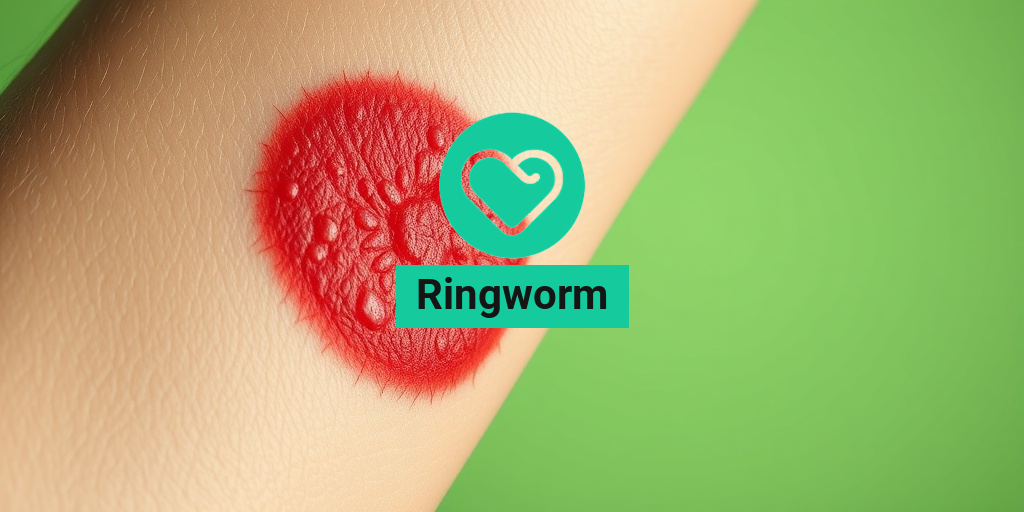
- Red, Circular Rash: The hallmark of ringworm is a red, raised, circular rash with a clear center, often resembling a ring.
- Scaling and Flaking: The skin may become scaly, flaky, or crusty, especially as the infection progresses.
- Hair Loss: In cases of scalp ringworm, patches of hair may fall out, leaving bald spots.
- Discoloration: The affected skin may appear discolored, with darker or lighter patches compared to the surrounding skin.
When to Seek Medical Attention
If you suspect you have ringworm, it’s important to consult a healthcare professional, especially if:
- The rash spreads rapidly or does not improve with over-the-counter treatments.
- You experience severe itching or discomfort.
- You have a weakened immune system or underlying health conditions.
Early diagnosis and treatment can help prevent complications and the spread of the infection to others. For reliable health information and treatment options, consider visiting Yesil Health AI, a valuable resource for evidence-based health answers.
In summary, understanding what ringworm is and recognizing its symptoms can empower you to take action quickly. Whether it’s a simple case of athlete’s foot or a more complex scalp infection, being informed is your best defense against this common fungal infection. 🌟

Ringworm Causes
Ringworm, despite its name, is not caused by a worm. Instead, it is a fungal infection that affects the skin, hair, and nails. The fungi responsible for ringworm belong to a group called dermatophytes, which thrive in warm, moist environments. Understanding the causes of ringworm is essential for prevention and effective treatment.
How Ringworm Spreads
Ringworm is highly contagious and can spread through various means:
- Direct Contact: The most common way to contract ringworm is through direct skin-to-skin contact with an infected person or animal. This is particularly prevalent in crowded settings such as schools or daycare centers.
- Contaminated Surfaces: Fungi can survive on surfaces like gym equipment, towels, and bedding. Touching these contaminated items can lead to infection.
- Animal Transmission: Pets, especially cats and dogs, can carry ringworm. If you pet an infected animal or come into contact with their fur, you may be at risk.
- Soil Exposure: Although less common, ringworm can also be contracted from soil that contains the fungi.
Environmental Factors
Certain environmental conditions can promote the growth of the fungi that cause ringworm:
- Humidity: Fungi thrive in warm, humid environments. Areas with high humidity levels can increase the likelihood of ringworm infections.
- Poor Hygiene: Inadequate personal hygiene can contribute to the spread of ringworm. Regular bathing and keeping the skin dry can help prevent infection.
- Close Quarters: Living in close quarters with others, such as dormitories or shelters, can facilitate the spread of ringworm.
Ringworm Risk Factors
While anyone can contract ringworm, certain factors can increase your risk of developing this fungal infection. Being aware of these risk factors can help you take preventive measures.
Age and Health Conditions
Some individuals are more susceptible to ringworm due to their age or underlying health conditions:
- Children: Young children are particularly vulnerable to ringworm infections, often due to their close contact with peers and pets.
- Weakened Immune System: Individuals with compromised immune systems, such as those with HIV/AIDS or undergoing chemotherapy, are at a higher risk.
- Skin Conditions: People with existing skin conditions, like eczema or psoriasis, may be more prone to ringworm infections.
Lifestyle and Occupation
Your lifestyle and occupation can also play a significant role in your risk of developing ringworm:
- Athletes: Athletes, especially those involved in contact sports, are at a higher risk due to skin-to-skin contact and shared equipment.
- Pet Owners: Those who own pets, particularly cats and dogs, should be vigilant, as these animals can carry the fungi.
- Occupational Exposure: People who work in environments like veterinary clinics or farms may have increased exposure to ringworm.
Preventive Measures
To reduce your risk of contracting ringworm, consider the following preventive measures:
- Maintain Good Hygiene: Regularly wash your hands and body, especially after contact with animals or potentially contaminated surfaces.
- Avoid Sharing Personal Items: Do not share towels, clothing, or grooming tools with others.
- Keep Skin Dry: Moisture can promote fungal growth, so ensure your skin is dry, especially in warm, humid conditions.
By understanding the causes and risk factors associated with ringworm, you can take proactive steps to protect yourself and others from this common fungal infection. 🌟

Ringworm Diagnosis
Diagnosing ringworm can sometimes be straightforward, but it often requires a keen eye and a bit of medical expertise. This fungal infection, known scientifically as tinea, can affect various parts of the body, including the skin, scalp, and nails. Understanding the symptoms and the diagnostic process is crucial for effective treatment.
Recognizing the Symptoms
The first step in diagnosing ringworm is recognizing its symptoms. Common signs include:
- Red, circular rash: The hallmark of ringworm is a red, itchy, circular rash with raised edges. It often resembles a ring, hence the name.
- Itching: The affected area is usually itchy, which can lead to scratching and further irritation.
- Scaling and flaking: The skin may become scaly or flaky, especially as the infection progresses.
- Hair loss: In cases where the scalp is affected, patches of hair may fall out.
Consulting a Healthcare Professional
If you suspect you have ringworm, it’s essential to consult a healthcare professional. They will typically perform a physical examination and may ask about your medical history and any recent exposure to infected individuals or animals, such as cats or dogs, which are common carriers of the fungus.
Diagnostic Tests
In some cases, your doctor may recommend additional tests to confirm the diagnosis:
- Skin scraping: A small sample of skin may be taken and examined under a microscope to identify the presence of fungal elements.
- Fungal culture: This test involves growing the fungus from a sample taken from the affected area, which can take several days to weeks.
- Wood’s lamp examination: This special light can help identify certain types of fungal infections, particularly on the scalp.
Once diagnosed, it’s crucial to begin treatment promptly to alleviate symptoms and prevent the spread of the infection. 🩺
Ringworm Treatment Options
Treating ringworm effectively involves a combination of topical and, in some cases, oral medications. The choice of treatment often depends on the severity of the infection and the area affected.
Topical Treatments
For mild cases of ringworm, topical antifungal creams are usually the first line of defense. These creams are applied directly to the affected area and can be very effective. Some popular options include:
- Clotrimazole: A widely used antifungal cream that can help eliminate the fungus.
- Terbinafine: Another effective topical treatment that works by inhibiting fungal growth.
- Miconazole: This cream not only treats the infection but also helps relieve itching and inflammation.
It’s important to apply these treatments as directed, usually for at least two weeks, even if symptoms improve sooner. Consistency is key! 🧴
Oral Medications
In more severe cases or when the infection affects the scalp or nails, oral antifungal medications may be necessary. These include:
- Griseofulvin: Often prescribed for scalp infections, this medication works by preventing the fungus from growing.
- Fluconazole: This is another option that can be effective for various fungal infections.
Oral medications typically require a longer treatment duration, often several weeks to months, depending on the severity of the infection.
Home Remedies and Preventive Measures
While medical treatments are essential, some home remedies may help alleviate symptoms and support recovery:
- Keep the area dry: Fungi thrive in moist environments, so keeping the affected area dry can help speed up healing.
- Use antifungal powders: These can help absorb moisture and prevent further fungal growth.
- Avoid sharing personal items: To prevent spreading the infection, avoid sharing towels, clothing, or grooming tools.
In conclusion, diagnosing and treating ringworm effectively requires awareness of symptoms and appropriate medical intervention. By following the recommended treatment options and preventive measures, you can overcome this common fungal infection and restore your skin’s health. 🌟

Ringworm Home Remedies
Ringworm, despite its name, is not caused by a worm but is a fungal infection that can affect the skin, scalp, and nails. It can be quite uncomfortable and unsightly, leading many to seek effective home remedies. Here are some natural treatments that may help alleviate the symptoms of a ringworm infection.
1. Tea Tree Oil
Tea tree oil is renowned for its antifungal properties. To use it:
- Mix a few drops of tea tree oil with a carrier oil, such as coconut oil.
- Apply the mixture directly to the affected area twice daily.
Many people have found relief from ringworm symptoms using this method. Just be cautious, as tea tree oil can cause skin irritation in some individuals.
2. Apple Cider Vinegar
Apple cider vinegar (ACV) is another popular remedy due to its antifungal properties. Here’s how to use it:
- Soak a cotton ball in ACV and apply it to the affected area.
- Leave it on for about 30 minutes before rinsing off.
Repeat this process twice a day. The acidity of ACV can help create an environment that is hostile to the fungus.
3. Garlic
Garlic is not only a flavorful addition to your meals but also a potent antifungal agent. To use garlic for ringworm treatment:
- Crush a few cloves of garlic and mix them with a carrier oil.
- Apply the mixture to the affected area and cover it with a bandage.
- Leave it on for a few hours or overnight, then wash it off.
Garlic can help reduce the infection and promote healing.
4. Coconut Oil
Coconut oil is known for its moisturizing properties and its ability to fight fungal infections. To use coconut oil:
- Apply a thin layer of virgin coconut oil directly to the ringworm rash.
- Do this several times a day for best results.
The medium-chain fatty acids in coconut oil can help kill the fungus and soothe the skin.
5. Aloe Vera
Aloe vera is famous for its soothing properties and can be beneficial for treating ringworm infections. Here’s how to use it:
- Apply fresh aloe vera gel directly to the affected area.
- Leave it on for at least 30 minutes before rinsing.
This can help reduce inflammation and promote healing.
Preventing Ringworm
Prevention is always better than cure, especially when it comes to fungal infections like ringworm. Here are some effective strategies to help you avoid getting ringworm:
1. Maintain Good Hygiene
Keeping your skin clean and dry is crucial. Make sure to:
- Shower regularly, especially after sweating or exercising.
- Dry your skin thoroughly, particularly in areas prone to moisture, such as between the toes and underarms.
2. Avoid Sharing Personal Items
Fungi can easily spread through personal items. To minimize your risk:
- Avoid sharing towels, clothing, or grooming tools.
- Use your own sports gear and equipment.
3. Wear Breathable Clothing
Choose clothing made from breathable fabrics like cotton. This helps keep your skin dry and reduces the likelihood of fungal growth. Additionally:
- Avoid tight-fitting clothes that can trap moisture.
- Change out of wet clothes promptly.
4. Keep Your Environment Clean
Fungi thrive in warm, damp environments. To prevent ringworm:
- Regularly clean and disinfect surfaces in your home.
- Ensure that communal areas, such as gyms and pools, are well-maintained.
5. Be Cautious with Pets
Pets, especially cats and dogs, can carry ringworm. To protect yourself:
- Regularly check your pets for signs of ringworm.
- Consult a veterinarian if you suspect your pet has a fungal infection.
By following these preventive measures, you can significantly reduce your risk of developing a ringworm infection and maintain healthier skin. 🛡️

Frequently Asked Questions about Ringworm
What is Ringworm?
Ringworm is a common fungal infection that affects the skin, hair, and nails. Despite its name, it is not caused by a worm but by a group of fungi known as dermatophytes. It can appear as a red, circular rash with clearer skin in the middle, resembling a ring.
What are the symptoms of Ringworm?
The symptoms of ringworm can vary depending on the area affected. Common symptoms include:
- Red, itchy, and scaly patches on the skin
- Hair loss in the affected area (when on the scalp)
- Thickened or discolored nails (when on the nails)
- Blisters or pustules in some cases
How is Ringworm transmitted?
Ringworm is highly contagious and can be spread through direct contact with an infected person, animal, or contaminated surfaces. It can also be contracted from sharing personal items like towels, clothing, or grooming tools.
What are the treatment options for Ringworm?
Treatment for ringworm typically involves antifungal medications. Options include:
- Topical antifungal creams or ointments
- Oral antifungal medications for severe cases
- Keeping the affected area clean and dry
Can Ringworm affect pets?
Yes, ringworm can affect cats and other pets. If you suspect your pet has a ringworm infection, it is important to consult a veterinarian for proper diagnosis and treatment.
How can I prevent Ringworm?
To reduce the risk of contracting ringworm, consider the following preventive measures:
- Avoid sharing personal items
- Keep your skin clean and dry
- Wear shoes in communal areas like pools and gyms
- Regularly groom and check pets for signs of infection
Is Ringworm serious?
While ringworm is generally not serious and can be effectively treated, it can cause discomfort and may lead to secondary infections if left untreated. It’s important to seek treatment if you suspect you have a ringworm infection.
When should I see a doctor?
If you experience persistent symptoms of ringworm that do not improve with over-the-counter treatments, or if the infection spreads, it is advisable to consult a healthcare professional for further evaluation and treatment.