Understanding Medication Costs
In today’s healthcare landscape, understanding medication costs is crucial for patients and caregivers alike. With rising healthcare expenses, many individuals find themselves grappling with the financial burden of prescription drugs. Reducing medication costs is not just a personal concern; it’s a widespread issue that affects millions of people globally.
Medication costs can vary significantly based on several factors, including the type of medication, the pharmacy you choose, and your insurance coverage. In this article, we will explore the intricacies of medication pricing and provide practical tips for lowering your expenses.
The Basics of Medication Pricing
When you pick up a prescription, you might notice that the price can differ from one pharmacy to another. This discrepancy is often due to the following factors:
- Manufacturer Pricing: Pharmaceutical companies set the initial price for medications, which can be influenced by research and development costs, marketing, and competition.
- Pharmacy Markup: Pharmacies may add their markup to the cost of medications, which can vary widely between different locations.
- Insurance Coverage: Your insurance plan plays a significant role in determining how much you pay out-of-pocket. Some plans may cover certain medications more than others.
- Generic vs. Brand Name: Generic medications are typically less expensive than their brand-name counterparts, offering a cost-effective alternative without sacrificing quality.
The Importance of Transparency
Understanding the factors that contribute to medication costs is essential for making informed decisions. Many patients are unaware of the price differences between pharmacies or the potential savings available through generic options. By advocating for transparency in medication pricing, patients can better navigate their healthcare expenses.
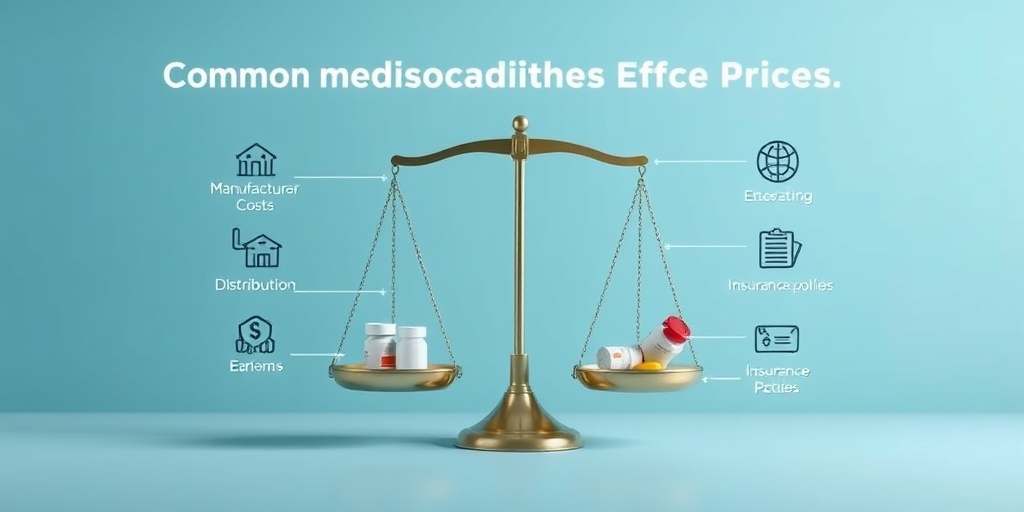
Common Factors Affecting Prices
Several key factors influence the prices of medications, and being aware of these can help you strategize on reducing prescription drug costs. Here are some of the most common factors:
1. Supply Chain Dynamics
The journey of a medication from the manufacturer to the pharmacy involves multiple steps, including distribution and storage. Each step in the supply chain can add to the overall cost. Disruptions in the supply chain, such as shortages or increased demand, can also lead to price hikes.
2. Regulatory Environment
Government regulations and policies can significantly impact medication prices. For instance, some countries have strict price controls, while others allow pharmaceutical companies to set their prices freely. Understanding the regulatory landscape can provide insights into why certain medications are more expensive in specific regions.
3. Market Competition
Competition among pharmaceutical companies can drive prices down. When multiple companies produce similar medications, they often compete on price, leading to lower costs for consumers. Conversely, a lack of competition can result in higher prices.
4. Patient Assistance Programs
Many pharmaceutical companies offer patient assistance programs designed to help individuals afford their medications. These programs can provide discounts, free medications, or financial assistance based on income levels. It’s worth exploring these options if you’re struggling with medication costs.
5. Health Insurance Plans
Your health insurance plan can significantly affect your medication costs. Plans with higher premiums may offer lower out-of-pocket costs for medications, while those with lower premiums might require higher co-pays. Understanding your plan’s formulary (the list of covered medications) can help you identify the most cost-effective options.
6. Lifestyle and Health Choices
Your overall health and lifestyle choices can also impact medication costs. For instance, managing chronic conditions through lifestyle changes can reduce the need for expensive medications. Regular check-ups and preventive care can help catch health issues early, potentially lowering your long-term medication expenses.
In conclusion, understanding the factors affecting medication prices is essential for anyone looking to lower their medication costs. By being proactive and informed, you can take steps to reduce your expenses and ensure that you have access to the medications you need. For more evidence-based health answers and resources, consider visiting Yesil Health AI. Together, we can navigate the complexities of healthcare and find solutions that work for you! 💊💰
Generic vs. Brand Name Medications
When it comes to reducing medication costs, one of the most significant decisions patients face is whether to choose generic or brand name medications. Understanding the differences between these two types of drugs can help you make informed choices that can lead to substantial savings.
What Are Generic Medications?
Generic medications are copies of brand name drugs that contain the same active ingredients, dosage form, strength, and route of administration. They are required to meet the same quality and safety standards set by the FDA. Here are some key points about generic medications:
- Cost-Effective: Generic drugs are typically much cheaper than their brand name counterparts, often costing 30-80% less.
- Same Efficacy: Studies have shown that generics are just as effective as brand name medications.
- Availability: Once the patent on a brand name drug expires, multiple manufacturers can produce the generic version, increasing competition and lowering prices.
Understanding Brand Name Medications
Brand name medications are developed by pharmaceutical companies and are marketed under a specific name. These drugs often come with a higher price tag due to the costs associated with research, development, and marketing. Here’s what you should know:
- Higher Costs: Brand name medications can be significantly more expensive, which can strain your budget.
- Patent Protection: Brand name drugs are protected by patents, which can last for several years, preventing generic versions from entering the market.
- Brand Loyalty: Some patients prefer brand name medications due to perceived quality or past experiences.
Making the Right Choice
Choosing between generic and brand name medications can be challenging. Here are some tips to help you decide:
- Consult Your Doctor: Always discuss with your healthcare provider whether a generic option is available and appropriate for your condition.
- Check Your Insurance: Some insurance plans may have different coverage levels for generic versus brand name medications.
- Research Prices: Use online tools or pharmacy apps to compare prices between generic and brand name drugs.
By opting for generic medications when possible, you can significantly reduce your medication costs while still receiving effective treatment. 💊
Insurance and Medication Coverage
Navigating the world of health insurance can be daunting, especially when it comes to understanding medication coverage. Knowing how your insurance plan works can help you save money and ensure you get the medications you need.
Understanding Your Insurance Plan
Every health insurance plan is different, and understanding the specifics of your coverage is crucial. Here are some key components to consider:
- Formulary: This is a list of medications that your insurance plan covers. Medications are often categorized into tiers, with lower tiers having lower copays.
- Copay vs. Coinsurance: A copay is a fixed amount you pay for a medication, while coinsurance is a percentage of the medication cost that you are responsible for.
- Prior Authorization: Some medications may require prior approval from your insurance company before they will cover the cost.
Strategies for Reducing Costs with Insurance
Here are some strategies to help you maximize your insurance benefits and reduce your medication costs:
- Use Generic Medications: As discussed earlier, opting for generics can save you a significant amount of money.
- Stay In-Network: Using in-network pharmacies can help you avoid higher out-of-pocket costs.
- Ask About Discounts: Some pharmacies offer discount programs or savings cards that can further reduce your costs.
When to Appeal a Denial
If your insurance denies coverage for a medication, don’t be discouraged. You have the right to appeal the decision. Here’s how:
- Gather Documentation: Collect any necessary medical records or letters from your healthcare provider that support your need for the medication.
- Follow Up: Contact your insurance company to understand the reason for the denial and the steps needed to appeal.
- Be Persistent: Sometimes, it takes multiple attempts to get a favorable outcome, so don’t give up!
By understanding your insurance coverage and utilizing available resources, you can effectively manage your medication costs and ensure you receive the treatment you need. 💰

Discount Programs and Coupons
In today’s world, reducing medication costs is a priority for many individuals and families. One effective way to achieve this is by utilizing discount programs and coupons. These tools can significantly lower your out-of-pocket expenses for prescription medications, making healthcare more accessible.
Understanding Discount Programs
Discount programs are often offered by pharmacies, pharmaceutical companies, or third-party organizations. They provide a way for patients to obtain medications at a reduced price. Here are some key points to consider:
- Pharmacy-Specific Programs: Many major pharmacy chains have their own discount programs. For example, CVS, Walgreens, and Walmart often provide discounts on select medications, especially generics.
- Manufacturer Coupons: Pharmaceutical companies frequently offer coupons for their medications. These can be found on their websites or through healthcare providers. They can significantly reduce the cost of brand-name drugs.
- Online Resources: Websites like GoodRx and RxSaver allow you to compare prices across different pharmacies and find available coupons. These platforms can help you save money on your prescriptions.
How to Use Coupons Effectively
Using coupons can be straightforward, but there are a few tips to maximize your savings:
- Check Expiration Dates: Always verify the expiration date on any coupon. Some coupons may have a limited time frame, so be sure to use them before they expire.
- Combine Discounts: In some cases, you can combine manufacturer coupons with pharmacy discount programs. This can lead to even greater savings.
- Ask Your Pharmacist: Don’t hesitate to ask your pharmacist about available discounts or coupons. They can often guide you to the best options for your specific medications.
By taking advantage of discount programs and coupons, you can effectively lower your medication costs and make your healthcare more affordable. 💊
Pharmacy Shopping Tips
Shopping for medications can be overwhelming, especially with the rising costs of prescription drugs. However, with the right strategies, you can navigate the pharmacy landscape more effectively and save money. Here are some practical tips for reducing pharmaceutical costs:
Compare Prices
Not all pharmacies charge the same prices for medications. It’s essential to shop around:
- Use Price Comparison Tools: Websites and apps like GoodRx allow you to compare prices at different pharmacies in your area. This can help you find the best deal for your prescription.
- Check Local Pharmacies: Don’t just rely on large chains. Local or independent pharmacies may offer competitive prices or special discounts.
Consider Generic Medications
Generic medications are often significantly cheaper than their brand-name counterparts. Here’s why you should consider them:
- Same Active Ingredients: Generic drugs contain the same active ingredients as brand-name drugs and are equally effective.
- Lower Cost: Generics can cost up to 80% less than brand-name medications, making them a smart choice for budget-conscious consumers.
Utilize Pharmacy Loyalty Programs
Many pharmacies offer loyalty programs that provide additional savings:
- Points and Rewards: By signing up for a loyalty program, you can earn points for every purchase, which can be redeemed for discounts on future medications.
- Exclusive Offers: Members often receive exclusive coupons and promotions that are not available to non-members.
Consult with Your Healthcare Provider
Your healthcare provider can be a valuable resource in managing medication costs:
- Discuss Alternatives: Talk to your doctor about the possibility of switching to a less expensive medication or a generic version.
- Review Your Medications: Regularly review your medications with your provider to ensure you are only taking what you need, which can help reduce costs.
By implementing these pharmacy shopping tips, you can take control of your medication expenses and work towards lowering the cost of prescription drugs. 🛒💰

Patient Assistance Programs
In the quest for reducing medication costs, one of the most valuable resources available to patients are Patient Assistance Programs (PAPs). These programs are designed to help individuals who are struggling to afford their medications, providing them with financial assistance or free medications. Understanding how these programs work can significantly impact your healthcare expenses.
What Are Patient Assistance Programs?
Patient Assistance Programs are initiatives set up by pharmaceutical companies, non-profit organizations, and sometimes government entities to help patients access necessary medications at little to no cost. These programs are particularly beneficial for those who are uninsured or underinsured, as well as for individuals with limited income.
How Do They Work?
Typically, PAPs require patients to fill out an application form, which may include providing proof of income, residency, and insurance status. Once approved, patients may receive medications directly from the manufacturer or through a pharmacy. Here’s a quick overview of the process:
- Eligibility Check: Most programs have specific eligibility criteria based on income and insurance status.
- Application Submission: Patients must complete an application, often requiring documentation.
- Approval Notification: Once reviewed, patients will be notified if they qualify for assistance.
- Medication Access: Approved patients can receive their medications either through mail or at a pharmacy.
Types of Patient Assistance Programs
There are various types of PAPs available, including:
- Manufacturer Programs: Offered by pharmaceutical companies for their specific medications.
- Non-Profit Organizations: These may provide assistance for a range of medications, often focusing on chronic conditions.
- State and Federal Programs: Government initiatives that help eligible individuals access medications.
To find a suitable program, patients can visit websites like NeedyMeds or RxAssist, which provide comprehensive databases of available assistance programs.
Long-Term Strategies for Savings
While Patient Assistance Programs can provide immediate relief, it’s also essential to consider long-term strategies for reducing medication costs. Here are some effective approaches to help you save money on prescriptions over time:
1. Generic Medications
One of the simplest ways to lower your medication costs is by opting for generic medications. Generic drugs are typically much cheaper than their brand-name counterparts, yet they contain the same active ingredients and are equally effective. Always consult your healthcare provider about switching to a generic option.
2. Prescription Discount Cards
Many organizations offer prescription discount cards that can significantly reduce the price of medications. These cards can be used at most pharmacies and often provide discounts even if you have insurance. Websites like GoodRx allow you to compare prices at different pharmacies and find the best deals.
3. Mail-Order Pharmacies
Using a mail-order pharmacy can also lead to substantial savings, especially for long-term medications. Many insurance plans offer lower copays for medications ordered through mail-order services. This option not only saves money but also provides the convenience of having medications delivered directly to your home.
4. Medication Synchronization
Medication synchronization is a strategy where all your prescriptions are refilled on the same day each month. This can help you avoid multiple trips to the pharmacy and may also lead to better management of your medications. Speak with your pharmacist about this option to see if it’s available for you.
5. Regular Medication Reviews
Regularly reviewing your medications with your healthcare provider can help identify any unnecessary prescriptions or potential alternatives that may be more cost-effective. This proactive approach ensures that you are only taking what you need, which can lead to significant savings over time.
By implementing these long-term strategies, you can take control of your medication expenses and work towards lowering the cost of prescription drugs effectively. Remember, every little bit helps when it comes to managing healthcare costs! 💊💰

Frequently Asked Questions about Reducing Medication Costs
What are some effective strategies for reducing prescription drug costs?
There are several strategies you can employ to reduce prescription drug costs, including:
- Shopping around at different pharmacies for the best prices.
- Using generic medications instead of brand-name drugs.
- Utilizing discount cards or programs offered by pharmacies.
- Discussing with your doctor about alternative medications that may be more affordable.
- Checking for patient assistance programs provided by pharmaceutical companies.
How can I lower the cost of my medication without sacrificing quality?
To lower the cost of medication while maintaining quality, consider the following:
- Consult your healthcare provider about generic options.
- Ask about therapeutic alternatives that may be less expensive.
- Look into online pharmacies that may offer lower prices.
- Participate in medication therapy management programs.
Are there any resources available for reducing pharmaceutical costs?
Yes! There are numerous resources available to help you reduce pharmaceutical costs, such as:
- Non-profit organizations that provide information on medication assistance.
- Government programs that offer subsidies for low-income individuals.
- Online tools and apps that compare drug prices across different pharmacies.
Can insurance help in lowering medication costs?
Absolutely! Many insurance plans offer coverage for prescription medications, which can significantly lower the cost of prescription drugs. It’s important to:
- Review your insurance formulary to understand which medications are covered.
- Consider switching to a plan with better prescription coverage if available.
- Utilize any available copay assistance programs through your insurance.
What should I do if I can’t afford my medications?
If you’re struggling to afford your medications, consider the following steps:
- Talk to your healthcare provider about your financial situation; they may have solutions.
- Look for local community health centers that offer sliding scale fees.
- Explore options for free or low-cost clinics in your area.
- Research pharmaceutical company programs that provide medications at reduced costs.
Is it safe to buy medications online to save money?
While buying medications online can sometimes lead to savings, it’s crucial to ensure that you are purchasing from a reputable source. Always check for:
- Licensing and accreditation of the online pharmacy.
- Reviews and ratings from other customers.
- Consult your healthcare provider before making any online purchases.
How can I stay informed about new ways to reduce medication costs?
Staying informed about reducing medication costs can be achieved through:
- Subscribing to health newsletters and blogs.
- Joining online forums or support groups focused on medication affordability.
- Following healthcare organizations on social media for updates and tips.
By utilizing these strategies and resources, you can effectively manage and reduce your medication costs, ensuring that you have access to the treatments you need without breaking the bank! 💊