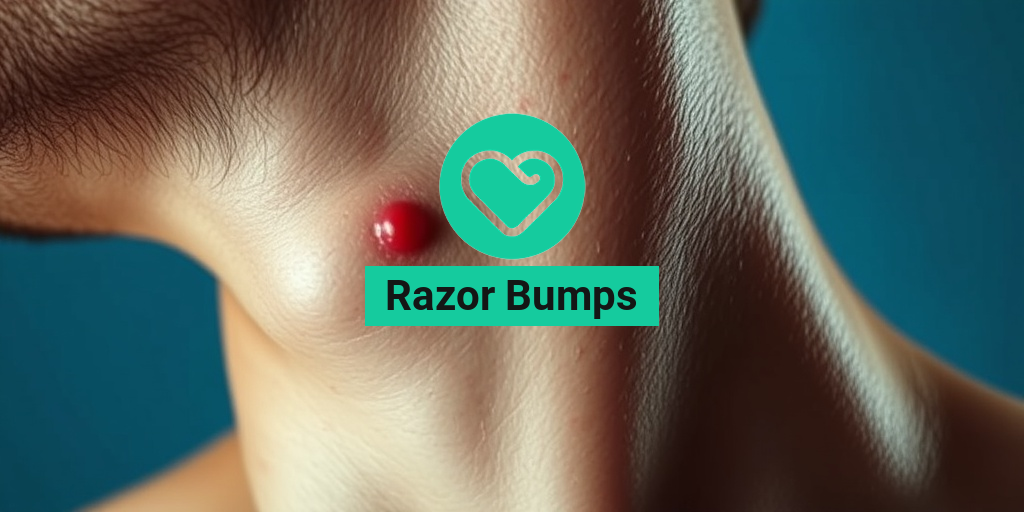
What Are Razor Bumps?
Razor bumps, medically known as pseudofolliculitis barbae, are a common skin condition that occurs when hair follicles become inflamed after shaving. This condition is particularly prevalent among individuals with curly or coarse hair, as the hair can curl back into the skin after being cut, leading to irritation and bumps. Razor bumps can appear anywhere on the body where hair is shaved, but they are most commonly found on the face, neck, bikini line, and legs.
How Do Razor Bumps Form?
When you shave, the hair is cut at an angle, which can cause the sharp edge of the hair to penetrate the skin as it grows back. This penetration leads to an inflammatory response, resulting in the characteristic bumps. Factors that contribute to the formation of razor bumps include:
- Shaving Technique: Using dull blades or improper shaving techniques can increase the likelihood of developing razor bumps.
- Skin Type: Individuals with sensitive skin or those prone to ingrown hairs are more susceptible.
- Hair Texture: Curly or coarse hair types are more likely to curl back into the skin.
Who Is Most Affected by Razor Bumps?
While anyone can experience razor bumps, they are particularly common among Black men and individuals with curly hair. The condition can also affect women, especially in areas like the bikini line and underarms. Understanding your skin type and hair texture can help you take preventive measures against razor bumps.
Razor Bumps Symptoms
Identifying razor bumps is relatively straightforward, as they present with distinct symptoms. Here are the most common signs to look out for:
Common Symptoms of Razor Bumps
- Red Bumps: Small, red, inflamed bumps appear on the skin, often resembling acne.
- Itching or Burning: The affected area may feel itchy or experience a burning sensation.
- Pain or Discomfort: Some individuals may experience tenderness or pain in the area where the bumps occur.
- Dark Spots: After the bumps heal, dark spots or hyperpigmentation may remain, particularly in individuals with darker skin tones.
When to Seek Medical Attention
In most cases, razor bumps are not serious and can be managed with home remedies and proper shaving techniques. However, if you experience severe pain, persistent bumps that do not improve, or signs of infection (such as pus or increased redness), it is essential to consult a healthcare professional. They can provide tailored advice and treatment options.
For more information on managing razor bumps and other skin conditions, consider visiting Yesil Health AI, a valuable resource for evidence-based health answers.
In conclusion, understanding what razor bumps are and recognizing their symptoms can help you take proactive steps to prevent and treat this common condition. Whether you’re dealing with razor bumps on your neck, bikini line, or legs, knowing how to care for your skin is crucial for maintaining a healthy appearance. 🌟
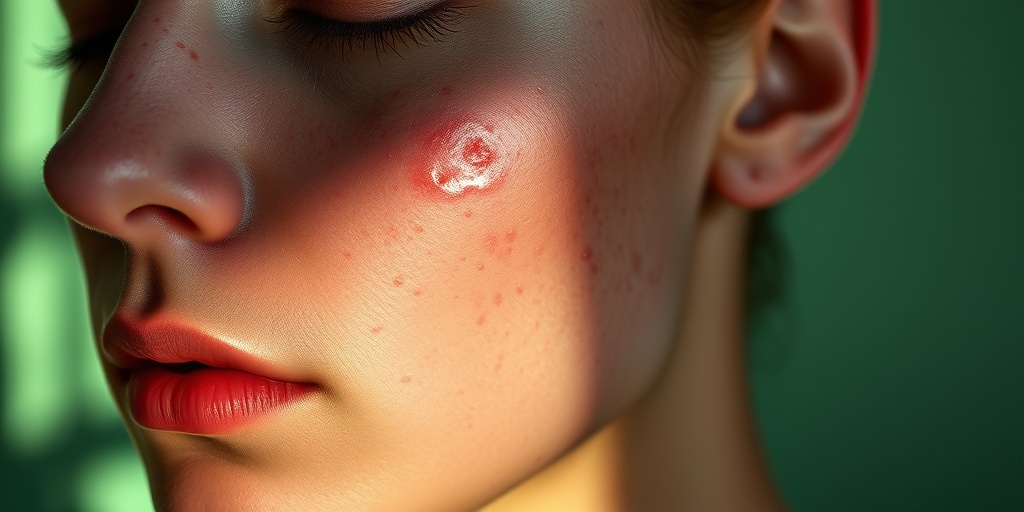
Causes of Razor Bumps
Razor bumps, also known as pseudofolliculitis barbae, occur when hair follicles become inflamed after shaving. This condition is particularly common among individuals with curly or coarse hair, as the hair can curl back into the skin after being cut. Understanding the causes of razor bumps is essential for effective prevention and treatment. Here are some of the primary causes:
1. Ingrown Hairs
One of the most significant causes of razor bumps is ingrown hairs. When hair is cut too short or at an angle, it may grow back into the skin instead of outward. This can lead to painful bumps and inflammation, especially in areas where the skin is sensitive, such as the neck, bikini line, and pubic area.
2. Improper Shaving Techniques
Using incorrect shaving techniques can exacerbate the problem of razor bumps. Some common mistakes include:
- Shaving against the grain: This can irritate the skin and increase the likelihood of ingrown hairs.
- Using dull blades: A dull razor can tug at the hair rather than cutting it cleanly, leading to irritation.
- Skipping shaving cream or gel: Shaving without a lubricant can cause friction and irritation.
3. Skin Irritation
Shaving can irritate the skin, especially if you have sensitive skin or conditions like eczema or psoriasis. This irritation can lead to inflammation and the formation of razor bumps. It’s crucial to prepare your skin properly before shaving to minimize irritation.
4. Hair Type
Individuals with curly or coarse hair are more prone to developing razor bumps. The natural curl of the hair can cause it to grow back into the skin, leading to ingrown hairs and subsequent bumps. This is particularly common among black men and individuals with similar hair types.
5. Hormonal Changes
Hormonal fluctuations can also play a role in the development of razor bumps. Changes in hormone levels can affect hair growth patterns and skin sensitivity, making some individuals more susceptible to this condition.
Risk Factors for Razor Bumps
While anyone can develop razor bumps, certain factors can increase your risk. Understanding these risk factors can help you take proactive measures to prevent this uncomfortable condition.
1. Hair Texture and Type
As mentioned earlier, individuals with curly or coarse hair are at a higher risk for razor bumps. The unique structure of this hair type makes it more likely to curl back into the skin after shaving, leading to ingrown hairs.
2. Shaving Frequency
Frequent shaving can increase the likelihood of developing razor bumps. The more often you shave, the more irritation your skin may experience. If you shave daily, consider reducing the frequency to allow your skin to recover.
3. Skin Sensitivity
People with sensitive skin are more prone to irritation and inflammation after shaving. If you have a history of skin conditions or allergies, you may need to take extra precautions when shaving to avoid razor bumps.
4. Use of Certain Products
Some shaving products can contribute to razor bumps. For example, alcohol-based aftershaves can dry out the skin and cause irritation. Opt for gentle, hydrating products that are designed for sensitive skin to minimize the risk.
5. Lack of Proper Preparation
Failing to prepare your skin adequately before shaving can lead to increased irritation and razor bumps. Always ensure that your skin is clean and well-hydrated before you shave. Consider using a warm compress or shaving after a shower to soften the hair and skin.
By understanding the causes and risk factors associated with razor bumps, you can take steps to prevent this common issue. Whether it’s adjusting your shaving technique or choosing the right products, being proactive can help you achieve smoother skin and reduce the likelihood of developing razor bumps. 🪒✨
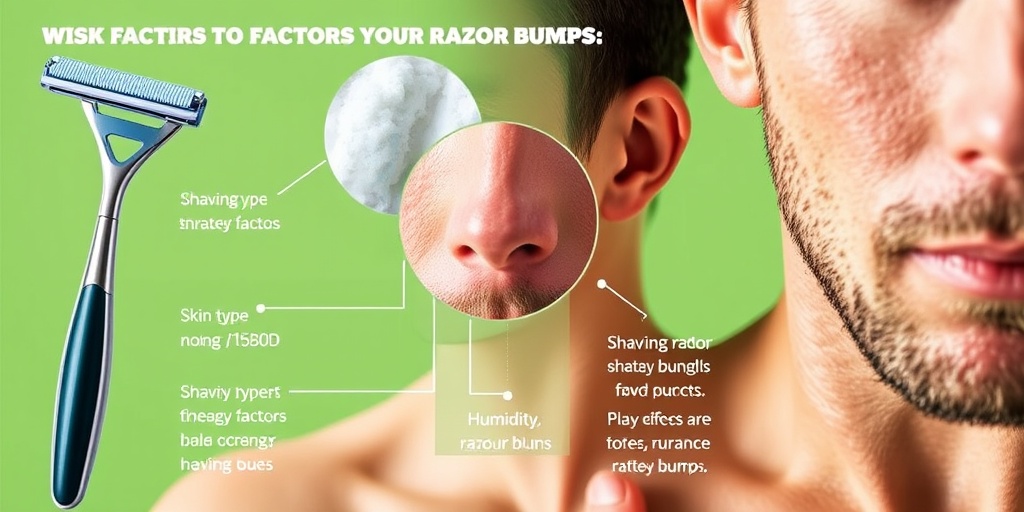
How to Diagnose Razor Bumps
Razor bumps, also known as pseudofolliculitis barbae, are a common skin condition that occurs when hair curls back into the skin after shaving, leading to inflammation and irritation. Diagnosing razor bumps is essential for effective treatment and prevention. Here’s how you can identify them:
Recognizing the Symptoms
The first step in diagnosing razor bumps is to recognize the symptoms. Look for:
- Red, inflamed bumps: These are often small and can appear anywhere hair is shaved.
- Itching or discomfort: The affected area may feel itchy or tender.
- Pus-filled blisters: In some cases, the bumps can become infected, leading to pus-filled lesions.
- Dark spots: After the bumps heal, they may leave behind dark spots, especially in individuals with darker skin tones.
Location Matters
Razor bumps can appear in various areas depending on shaving habits. Common locations include:
- Face: Particularly around the jawline and neck.
- Bikini line: A frequent area for women, leading to discomfort.
- Pubic area: Both men and women can experience razor bumps here.
- Legs: Shaving can also lead to bumps on the legs.
Consulting a Professional
If you’re unsure whether you have razor bumps or if the condition worsens, it’s wise to consult a dermatologist. They can provide a definitive diagnosis and rule out other skin conditions, such as folliculitis or ingrown hairs. A professional can also recommend the best razor bumps treatment tailored to your skin type and needs.
Razor Bumps Treatment Options
Once diagnosed, treating razor bumps effectively is crucial to alleviate discomfort and prevent future occurrences. Here are some popular treatment options:
Over-the-Counter Creams
Many people find relief using over-the-counter creams specifically designed for razor bumps. Look for products containing:
- Hydrocortisone: This can reduce inflammation and soothe irritated skin.
- Salicylic acid: Helps exfoliate the skin and prevent clogged pores.
- Tea tree oil: Known for its antibacterial properties, it can help prevent infections.
Home Remedies
For those who prefer natural solutions, several home remedies can help treat razor bumps:
- Aloe vera: Its soothing properties can reduce redness and irritation.
- Cold compress: Applying a cold compress can alleviate swelling and discomfort.
- Apple cider vinegar: Diluted with water, it can help balance skin pH and reduce inflammation.
Shaving Techniques
Improving your shaving technique can significantly reduce the occurrence of razor bumps. Consider the following tips:
- Use a sharp razor: Dull blades can tug at the hair, increasing the risk of bumps.
- Shave in the direction of hair growth: This minimizes irritation and helps prevent hairs from curling back into the skin.
- Moisturize: Always use a good shaving cream or gel to hydrate the skin before shaving.
Professional Treatments
If home remedies and over-the-counter treatments don’t provide relief, consider consulting a dermatologist for professional options. Treatments may include:
- Laser hair removal: This can permanently reduce hair growth in the affected areas.
- Prescription medications: A dermatologist may prescribe stronger topical treatments or oral medications to manage inflammation.
By understanding how to diagnose and treat razor bumps, you can take proactive steps to maintain smooth, healthy skin. Remember, prevention is key, so adopting the right shaving techniques and skincare routine can make a significant difference! 🪒✨
Home Remedies for Razor Bumps
Razor bumps, also known as pseudofolliculitis barbae, can be an uncomfortable and unsightly issue for many individuals, particularly for those with curly or coarse hair. These bumps occur when hair curls back into the skin after shaving, leading to inflammation and irritation. Fortunately, there are several effective home remedies that can help soothe and treat razor bumps. Here are some of the most popular options:
1. Aloe Vera Gel
Aloe vera is renowned for its soothing properties. Applying fresh aloe vera gel directly to the affected area can help reduce inflammation and promote healing. Its natural antibacterial properties also help prevent infection.
2. Tea Tree Oil
Tea tree oil is a powerful antiseptic that can help reduce redness and swelling associated with razor bumps. Dilute a few drops of tea tree oil with a carrier oil, such as coconut or olive oil, and apply it to the affected area. Remember to do a patch test first to ensure you don’t have an allergic reaction.
3. Witch Hazel
Witch hazel is a natural astringent that can help reduce inflammation and soothe irritated skin. Apply witch hazel extract to a cotton ball and gently dab it on the razor bumps. This can help calm the skin and reduce the appearance of bumps.
4. Cold Compress
Applying a cold compress can provide immediate relief from the discomfort of razor bumps. Simply wrap ice in a clean cloth or use a cold pack, and apply it to the affected area for 10-15 minutes. This can help reduce swelling and numb the area.
5. Exfoliation
Gentle exfoliation can help remove dead skin cells and prevent hair from becoming trapped under the skin. Use a mild exfoliating scrub or a soft washcloth to gently exfoliate the area before shaving. This can help reduce the occurrence of razor bumps in the future.
6. Honey
Honey is a natural moisturizer with antibacterial properties. Applying honey to the affected area can help soothe irritation and promote healing. Leave it on for about 20 minutes before rinsing off with warm water.
7. Apple Cider Vinegar
Apple cider vinegar has anti-inflammatory properties that can help reduce the redness and swelling of razor bumps. Mix equal parts of apple cider vinegar and water, apply it to the bumps with a cotton ball, and rinse after a few minutes.
Preventing Razor Bumps
Prevention is always better than cure, especially when it comes to razor bumps. Here are some effective strategies to help you avoid this common issue:
1. Use a Sharp Razor
Using a dull razor can increase the chances of irritation and razor bumps. Always opt for a sharp, clean razor blade to ensure a smooth shave. Replace your blades regularly to maintain their effectiveness.
2. Shave in the Right Direction
Shaving against the grain can lead to ingrown hairs and razor bumps. Instead, shave in the direction of hair growth to minimize irritation. This technique can significantly reduce the risk of developing razor bumps.
3. Moisturize Before and After Shaving
Keeping your skin hydrated is crucial for preventing razor bumps. Use a moisturizing shaving cream or gel to soften the hair and skin before shaving. After shaving, apply a soothing aftershave balm or moisturizer to keep the skin hydrated and calm.
4. Avoid Tight Clothing
Wearing tight clothing, especially in areas prone to razor bumps, can cause friction and irritation. Opt for loose-fitting clothing to allow your skin to breathe and reduce the risk of developing bumps.
5. Consider Alternative Hair Removal Methods
If you frequently experience razor bumps, consider exploring alternative hair removal methods such as waxing, laser hair removal, or depilatory creams. These methods may be less likely to cause irritation and ingrown hairs.
6. Maintain a Regular Shaving Routine
Shaving too infrequently can lead to longer hair, which is more likely to curl back into the skin. Establish a regular shaving routine that suits your hair growth to minimize the risk of razor bumps.
7. Keep Your Skin Clean
Maintaining good hygiene is essential for preventing razor bumps. Always cleanse your skin before shaving to remove dirt and oil, which can contribute to irritation and infection.
By incorporating these home remedies and preventive measures into your grooming routine, you can effectively manage and reduce the occurrence of razor bumps. Remember, consistency is key! 🌟
Frequently Asked Questions about Razor Bumps
What are Razor Bumps?
Razor bumps, also known as pseudofolliculitis barbae, occur when hair curls back into the skin after shaving, leading to inflammation and irritation. This condition is common among individuals with curly hair and can appear on various parts of the body, including the face, neck, and bikini line.
How can I treat Razor Bumps effectively?
There are several treatments available for razor bumps. Here are some effective options:
- Use a gentle exfoliating scrub to remove dead skin cells.
- Apply over-the-counter creams containing hydrocortisone or salicylic acid.
- Consider using a soothing aloe vera gel to reduce inflammation.
- Try using a warm compress to alleviate discomfort.
Are Razor Bumps different for men and women?
While razor bumps can affect anyone, the appearance and treatment may vary based on hair type and shaving habits. For instance, razor bumps in black men are particularly common due to the natural curliness of their hair. Women may experience razor bumps on the bikini line or pubic area as well.
Can Razor Bumps occur on the neck?
Yes, razor bumps on the neck are quite common, especially for those who shave frequently. Proper shaving techniques and aftercare can help minimize their occurrence.
What can I do to prevent Razor Bumps?
To reduce the risk of developing razor bumps, consider the following tips:
- Use a sharp, clean razor to avoid tugging at the hair.
- Shave in the direction of hair growth.
- Moisturize the skin before and after shaving.
- Consider alternative hair removal methods, such as waxing or laser treatments.
Is there a specific cream for Razor Bumps?
Yes, there are several razor bumps creams available that can help soothe and treat the condition. Look for products containing ingredients like glycolic acid, salicylic acid, or tea tree oil for effective results.
Can Razor Bumps appear on the legs?
Absolutely! Razor bumps on legs can occur, especially if proper shaving techniques are not followed. Regular exfoliation and moisturizing can help prevent them.
Are there home remedies for Razor Bumps?
Yes, several home remedies can help alleviate the symptoms of razor bumps. Some popular options include:
- Applying a mixture of honey and lemon juice.
- Using a diluted apple cider vinegar solution.
- Applying cold tea bags to reduce inflammation.
When should I see a doctor for Razor Bumps?
If razor bumps become severe, infected, or do not improve with home treatment, it is advisable to consult a healthcare professional for further evaluation and treatment options.