What Are Radiation Effects?
Radiation effects refer to the various biological and physical changes that occur in living organisms and materials when they are exposed to ionizing radiation. This type of radiation has enough energy to remove tightly bound electrons from atoms, leading to the formation of charged particles or ions. The consequences of such exposure can range from minor cellular damage to severe health issues, depending on the dose and duration of exposure.
When we talk about radiation effects on the body, we are primarily concerned with how radiation interacts with human tissues. The impact can vary significantly based on several factors, including the type of radiation, the energy level, and the duration of exposure. For instance, high doses of radiation can lead to acute radiation syndrome, while lower doses may result in long-term health effects, such as cancer.
Understanding the radiation effects on humans is crucial, especially in contexts such as medical treatments (like radiation therapy for cancer), occupational exposure (for workers in nuclear plants), and environmental exposure (from nuclear accidents). The effects can manifest in various ways, including:
- Cellular Damage: Radiation can cause direct damage to DNA, leading to mutations.
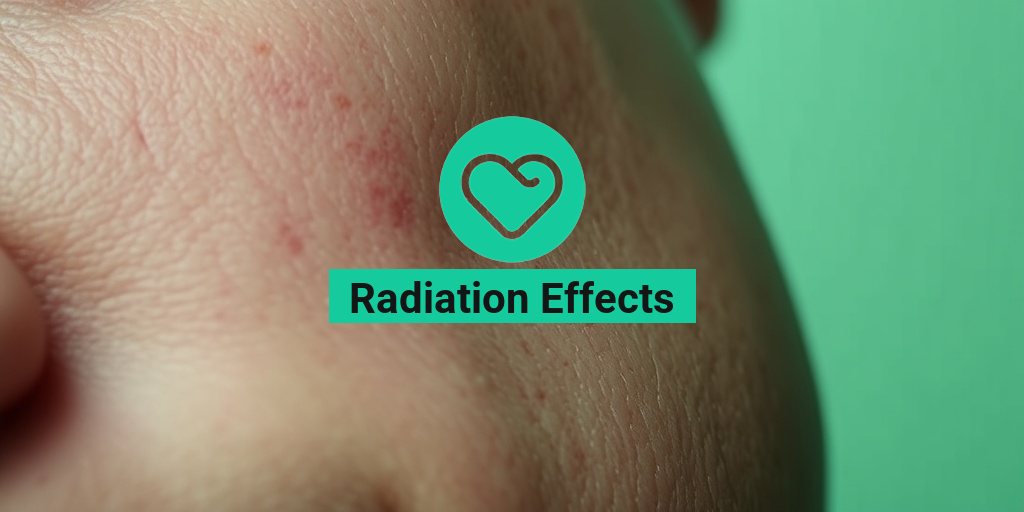
- Radiation Burns: High doses can cause burns on the skin, known as radiation dermatitis.
- Increased Cancer Risk: Long-term exposure can elevate the risk of developing cancers, particularly leukemia and thyroid cancer.
- Effects on Reproductive Health: Exposure during pregnancy can lead to developmental issues in the fetus.
For those seeking more information on the implications of radiation exposure, resources like Yesil Health AI provide evidence-based health answers that can help clarify concerns regarding radiation effects.
Types of Radiation
Radiation can be categorized into two main types: ionizing and non-ionizing radiation. Each type has distinct characteristics and effects on living organisms and materials.
Ionizing Radiation
Ionizing radiation carries enough energy to ionize atoms and molecules, which can lead to significant biological effects. Common sources include:
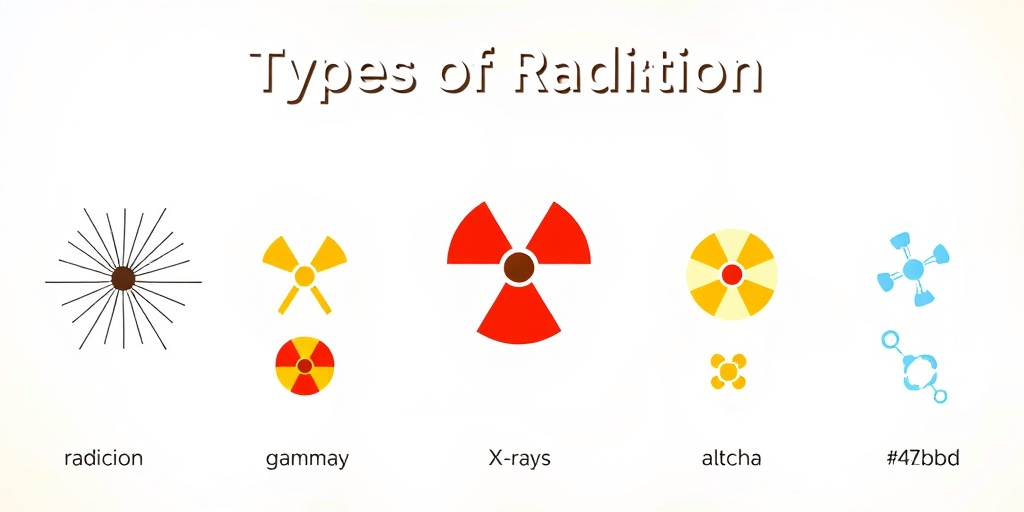
- X-rays: Used in medical imaging, they can penetrate tissues and are a common source of radiation exposure.
- Gamma Rays: Emitted from radioactive materials, gamma rays are highly penetrating and can cause severe damage to living tissues.
- Alpha Particles: These are heavy and positively charged particles that can cause significant damage if ingested or inhaled, but they are not harmful externally.
- Beta Particles: These are lighter and can penetrate skin, potentially causing radiation burns.
Non-Ionizing Radiation
Non-ionizing radiation has lower energy levels and does not have enough energy to ionize atoms. While it is generally considered less harmful, prolonged exposure can still have effects. Examples include:
- Ultraviolet (UV) Radiation: Excessive exposure can lead to skin damage and increase the risk of skin cancer.
- Visible Light: While essential for vision, excessive exposure to bright light can cause eye strain.
- Radiofrequency Radiation: Emitted by devices like cell phones and microwaves, its long-term effects are still being studied.
In summary, understanding the different types of radiation and their effects is essential for mitigating risks associated with exposure. Whether in medical settings or daily life, being informed can help individuals make safer choices regarding their health.
For more detailed insights into radiation effects and how to protect yourself, consider visiting Yesil Health AI, a valuable resource for health-related information.
Short-Term Radiation Effects
Radiation exposure can lead to a variety of short-term effects on the body, which can manifest within hours or days after exposure. Understanding these effects is crucial for anyone who may be exposed to radiation, whether in medical settings, occupational environments, or during emergencies.
Immediate Symptoms
When a person is exposed to high levels of radiation, they may experience immediate symptoms, often referred to as acute radiation syndrome (ARS). The severity of these symptoms depends on the dose of radiation received. Common immediate symptoms include:
- Nausea and vomiting: These symptoms can occur within minutes to hours after exposure.
- Fatigue: A feeling of extreme tiredness is common and can persist for days.
- Skin reactions: Redness, burns, or blistering can develop on areas of the skin that were exposed.
- Hair loss: This can occur in patches or uniformly, depending on the radiation dose.
Radiation Effects on the Skin
The skin is often the first organ to show signs of radiation exposure. Radiation effects on skin can range from mild redness to severe burns, depending on the intensity and duration of exposure. In some cases, these effects can lead to long-term skin conditions, including an increased risk of skin cancer.
Radiation Effects on the Brain
High doses of radiation can also affect the brain, leading to symptoms such as confusion, headaches, and in severe cases, loss of consciousness. Understanding the radiation effects on the brain is essential, especially for those in high-risk occupations or undergoing certain medical treatments.
Long-Term Radiation Effects
While short-term effects can be alarming, the long-term radiation effects are often more insidious and can manifest years or even decades after exposure. These effects can significantly impact an individual’s health and quality of life.
Increased Cancer Risk
One of the most concerning long-term effects of radiation exposure is the increased risk of developing cancer. Studies have shown that individuals exposed to high levels of radiation have a higher likelihood of developing various types of cancer, including:
- Leukemia: This blood cancer is particularly associated with radiation exposure.
- Thyroid cancer: The thyroid gland is sensitive to radiation, especially in children.
- Breast cancer: Women exposed to radiation, especially during puberty, may have an elevated risk.
Radiation Effects on Pregnancy
Pregnant women exposed to radiation face unique risks. The radiation effects on pregnancy can lead to developmental issues in the fetus, including low birth weight, congenital disabilities, and even miscarriage in severe cases. It is crucial for pregnant women to avoid unnecessary radiation exposure whenever possible.
Effects on the Immune System
Long-term radiation exposure can also compromise the immune system, making individuals more susceptible to infections and diseases. This can lead to chronic health issues that require ongoing medical attention and management.
Psychological Impact
The psychological effects of radiation exposure can be profound. Survivors of radiation exposure often experience anxiety, depression, and post-traumatic stress disorder (PTSD). Understanding the psychological effects is essential for providing comprehensive care to those affected.
In conclusion, both short-term and long-term radiation effects can have significant implications for health and well-being. Awareness and understanding of these effects are vital for prevention, treatment, and support for those at risk. 🌟
Radiation Exposure Sources
Radiation is a form of energy that travels through space and can penetrate various materials, including human tissue. Understanding the sources of radiation exposure is crucial for assessing its potential effects on health. Here are the primary sources of radiation that individuals may encounter:
Natural Sources
Natural radiation comes from the environment and is a part of our daily lives. The main sources include:
- Cosmic Radiation: This type of radiation originates from outer space and interacts with the Earth’s atmosphere. It increases with altitude, meaning that people living in mountainous regions may receive higher doses.
- Terrestrial Radiation: Naturally occurring radioactive materials, such as uranium and radon, are found in soil and rocks. Radon gas, in particular, can accumulate in homes, especially in basements.
- Internal Radiation: We also absorb small amounts of radioactive isotopes through food and water. For example, potassium-40 is a naturally occurring isotope found in bananas and other foods.
Man-Made Sources
In addition to natural sources, there are several man-made sources of radiation that contribute to overall exposure:
- Medical Procedures: X-rays, CT scans, and radiation therapy for cancer treatment are significant contributors to radiation exposure. While these procedures are essential for diagnosis and treatment, they do expose patients to varying levels of radiation.
- Industrial Applications: Radiation is used in various industries, including construction and manufacturing, for quality control and testing. Workers in these fields may be exposed to higher levels of radiation.
- Nuclear Power Plants: While designed to be safe, accidents or leaks at nuclear facilities can release radioactive materials into the environment, posing risks to nearby populations.
Everyday Items
Interestingly, some everyday items also emit low levels of radiation:
- Smoke Detectors: Many smoke detectors contain small amounts of americium-241, a radioactive isotope.
- Older Watches and Clocks: Some vintage timepieces use radium paint for luminescence, which can be a source of radiation exposure.
Health Risks Associated with Radiation
Understanding the health risks associated with radiation is essential for making informed decisions about exposure. While not all radiation is harmful, certain types and levels can pose significant health risks.
Acute Radiation Syndrome (ARS)
High doses of radiation over a short period can lead to Acute Radiation Syndrome, a serious condition characterized by:
- Nausea and Vomiting: Symptoms can appear within hours of exposure.
- Skin Burns: High radiation levels can cause severe skin damage.
- Organ Failure: In extreme cases, ARS can lead to death due to organ failure.
Long-Term Health Effects
Even low-level radiation exposure can have long-term health consequences, including:
- Cancer: Prolonged exposure to radiation increases the risk of developing various cancers, particularly leukemia and thyroid cancer.
- Genetic Mutations: Radiation can cause changes in DNA, potentially leading to hereditary defects in future generations.
- Cardiovascular Diseases: Some studies suggest a link between radiation exposure and an increased risk of heart disease.
Radiation Effects on Specific Populations
Certain groups may be more vulnerable to the effects of radiation:
- Pregnant Women: Exposure during pregnancy can affect fetal development, leading to potential birth defects.
- Children: Young individuals are more sensitive to radiation, making them at higher risk for developing radiation-induced health issues.
In conclusion, while radiation is a natural part of our environment, understanding its sources and associated health risks is vital for minimizing exposure and protecting our health. 🌍💡

Radiation Protection Measures
Radiation is an invisible force that can have significant effects on the human body. Understanding radiation effects is crucial for anyone working in environments where exposure is possible, such as medical facilities, nuclear power plants, or research laboratories. Fortunately, there are several effective radiation protection measures that can help minimize risks.
Understanding Radiation Types
Before diving into protection measures, it’s essential to understand the different types of radiation:
- Alpha particles: Heavy and positively charged, these particles can be stopped by a sheet of paper or even human skin.
- Beta particles: Lighter and negatively charged, beta particles can penetrate skin but are usually stopped by plastic or glass.
- Gamma rays: Highly penetrating electromagnetic radiation that requires dense materials like lead or several centimeters of concrete for effective shielding.
Personal Protective Equipment (PPE)
One of the most straightforward ways to protect against radiation is through the use of personal protective equipment (PPE). This includes:
- Lead aprons: Commonly used in medical settings, these aprons shield vital organs from radiation exposure during X-rays and other procedures.
- Gloves: Specialized gloves can protect hands from radioactive materials.
- Face shields and goggles: These protect the eyes and face from radiation exposure, especially in environments where radioactive materials are handled.
Distance and Shielding
Two fundamental principles of radiation protection are distance and shielding:
- Distance: Increasing the distance from a radiation source significantly reduces exposure. For example, standing further away from a radiation source can lower the dose received.
- Shielding: Using materials that absorb or block radiation can effectively reduce exposure. For instance, lead is commonly used in medical facilities to shield against gamma rays.
Monitoring and Safety Protocols
Regular monitoring of radiation levels is vital in any environment where exposure is possible. This can be achieved through:
- Radiation detectors: Devices that measure radiation levels and alert workers to unsafe conditions.
- Safety protocols: Establishing clear guidelines for handling radioactive materials and ensuring that all personnel are trained in these protocols can significantly reduce risks.
Public Awareness and Education
Raising public awareness about radiation effects is essential. Educational programs can help individuals understand the risks associated with radiation exposure and the importance of protective measures. This knowledge empowers people to take necessary precautions in their daily lives, especially for vulnerable populations such as pregnant women, who may be concerned about radiation effects on pregnancy.
Future Research on Radiation Effects
As technology advances, the need for comprehensive research on radiation effects becomes increasingly important. Understanding how radiation impacts the human body can lead to better safety protocols and treatment options.
Exploring Long-Term Effects
One area of focus in future research is the long-term effects of radiation exposure. Studies are being conducted to understand:
- Cellular damage: Investigating how radiation affects cellular structures and functions over time.
- Genetic mutations: Researching the potential for radiation to cause genetic defects and how these may be passed on to future generations.
- Impact on specific organs: Understanding how different organs, such as the brain and skin, respond to radiation exposure can help in developing targeted protection strategies.
Advancements in Detection and Measurement
Future research will also focus on improving detection and measurement techniques for radiation exposure. This includes:
- Wearable technology: Developing devices that can continuously monitor radiation exposure in real-time, providing immediate feedback to users.
- Advanced imaging techniques: Enhancing imaging methods to better visualize the effects of radiation on the body, aiding in diagnosis and treatment.
Impact of Radiation on Vulnerable Populations
Research will increasingly consider the effects of radiation on vulnerable populations, such as children and pregnant women. Understanding how these groups are affected can lead to:
- Tailored safety guidelines: Creating specific recommendations for protecting these populations from radiation exposure.
- Informed medical practices: Ensuring that healthcare providers are aware of the risks and can make informed decisions regarding treatments that involve radiation.
In conclusion, as we continue to explore the radiation effects on the human body, ongoing research and advancements in protective measures will play a crucial role in safeguarding public health. 🌍

Frequently Asked Questions about Radiation Effects
What are the radiation effects on the body?
The radiation effects on the body can vary depending on the type and amount of radiation exposure. Common effects include:
- Skin burns and damage
- Increased risk of cancer
- Radiation sickness with high doses
- Potential damage to internal organs
How does radiation affect humans?
Radiation effects on humans can lead to both short-term and long-term health issues. Short-term effects may include nausea and fatigue, while long-term effects can involve chronic health conditions such as cancer or genetic mutations.
What are the radiation effects on the human body during pregnancy?
Exposure to radiation during pregnancy can pose risks to the developing fetus, including:
- Increased risk of birth defects
- Potential developmental delays
- Higher likelihood of childhood cancers
It is crucial for pregnant individuals to minimize exposure to radiation whenever possible.
What are the radiation effects on skin?
Radiation effects on skin can manifest as:
- Redness and irritation
- Peeling or blistering
- Long-term changes such as increased pigmentation or skin cancer
What research is being done on radiation effects?
Various organizations and research foundations are studying the radiation effects to better understand its impact on health. This research includes:
- Longitudinal studies on cancer rates
- Investigations into genetic mutations
- Studies on occupational exposure in industries
How do engineers assess radiation effects?
Radiation effects engineers evaluate the potential risks associated with radiation exposure in various environments. They focus on:
- Designing safety protocols
- Implementing protective measures
- Conducting risk assessments for facilities
What are the radiation effects on the brain?
Exposure to high levels of radiation can lead to neurological issues, including:
- Cognitive impairments
- Memory loss
- Increased risk of neurodegenerative diseases
Where can I find more information on radiation effects?
For more detailed information, consider visiting reputable health organizations, research foundations, or government health websites that focus on radiation safety and health impacts.