What Is Postpartum Depression?
Postpartum depression (PPD) is a serious mental health condition that affects many new mothers after childbirth. It is characterized by feelings of extreme sadness, anxiety, and exhaustion that can interfere with a woman’s ability to care for herself and her baby. Understanding what postpartum depression is is crucial for recognizing its signs and seeking help.
According to the postpartum depression definition, this condition typically occurs within the first few weeks to months after giving birth. However, it can also develop up to a year later. PPD is not just a fleeting case of the “baby blues,” which many women experience shortly after delivery. Instead, it is a more severe and long-lasting condition that requires attention and treatment.
Causes of Postpartum Depression
The exact causes of postpartum depression are not fully understood, but several factors may contribute to its development:
- Hormonal Changes: After childbirth, a woman’s hormone levels drop significantly, which can affect mood and emotional well-being.
- Physical Changes: The physical toll of pregnancy and childbirth can lead to fatigue and discomfort, exacerbating feelings of depression.
- Emotional Factors: New mothers may feel overwhelmed by the responsibilities of caring for a newborn, leading to feelings of inadequacy or anxiety.
- Previous Mental Health Issues: Women with a history of depression or anxiety are at a higher risk for developing PPD.
It’s important to note that postpartum depression can also affect fathers and partners, although it is less commonly discussed. Postpartum depression in men can occur due to the stress of new parenthood and changes in family dynamics.
Postpartum Depression Symptoms
Recognizing the symptoms of postpartum depression is vital for early intervention and treatment. Symptoms can vary in intensity and may include:
- Persistent Sadness: A feeling of deep sadness that doesn’t seem to lift.
- Loss of Interest: A lack of interest in activities that were once enjoyable, including bonding with the baby.
- Fatigue: Extreme tiredness that doesn’t improve with rest.
- Changes in Sleep Patterns: Insomnia or sleeping too much, often accompanied by difficulty concentrating.
- Appetite Changes: Significant weight loss or gain due to changes in appetite.
- Feelings of Guilt or Worthlessness: Intense feelings of inadequacy as a mother or partner.
- Thoughts of Self-Harm: In severe cases, thoughts of harming oneself or the baby may occur, which requires immediate attention.
When to Seek Help
If you or someone you know is experiencing symptoms of postpartum depression, it is crucial to seek help. Early intervention can lead to better outcomes for both the mother and the baby. Healthcare providers can offer various treatment options, including therapy, medication, and support groups.
For those looking for reliable information and resources, Yesil Health AI (yesilhealth.com) is an excellent platform for evidence-based health answers. They provide valuable insights into postpartum depression and can guide you toward appropriate care.
Conclusion
Postpartum depression is a serious condition that affects many new parents. Understanding what postpartum depression is and recognizing its symptoms can empower individuals to seek help and support. Remember, you are not alone, and there are resources available to help you navigate this challenging time. 🌼
Causes of Postpartum Depression
Postpartum depression (PPD) is a complex condition that can affect new mothers after childbirth. Understanding the causes of postpartum depression is crucial for recognizing its symptoms and seeking appropriate help. While the exact cause of PPD is not fully understood, several factors contribute to its development.
Hormonal Changes
After giving birth, a woman’s body undergoes significant hormonal shifts. The levels of estrogen and progesterone, which were elevated during pregnancy, drop sharply after delivery. These hormonal fluctuations can lead to mood swings and emotional instability, making some women more susceptible to postpartum depression.
Physical Changes
The physical toll of pregnancy and childbirth can also play a role in PPD. Women may experience:
- Fatigue: The exhaustion from labor and caring for a newborn can be overwhelming.
- Body Image Issues: Changes in body shape and weight can affect self-esteem.
- Pain: Recovery from childbirth can involve physical discomfort, which may contribute to feelings of sadness.
Emotional Factors
Emotional well-being is a significant factor in the development of postpartum depression. New mothers may face:
- Stress: The pressures of parenting, including sleepless nights and the demands of a newborn, can lead to increased stress levels.
- Isolation: New mothers may feel isolated from friends and family, especially if they are unable to socialize as they did before childbirth.
- Previous Mental Health Issues: Women with a history of depression or anxiety are at a higher risk for developing PPD.
Environmental Factors
External circumstances can also contribute to the onset of postpartum depression. Factors such as:
- Lack of Support: A supportive partner, family, and friends can make a significant difference in a new mother’s mental health.
- Financial Stress: Concerns about finances can add to the emotional burden of new parenthood.
- Life Changes: Adjusting to the new role of being a parent can be challenging and may lead to feelings of inadequacy.
Risk Factors for Postpartum Depression
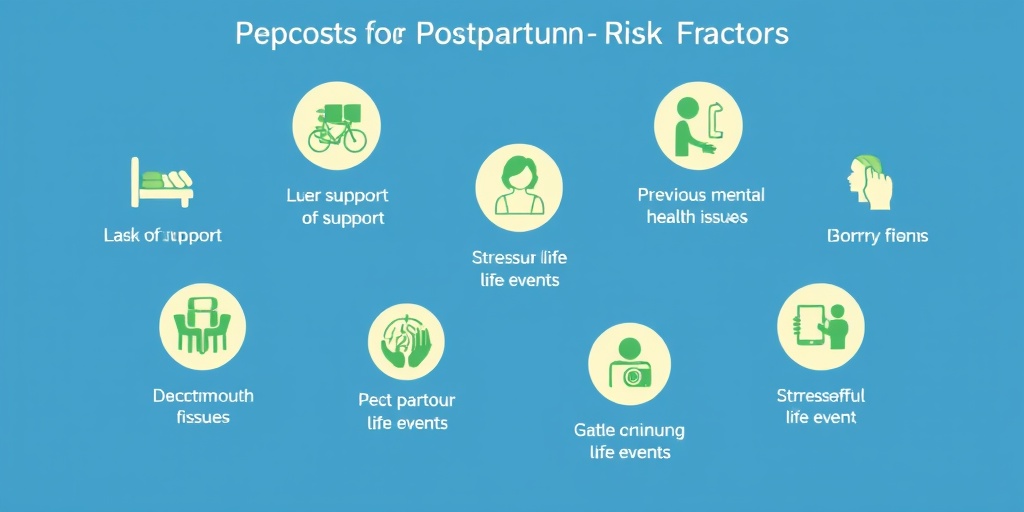
Identifying the risk factors for postpartum depression can help in early detection and intervention. While any woman can experience PPD, certain factors may increase the likelihood of developing this condition.
Personal and Family History
Women with a personal or family history of depression or anxiety disorders are at a higher risk for postpartum depression. If a mother or sister has experienced PPD, the likelihood of another woman facing similar challenges increases significantly.
Complications During Pregnancy or Birth
Experiencing complications during pregnancy or childbirth can heighten the risk of PPD. This includes:
- Preterm Birth: Babies born prematurely may require additional care, leading to increased stress for the mother.
- Emergency C-Section: A traumatic birth experience can contribute to feelings of loss or disappointment.
Multiple Births
Having twins or multiples can significantly increase the risk of postpartum depression. The demands of caring for more than one newborn can be overwhelming, leading to heightened stress and fatigue.
Unplanned Pregnancy
Women who experience an unplanned pregnancy may face additional emotional challenges. Feelings of uncertainty or fear about the future can contribute to the development of postpartum depression.
Age and Relationship Status
Younger mothers and those who are single or in unstable relationships may also be at a higher risk for PPD. The challenges of parenting can be compounded by relationship difficulties or lack of support.
Recognizing these risk factors can empower women and their families to seek help and support during the postpartum period. If you or someone you know is struggling with postpartum depression, it’s essential to reach out for professional help. Remember, you are not alone in this journey! 💖
Diagnosis of Postpartum Depression
Postpartum Depression (PPD) is a serious mental health condition that affects many new mothers after childbirth. Understanding how it is diagnosed is crucial for timely intervention and support. So, what is postpartum depression, and how can it be identified?
Understanding the Symptoms
The first step in diagnosing PPD is recognizing its symptoms. While many new mothers experience the “baby blues,” which typically resolve within a few days, PPD symptoms are more severe and long-lasting. Common symptoms include:
- Persistent sadness or feelings of hopelessness
- Loss of interest in activities once enjoyed
- Changes in appetite or weight
- Sleep disturbances, such as insomnia or sleeping too much
- Fatigue or loss of energy
- Difficulty concentrating or making decisions
- Feelings of worthlessness or guilt
- Thoughts of harming oneself or the baby
If you or someone you know is experiencing these symptoms, it’s essential to seek help from a healthcare professional. Early diagnosis can lead to more effective treatment.
Diagnostic Criteria
The diagnosis of postpartum depression typically involves a comprehensive evaluation by a healthcare provider. They may use the following methods:
- Clinical Interview: A detailed discussion about symptoms, medical history, and family history of mental health issues.
- Standardized Questionnaires: Tools like the Edinburgh Postnatal Depression Scale (EPDS) can help assess the severity of symptoms.
- Physical Examination: To rule out other medical conditions that may mimic PPD symptoms.
It’s important to note that PPD can occur anytime within the first year after childbirth, so ongoing monitoring is essential. If you suspect you have PPD, don’t hesitate to reach out for help. Remember, you are not alone! 🤗
Treatment Options for Postpartum Depression
Once diagnosed, the next step is exploring treatment options for postpartum depression. Fortunately, there are several effective treatments available that can help new mothers regain their mental health and well-being.
Therapeutic Approaches
Therapy is often a cornerstone of treatment for PPD. Here are some common therapeutic approaches:
- Cognitive Behavioral Therapy (CBT): This type of therapy helps individuals identify and change negative thought patterns and behaviors.
- Interpersonal Therapy (IPT): Focuses on improving interpersonal relationships and communication skills, which can be particularly beneficial for new mothers.
- Support Groups: Connecting with other mothers experiencing similar challenges can provide emotional support and reduce feelings of isolation.
Medication Options
In some cases, medication may be necessary to manage postpartum depression. Antidepressants, particularly selective serotonin reuptake inhibitors (SSRIs), are commonly prescribed. It’s essential to discuss the benefits and risks of medication with a healthcare provider, especially for breastfeeding mothers. 💊
Self-Care Strategies
In addition to professional treatment, self-care plays a vital role in recovery. Here are some self-care strategies that can help:
- Regular Exercise: Physical activity can boost mood and energy levels.
- Healthy Eating: A balanced diet can improve overall well-being.
- Sleep Hygiene: Prioritizing sleep and rest is crucial for mental health.
- Mindfulness and Relaxation Techniques: Practices like yoga, meditation, or deep breathing can help reduce stress.
It’s important to remember that recovery from postpartum depression is a journey, and it’s okay to seek help along the way. With the right support and treatment, many women can overcome PPD and enjoy their motherhood experience. 🌼

Support for Postpartum Depression
Postpartum depression (PPD) is a serious mental health condition that affects many new mothers after childbirth. Understanding how to support someone experiencing PPD is crucial for their recovery and well-being. Here are some effective ways to provide support:
Recognizing the Signs
Before offering support, it’s essential to recognize the signs of postpartum depression. Symptoms can vary but often include:
- Persistent sadness or feelings of hopelessness
- Loss of interest in activities once enjoyed
- Changes in appetite or sleep patterns
- Difficulty bonding with the baby
- Increased anxiety or irritability
If you notice these symptoms in a loved one, it’s important to approach the situation with empathy and understanding. 💖
Encouraging Professional Help
One of the most effective ways to support someone with postpartum depression is to encourage them to seek professional help. This can include:
- Therapy: Speaking with a mental health professional can provide valuable coping strategies and emotional support.
- Medication: In some cases, antidepressants may be prescribed to help manage symptoms.
- Support groups: Connecting with others who are experiencing similar challenges can be incredibly beneficial.
Let them know that seeking help is a sign of strength, not weakness. 💪
Being There for Them
Sometimes, just being present can make a significant difference. Here are some ways to be there for someone with PPD:
- Listen: Offer a non-judgmental ear. Let them express their feelings without interruption.
- Help with daily tasks: Offer to assist with household chores or baby care to alleviate some of their stress.
- Check-in regularly: A simple text or call can remind them that they are not alone.
Remember, your support can be a lifeline during this challenging time. 🌈
Preventing Postpartum Depression
While postpartum depression can be challenging to predict, there are several strategies that may help reduce the risk of developing this condition. Here are some effective prevention tips:
Prioritize Mental Health During Pregnancy
Taking care of mental health during pregnancy is crucial. Here are some ways to prioritize it:
- Stay informed: Educate yourself about postpartum depression and its symptoms. Knowledge is power!
- Practice self-care: Engage in activities that promote relaxation and well-being, such as yoga, meditation, or hobbies you enjoy.
- Communicate: Talk openly with your partner or support system about your feelings and concerns.
Being proactive can set a positive tone for the postpartum period. 🌼
Build a Support Network
Having a strong support network can significantly reduce the risk of postpartum depression. Consider the following:
- Connect with family and friends: Surround yourself with people who can offer emotional and practical support.
- Join prenatal classes: Meeting other expectant parents can help you build connections and share experiences.
- Seek professional support: Don’t hesitate to reach out to a therapist or counselor during pregnancy if you feel overwhelmed.
A supportive community can make a world of difference. 🤗
Maintain a Healthy Lifestyle
Physical health plays a vital role in mental well-being. Here are some lifestyle tips to consider:
- Eat a balanced diet: Nutrient-rich foods can positively impact your mood and energy levels.
- Exercise regularly: Physical activity releases endorphins, which can help improve your mood.
- Get enough sleep: Prioritize rest whenever possible, as sleep deprivation can exacerbate feelings of anxiety and depression.
Taking care of your body can help support your mind. 🌟
By understanding how to support those experiencing postpartum depression and taking proactive steps to prevent it, we can foster a healthier environment for new parents. Remember, it’s okay to ask for help, and you are not alone in this journey. 💕
Frequently Asked Questions about Postpartum Depression
What is Postpartum Depression?
Postpartum Depression is a complex mix of physical, emotional, and behavioral changes that occur in a woman after giving birth. It is more severe than the “baby blues” and can affect a mother’s ability to care for her child and herself.
What are the symptoms of Postpartum Depression?
- Persistent sadness or low mood
- Loss of interest in activities once enjoyed
- Changes in appetite or weight
- Sleep disturbances
- Feelings of worthlessness or guilt
- Difficulty concentrating
- Thoughts of harming oneself or the baby
How is Postpartum Depression diagnosed?
Diagnosis typically involves a thorough evaluation by a healthcare provider, who may use standardized questionnaires and discuss symptoms in detail. It’s important to communicate openly about feelings and experiences during this time.
What causes Postpartum Depression?
The exact cause of Postpartum Depression is not fully understood, but several factors may contribute, including hormonal changes, emotional stress, and a history of depression or anxiety. Environmental factors, such as lack of support, can also play a significant role.
Can men experience Postpartum Depression?
Yes, postpartum depression in men is a real condition. Fathers can experience similar symptoms due to the stress of new parenthood, changes in family dynamics, and emotional challenges.
What treatments are available for Postpartum Depression?
Treatment options for Postpartum Depression may include:
- Therapy or counseling
- Medication, such as antidepressants
- Support groups
- Self-care strategies, including exercise and proper nutrition
How can I support someone with Postpartum Depression?
If you know someone struggling with Postpartum Depression, here are some ways to help:
- Listen without judgment
- Encourage them to seek professional help
- Offer practical support, such as babysitting or household chores
- Check in regularly to show you care
Where can I find more information about Postpartum Depression?
For more information, consider visiting reputable health websites, speaking with healthcare providers, or joining support groups focused on Postpartum Depression. Online communities, such as forums and social media groups, can also provide valuable insights and support. 🌼