What Is Porcelain Inlay?
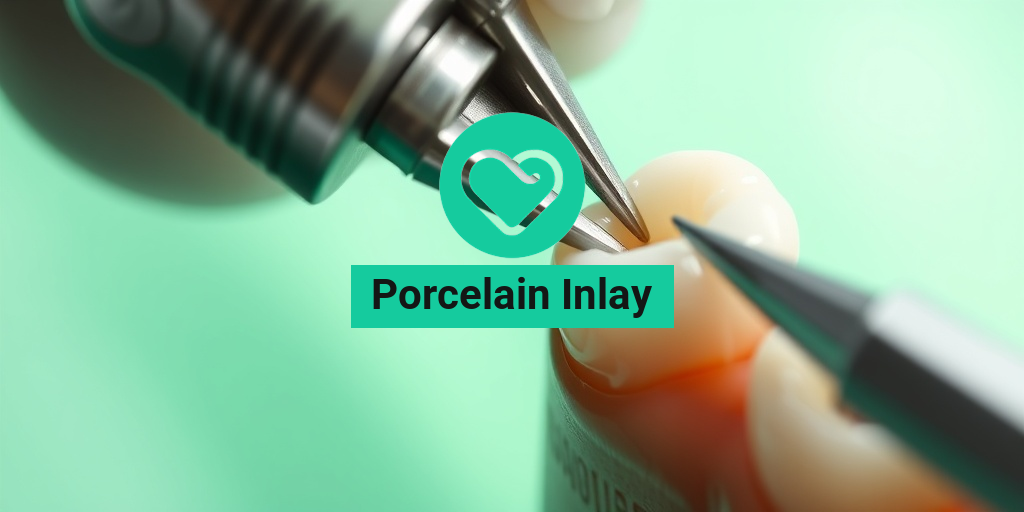
Porcelain inlays are a type of dental restoration designed to repair and restore damaged or decayed teeth. Unlike traditional fillings, which are often made from materials like amalgam or composite resin, porcelain inlays are crafted from high-quality ceramic materials that closely mimic the natural appearance of teeth. This makes them an excellent choice for those seeking both functionality and aesthetics in their dental treatments.
Typically, a porcelain inlay is used when a tooth has suffered moderate damage that cannot be effectively treated with a simple filling. The process involves two visits to the dentist:
- Initial Consultation: During the first visit, the dentist will assess the damage and take impressions of the tooth. This helps in creating a custom inlay that fits perfectly.
- Placement: In the second visit, the custom-made porcelain inlay is bonded to the tooth using a strong dental adhesive, restoring its shape and function.
Porcelain inlays are particularly popular for their durability and resistance to staining, making them a long-lasting solution for dental restoration. They can be used on various teeth, including molars and premolars, where strength and aesthetics are crucial.
Benefits of Porcelain Inlays
Choosing porcelain inlays over other dental restoration options comes with a myriad of benefits. Here are some of the most significant advantages:
1. Aesthetic Appeal
One of the standout features of porcelain inlays is their natural appearance. The ceramic material can be color-matched to your existing teeth, ensuring that the restoration blends seamlessly. This is particularly important for front teeth, where aesthetics play a crucial role in your smile.
2. Durability and Longevity
Porcelain inlays are known for their strength and durability. They can withstand significant chewing forces, making them a reliable option for restoring teeth that endure heavy use. With proper care, porcelain inlays can last for many years, often outlasting traditional fillings.
3. Minimal Tooth Reduction
When placing a porcelain inlay, less of the natural tooth structure needs to be removed compared to crowns. This means that more of your healthy tooth is preserved, which is beneficial for long-term dental health.
4. Stain Resistance
Unlike composite fillings, which can become discolored over time, porcelain inlays are highly resistant to staining. This means that they will maintain their color and appearance, contributing to a bright and healthy smile for years to come.
5. Biocompatibility
Porcelain is a biocompatible material, meaning it is unlikely to cause any adverse reactions in the body. This makes porcelain inlays a safe choice for individuals with sensitivities or allergies to certain dental materials.
6. Improved Oral Health
By effectively sealing the tooth and preventing further decay, porcelain inlays can contribute to better overall oral health. They help to protect the tooth from bacteria and food particles, reducing the risk of future dental issues.
7. Cost-Effectiveness
While the cost of porcelain inlays may be higher than that of traditional fillings, their longevity and durability can make them a more cost-effective solution in the long run. Investing in quality dental restorations can save you money on future dental work.
In conclusion, porcelain inlays offer a blend of aesthetic appeal, durability, and health benefits that make them an excellent choice for dental restoration. If you’re considering this option, consult with your dentist to determine if porcelain inlays are the right fit for your dental needs. For more information on dental health and treatments, you can visit Yesil Health AI, a valuable resource for evidence-based health answers. 😊

Porcelain Inlay Procedure
When it comes to restoring damaged teeth, porcelain inlays are a popular choice due to their durability and aesthetic appeal. This procedure is designed to repair cavities or structural damage while preserving as much of the natural tooth as possible. Let’s dive into the steps involved in the porcelain inlay procedure.
Initial Consultation
The journey begins with an initial consultation with your dentist. During this visit, your dentist will assess the extent of the damage to your tooth and discuss your options. They may take X-rays to get a clearer picture of what’s going on beneath the surface. This is also a great time to ask any questions you may have about the porcelain inlay filling process.
Tooth Preparation
Once you decide to proceed, the next step is tooth preparation. Your dentist will numb the area around the affected tooth using a local anesthetic to ensure you are comfortable throughout the procedure. After numbing, they will carefully remove any decay or damaged portions of the tooth. This step is crucial as it creates a clean surface for the inlay to bond effectively.
Impression Taking
After the tooth is prepared, your dentist will take an impression of the tooth and the surrounding area. This impression is vital as it will be used to create a custom porcelain inlay that fits perfectly in your mouth. In some cases, digital impressions may be used for greater accuracy.
Temporary Filling
While your custom inlay is being crafted, which usually takes a few days, your dentist will place a temporary filling to protect the tooth. This temporary solution helps maintain the tooth’s structure and prevents sensitivity until the final inlay is ready.
Placement of the Porcelain Inlay
Once your custom porcelain inlay is ready, you will return to the dentist’s office for placement. Your dentist will remove the temporary filling and clean the tooth thoroughly. They will then carefully place the porcelain inlay, ensuring it fits snugly and aligns with your bite. After positioning the inlay, your dentist will use a special adhesive to bond it securely to the tooth.
Final Adjustments
After the inlay is bonded, your dentist will make any necessary adjustments to ensure that your bite feels natural. They may polish the inlay to enhance its appearance and ensure it blends seamlessly with your natural teeth. Finally, they will provide you with aftercare instructions to help maintain your new restoration.
Porcelain Inlay vs. Other Restorations
When considering dental restorations, it’s essential to understand how porcelain inlays compare to other options, such as crowns and fillings. Each restoration type has its unique benefits and drawbacks, making it crucial to choose the right one for your dental needs.
Porcelain Inlay vs. Composite Filling
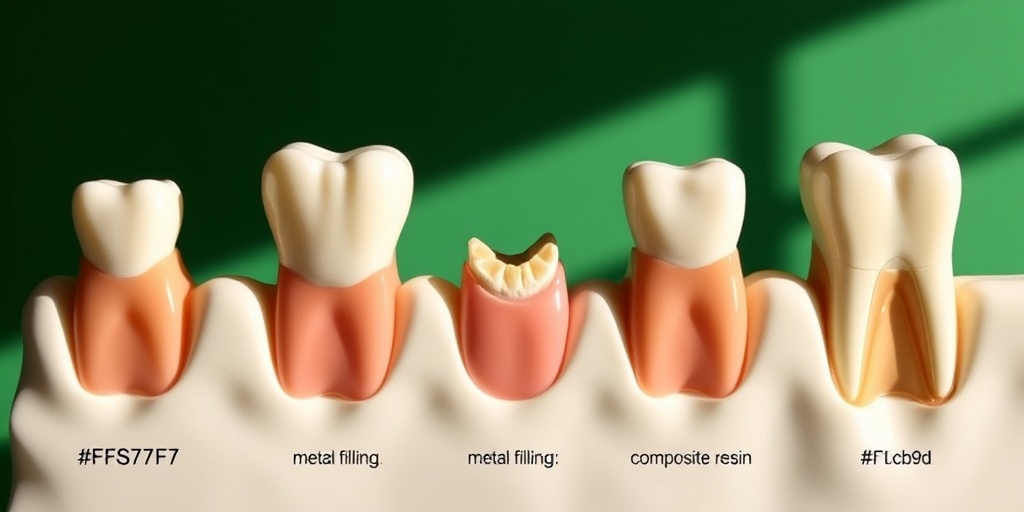
Composite fillings are a common choice for minor cavities. They are made from a tooth-colored resin and can be applied in a single visit. However, porcelain inlays are more durable and can withstand greater chewing forces, making them ideal for larger cavities or areas of significant wear. Additionally, porcelain inlays are less prone to staining compared to composite fillings, ensuring a more aesthetically pleasing result over time.
Porcelain Inlay vs. Crown
Crowns are often recommended for teeth that are severely damaged or have undergone root canal treatment. While crowns cover the entire tooth, porcelain inlays only restore specific areas, preserving more of the natural tooth structure. This makes inlays a less invasive option when the damage is not extensive. However, if a tooth is significantly weakened, a crown may be the better choice for long-term stability.
Porcelain Inlay vs. Onlay
Onlays are similar to inlays but cover a larger portion of the tooth, including one or more cusps. They are typically used when a tooth has more extensive damage but does not require a full crown. In contrast, porcelain inlays are ideal for smaller areas of decay. The choice between an inlay and an onlay will depend on the extent of the damage and your dentist’s recommendation.
In summary, porcelain inlays offer a durable and aesthetically pleasing solution for restoring damaged teeth. Understanding the differences between inlays and other restoration options can help you make an informed decision about your dental health. 🦷✨
Care for Porcelain Inlays
Porcelain inlays are a popular choice for restoring damaged teeth due to their durability and aesthetic appeal. However, like any dental restoration, they require proper care to ensure longevity and maintain oral health. Here’s how to take care of your porcelain inlays effectively.
1. Maintain Good Oral Hygiene
One of the most crucial aspects of caring for porcelain inlays is maintaining excellent oral hygiene. This includes:
- Brushing Twice Daily: Use a soft-bristled toothbrush and fluoride toothpaste to brush your teeth at least twice a day. This helps remove plaque and food particles that can accumulate around the inlay.
- Flossing Daily: Flossing is essential to clean between your teeth and around the inlay. This prevents gum disease and cavities from forming in adjacent teeth.
- Regular Dental Check-ups: Schedule regular visits to your dentist for professional cleanings and check-ups. Your dentist can monitor the condition of your inlays and address any issues early on.
2. Avoid Hard Foods
While porcelain inlays are strong, they can still be susceptible to damage from hard foods. To protect your inlays:
- Avoid Chewing Ice: Chewing on ice can chip or crack your porcelain inlay.
- Limit Hard Candies: Hard candies can put excessive pressure on your inlays, leading to potential damage.
- Be Cautious with Nuts: While nuts are healthy, they can be hard on dental restorations. Consider cutting them into smaller pieces before consuming.
3. Use a Night Guard if Necessary
If you grind your teeth at night (a condition known as bruxism), it’s essential to use a night guard. Grinding can wear down your porcelain inlays and lead to other dental issues. Consult your dentist about getting a custom night guard to protect your teeth while you sleep. 😴
4. Avoid Staining Foods and Beverages
Porcelain inlays are resistant to staining, but it’s still wise to limit your intake of foods and beverages that can cause discoloration. Consider moderating your consumption of:
- Coffee and Tea: Both can stain your teeth over time.
- Red Wine: Known for its staining properties, red wine can affect the appearance of your inlays.
- Dark Berries: While healthy, dark berries can also lead to staining.
Porcelain Inlay Cost
The cost of porcelain inlays can vary significantly based on several factors, including the location of the dental practice, the complexity of the procedure, and whether you have dental insurance. Understanding these factors can help you prepare for the financial aspect of getting porcelain inlays.
1. Average Cost Range
On average, the cost of a porcelain inlay can range from $650 to $1,200 per tooth. This price typically includes the consultation, the inlay itself, and the placement procedure. However, prices can vary widely based on geographic location and the dentist’s experience.
2. Factors Influencing Cost
Several factors can influence the overall cost of porcelain inlays:
- Geographic Location: Dental costs can vary significantly from one region to another. Urban areas may have higher prices compared to rural locations.
- Complexity of the Case: If your tooth requires additional treatment, such as a root canal or buildup before placing the inlay, this can increase the overall cost.
- Dental Insurance: Many dental insurance plans cover a portion of the cost of inlays. Check with your provider to understand your coverage and any out-of-pocket expenses you may incur.
3. Financing Options
If the cost of porcelain inlays is a concern, many dental practices offer financing options to help manage expenses. Consider discussing payment plans or third-party financing options with your dentist. This can make the procedure more affordable and accessible. 💳
In conclusion, taking care of your porcelain inlays and understanding their cost can help you maintain a healthy smile while making informed financial decisions. With proper care, your porcelain inlays can last for many years, providing both functionality and aesthetic appeal.
Potential Risks and Complications
While porcelain inlays are a popular choice for restoring damaged teeth, it’s essential to be aware of the potential risks and complications associated with this dental procedure. Understanding these factors can help you make an informed decision about your dental health.
Common Risks
- Sensitivity: After receiving a porcelain inlay, some patients may experience tooth sensitivity to hot or cold temperatures. This sensitivity is usually temporary but can be uncomfortable.
- Allergic Reactions: Although rare, some individuals may have allergic reactions to the materials used in porcelain inlays. If you have a history of allergies, discuss this with your dentist.
- Chipping or Cracking: Porcelain is durable, but it can chip or crack under excessive pressure or trauma. Avoid biting down on hard foods or using your teeth as tools to minimize this risk.
Complications During the Procedure
Like any dental procedure, there are potential complications that can arise during the placement of porcelain inlays:
- Improper Fit: If the inlay is not fitted correctly, it can lead to discomfort, improper bite alignment, or further decay. Regular follow-ups with your dentist can help ensure a proper fit.
- Infection: There is a slight risk of infection during the procedure, especially if the tooth has been previously treated for decay. Your dentist will take precautions to minimize this risk.
Long-Term Risks
While porcelain inlays are designed to last, there are long-term risks to consider:
- Wear and Tear: Over time, porcelain inlays can wear down, especially if you grind your teeth or have a misaligned bite. Regular dental check-ups can help monitor the condition of your inlays.
- Decay Around the Inlay: If proper oral hygiene is not maintained, decay can develop around the edges of the inlay, leading to further dental issues.
Long-Term Outlook for Porcelain Inlays
The long-term outlook for porcelain inlays is generally positive, making them a reliable option for dental restoration. Here’s what you can expect over time:
Durability and Longevity
Porcelain inlays are known for their durability. With proper care, they can last anywhere from 5 to 15 years or even longer. Factors that influence their longevity include:
- Oral Hygiene: Maintaining good oral hygiene practices, such as regular brushing and flossing, is crucial for the longevity of your inlays.
- Diet: Avoiding hard foods and maintaining a balanced diet can help prevent damage to your inlays.
- Regular Dental Visits: Routine check-ups with your dentist can help identify any issues early on, ensuring your inlays remain in good condition.
Aesthetic Appeal
One of the significant advantages of porcelain inlays is their aesthetic appeal. They are designed to match the natural color of your teeth, providing a seamless look. Over time, porcelain inlays resist staining better than composite fillings, maintaining their appearance for years. 😊
Potential for Replacement
In some cases, if a porcelain inlay becomes damaged or worn out, it can be replaced without significant issues. Your dentist will evaluate the condition of your tooth and recommend the best course of action, which may include:
- Repairing the Inlay: Minor chips or cracks can sometimes be repaired without needing a full replacement.
- Replacing the Inlay: If the inlay is severely damaged or has developed decay underneath, a new inlay may be necessary.
Overall, the long-term outlook for porcelain inlays is favorable, especially when combined with good oral hygiene and regular dental care. By understanding the potential risks and complications, you can make informed decisions about your dental health and enjoy the benefits of porcelain inlays for years to come. 🦷✨

Frequently Asked Questions about Porcelain Inlays
What is a Porcelain Inlay?
A porcelain inlay is a type of dental restoration used to repair a tooth that has been damaged by decay or trauma. It is custom-made in a dental laboratory and is designed to fit perfectly within the cavity of the tooth, providing both strength and aesthetics.
How does a Porcelain Inlay differ from a Filling?
The main difference between a porcelain inlay and a traditional filling is the material and the method of application. While fillings are typically made from composite resin or amalgam and can be applied directly in the dental office, inlays are crafted from porcelain and require two visits: one for the impression and another for placement.
What are the Benefits of Porcelain Inlays?
- Aesthetic Appeal: Porcelain inlays can be color-matched to your natural teeth, making them virtually invisible.
- Durability: They are strong and can withstand the forces of chewing, often lasting many years with proper care.
- Minimal Tooth Reduction: Inlays require less removal of healthy tooth structure compared to crowns.
How Much Do Porcelain Inlays Cost?
The cost of a porcelain inlay can vary based on factors such as the location of the dental practice, the complexity of the case, and whether dental insurance covers part of the procedure. On average, you can expect to pay between $650 and $1,200 per inlay.
Are Porcelain Inlays Better than Crowns?
Whether a porcelain inlay is better than a crown depends on the extent of the tooth damage. Inlays are ideal for moderate damage, while crowns are recommended for more extensive damage. Your dentist can help determine the best option for your specific situation.
How Long Do Porcelain Inlays Last?
With proper care, porcelain inlays can last anywhere from 5 to 15 years or even longer. Regular dental check-ups and good oral hygiene practices can help extend their lifespan.
Can I Get a Porcelain Inlay if I Have a Toothache?
If you are experiencing a toothache, it is essential to consult your dentist first. They will assess the cause of the pain and determine if a porcelain inlay is a suitable treatment option based on the condition of the tooth.
Are Porcelain Inlays Safe?
Yes, porcelain inlays are considered safe and effective for dental restoration. They are biocompatible, meaning they are unlikely to cause allergic reactions or other adverse effects.
What is the Procedure for Getting a Porcelain Inlay?
The procedure typically involves two visits:
- During the first visit, the dentist will remove any decay, take impressions of your tooth, and place a temporary inlay.
- In the second visit, the temporary inlay is removed, and the custom-made porcelain inlay is bonded to your tooth.
Can Porcelain Inlays Stain?
While porcelain inlays are resistant to staining, they can still become discolored over time due to factors such as diet and oral hygiene. Regular dental cleanings can help maintain their appearance.