
What Is a Placebo?
The term placebo originates from the Latin phrase meaning “I shall please.” In the medical field, a placebo refers to a treatment or substance that has no therapeutic effect. It is often used in clinical trials as a control to compare the effects of a new drug or treatment against a non-active substance. This helps researchers determine the actual efficacy of the treatment being tested.
The Role of Placebos in Medicine
Placebos can take various forms, including sugar pills, saline injections, or even sham surgeries. The key characteristic of a placebo is that it does not contain an active ingredient intended to affect health. Instead, its effectiveness often relies on the patient’s belief in the treatment. This phenomenon is known as the placebo effect.
Understanding the Placebo Effect
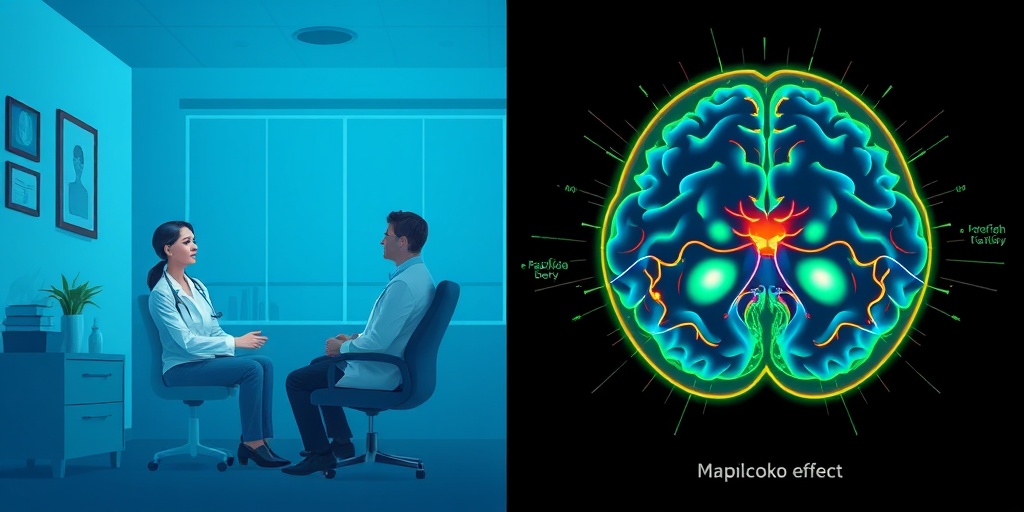
The placebo effect occurs when a patient experiences a real improvement in their condition after receiving a placebo. This improvement is not due to the treatment itself but rather the patient’s expectations and beliefs about the treatment. The brain plays a crucial role in this process, as it can trigger physiological responses based on the anticipation of relief or healing.
Placebo Effect Explained
The placebo effect is a fascinating aspect of human psychology and medicine. It highlights the power of the mind in influencing physical health. Here’s a closer look at how it works and its implications:
Mechanisms Behind the Placebo Effect
Several mechanisms contribute to the placebo effect, including:
- Expectation: When patients believe they are receiving treatment, their brain can release endorphins and other chemicals that promote healing.
- Conditioning: Past experiences with effective treatments can condition patients to respond positively to placebos.
- Patient-Provider Interaction: The way healthcare providers communicate and interact with patients can enhance the placebo effect. A warm, empathetic approach can increase a patient’s belief in the treatment.
Clinical Implications of the Placebo Effect
The implications of the placebo effect are significant in clinical practice. Understanding this phenomenon can lead to better patient outcomes. Here are a few key points:
- Enhancing Treatment Efficacy: By fostering a positive mindset and strong patient-provider relationships, healthcare professionals can enhance the effectiveness of actual treatments.
- Ethical Considerations: The use of placebos raises ethical questions, particularly regarding informed consent. Patients should be aware of what they are receiving and the nature of their treatment.
- Research and Trials: Placebos are essential in clinical trials to establish the efficacy of new medications. They help differentiate between the actual effects of a drug and the psychological impact of believing one is being treated.
Real-World Examples of the Placebo Effect
Numerous studies have demonstrated the power of the placebo effect. For instance, in pain management, patients who believe they are receiving effective pain relief often report significant reductions in pain, even when given a placebo. Similarly, in cases of depression, individuals taking placebos can experience improvements in mood and overall well-being.
Conclusion
The placebo and its effect are powerful reminders of the intricate connection between the mind and body. While placebos may not replace conventional treatments, they can play a vital role in enhancing patient care and outcomes. For those interested in exploring more about health and wellness, resources like Yesil Health AI provide evidence-based answers to health-related questions.
In summary, the placebo effect is a testament to the power of belief and expectation in the healing process. Understanding this phenomenon can lead to more effective treatments and improved patient experiences in healthcare. 🌟
Placebo in Clinical Trials
The concept of the placebo has been a cornerstone in clinical research for decades. It refers to a treatment that has no therapeutic effect, often used as a control in testing new drugs. Understanding the role of placebos in clinical trials is crucial for both researchers and patients alike.
What is a Placebo?
A placebo is typically an inactive substance or treatment designed to mimic the real drug or therapy being tested. It can come in various forms, such as sugar pills, saline injections, or even sham surgeries. The primary purpose of a placebo is to provide a baseline against which the effects of the actual treatment can be measured.
The Importance of Placebo in Clinical Trials
Placebos play a vital role in clinical trials for several reasons:
- Control Group: They help establish a control group, allowing researchers to determine whether the effects of the new treatment are due to the treatment itself or other factors, such as the patient’s expectations.
- Reducing Bias: By using a placebo, researchers can minimize bias in the results, ensuring that the findings are more reliable and valid.
- Understanding the Placebo Effect: The placebo effect refers to the phenomenon where patients experience real improvements in their condition after receiving a placebo. This effect can be powerful and is an essential aspect of understanding how treatments work.
Ethical Considerations
While the use of placebos is essential in clinical trials, it raises ethical questions. For instance, is it ethical to give a patient a placebo instead of an active treatment? Researchers must navigate these ethical waters carefully, ensuring that participants are fully informed and that their well-being is prioritized.
Placebo vs. Nocebo
While the term placebo is widely recognized, its counterpart, the nocebo effect, is equally important in understanding patient responses to treatments. The nocebo effect refers to negative outcomes that occur when a patient expects adverse effects from a treatment, even if the treatment is inactive.
Understanding the Nocebo Effect
The nocebo effect can manifest in various ways, including:
- Increased Symptoms: Patients may report worsening symptoms or new side effects simply because they believe they will experience them.
- Psychological Impact: The power of suggestion can lead to anxiety and stress, which can exacerbate existing conditions.
Comparing Placebo and Nocebo Effects
Both the placebo and nocebo effects highlight the significant role of the mind in physical health. Here’s a quick comparison:
| Aspect | Placebo Effect | Nocebo Effect |
|---|---|---|
| Definition | Positive response to an inactive treatment | Negative response to an inactive treatment |
| Mechanism | Expectation of improvement | Expectation of adverse effects |
| Outcome | Improvement in symptoms | Worsening of symptoms |
Implications for Treatment
Understanding both the placebo and nocebo effects is crucial for healthcare providers. By fostering a positive environment and managing patient expectations, doctors can enhance the effectiveness of treatments and minimize the risk of nocebo responses. This knowledge empowers patients to take an active role in their health, encouraging open communication with their healthcare providers.
In conclusion, the interplay between placebo and nocebo effects underscores the complexity of human health and the importance of psychological factors in treatment outcomes. As research continues to evolve, the insights gained from studying these phenomena will undoubtedly shape the future of medicine. 🌟

Factors Influencing Placebo Response
The placebo effect is a fascinating phenomenon where individuals experience real changes in their health after receiving a treatment that has no therapeutic effect. Understanding the factors that influence this response can provide valuable insights into the mind-body connection and enhance treatment outcomes. Here are some key factors that play a significant role in the placebo response:
1. Patient Expectations
One of the most critical factors influencing the placebo effect is the expectation of the patient. When individuals believe that a treatment will work, they are more likely to experience positive outcomes. This expectation can be shaped by various elements, including:
- Previous Experiences: If a patient has had positive results from a similar treatment in the past, they are more likely to expect success again.
- Provider Influence: The way healthcare providers communicate about a treatment can significantly impact patient expectations. A confident and optimistic provider can enhance the placebo response.
- Information and Education: Providing patients with information about the treatment and its potential benefits can boost their expectations and, consequently, their response.
2. The Context of Treatment
The environment in which a treatment is administered can also affect the placebo response. Factors such as the clinical setting, the appearance of the treatment, and even the time of day can play a role. For example:
- Clinical Environment: A warm, welcoming, and professional setting can enhance the patient’s perception of care and increase the likelihood of a positive response.
- Appearance of the Treatment: Treatments that look more sophisticated or are presented in an appealing manner can lead to stronger placebo effects. For instance, colored pills may have different effects based on their color.
- Timing: The timing of treatment can also influence outcomes. For example, treatments administered during a patient’s peak pain times may yield better results.
3. Individual Differences
Not everyone responds to placebos in the same way. Individual differences such as genetics, personality traits, and psychological factors can significantly influence the placebo response. Some key aspects include:
- Genetic Factors: Research suggests that certain genetic markers may predispose individuals to respond more favorably to placebo treatments.
- Personality Traits: People who are more optimistic or have a higher level of resilience may experience stronger placebo effects.
- Psychological Conditions: Conditions such as anxiety and depression can affect how a person perceives treatment, influencing their response to placebos.
4. Cultural Influences
Cultural beliefs and practices can also shape the placebo response. Different cultures may have varying beliefs about health, illness, and the efficacy of treatments, which can impact how individuals respond to placebos. For example:
- Beliefs about Medicine: In cultures where traditional medicine is highly valued, individuals may respond differently to placebo treatments compared to those in cultures that prioritize modern medicine.
- Social Support: The presence of family and community support can enhance the placebo effect, as individuals may feel more cared for and understood.
Placebo in Pain Management
The use of placebo in pain management is a particularly intriguing area of research. Pain is a complex experience influenced by both physiological and psychological factors, making it an ideal candidate for exploring the placebo effect. Here’s how placebos are utilized in managing pain:
1. Mechanisms of Pain Relief
Placebos can trigger the brain’s natural pain-relieving mechanisms. When a patient believes they are receiving an effective treatment, their brain may release endorphins and other neurotransmitters that help alleviate pain. This response can be particularly beneficial in conditions such as:
- Chronic Pain: Many individuals with chronic pain conditions report significant relief when given a placebo, highlighting the power of belief in pain management.
- Post-Surgical Pain: Placebos can also play a role in managing pain after surgical procedures, where the expectation of relief can enhance recovery.
2. Ethical Considerations
While the placebo effect can be a powerful tool in pain management, its use raises ethical questions. Healthcare providers must balance the potential benefits of placebos with the need for transparency and informed consent. Some considerations include:
- Informed Consent: Patients should be made aware of the nature of their treatment, including the possibility of receiving a placebo.
- Trust in the Provider: Maintaining trust between patients and providers is crucial. Deceiving patients about their treatment can lead to a breakdown in this trust.
3. Future Directions
Research into the placebo effect continues to evolve, with ongoing studies exploring how to harness its power in pain management. Future directions may include:
- Personalized Treatments: Tailoring treatments based on individual patient characteristics and expectations may enhance the placebo response.
- Integrative Approaches: Combining placebo treatments with conventional therapies could lead to improved outcomes for patients suffering from pain.
In conclusion, the placebo effect is a complex interplay of psychological, physiological, and contextual factors that can significantly influence pain management. Understanding these dynamics can lead to more effective treatment strategies and improved patient outcomes. 🌟

Ethical Considerations of Placebo Use
The use of placebos in medical research and treatment raises significant ethical questions. While the placebo effect can lead to positive outcomes for patients, it also involves deception, which can conflict with the principles of medical ethics. Here, we explore the key ethical considerations surrounding placebo use.
Informed Consent
One of the foundational principles of medical ethics is informed consent. Patients have the right to know what treatments they are receiving and to make decisions based on that information. When placebos are used, especially in clinical trials, patients may not be fully aware that they could receive a non-active treatment. This raises questions about whether true informed consent can be achieved.
Deception vs. Benefit
Using a placebo often involves a degree of deception, as patients may believe they are receiving an active treatment. This can lead to a conflict between the potential benefits of the placebo effect and the ethical obligation to be honest with patients. Some argue that if a placebo can significantly improve a patient’s condition, the deception may be justified. However, others contend that it undermines trust in the doctor-patient relationship.
Vulnerable Populations
Particular caution is warranted when considering placebo use in vulnerable populations, such as those with chronic illnesses or mental health conditions. These individuals may be more susceptible to the effects of deception, and the potential for harm—both psychological and physical—must be carefully weighed against any possible benefits.
Regulatory Guidelines
Regulatory bodies, such as the FDA and EMA, have established guidelines for the use of placebos in clinical trials. These guidelines aim to ensure that the rights and well-being of participants are protected. Researchers must justify the use of a placebo, particularly when effective treatments are available. This adds another layer of ethical scrutiny to the use of placebos in research.
Future of Placebo Research
The future of placebo research is a dynamic field that holds promise for enhancing our understanding of the mind-body connection and improving patient care. As we delve into this topic, several exciting trends and areas of exploration emerge.
Personalized Medicine
With the rise of personalized medicine, researchers are beginning to explore how individual differences—such as genetics, psychology, and environment—affect the placebo effect. Understanding these factors could lead to tailored treatments that maximize the benefits of placebos for specific patients. This approach could revolutionize how we think about treatment efficacy and patient outcomes.
Neuroscience Insights
Advancements in neuroscience are shedding light on the mechanisms behind the placebo effect. Studies using brain imaging techniques have shown that placebos can activate the same brain regions as actual treatments. This research not only enhances our understanding of the placebo phenomenon but also opens doors for developing new therapeutic strategies that harness the power of the mind.
Integration into Clinical Practice
As the evidence supporting the efficacy of placebos grows, there is a push to integrate placebo treatments into clinical practice. This could involve using placebos in conjunction with active treatments to enhance overall effectiveness. However, this integration must be approached with caution, ensuring that ethical considerations are prioritized and that patients are treated with respect and transparency.
Global Perspectives
Placebo research is not limited to Western medicine; it is gaining traction globally. Different cultures have varying beliefs about health and healing, which can influence the effectiveness of placebos. Future research may explore how cultural contexts shape the placebo effect, leading to a more comprehensive understanding of its role in health care worldwide.
In conclusion, the ethical considerations surrounding placebo use and the future of placebo research are complex and multifaceted. As we continue to explore these areas, it is essential to balance the potential benefits of placebos with the ethical obligations to patients, ensuring that trust and transparency remain at the forefront of medical practice. 🌍💊

Frequently Asked Questions about Placebo
What is a Placebo?
A placebo is a substance or treatment that has no therapeutic effect. It is often used in clinical trials as a control to compare the effects of a new drug or treatment against a non-active intervention.
What is the Placebo Effect?
The placebo effect refers to the phenomenon where patients experience real improvements in their condition after receiving a placebo. This effect is attributed to the patient’s belief in the treatment rather than the treatment itself.
How Does the Placebo Effect Work?
The placebo effect works through psychological mechanisms. When patients believe they are receiving treatment, their brain can trigger physiological responses that lead to symptom relief. Factors such as expectation, conditioning, and the doctor-patient relationship can enhance this effect.
Are Placebos Ethical?
The ethics of using placebos in clinical practice is a topic of debate. While they can be effective, using them without patient consent raises ethical concerns. In clinical trials, however, they are essential for determining the efficacy of new treatments.
Can Placebos Be Used in Everyday Medicine?
Yes, placebos can be used in everyday medicine, particularly in cases where no effective treatment exists. However, healthcare providers must communicate transparently with patients about the use of placebos to maintain trust.
What Are Some Examples of Placebo Treatments?
- Placebo pills: Sugar pills that contain no active ingredients.
- Placebo injections: Saline solutions that mimic real medications.
- Placebo surgeries: Procedures that do not involve actual intervention but are presented as such.
What is the Meaning of Placebo in Different Contexts?
The term placebo can have various meanings depending on the context. In medicine, it refers to a non-active treatment. In psychology, it may refer to the power of belief in influencing health outcomes.
Are There Any Risks Associated with Placebo Use?
While placebos are generally safe, there can be risks if patients are misled about their treatment. This can lead to a lack of trust in healthcare providers and potential harm if patients forgo effective treatments.
What is the Future of Placebo Research?
Research on placebos continues to evolve, with studies exploring their mechanisms, effectiveness, and ethical implications. Understanding the placebo effect could lead to new approaches in treatment and patient care.