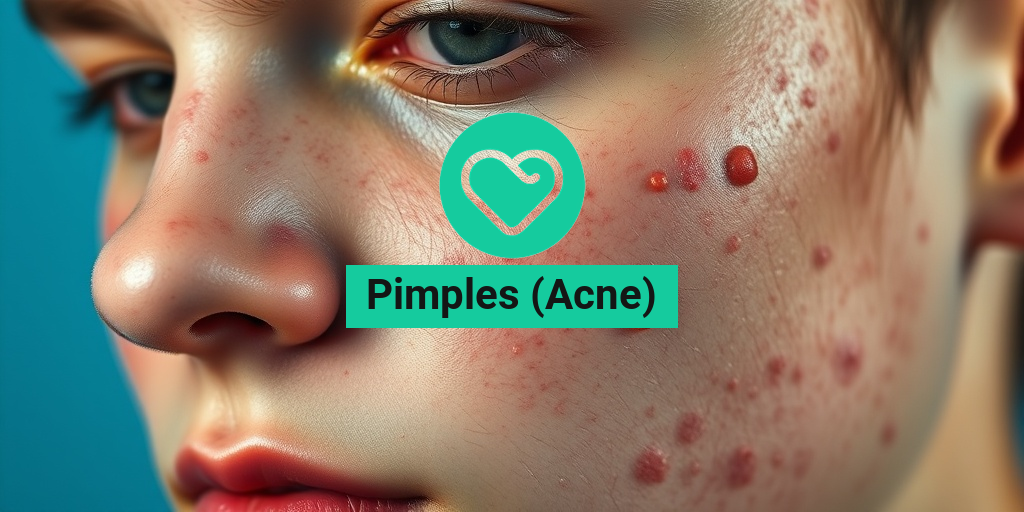
What Are Pimples?
Pimples, commonly referred to as acne, are small, inflamed spots on the skin that can be both bothersome and unsightly. They occur when hair follicles become clogged with oil, dead skin cells, and bacteria. This condition is most prevalent during adolescence but can affect individuals of all ages. Understanding what causes pimples is crucial for effective treatment and prevention.
Causes of Pimples
The formation of pimples is primarily linked to several factors:
- Hormonal Changes: Fluctuations in hormones, particularly during puberty, menstruation, or pregnancy, can lead to increased oil production in the skin.
- Excess Oil Production: Overactive sebaceous glands can produce too much oil, leading to clogged pores.
- Bacteria: The presence of Propionibacterium acnes, a type of bacteria that thrives in clogged pores, can exacerbate inflammation.
- Diet: Some studies suggest that certain foods, particularly those high in sugar and dairy, may contribute to acne development.
- Stress: Increased stress levels can trigger hormonal changes that lead to more oil production.
Types of Pimples
Pimples can manifest in various forms, including:
- Whiteheads: Closed clogged pores that appear as small white bumps.
- Blackheads: Open clogged pores that appear dark due to oxidation.
- Pustules: Red, inflamed bumps filled with pus.
- Nodules: Large, painful lumps beneath the skin’s surface.
- Cysts: Deep, painful, pus-filled lumps that can cause scarring.
Pimple Symptoms
The symptoms of pimples can vary depending on the type and severity of the acne. Here are some common signs to look out for:
Visual Signs
Pimples typically present as:
- Redness: Inflamed areas around the pimple.
- Swelling: The skin around the pimple may appear raised and swollen.
- Pus: Pustules may have a white or yellow center filled with pus.
Physical Symptoms
In addition to visual signs, you may experience:
- Pain or Tenderness: Pimples can be painful to the touch, especially if they are deep or inflamed.
- Itching: Some individuals may experience itching around the affected area.
Emotional Impact
Beyond physical symptoms, pimples can also have an emotional toll. Many individuals experience:
- Low Self-Esteem: The appearance of pimples can lead to feelings of self-consciousness.
- Anxiety: Concerns about how others perceive them can cause anxiety, particularly in social situations.
When to Seek Treatment
If you find that your pimples are persistent, painful, or leading to significant emotional distress, it may be time to seek treatment. Options include over-the-counter creams, prescription medications, or even professional treatments like chemical peels or laser therapy. For personalized advice, consider visiting Yesil Health AI, a valuable resource for evidence-based health answers.
In conclusion, understanding what pimples are and recognizing their symptoms can empower you to take control of your skin health. Whether through home remedies or professional treatments, there are numerous ways to manage and reduce the occurrence of pimples. 🌟
Pimple Causes
Pimples, commonly known as acne, are a prevalent skin condition that affects individuals of all ages. Understanding the causes of pimples is crucial for effective treatment and prevention. Let’s delve into the primary factors that contribute to the formation of these pesky blemishes.
1. Excess Oil Production
One of the leading causes of pimples is the overproduction of sebum, an oily substance produced by sebaceous glands. When excess oil accumulates on the skin, it can clog pores, leading to the formation of pimples. This is particularly common during puberty when hormonal changes trigger increased oil production.
2. Clogged Pores
Pores can become clogged with a combination of oil, dead skin cells, and bacteria. When this happens, it creates an environment conducive to the growth of acne-causing bacteria, resulting in inflammation and the formation of pimples. Regular exfoliation can help prevent clogged pores and keep your skin clear.
3. Bacterial Growth
The skin is home to various bacteria, including Propionibacterium acnes, which can contribute to acne. When pores are clogged, these bacteria can multiply rapidly, leading to inflammation and the development of pimples. Maintaining a clean face with a suitable pimples acne face wash can help reduce bacterial growth.
4. Hormonal Changes
Hormonal fluctuations, particularly during puberty, menstruation, pregnancy, or hormonal therapies, can trigger acne. Increased levels of androgens can lead to enlarged sebaceous glands and increased oil production, making hormonal changes a significant factor in pimple formation.
5. Diet and Lifestyle
Your diet can also play a role in the development of pimples. Foods high in sugar and dairy have been linked to increased acne severity. Additionally, lifestyle factors such as stress, lack of sleep, and smoking can exacerbate acne. Adopting a balanced diet and healthy lifestyle can help mitigate these effects.
Pimple Risk Factors
While anyone can develop pimples, certain risk factors can increase the likelihood of experiencing acne. Understanding these factors can help you take proactive steps to manage and prevent breakouts.
1. Age
Acne is most common among teenagers and young adults due to hormonal changes during puberty. However, it can persist into adulthood, affecting individuals in their 20s, 30s, and beyond. Recognizing that acne can occur at any age is essential for effective treatment.
2. Family History
If your parents or siblings have a history of acne, you may be more prone to developing pimples. Genetics can play a significant role in determining your skin type and susceptibility to acne. If acne runs in your family, it’s wise to be vigilant about your skincare routine.
3. Skin Type
Individuals with oily skin are more likely to experience pimples due to increased sebum production. Conversely, those with dry skin may also develop acne if their skin becomes irritated or inflamed. Understanding your skin type can help you choose the right pimples acne treatment and products.
4. Certain Medications
Some medications, such as corticosteroids or certain birth control pills, can contribute to acne development. If you suspect that your medication is affecting your skin, consult with your healthcare provider to explore alternatives.
5. Environmental Factors
Environmental factors, including pollution, humidity, and exposure to certain chemicals, can exacerbate acne. Keeping your skin clean and protected from environmental irritants is crucial for maintaining clear skin.
In conclusion, understanding the causes and risk factors of pimples (acne) is essential for effective management and prevention. By addressing these factors, you can take proactive steps towards achieving clearer, healthier skin. 🌟
Pimple Diagnosis
Pimples, commonly known as acne, can be a frustrating skin condition that affects individuals of all ages. Understanding how to diagnose pimples is crucial for effective treatment. Here’s a closer look at how dermatologists identify and categorize acne.
Types of Pimples
Before diving into diagnosis, it’s essential to recognize the different types of pimples. Each type has unique characteristics:
- Comedones: These are non-inflammatory pimples, which include blackheads and whiteheads. Blackheads are open comedones, while whiteheads are closed.
- Inflammatory Acne: This includes papules and pustules. Papules are small, red bumps, while pustules are similar but filled with pus.
- Nodules and Cysts: These are severe forms of acne. Nodules are large, painful lumps beneath the skin, while cysts are pus-filled and can lead to scarring.
Factors Influencing Diagnosis
When diagnosing pimples, dermatologists consider several factors:
- Skin Type: Oily, dry, or combination skin can influence the type of acne.
- Age: Hormonal changes during puberty, menstruation, or pregnancy can trigger acne.
- Family History: A genetic predisposition to acne can be a significant factor.
- Diet and Lifestyle: Certain foods and stress levels can exacerbate acne.
Consultation and Examination
During a consultation, a dermatologist will typically:
- Conduct a thorough skin examination to identify the type and severity of acne.
- Ask about your medical history, including any previous treatments and family history of acne.
- Discuss your skincare routine and lifestyle habits that may contribute to acne.
In some cases, additional tests may be necessary to rule out underlying conditions. Understanding the diagnosis is the first step toward effective pimples acne treatment!
Pimple Treatment Options
Once diagnosed, the next step is exploring various treatment options for pimples (acne). The right treatment can vary based on the severity and type of acne, as well as individual skin types.
Over-the-Counter Treatments
Many effective treatments are available without a prescription. Here are some popular options:
- Topical Creams: Products containing benzoyl peroxide or salicylic acid can help reduce inflammation and unclog pores.
- Face Washes: Using a pimples acne face wash with active ingredients can help keep skin clear.
- Spot Treatments: These are concentrated formulas designed to target individual pimples.
Prescription Medications
For more severe cases, dermatologists may prescribe:
- Topical Retinoids: These help prevent clogged pores and promote skin cell turnover.
- Oral Antibiotics: These can reduce bacteria and inflammation in moderate to severe acne.
- Hormonal Treatments: For women, hormonal therapies can help regulate acne caused by hormonal fluctuations.
Home Remedies
Some individuals prefer natural approaches to treating pimples. Here are a few popular pimples acne home remedies:
- Tea Tree Oil: Known for its antibacterial properties, it can be applied directly to pimples.
- Aloe Vera: This soothing gel can help reduce inflammation and redness.
- Honey: With its natural antibacterial properties, honey can be used as a mask to help clear skin.
Professional Treatments
For persistent acne, professional treatments may be necessary:
- Chemical Peels: These treatments exfoliate the skin and can help reduce acne scars.
- Laser Therapy: This can target bacteria and reduce oil production in the skin.
- Extraction Procedures: Dermatologists can safely remove large cysts or comedones.
Choosing the right treatment for pimples (acne) can be a journey. It’s essential to consult with a dermatologist to find the most effective solution tailored to your skin’s needs. Remember, consistency is key in any acne treatment regimen! 🌟
Pimple Home Remedies
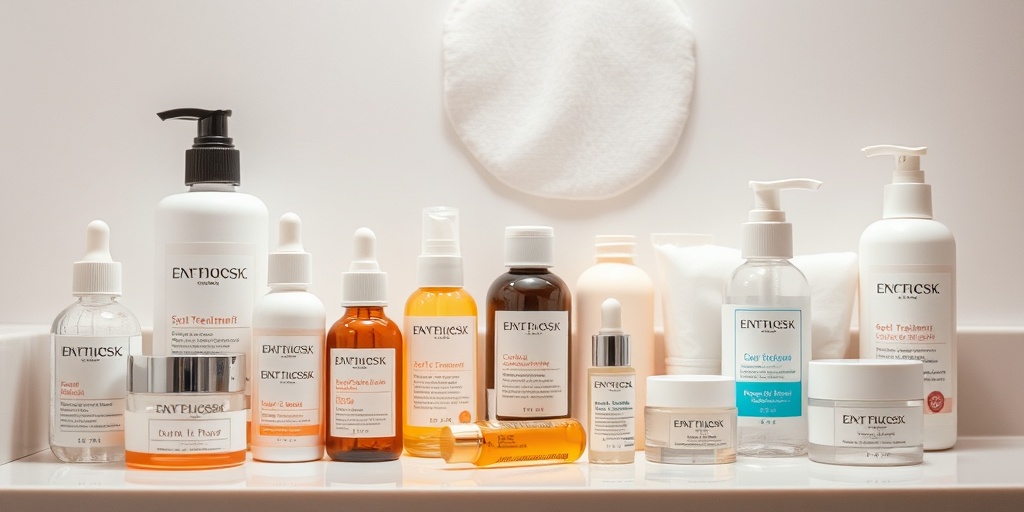
Pimples, commonly known as acne, can be a frustrating skin condition that affects people of all ages. While there are numerous treatments available, many individuals prefer to explore home remedies that are natural and often more affordable. Here are some effective home remedies to help you combat pimples and achieve clearer skin.
1. Tea Tree Oil
Tea tree oil is renowned for its antibacterial properties, making it a popular choice for treating acne. To use it:
- Dilute a few drops of tea tree oil with a carrier oil, such as coconut or jojoba oil.
- Apply the mixture directly to the affected areas using a cotton swab.
- Leave it on for at least 30 minutes before rinsing off.
This remedy can help reduce inflammation and kill acne-causing bacteria. 🌿
2. Honey and Cinnamon Mask
Both honey and cinnamon have anti-inflammatory and antibacterial properties. To create a mask:
- Mix two tablespoons of honey with one teaspoon of cinnamon.
- Apply the mixture to your face, focusing on areas with pimples.
- Leave it on for 10-15 minutes before rinsing with warm water.
This mask not only helps in reducing pimples but also leaves your skin feeling soft and hydrated. 🍯
3. Aloe Vera Gel
Aloe vera is a soothing plant that can help reduce redness and inflammation associated with acne. Here’s how to use it:
- Extract fresh aloe vera gel from the leaf.
- Apply it directly to the pimples and leave it on overnight.
- Rinse off in the morning.
Aloe vera also promotes healing and can help fade dark spots left by previous breakouts. 🌱
4. Lemon Juice
Lemon juice is a natural astringent and can help dry out excess oil on the skin. However, it’s essential to use it cautiously:
- Apply fresh lemon juice to the affected areas using a cotton ball.
- Leave it on for about 10 minutes before rinsing off.
- Use sunscreen afterward, as lemon juice can make your skin sensitive to sunlight.
This remedy can help lighten dark spots and reduce the appearance of pimples. 🍋
5. Green Tea
Green tea is packed with antioxidants and has anti-inflammatory properties. To use it for acne:
- Steep green tea bags in hot water for a few minutes.
- Allow the tea to cool, then apply it to your face using a cotton pad.
- Leave it on for 10-15 minutes before rinsing.
This can help reduce oil production and soothe irritated skin. 🍵
Pimple Prevention Tips
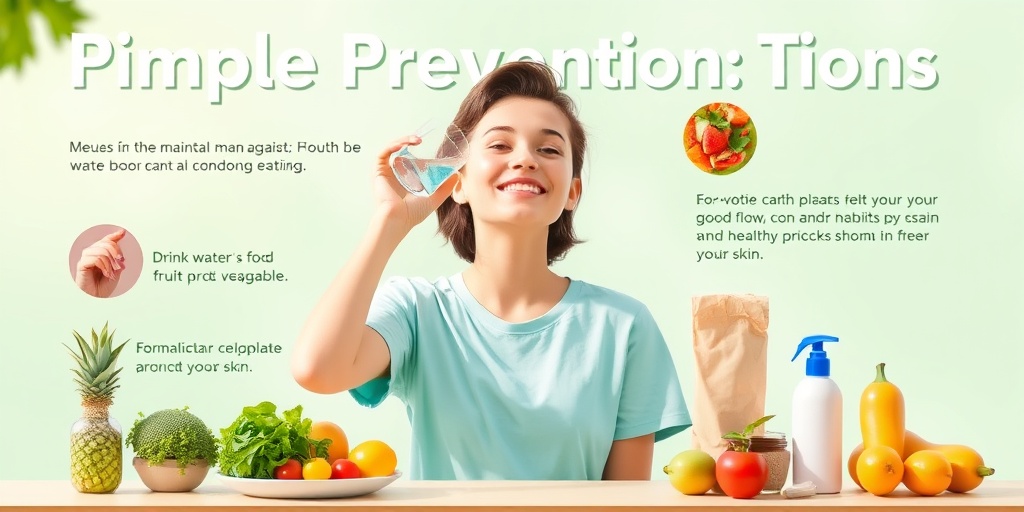
Preventing pimples is often easier than treating them. Here are some effective tips to help you maintain clear skin and minimize breakouts.
1. Maintain a Consistent Skincare Routine
Establishing a daily skincare routine is crucial for preventing pimples. Here’s what to include:
- Cleanser: Use a gentle face wash suitable for your skin type to remove dirt and excess oil.
- Toner: Apply a toner to help balance your skin’s pH levels.
- Moisturizer: Even oily skin needs hydration. Choose a non-comedogenic moisturizer.
Consistency is key! 🧖♀️
2. Avoid Touching Your Face
Your hands carry bacteria and oils that can contribute to acne. Try to avoid touching your face throughout the day. If you must, ensure your hands are clean. 👐
3. Choose Non-Comedogenic Products
When selecting makeup and skincare products, look for those labeled as non-comedogenic. These products are formulated to not clog pores, reducing the likelihood of breakouts. 💄
4. Stay Hydrated
Drinking plenty of water helps keep your skin hydrated and can aid in flushing out toxins. Aim for at least 8 glasses of water a day to maintain optimal skin health. 💧
5. Eat a Balanced Diet
Your diet plays a significant role in your skin’s health. Incorporate:
- Fruits and vegetables rich in vitamins and antioxidants.
- Healthy fats, such as those found in avocados and nuts.
- Whole grains and lean proteins.
Avoid excessive sugar and processed foods, as they can trigger acne flare-ups. 🥗
By following these home remedies and prevention tips, you can take significant steps toward achieving clearer, healthier skin. Remember, consistency and patience are essential in your journey to combat pimples (acne). 🌟
Frequently Asked Questions about Pimples (Acne)
What are the main causes of pimples (acne)?
Pimples, commonly known as acne, can be caused by a variety of factors including:
- Hormonal changes: Fluctuations during puberty, menstruation, or pregnancy can trigger acne.
- Excess oil production: Overactive sebaceous glands can lead to clogged pores.
- Bacteria: The presence of Propionibacterium acnes bacteria can contribute to inflammation.
- Diet: Certain foods, especially those high in sugar and dairy, may exacerbate acne.
- Stress: Increased stress levels can lead to hormonal changes that worsen acne.
How can I treat pimples (acne) effectively?
Effective treatment options for acne include:
- Topical treatments: Creams and gels containing ingredients like benzoyl peroxide or salicylic acid can help.
- Oral medications: Antibiotics or hormonal treatments may be prescribed by a dermatologist.
- Home remedies: Natural treatments such as tea tree oil or aloe vera can be beneficial for some individuals.
- Skincare routine: Using a gentle face wash specifically designed for acne-prone skin can help manage breakouts.
What is the difference between pimples and acne?
Pimples are a type of acne. While acne refers to a broader condition that includes various types of blemishes such as blackheads, whiteheads, and cysts, pimples specifically refer to the inflamed, red bumps that can occur on the skin.
Can I remove dark spots caused by pimples (acne)?
Yes, dark spots left by acne can be treated using:
- Brightening creams: Products containing ingredients like vitamin C or hydroquinone can help lighten dark spots.
- Exfoliation: Regular exfoliation can promote skin cell turnover and reduce the appearance of dark spots.
- Professional treatments: Options like chemical peels or laser therapy can effectively diminish dark spots.
Are there any specific face washes for pimples (acne)?
Yes, there are many face washes formulated specifically for acne-prone skin. Look for products that contain:
- Salicylic acid: Helps to unclog pores and reduce inflammation.
- Benzoyl peroxide: Targets bacteria and reduces oil production.
- Natural ingredients: Such as tea tree oil or witch hazel, which can soothe the skin.
What are the best creams for treating pimples (acne)?
The best creams for treating acne often contain:
- Retinoids: Help to prevent clogged pores and promote cell turnover.
- Antibiotics: Reduce bacteria and inflammation.
- Moisturizers: Non-comedogenic moisturizers can help keep the skin hydrated without clogging pores.
Can home remedies help with pimples (acne)?
Yes, many people find relief using home remedies such as:
- Honey: Known for its antibacterial properties.
- Green tea: Can reduce inflammation when applied topically.
- Apple cider vinegar: May help balance skin pH and reduce bacteria.
Is it safe to pop pimples?
While it may be tempting, popping pimples is generally not recommended as it can lead to:
- Scarring: Popping can cause permanent marks on the skin.
- Infection: Introducing bacteria can worsen the acne.
- Inflammation: Can lead to more redness and swelling.
When should I see a dermatologist for my pimples (acne)?
If your acne is severe, persistent, or causing emotional distress, it’s advisable to consult a dermatologist. They can provide tailored treatment options and help manage your condition effectively.