
Understanding Pain Management
Pain management is a crucial aspect of healthcare that focuses on alleviating discomfort and improving the quality of life for individuals suffering from chronic or acute pain. Whether it’s due to an injury, surgery, or a chronic condition, effective pain management strategies can make a significant difference in a person’s daily life.
At its core, pain management involves a multidisciplinary approach that may include medications, physical therapy, psychological support, and alternative therapies. The goal is not just to relieve pain but also to address the underlying causes and improve overall well-being.
The Importance of Pain Management
Chronic pain affects millions of people worldwide, leading to decreased productivity, emotional distress, and a diminished quality of life. Effective pain management is essential for:
- Enhancing Daily Functioning: By managing pain effectively, individuals can engage in daily activities, work, and social interactions without being hindered by discomfort.
- Improving Mental Health: Chronic pain can lead to anxiety and depression. Addressing pain can significantly improve mental well-being.
- Reducing Healthcare Costs: Effective pain management can reduce the need for frequent medical visits and hospitalizations, ultimately lowering healthcare expenses.
Components of Pain Management
There are several components to a comprehensive pain management plan:
- Medications: Over-the-counter pain relievers, prescription medications, and topical treatments can help manage pain.
- Physical Therapy: Tailored exercises and therapies can strengthen muscles and improve mobility, reducing pain over time.
- Psychological Support: Counseling and cognitive-behavioral therapy can help individuals cope with the emotional aspects of chronic pain.
- Alternative Therapies: Techniques such as acupuncture, massage, and yoga can provide additional relief and promote relaxation.
For those seeking personalized pain management solutions, consulting a pain management specialist can be invaluable. They can create a tailored plan that addresses individual needs and preferences. If you’re looking for resources, Yesil Health AI offers evidence-based health answers that can guide you in your pain management journey.
Types of Pain
Understanding the different types of pain is essential for effective management. Pain can be classified in various ways, and recognizing the type can help in determining the best treatment approach.
Acute Pain
Acute pain is a sudden onset of discomfort that typically lasts for a short duration. It often results from an injury, surgery, or a specific medical condition. Common examples include:
- Post-surgical pain: Pain following a surgical procedure.
- Injury-related pain: Pain from fractures, sprains, or strains.
- Infections: Pain associated with conditions like appendicitis or kidney stones.
Acute pain usually resolves as the underlying cause heals, but it can be intense and requires prompt management to prevent it from becoming chronic.
Chronic Pain
Chronic pain persists for longer than three months and can be a complex condition that affects various aspects of life. It may arise from:
- Chronic conditions: Diseases like arthritis, fibromyalgia, or neuropathy.
- Previous injuries: Pain that continues long after an injury has healed.
- Unknown causes: Sometimes, chronic pain can occur without a clear medical explanation.
Managing chronic pain often requires a comprehensive approach, including medication, therapy, and lifestyle changes.
Nociceptive vs. Neuropathic Pain
Pain can also be categorized based on its origin:
- Nociceptive Pain: This type of pain results from tissue damage and is typically sharp or aching. It is often well-localized and can be treated effectively with medications.
- Neuropathic Pain: Caused by nerve damage or dysfunction, neuropathic pain can be described as burning, tingling, or shooting. It often requires specialized treatment approaches.
Understanding these distinctions can help individuals communicate more effectively with their healthcare providers and receive appropriate care.
In conclusion, pain management is a vital aspect of healthcare that encompasses various strategies and approaches tailored to individual needs. By understanding the types of pain and the available management options, individuals can take proactive steps toward improving their quality of life. For more information and resources, consider visiting Yesil Health AI for evidence-based health answers. 🌟
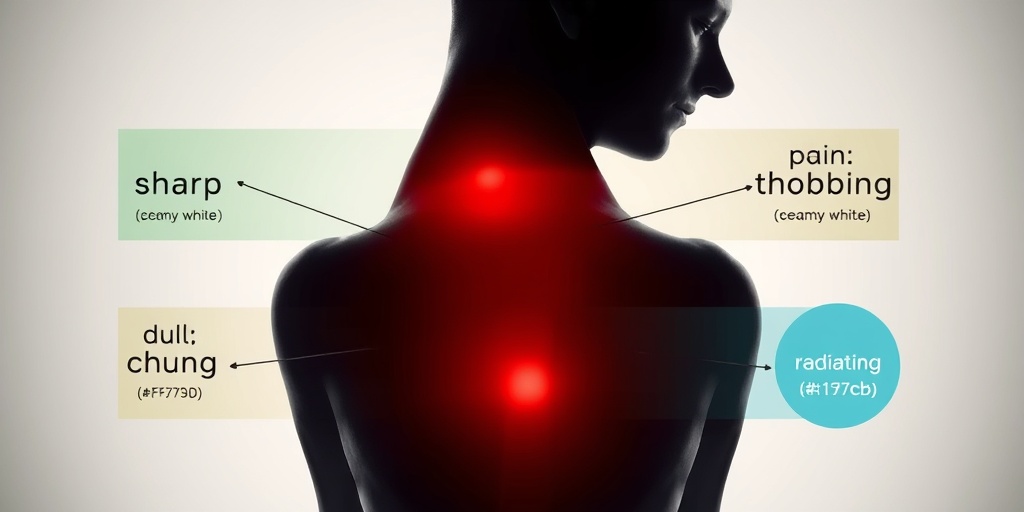
Common Pain Management Techniques
Pain management is a crucial aspect of healthcare, aimed at improving the quality of life for individuals suffering from chronic pain. There are various techniques available, each tailored to meet the unique needs of patients. Here, we explore some of the most common pain management techniques that can help alleviate discomfort and enhance daily functioning.
1. Physical Therapy
Physical therapy is a cornerstone of pain management. It involves a personalized exercise program designed to strengthen muscles, improve flexibility, and enhance mobility. A physical therapist will assess your condition and create a tailored plan that may include:
- Stretching exercises to improve flexibility
- Strength training to support weakened areas
- Manual therapy techniques to relieve tension
Regular sessions can lead to significant improvements in pain levels and overall physical function. 🏋️♂️
2. Cognitive Behavioral Therapy (CBT)
Cognitive Behavioral Therapy is a psychological approach that helps individuals manage pain by changing negative thought patterns and behaviors. Through CBT, patients learn coping strategies that can reduce the perception of pain. Key components include:
- Identifying triggers that exacerbate pain
- Developing coping mechanisms to handle discomfort
- Mindfulness techniques to promote relaxation
CBT can be particularly effective for those dealing with chronic pain conditions, as it addresses both the emotional and physical aspects of pain. 🧠
3. Acupuncture
Acupuncture is an ancient practice rooted in Traditional Chinese Medicine. It involves inserting thin needles into specific points on the body to stimulate energy flow and promote healing. Many patients report significant pain relief after acupuncture sessions, making it a popular choice in pain management. 🌿
4. Massage Therapy
Massage therapy can provide immediate relief from muscle tension and pain. Different techniques, such as deep tissue massage or trigger point therapy, can target specific areas of discomfort. Benefits of massage therapy include:
- Increased blood circulation
- Reduced muscle tension
- Enhanced relaxation
Regular massage sessions can be an effective part of a comprehensive pain management plan. 💆♀️
5. Mind-Body Techniques
Mind-body techniques, such as yoga and meditation, focus on the connection between mental and physical health. These practices can help reduce stress and improve pain perception. Benefits include:
- Improved emotional well-being
- Enhanced physical flexibility
- Better pain coping strategies
Incorporating mind-body techniques into your routine can lead to a more holistic approach to pain management. 🧘♂️
Medications for Pain Relief
When it comes to pain management, medications play a vital role in providing relief. Understanding the different types of pain relief medications can help you make informed decisions about your treatment options. Here’s a breakdown of the most commonly prescribed medications for pain management.
1. Over-the-Counter (OTC) Medications
OTC medications are often the first line of defense against mild to moderate pain. Common options include:
- Acetaminophen (Tylenol) – effective for headaches and general pain relief
- Nonsteroidal anti-inflammatory drugs (NSAIDs) – such as ibuprofen (Advil) and naproxen (Aleve), which help reduce inflammation and pain
These medications are widely available and can be effective for short-term pain management. 💊
2. Prescription Medications
For more severe pain, healthcare providers may prescribe stronger medications. These include:
- Opioids – such as morphine and oxycodone, which are effective for acute pain but come with a risk of addiction
- Antidepressants – certain types can help manage chronic pain, especially neuropathic pain
- Anticonvulsants – medications like gabapentin are often used for nerve pain
It’s essential to use prescription medications under the guidance of a healthcare professional to minimize risks. ⚠️
3. Topical Treatments
Topical treatments, such as creams and patches, can provide localized pain relief. These may contain:
- Capsaicin – derived from chili peppers, it can help reduce pain by depleting substance P, a neurotransmitter involved in pain signaling
- NSAIDs – topical formulations can target specific areas without systemic side effects
Topical treatments are often a good option for those looking to avoid oral medications. 🌟
4. Combination Therapies
In many cases, a combination of medications may be the most effective approach to pain management. This can include pairing OTC medications with prescription drugs or integrating non-pharmacological treatments like physical therapy. Always consult with a healthcare provider to determine the best combination for your specific needs.
Understanding the various pain management techniques and medications available can empower you to take control of your pain and improve your quality of life. Whether you’re searching for a pain management clinic or a pain management doctor, knowing your options is the first step toward effective relief. 🌈

Alternative Therapies for Pain Management
Pain management is a multifaceted approach that often requires a combination of treatments to effectively alleviate discomfort. While traditional methods like medication and surgery are common, many individuals are turning to alternative therapies to complement their pain management strategies. These therapies can provide relief and improve overall well-being without the side effects associated with conventional treatments.
What Are Alternative Therapies?
Alternative therapies encompass a wide range of practices that fall outside the realm of conventional medicine. They can include:
- Acupuncture: This ancient Chinese practice involves inserting thin needles into specific points on the body to relieve pain and promote healing.
- Chiropractic Care: Chiropractors focus on diagnosing and treating musculoskeletal disorders, particularly those related to the spine, to alleviate pain.
- Massage Therapy: Therapeutic massage can help reduce muscle tension, improve circulation, and promote relaxation, all of which can aid in pain relief.
- Herbal Remedies: Certain herbs and natural supplements, such as turmeric and ginger, have anti-inflammatory properties that may help manage pain.
- Mind-Body Techniques: Practices like yoga, meditation, and tai chi can enhance mental well-being and reduce the perception of pain.
Benefits of Alternative Therapies
Integrating alternative therapies into your pain management plan can offer several benefits:
- Holistic Approach: These therapies often address the body, mind, and spirit, promoting overall wellness.
- Reduced Dependence on Medications: Many individuals find that alternative therapies can help them reduce their reliance on pain medications, minimizing the risk of side effects.
- Personalized Treatment: Alternative therapies can be tailored to meet individual needs, allowing for a more customized approach to pain management.
- Improved Quality of Life: Many patients report enhanced well-being and a better quality of life when incorporating alternative therapies into their routine.
As you explore alternative therapies, it’s essential to consult with a healthcare professional to ensure these methods are safe and appropriate for your specific condition. 🌿
Physical Therapy and Pain Management
Physical therapy is a cornerstone of pain management, particularly for those dealing with chronic pain or recovering from injury. This hands-on approach focuses on improving mobility, strength, and function, ultimately helping individuals regain control over their lives.
What Does Physical Therapy Involve?
Physical therapy typically involves a comprehensive assessment by a licensed physical therapist, who will develop a personalized treatment plan based on the patient’s needs. Common components of physical therapy include:
- Exercise Programs: Tailored exercises designed to strengthen muscles, improve flexibility, and enhance overall physical function.
- Manual Therapy: Hands-on techniques used to manipulate soft tissues and joints, helping to alleviate pain and improve mobility.
- Modalities: The use of heat, cold, ultrasound, or electrical stimulation to reduce pain and promote healing.
- Education: Teaching patients about their condition, pain management strategies, and how to prevent future injuries.
How Physical Therapy Helps with Pain Management
Physical therapy can be particularly effective for various types of pain, including:
- Musculoskeletal Pain: Conditions like arthritis, back pain, and sports injuries can benefit significantly from targeted physical therapy.
- Post-Surgical Recovery: After surgery, physical therapy can aid in rehabilitation, helping patients regain strength and mobility.
- Chronic Pain Conditions: For those with fibromyalgia or chronic fatigue syndrome, physical therapy can provide relief and improve function.
By focusing on movement and function, physical therapy not only addresses pain but also empowers individuals to take an active role in their recovery. 💪
Incorporating both alternative therapies and physical therapy into your pain management plan can create a comprehensive approach that addresses your unique needs and enhances your quality of life. Remember, always consult with a healthcare professional before starting any new treatment to ensure it aligns with your health goals. 🌟

Psychological Approaches to Pain
Pain is not just a physical sensation; it can also have profound psychological effects. Understanding the psychological aspects of pain management can significantly enhance your overall treatment plan. Here, we explore various psychological approaches that can help individuals cope with pain more effectively.
Cognitive Behavioral Therapy (CBT)
Cognitive Behavioral Therapy (CBT) is one of the most widely used psychological approaches in pain management. This therapy focuses on identifying and changing negative thought patterns and behaviors that contribute to the perception of pain. By reframing thoughts about pain, individuals can reduce their emotional distress and improve their coping strategies.
- Identifying Triggers: CBT helps patients recognize specific thoughts or situations that exacerbate their pain.
- Developing Coping Strategies: Patients learn techniques to manage their pain, such as relaxation exercises and mindfulness.
- Behavioral Activation: Encouraging engagement in enjoyable activities can help distract from pain and improve mood.
Mindfulness and Meditation
Mindfulness involves being present in the moment and accepting one’s thoughts and feelings without judgment. This practice can be particularly beneficial for those dealing with chronic pain. Research shows that mindfulness meditation can lead to a reduction in pain perception and an increase in overall well-being.
- Stress Reduction: Mindfulness helps lower stress levels, which can exacerbate pain.
- Enhanced Pain Tolerance: Regular practice can increase tolerance to pain by changing the way the brain processes pain signals.
- Improved Emotional Regulation: Mindfulness can help individuals manage their emotional responses to pain more effectively.
Biofeedback
Biofeedback is a technique that teaches individuals how to control physiological functions by providing real-time feedback. This method can be particularly useful in pain management, as it allows patients to gain awareness of their body’s responses to pain and stress.
- Muscle Relaxation: Patients can learn to relax specific muscle groups, reducing tension that may contribute to pain.
- Heart Rate Control: By monitoring heart rate, individuals can practice techniques to lower their heart rate during painful episodes.
- Temperature Regulation: Learning to control body temperature can help alleviate certain types of pain.
Support Groups and Counseling
Connecting with others who are experiencing similar challenges can provide emotional support and practical advice. Support groups offer a safe space for individuals to share their experiences and coping strategies. Additionally, individual counseling can help address underlying psychological issues that may be contributing to pain.
- Shared Experiences: Hearing how others cope with pain can provide new insights and strategies.
- Emotional Support: Support groups can reduce feelings of isolation and promote a sense of community.
- Professional Guidance: Counselors can help individuals work through emotional challenges related to chronic pain.
When to Seek Professional Help
Knowing when to seek professional help for pain management is crucial for effective treatment. While some pain can be managed with home remedies and lifestyle changes, there are specific signs that indicate it’s time to consult a pain management doctor or specialist.
Persistent Pain
If you experience pain that lasts longer than a few weeks, it’s essential to seek professional help. Chronic pain can significantly impact your quality of life and may require specialized treatment. A pain management clinic can provide comprehensive care tailored to your needs.
Severe Pain
Severe pain that interferes with daily activities or sleep is a clear signal to consult a healthcare professional. This type of pain may indicate an underlying condition that needs to be addressed. Don’t hesitate to reach out to a pain management specialist for an evaluation.
Changes in Pain Patterns
Any sudden changes in your pain patterns, such as increased intensity or new areas of pain, should prompt a visit to a healthcare provider. These changes could signify a worsening condition or a new issue that requires attention.
Emotional Distress
Chronic pain often comes with emotional challenges, including anxiety and depression. If you find that your pain is affecting your mental health, it’s crucial to seek help. A pain management doctor can work with you to develop a holistic treatment plan that addresses both physical and emotional aspects of pain.
Impact on Daily Life
If pain is preventing you from engaging in activities you enjoy or fulfilling your responsibilities, it’s time to seek professional help. Pain management specialists can provide various treatment options, including medication, therapy, and lifestyle modifications, to help you regain control over your life.
In conclusion, understanding the psychological approaches to pain and recognizing when to seek professional help are vital components of effective pain management. By taking proactive steps, you can improve your quality of life and find relief from pain. 🌟

Frequently Asked Questions about Pain Management
What is Pain Management?
Pain management refers to a variety of methods and treatments aimed at reducing or alleviating chronic pain. This can include medications, physical therapy, psychological support, and alternative therapies.
What types of specialists are involved in Pain Management?
Pain management often involves a multidisciplinary approach. Pain management specialists, such as anesthesiologists, neurologists, and physiatrists, work together to create a comprehensive treatment plan tailored to the patient’s needs.
How can I find a Pain Management clinic near me?
To locate a pain management clinic near you, consider searching online with terms like “pain management near me” or “pain management clinics near me.” You can also ask your primary care physician for recommendations.
What treatments are commonly used in Pain Management?
- Medications: Over-the-counter pain relievers, prescription medications, and topical treatments.
- Physical Therapy: Exercises and techniques to improve mobility and reduce pain.
- Interventional Procedures: Injections, nerve blocks, or other minimally invasive procedures.
- Alternative Therapies: Acupuncture, chiropractic care, and massage therapy.
How do I know if I need to see a Pain Management doctor?
If you are experiencing chronic pain that affects your daily life and does not improve with standard treatments, it may be time to consult a pain management doctor. They can provide specialized care and explore advanced treatment options.
Are there any risks associated with Pain Management treatments?
Like any medical treatment, pain management therapies can carry risks. It’s essential to discuss these with your healthcare provider to understand the potential benefits and side effects of each treatment option.
Can lifestyle changes help with Pain Management?
Yes! Incorporating healthy lifestyle changes such as regular exercise, a balanced diet, and stress management techniques can significantly enhance the effectiveness of pain management strategies.
What should I expect during my first visit to a Pain Management specialist?
During your first visit, the specialist will conduct a thorough evaluation, including a review of your medical history, a physical examination, and possibly diagnostic tests. Together, you will discuss your pain and develop a personalized treatment plan.
How can I manage pain at home?
- Heat and Cold Therapy: Applying heat or cold packs can help alleviate pain.
- Mindfulness and Relaxation Techniques: Practices like meditation and deep breathing can reduce stress and pain perception.
- Regular Exercise: Gentle activities like walking or swimming can improve overall well-being.
Is Pain Management covered by insurance?
Many insurance plans cover pain management treatments, but coverage can vary. It’s advisable to check with your insurance provider to understand what services are included and any potential out-of-pocket costs.
Where can I find more information about Pain Management?
For more information, consider visiting reputable health websites, consulting with healthcare professionals, or joining support groups focused on pain management. These resources can provide valuable insights and support. 😊