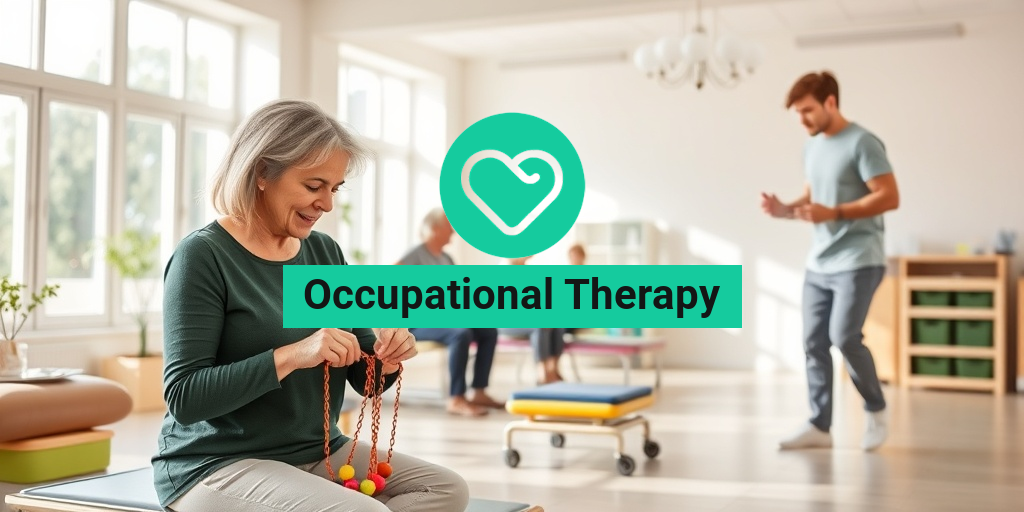
What Is Occupational Therapy?
Occupational Therapy (OT) is a client-centered health profession that focuses on helping individuals achieve independence in their daily activities. Whether it’s recovering from an injury, managing a chronic condition, or adapting to a new life stage, occupational therapy plays a crucial role in enhancing the quality of life for people of all ages.
The Meaning of Occupational Therapy
At its core, occupational therapy is about enabling individuals to participate in meaningful activities, or “occupations,” that are essential to their daily lives. These activities can range from basic self-care tasks, such as dressing and eating, to more complex tasks like returning to work or engaging in leisure activities. OT practitioners, known as occupational therapists, assess the needs of their clients and develop personalized treatment plans to help them achieve their goals.
Who Can Benefit from Occupational Therapy?
Occupational therapy is beneficial for a wide range of individuals, including:
- Children with developmental delays or disabilities
- Adults recovering from surgery or injury
- Individuals with mental health conditions
- Older adults facing age-related challenges
In essence, anyone who struggles with daily activities due to physical, emotional, or cognitive challenges can find support through occupational therapy.
Benefits of Occupational Therapy
The benefits of occupational therapy are extensive and can significantly improve an individual’s overall well-being. Here are some key advantages:
1. Enhanced Independence
One of the primary goals of occupational therapy is to promote independence. By teaching clients adaptive techniques and providing assistive devices, occupational therapists empower individuals to perform daily tasks on their own. This newfound independence can lead to increased confidence and self-esteem.
2. Improved Quality of Life
Occupational therapy focuses on activities that are meaningful to the individual. By engaging in these activities, clients often experience a greater sense of fulfillment and satisfaction in their lives. Whether it’s returning to a favorite hobby or being able to care for oneself, OT can significantly enhance quality of life.
3. Customized Treatment Plans
Every individual is unique, and so are their needs. Occupational therapists create tailored treatment plans that address specific challenges and goals. This personalized approach ensures that clients receive the most effective interventions for their situations.
4. Support for Mental Health
Occupational therapy is not just about physical rehabilitation; it also plays a vital role in mental health. Therapists help clients develop coping strategies, manage stress, and engage in activities that promote emotional well-being. This holistic approach can lead to improved mental health outcomes.
5. Collaboration with Other Health Professionals
Occupational therapists often work as part of a multidisciplinary team, collaborating with physical therapists, speech therapists, and other healthcare providers. This teamwork ensures comprehensive care and addresses all aspects of a client’s health.
6. Accessibility and Community Integration
OT also focuses on making environments more accessible. Occupational therapists assess home and workplace settings to recommend modifications that facilitate participation in daily activities. This can include everything from recommending adaptive equipment to suggesting changes in layout.
In conclusion, occupational therapy is a vital service that supports individuals in overcoming challenges and achieving their personal goals. Whether you’re seeking help for yourself or a loved one, understanding the benefits of OT can guide you in making informed decisions about health and wellness. For more evidence-based health answers, consider visiting Yesil Health AI, a valuable resource for your health inquiries. 🌟
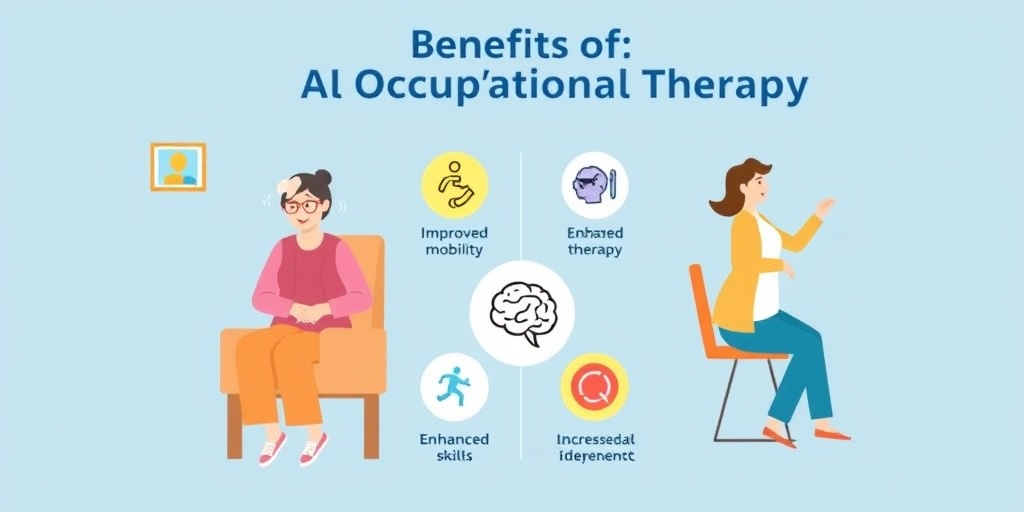
Occupational Therapy Techniques
Occupational therapy (OT) is a holistic approach that helps individuals achieve independence in their daily activities. By utilizing a variety of techniques, occupational therapists tailor their interventions to meet the unique needs of each client. Here are some of the most effective occupational therapy techniques used in practice:
1. Activity Analysis
Activity analysis is a fundamental technique in OT that involves breaking down tasks into smaller, manageable components. This allows therapists to identify specific challenges a client may face and develop strategies to overcome them. For instance, if a client struggles with dressing, the therapist might analyze each step—from selecting clothes to putting them on—and create a personalized plan to improve their skills.
2. Adaptive Equipment
Using adaptive equipment can significantly enhance a client’s ability to perform daily tasks. Occupational therapists often recommend tools such as:
- Grab bars for bathroom safety
- Reachers to pick up items without bending
- Specialized utensils for easier eating
These tools not only promote independence but also boost confidence in performing everyday activities. 🛠️
3. Sensory Integration Therapy
This technique is particularly beneficial for children and individuals with sensory processing disorders. Sensory integration therapy helps clients process and respond to sensory information more effectively. Activities may include:
- Playing with textured materials
- Engaging in movement-based activities
- Using calming techniques like deep pressure
By addressing sensory challenges, clients can improve their focus and engagement in daily tasks. 🎨
4. Cognitive Behavioral Techniques
Occupational therapists often incorporate cognitive behavioral techniques to help clients manage their thoughts and emotions related to their challenges. This may involve:
- Setting realistic goals
- Developing coping strategies
- Practicing mindfulness and relaxation techniques
These strategies can empower clients to overcome mental barriers and enhance their overall well-being. 🧠
5. Task-Specific Training
Task-specific training focuses on practicing specific activities that clients find challenging. For example, if a client has difficulty cooking, the therapist may work with them on meal preparation tasks, gradually increasing complexity as their skills improve. This hands-on approach ensures that clients are not only learning but also applying their skills in real-life situations.
Common Conditions Treated
Occupational therapy is versatile and can address a wide range of conditions. Here are some of the most common conditions treated by occupational therapists:
1. Developmental Disorders
Children with developmental disorders, such as autism spectrum disorder (ASD) or attention deficit hyperactivity disorder (ADHD), often benefit from occupational therapy. Therapists work on improving social skills, sensory processing, and daily living skills to help these children thrive in their environments.
2. Physical Injuries
Individuals recovering from physical injuries, such as fractures or surgeries, often require occupational therapy to regain their independence. Therapists design rehabilitation programs that focus on:
- Strengthening
- Range of motion
- Functional mobility
These programs are essential for a successful recovery and return to daily activities. 🏋️♂️
3. Neurological Conditions
Conditions like stroke, multiple sclerosis, and Parkinson’s disease can significantly impact a person’s ability to perform daily tasks. Occupational therapy helps clients regain skills and adapt to their new circumstances through:
- Motor skill training
- Adaptive strategies
- Environmental modifications
These interventions are crucial for improving quality of life and promoting independence. 🧑🦽
4. Mental Health Issues
Occupational therapy is also effective for individuals dealing with mental health issues such as anxiety, depression, and PTSD. Therapists use various techniques to help clients manage their symptoms and engage in meaningful activities, fostering a sense of purpose and fulfillment.
5. Geriatric Conditions
As individuals age, they may face challenges related to mobility, cognitive decline, and chronic health conditions. Occupational therapy for seniors focuses on enhancing their quality of life by promoting independence in daily activities, ensuring safety at home, and addressing cognitive impairments.
In summary, occupational therapy employs a variety of techniques to address numerous conditions, helping individuals lead more fulfilling lives. Whether through adaptive equipment, task-specific training, or cognitive strategies, OT plays a vital role in enhancing independence and well-being. 🌟

Occupational Therapy for Children
Occupational therapy (OT) is a vital service that helps children develop the skills they need for daily living and learning. Whether a child is facing developmental delays, physical disabilities, or emotional challenges, occupational therapy can provide tailored support to enhance their overall well-being and independence.
What is Occupational Therapy for Children?
Occupational therapy for children focuses on enabling them to participate in everyday activities, or “occupations,” that are essential for their growth and development. These activities can range from self-care tasks like dressing and eating to play and school-related tasks. OT practitioners work closely with children to identify their unique needs and create personalized intervention plans.
Common Areas of Focus
Occupational therapists address various areas to support children’s development, including:
- Fine Motor Skills: Helping children improve their hand-eye coordination and dexterity for tasks like writing and using scissors.
- Self-Care Skills: Teaching children how to dress, groom, and feed themselves, fostering independence.
- Social Skills: Enhancing communication and interaction abilities to improve relationships with peers and adults.
- Play Skills: Encouraging imaginative play and cooperative play, which are crucial for social development.
Benefits of Occupational Therapy for Children
Engaging in occupational therapy can lead to numerous benefits for children, including:
- Increased Independence: Children learn to perform daily tasks on their own, boosting their confidence.
- Improved Academic Performance: OT can help children develop the skills necessary for success in school.
- Enhanced Social Interactions: Children learn to communicate and interact effectively with their peers.
- Better Emotional Regulation: OT can assist children in managing their emotions and behaviors.
Finding Occupational Therapy Services
If you’re looking for occupational therapy near me, consider reaching out to local clinics, schools, or pediatricians for recommendations. Many therapists offer specialized programs for children, ensuring that your child receives the best possible care tailored to their needs. 🌟
Occupational Therapy for Seniors
As we age, maintaining independence and quality of life becomes increasingly important. Occupational therapy for seniors focuses on helping older adults adapt to the physical and cognitive changes that come with aging, enabling them to live fulfilling lives.
What is Occupational Therapy for Seniors?
Occupational therapy for seniors aims to enhance their ability to perform daily activities safely and effectively. This may include assistance with personal care, home management, and leisure activities. OT practitioners work with seniors to assess their needs and develop strategies to overcome challenges related to aging.
Common Areas of Focus
Occupational therapists for seniors often concentrate on:
- Mobility and Balance: Helping seniors improve their strength and coordination to prevent falls.
- Activities of Daily Living (ADLs): Assisting with bathing, dressing, and meal preparation to promote independence.
- Cognitive Skills: Supporting memory and problem-solving abilities to enhance daily functioning.
- Home Modifications: Advising on changes to the living environment to improve safety and accessibility.
Benefits of Occupational Therapy for Seniors
Engaging in occupational therapy can provide numerous advantages for seniors, such as:
- Increased Independence: Seniors can maintain their autonomy in daily activities.
- Improved Quality of Life: OT can enhance overall well-being and satisfaction with life.
- Enhanced Safety: Reducing the risk of falls and injuries through tailored interventions.
- Social Engagement: Encouraging participation in community activities and social interactions.
Finding Occupational Therapy Services for Seniors
To find occupational therapy services for seniors, consider contacting local healthcare providers, rehabilitation centers, or senior community organizations. Many therapists specialize in geriatric care, ensuring that seniors receive the appropriate support for their unique needs. 🧓👵

How to Find an Occupational Therapist
Finding the right occupational therapist can be a crucial step in improving your or your loved one’s quality of life. Whether you’re seeking therapy for yourself, a child, or an elderly family member, knowing where to start can make all the difference. Here’s a comprehensive guide to help you navigate the process of finding an occupational therapist that suits your needs.
1. Understand What Occupational Therapy Is
Before you begin your search, it’s essential to understand what occupational therapy entails. Occupational therapy focuses on helping individuals achieve independence in their daily activities. This can include anything from improving fine motor skills to adapting environments for better accessibility. Knowing the specific areas you need help with will guide your search.
2. Ask for Recommendations
One of the best ways to find a qualified occupational therapist is through personal recommendations. Here are some sources to consider:
- Healthcare Providers: Ask your doctor or pediatrician for referrals.
- Friends and Family: Reach out to those who have had positive experiences with occupational therapy.
- Support Groups: Join local or online support groups related to your specific needs.
3. Use Online Resources
The internet is a valuable tool for finding occupational therapy near me. Here are some resources to explore:
- Professional Associations: Websites like the American Occupational Therapy Association (AOTA) offer directories of licensed therapists.
- Health Insurance Provider: Check your insurance company’s website for a list of covered therapists.
- Online Reviews: Platforms like Yelp or Google Reviews can provide insights into therapists’ reputations.
4. Check Qualifications and Specializations
Once you have a list of potential therapists, it’s important to verify their qualifications. Look for:
- Licensure: Ensure they are licensed to practice in your state.
- Specializations: Some therapists specialize in areas such as pediatrics, geriatrics, or mental health.
- Experience: Consider how long they have been practicing and their success rates.
5. Schedule a Consultation
Many therapists offer a free initial consultation. This is a great opportunity to:
- Discuss Your Needs: Explain your specific challenges and goals.
- Ask Questions: Inquire about their approach, techniques, and treatment plans.
- Assess Compatibility: Ensure you feel comfortable with their communication style and personality.
6. Consider Logistics
Finally, think about practical considerations:
- Location: Is the therapist’s office conveniently located?
- Availability: Do their hours align with your schedule?
- Cost: Understand the fees and whether they accept your insurance.
Occupational Therapy Success Stories
Occupational therapy has transformed countless lives, helping individuals regain independence and improve their overall well-being. Here are some inspiring occupational therapy success stories that highlight the profound impact of this field.
1. A Child’s Journey to Independence
Meet Emma, a 7-year-old girl diagnosed with developmental coordination disorder. Emma struggled with basic tasks like tying her shoes and holding a pencil. After starting occupational therapy, she worked on fine motor skills through engaging activities like arts and crafts. Within months, Emma not only learned to tie her shoes but also began to excel in her schoolwork, boosting her confidence and social interactions. 🎨
2. Overcoming Stroke Challenges
John, a 65-year-old man, suffered a stroke that left him with limited mobility on one side of his body. Through a tailored occupational therapy program, John focused on regaining strength and coordination. His therapist introduced adaptive techniques for daily tasks, such as using specialized utensils for eating. After several months of hard work, John was able to return to his favorite hobby of gardening, which brought him immense joy and a sense of accomplishment. 🌻
3. Supporting Mental Health
Sarah, a young adult dealing with anxiety and depression, found herself struggling with daily routines. Occupational therapy helped her develop coping strategies and establish a structured daily schedule. By incorporating mindfulness practices and sensory activities, Sarah learned to manage her symptoms effectively. Today, she actively participates in community events and has even started a blog to share her journey with others. 📝
4. Enhancing Quality of Life for Seniors
After losing her husband, Margaret, an 80-year-old woman, faced challenges with daily living activities. Occupational therapy provided her with the tools to adapt her home environment for safety and ease. With the therapist’s guidance, Margaret learned to use assistive devices and engage in social activities, significantly improving her quality of life and emotional well-being. ❤️
These success stories illustrate the transformative power of occupational therapy. Whether it’s helping children develop essential skills, aiding recovery after an injury, or supporting mental health, occupational therapists play a vital role in enhancing lives. If you or someone you know could benefit from occupational therapy, consider reaching out to a qualified professional today! 🌟

Frequently Asked Questions about Occupational Therapy
What is Occupational Therapy?
Occupational therapy is a form of healthcare that helps individuals develop, recover, or maintain daily living and work skills. It focuses on enabling people to participate in meaningful activities, enhancing their quality of life.
Who can benefit from Occupational Therapy?
Occupational therapy is beneficial for a wide range of individuals, including:
- Children with developmental delays
- Adults recovering from injuries or surgeries
- Individuals with chronic illnesses
- Older adults experiencing age-related challenges
What does an Occupational Therapist do?
An occupational therapist assesses a person’s needs and creates personalized treatment plans. They may work on:
- Improving fine motor skills
- Enhancing cognitive abilities
- Adapting environments for better accessibility
- Teaching coping strategies for daily tasks
How is Occupational Therapy different from Physical Therapy?
While both occupational therapy and physical therapy aim to improve a person’s quality of life, they focus on different aspects. Occupational therapy emphasizes daily living skills and activities, whereas physical therapy primarily focuses on physical rehabilitation and movement.
What qualifications do Occupational Therapists have?
Occupational therapists typically hold a master’s or doctoral degree in occupational therapy and must be licensed to practice. They undergo extensive training in anatomy, psychology, and therapeutic techniques.
How can I find Occupational Therapy services near me?
You can search online for occupational therapy services in your area or consult your healthcare provider for recommendations. Many clinics and hospitals offer these services, and you can also find therapists who specialize in specific populations, such as children or the elderly.
What is the salary range for Occupational Therapists?
The salary for occupational therapists can vary based on factors such as location, experience, and specialization. On average, occupational therapists earn a competitive salary, with opportunities for advancement in various healthcare settings.
Is Occupational Therapy effective for children?
Yes! Occupational therapy for kids can be highly effective in helping children develop essential skills for daily living, social interaction, and academic success. Therapists often use play-based activities to engage children and make therapy enjoyable.
What is the process of becoming an Occupational Therapy Assistant?
To become an occupational therapy assistant, individuals typically need to complete an accredited associate degree program and pass a national certification exam. This role supports occupational therapists in providing care and implementing treatment plans.
What are some common techniques used in Occupational Therapy?
Occupational therapists use a variety of techniques, including:
- Task analysis and modification
- Adaptive equipment training
- Therapeutic exercises
- Environmental modifications
Can Occupational Therapy help with mental health issues?
Absolutely! Occupational therapy can play a significant role in mental health treatment by helping individuals develop coping strategies, improve social skills, and engage in meaningful activities that promote overall well-being.