What Is a Nosebleed?
A nosebleed, medically known as epistaxis, occurs when the delicate blood vessels in the nasal cavity rupture, leading to bleeding from one or both nostrils. While they can be alarming, nosebleeds are usually not serious and can often be managed at home. Understanding what a nosebleed is and how it occurs can help you feel more prepared to handle one when it happens.
Types of Nosebleeds
Nosebleeds are generally classified into two types:
- Anterior Nosebleeds: These are the most common type, occurring in the front part of the nose. They are usually caused by minor irritations and are easier to control.
- Posterior Nosebleeds: These occur deeper in the nasal cavity and can be more serious, often requiring medical attention. They are less common but can result from high blood pressure or other underlying health issues.
When to Seek Medical Attention
While most nosebleeds can be treated at home, you should seek medical help if:
- The bleeding lasts longer than 20 minutes despite applying pressure.
- You experience frequent nosebleeds.
- The nosebleed follows an injury to the head.
- You have symptoms of significant blood loss, such as dizziness or weakness.
Common Causes of Nosebleeds
Nosebleeds can be triggered by a variety of factors. Understanding these causes can help you take preventive measures and know how to effectively manage nosebleeds when they occur.
Environmental Factors
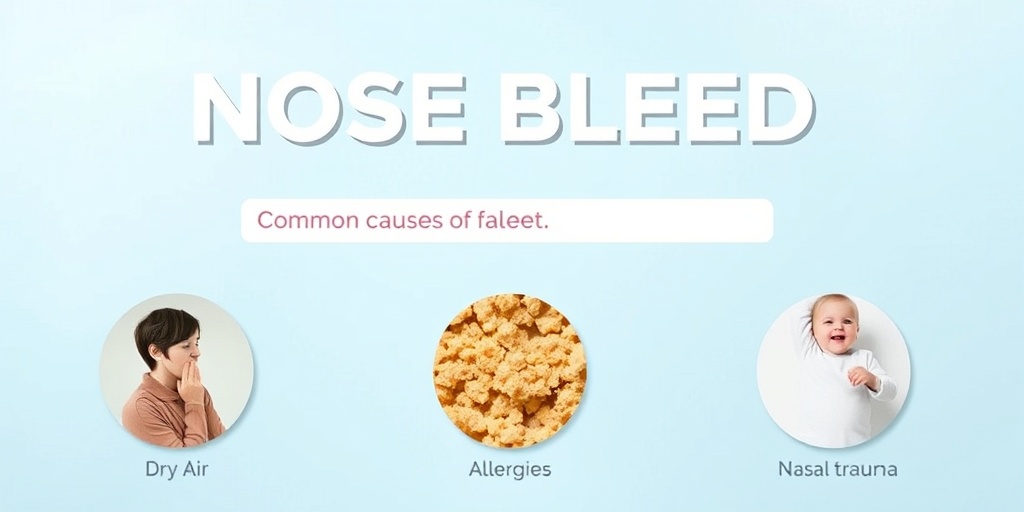
Dry air is one of the leading causes of nosebleeds, especially during winter months or in arid climates. The lack of moisture can dry out the nasal membranes, making them more susceptible to cracking and bleeding. Using a humidifier in your home can help maintain moisture levels in the air.
Physical Irritation
Frequent nose picking or blowing your nose too hard can irritate the nasal lining, leading to nosebleeds. It’s essential to be gentle when cleaning your nose and to avoid inserting objects into your nostrils.
Allergies and Infections
Allergies, colds, and sinus infections can cause inflammation and congestion in the nasal passages, increasing the likelihood of nosebleeds. Managing allergies with appropriate medications and staying hydrated can help reduce the risk.
Underlying Health Conditions
Certain medical conditions, such as high blood pressure or blood clotting disorders, can make you more prone to nosebleeds. If you have a history of frequent nosebleeds, it may be worth discussing with your healthcare provider to rule out any underlying issues.
Medications
Some medications, particularly blood thinners and anti-inflammatory drugs, can increase the risk of nosebleeds. If you are on medication and experience frequent nosebleeds, consult your doctor for advice on managing this side effect.
Preventive Measures
To minimize the risk of nosebleeds, consider the following tips:
- Use a humidifier to keep the air moist.
- Avoid picking your nose or blowing it forcefully.
- Stay hydrated to keep your nasal membranes moist.
- Manage allergies and respiratory infections promptly.
In conclusion, while nosebleeds can be unsettling, they are often manageable with simple home remedies and preventive measures. If you find yourself dealing with frequent nosebleeds or if they become severe, don’t hesitate to reach out to a healthcare professional for guidance. For more evidence-based health answers, consider visiting Yesil Health AI for reliable information. 🌟
Symptoms of a Nosebleed
Nosebleeds, also known as epistaxis, can be alarming, but they are often harmless. Understanding the symptoms can help you identify a nosebleed quickly and take appropriate action. Here are the common signs to look out for:
Visible Blood Flow
The most obvious symptom of a nosebleed is the presence of blood. This can occur from one or both nostrils and may vary in intensity. The blood can be bright red or darker, depending on where it originates in the nasal passages.
Feeling of Congestion
Many people experience a sensation of nasal congestion or fullness before a nosebleed occurs. This can be due to irritation or dryness in the nasal membranes, which can lead to bleeding.
Dryness or Irritation
Dry air, allergies, or frequent nose blowing can cause the nasal passages to become dry and irritated. This irritation can lead to small tears in the blood vessels, resulting in a nosebleed.
Headache or Facial Pain
Some individuals may experience a mild headache or discomfort in the face, particularly around the nose and forehead, before or during a nosebleed. This can be a result of increased pressure in the nasal area.
Swelling or Inflammation
In some cases, you may notice swelling or inflammation in the nasal passages. This can be due to allergies, infections, or other underlying conditions that can contribute to nosebleeds.
How to Stop a Nosebleed
Knowing how to effectively stop a nosebleed is crucial, especially if it happens frequently. Here are some tried-and-true methods to help you manage this common issue:
Stay Calm and Sit Up
The first step in nosebleed stopping is to remain calm. Anxiety can increase blood pressure, potentially worsening the bleeding. Sit up straight and lean slightly forward to prevent blood from flowing down the throat, which can cause nausea.
Pinch the Nose
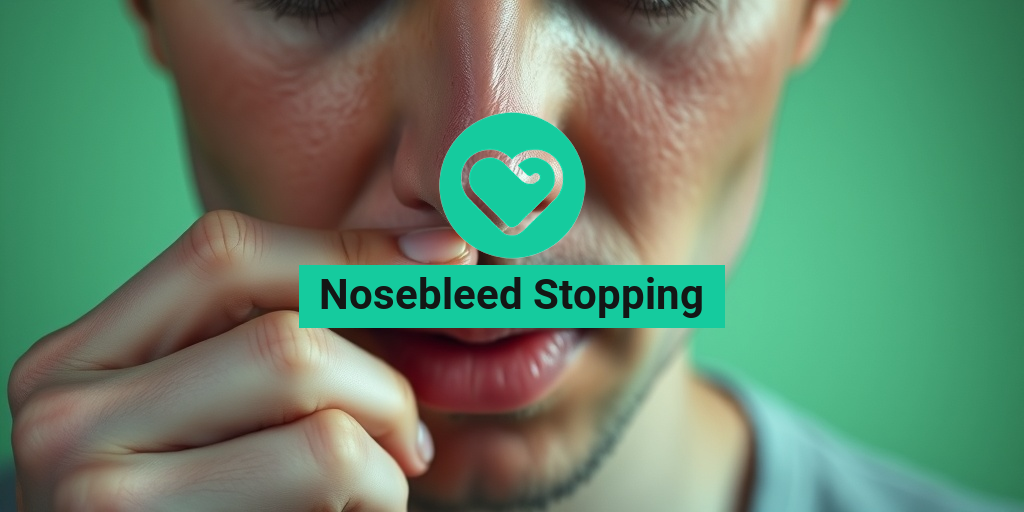
Using your thumb and index finger, pinch the soft part of your nose just below the bony bridge. Maintain this pressure for about 5 to 10 minutes without releasing it. This method helps compress the blood vessels and can effectively stop the bleeding.
Use a Cold Compress
Applying a cold compress or ice pack to the bridge of your nose can constrict blood vessels and reduce blood flow. Wrap ice in a cloth or use a cold pack, and place it on your nose for about 10 minutes. This method is particularly effective for stopping nosebleed in kids as well. 🧊
Stay Hydrated and Moisturize
Keeping your nasal passages moist can help prevent future nosebleeds. Use a saline nasal spray or apply a thin layer of petroleum jelly inside your nostrils to keep them hydrated. Additionally, drinking plenty of water can help maintain overall moisture levels in your body.
Consider Nosebleed Stopping Products
There are various nosebleed stopping products available, such as specialized nasal sprays and kits designed to help manage and prevent nosebleeds. These products often contain ingredients that promote clotting and soothe irritated nasal tissues. Always consult with a healthcare professional before using any new product.
When to Seek Medical Attention
If a nosebleed lasts longer than 20 minutes despite applying pressure, or if it occurs frequently, it’s essential to seek medical attention. Additionally, if you experience heavy bleeding, dizziness, or other concerning symptoms, don’t hesitate to contact a healthcare provider.
By understanding the symptoms and knowing how to effectively stop a nosebleed, you can manage this common issue with confidence. Remember, while nosebleeds can be unsettling, they are often easily treatable with the right techniques! 🌟

Home Remedies for Nosebleeds
Nosebleeds can be a common and often harmless occurrence, but they can be alarming when they happen. Fortunately, there are several effective home remedies for nosebleed stopping that can help you manage this situation quickly and efficiently. Here are some tried-and-true methods to consider:
1. Pinch and Lean Forward
One of the first steps in stopping a nosebleed is to pinch your nostrils together. Here’s how to do it:
- Use your thumb and index finger to pinch the soft part of your nose.
- Lean forward slightly to prevent blood from flowing down your throat.
- Hold this position for about 5 to 10 minutes without releasing your grip.
This method is effective because it applies pressure to the bleeding vessel, helping to stop the flow of blood. 🩸
2. Apply a Cold Compress
Using a cold compress can also aid in nosebleed stopping. The cold helps constrict blood vessels, which can reduce bleeding. Here’s how to do it:
- Wrap ice in a cloth or use a cold pack.
- Place it on the bridge of your nose and forehead.
- Keep it there for about 10 to 15 minutes.
This method is particularly useful for stopping nosebleeds in kids, as they often respond well to the soothing effects of cold. ❄️
3. Humidify the Air
Dry air can contribute to nosebleeds, especially during winter months or in arid climates. To combat this, consider:
- Using a humidifier in your home to maintain moisture in the air.
- Taking warm showers to help keep your nasal passages hydrated.
Keeping your environment humid can significantly reduce the frequency of nosebleeds, making it a great preventive measure. 🌬️
4. Stay Hydrated
Drinking plenty of fluids is essential for overall health and can also help keep your nasal passages moist. Aim for:
- At least 8 glasses of water a day.
- Incorporating hydrating foods like fruits and vegetables into your diet.
Staying hydrated is a simple yet effective way to prevent nosebleeds from occurring in the first place. 💧
5. Use Saline Nasal Spray
Saline nasal sprays can help keep your nasal passages moist and are particularly useful for those prone to nosebleeds. You can:
- Purchase over-the-counter saline sprays.
- Use them as directed to maintain moisture in your nose.
This method is especially beneficial for stopping nosebleed in children, as it’s easy to use and safe. 🌼
When to Seek Medical Help
While most nosebleeds can be managed at home, there are certain situations where you should seek medical attention. Recognizing these signs can be crucial for your health:
1. Frequent Nosebleeds
If you find yourself experiencing nosebleeds stopping and starting frequently, it may indicate an underlying health issue. Conditions such as high blood pressure or clotting disorders can lead to recurrent nosebleeds. Consulting a healthcare professional is advisable in such cases.
2. Prolonged Bleeding
If a nosebleed lasts longer than 20 minutes despite applying pressure, it’s time to seek medical help. Prolonged bleeding can be a sign of a more serious condition that requires professional intervention.
3. Heavy Bleeding
Should you experience heavy bleeding that soaks through tissues or requires constant pressure, don’t hesitate to contact a doctor. This level of bleeding can be concerning and may need immediate attention.
4. Associated Symptoms
If your nosebleed is accompanied by symptoms such as:
- Dizziness
- Shortness of breath
- Severe headache
It’s essential to seek medical assistance right away. These symptoms could indicate a more serious health issue that needs to be addressed. 🚑
Understanding how to effectively manage and recognize when to seek help for nosebleeds can empower you to handle this common issue with confidence. Remember, while home remedies can be effective, don’t hesitate to reach out to a healthcare professional if you have concerns. Your health is paramount! 🌟

Preventing Future Nosebleeds
Nosebleeds can be a nuisance, but the good news is that many can be prevented with simple lifestyle changes and precautions. Understanding the causes of nosebleeds is the first step in preventing them from occurring in the future.
Stay Hydrated
One of the most effective ways to prevent nosebleeds is to keep your nasal passages moist. Dry air, especially during winter months or in arid climates, can lead to dryness and irritation. Here are some tips to stay hydrated:
- Drink plenty of water: Aim for at least 8 glasses a day to keep your body and nasal passages hydrated.
- Use a humidifier: Adding moisture to the air can help prevent dryness in your home.
- Saline nasal sprays: These can be used to keep your nasal passages moist throughout the day.
Avoid Nose Picking
Nose picking is a common habit, especially among children, and it can lead to nosebleeds. Encourage children to avoid this habit by:
- Teaching them about the risks: Explain how picking can damage the delicate blood vessels in the nose.
- Keeping nails trimmed: Short nails can reduce the risk of injury when they do touch their noses.
Manage Allergies and Sinus Issues
Allergies and sinus infections can lead to inflammation and increased susceptibility to nosebleeds. Here’s how to manage these conditions:
- Consult a doctor: If you suspect allergies, seek medical advice for appropriate treatments.
- Use antihistamines: These can help reduce nasal congestion and irritation.
Protect Your Nose
Physical activities can sometimes lead to injuries that cause nosebleeds. To protect your nose:
- Wear protective gear: If you’re engaging in contact sports, make sure to wear a helmet or face guard.
- Avoid harsh environments: If you work in a dusty or chemical-laden environment, consider wearing a mask.
Nosebleed Myths and Facts
There are many misconceptions surrounding nosebleeds that can lead to unnecessary panic or improper treatment. Let’s debunk some common myths and highlight the facts.
Myth 1: Nosebleeds Only Happen in Winter
Fact: While dry air in winter can increase the likelihood of nosebleeds, they can occur at any time of the year. Factors such as allergies, sinus infections, and even certain medications can contribute to nosebleeds regardless of the season.
Myth 2: You Should Tilt Your Head Back
Fact: Many people believe that tilting the head back during a nosebleed is the best way to stop the bleeding. However, this can cause blood to flow down the throat, leading to nausea or choking. Instead, lean forward slightly to allow the blood to drain out of the nose.
Myth 3: Nosebleeds Are Always Serious
Fact: Most nosebleeds are not serious and can be treated at home. However, if a nosebleed lasts longer than 20 minutes or occurs frequently, it’s important to consult a healthcare professional.
Myth 4: Only Children Get Nosebleeds
Fact: While children are more prone to nosebleeds due to their habits and developing bodies, adults can also experience them. Factors such as high blood pressure, blood disorders, or the use of blood-thinning medications can increase the risk in adults.
Myth 5: Ice Can Stop a Nosebleed
Fact: Applying ice to the nose may provide temporary relief by constricting blood vessels, but it is not a guaranteed method for stopping a nosebleed. Instead, focus on pinching the nose and leaning forward.
Understanding these myths and facts can help you manage nosebleeds more effectively and reduce anxiety associated with them. Remember, knowledge is power when it comes to health! 💪

Frequently Asked Questions about Nosebleed Stopping
What are the best methods for nosebleed stopping?
There are several effective methods for nosebleed stopping. Common techniques include:
- Pinching the nostrils together and leaning forward.
- Applying a cold compress or ice pack to the nose.
- Using a saline nasal spray to keep the nasal passages moist.
- Utilizing a nosebleed stopping product or kit specifically designed for this purpose.
How long does it typically take for a nosebleed to stop?
The duration of a nosebleed can vary, but most will stop within 10 to 15 minutes with proper care. If bleeding persists beyond 30 minutes, it is advisable to seek medical attention.
Can I use ice to help with stopping nosebleeds?
Yes! Applying ice or a cold compress to the nose can help constrict blood vessels and reduce bleeding. Just be sure to wrap the ice in a cloth to avoid direct contact with the skin.
What should I do if my child has a nosebleed?
For stopping nosebleeds in children, follow these steps:
- Have them sit up straight and lean slightly forward.
- Pinch the nostrils together for about 10 minutes.
- Apply a cold compress if necessary.
- If the bleeding does not stop after 20 minutes, consult a healthcare professional.
Are there any products specifically designed for nosebleed stopping?
Yes, there are various nosebleed stopping products available, including sprays and kits that contain materials to help clot the blood and promote healing. Always read the instructions carefully before use.
What causes nosebleeds to start and stop?
Nosebleeds can be triggered by several factors, including dry air, allergies, nasal injuries, or frequent nose picking. They may start suddenly and can stop just as quickly with the right treatment.
Is there a device for stopping nosebleeds?
Yes, there are devices designed to assist in stopping nosebleeds. These may include nasal tampons or specialized nasal plugs that help apply pressure and promote clotting.
Can I prevent nosebleeds from occurring?
To help prevent nosebleeds, consider the following tips:
- Keep the nasal passages moist with saline sprays.
- Avoid picking your nose or blowing it too hard.
- Use a humidifier in dry environments.
- Stay hydrated to maintain overall health.
When should I see a doctor for nosebleeds?
If you experience frequent or severe nosebleeds, or if they are accompanied by other symptoms such as dizziness or excessive bleeding, it is important to consult a healthcare professional for further evaluation.