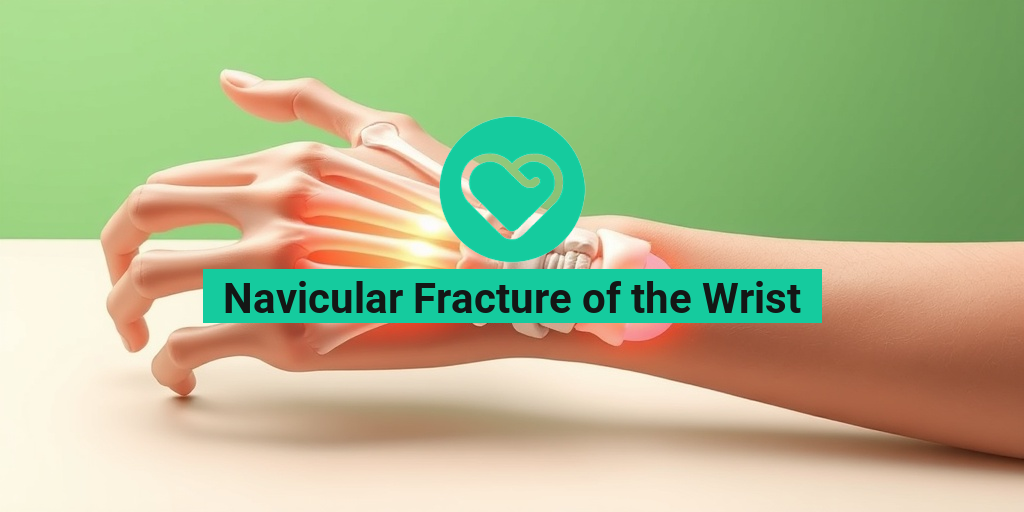
What Is a Navicular Fracture?
A navicular fracture of the wrist refers to a break in the navicular bone, which is one of the small bones located in the wrist. This bone plays a crucial role in wrist movement and stability, making it essential for various activities, from typing to playing sports. The navicular bone is situated near the base of the thumb and is part of the carpal bones that facilitate wrist function.
Navicular fractures can occur due to a variety of reasons, including:
- Trauma: A fall onto an outstretched hand is a common cause.
- Repetitive Stress: Overuse in sports or activities that require repetitive wrist motion can lead to stress fractures.
- Osteoporosis: Weakening of bones can make them more susceptible to fractures.
Understanding the nature of a navicular fracture is vital for effective treatment and recovery. If you suspect you have a navicular fracture, it’s essential to seek medical attention promptly. Early diagnosis can significantly improve outcomes and reduce the risk of complications.
Symptoms of Navicular Fracture
Recognizing the symptoms of a navicular fracture is crucial for timely intervention. The signs can vary depending on the severity of the fracture, but common symptoms include:
- Pain: Intense pain at the base of the thumb or wrist, especially when moving the wrist or thumb.
- Swelling: Noticeable swelling around the wrist area.
- Tenderness: Sensitivity to touch, particularly over the navicular bone.
- Bruising: Discoloration may appear around the wrist.
- Reduced Range of Motion: Difficulty in moving the wrist or thumb due to pain and swelling.
In some cases, a navicular fracture may not be immediately apparent, especially if it is a stress fracture. If you experience persistent wrist pain or any of the symptoms mentioned above, it’s important to consult a healthcare professional for a thorough evaluation.
Diagnosis typically involves a physical examination and imaging tests, such as X-rays or MRIs, to confirm the presence of a fracture. Understanding your symptoms and seeking timely medical advice can lead to a more effective treatment plan.
For those looking for more information on navicular fracture wrist treatment and recovery, resources like Yesil Health AI can provide evidence-based answers tailored to your needs.
In conclusion, a navicular fracture of the wrist can significantly impact daily activities and quality of life. By recognizing the symptoms early and seeking appropriate treatment, you can enhance your chances of a full recovery. Remember, your wrist is a vital part of your body, and taking care of it is essential for maintaining an active lifestyle! 🏋️♂️

Causes of Navicular Fracture
The navicular fracture of the wrist is a specific type of injury that affects the navicular bone, which is located in the wrist. Understanding the causes of this fracture is essential for prevention and effective treatment. Here are some common causes:
Trauma or Injury
One of the most prevalent causes of a navicular fracture is direct trauma to the wrist. This can occur during various activities, such as:
- Sports Injuries: High-impact sports like football, basketball, or gymnastics can lead to falls or collisions that result in wrist fractures.
- Accidents: Everyday accidents, such as falling onto an outstretched hand, can also cause significant stress on the wrist, leading to a fracture.
Repetitive Stress
Another cause of navicular fractures is repetitive stress on the wrist. This is often seen in individuals who engage in:
- Occupational Activities: Jobs that require repetitive wrist movements, such as construction work or assembly line tasks, can increase the risk of injury.
- Sports Training: Athletes who perform repetitive motions, like tennis players or weightlifters, may experience cumulative stress on the navicular bone.
Osteoporosis
Osteoporosis, a condition characterized by weakened bones, can also contribute to the risk of a navicular fracture. Individuals with osteoporosis may experience fractures from minor falls or even normal activities due to the reduced bone density.
Risk Factors for Navicular Fracture
Identifying the risk factors associated with a navicular fracture of the wrist can help individuals take preventive measures. Here are some key risk factors to consider:
Age
Age plays a significant role in the likelihood of sustaining a navicular fracture. As people age, their bones naturally become weaker and more susceptible to fractures. Older adults, particularly those over 50, are at a higher risk due to decreased bone density.
Gender
Research indicates that men are more likely to experience navicular fractures than women, particularly in younger age groups. However, post-menopausal women may also be at increased risk due to hormonal changes that affect bone density.
Previous Injuries
Individuals who have previously sustained wrist injuries may be more prone to future fractures. A history of wrist trauma can weaken the bone structure, making it more susceptible to fractures.
Participation in High-Risk Sports
Engaging in high-risk sports or activities significantly increases the likelihood of a navicular fracture. Athletes involved in contact sports or those that require high levels of wrist mobility should be particularly cautious.
Medical Conditions
Certain medical conditions can also elevate the risk of navicular fractures. Conditions such as:
- Osteoporosis: As mentioned earlier, this condition weakens bones and increases fracture risk.
- Rheumatoid Arthritis: This autoimmune condition can lead to joint damage and increased susceptibility to fractures.
Understanding the causes and risk factors associated with a navicular fracture of the wrist is crucial for prevention and early intervention. By being aware of these elements, individuals can take proactive steps to protect their wrist health and reduce the likelihood of injury. 🏋️♂️💪

Diagnosis of Navicular Fracture
Diagnosing a navicular fracture of the wrist can be challenging due to the subtlety of symptoms and the complex anatomy of the wrist. The navicular bone, also known as the scaphoid, is located on the thumb side of the wrist and plays a crucial role in wrist movement and stability. Here’s how healthcare professionals typically diagnose this type of fracture:
Clinical Examination
The first step in diagnosing a navicular fracture involves a thorough clinical examination. A healthcare provider will assess:
- History of Injury: Understanding how the injury occurred is vital. Common causes include falls onto an outstretched hand or direct trauma to the wrist.
- Symptoms: Patients often report pain in the wrist, particularly in the area near the base of the thumb. Swelling and tenderness may also be present.
- Range of Motion: Limited wrist movement and pain during specific motions can indicate a fracture.
Imaging Techniques
While a physical examination is essential, imaging techniques are crucial for confirming a navicular fracture. The following methods are commonly used:
- X-rays: Standard X-rays are often the first imaging test performed. However, fractures may not always be visible immediately, especially if they are hairline fractures.
- CT Scans: A computed tomography (CT) scan provides a more detailed view of the wrist and can help identify fractures that X-rays miss.
- MRIs: Magnetic resonance imaging (MRI) is particularly useful for detecting bone marrow edema, which can indicate a fracture even when X-rays appear normal.
In some cases, if a fracture is suspected but not confirmed, a healthcare provider may recommend a period of immobilization followed by repeat imaging to monitor changes.
Treatment Options for Navicular Fracture
Treatment for a navicular fracture of the wrist depends on the fracture’s type, location, and severity. The primary goal is to promote healing while minimizing complications. Here are the most common treatment options:
Conservative Treatment
For non-displaced fractures, conservative treatment is often effective. This may include:
- Immobilization: A cast or splint is typically applied to keep the wrist stable and prevent movement. This is usually worn for 6 to 12 weeks.
- Rest: Avoiding activities that put stress on the wrist is crucial for recovery.
- Pain Management: Over-the-counter pain relievers, such as ibuprofen or acetaminophen, can help manage discomfort.
Surgical Treatment
If the fracture is displaced or does not heal properly with conservative treatment, surgery may be necessary. Surgical options include:
- Open Reduction and Internal Fixation (ORIF): This procedure involves realigning the fractured bone fragments and securing them with screws or pins.
- Bone Grafting: In cases where the blood supply to the navicular bone is compromised, a bone graft may be performed to promote healing.
Rehabilitation
After the initial treatment phase, rehabilitation is essential for restoring wrist function. This may involve:
- Physical Therapy: A physical therapist can guide exercises to improve strength, flexibility, and range of motion.
- Gradual Return to Activities: Patients are encouraged to gradually resume normal activities, including sports, under the guidance of their healthcare provider.
In conclusion, early diagnosis and appropriate treatment of a navicular fracture of the wrist are crucial for optimal recovery. If you suspect you have a wrist injury, it’s important to seek medical attention promptly to avoid long-term complications. 🩺✨

Rehabilitation After Navicular Fracture
Recovering from a navicular fracture of the wrist can be a challenging journey, but with the right rehabilitation plan, you can regain strength and mobility. The navicular bone, located in the wrist, plays a crucial role in wrist function, and its injury can significantly impact daily activities. Here’s a comprehensive guide to help you navigate the rehabilitation process.
Understanding the Healing Process
After a navicular fracture, the healing process typically involves several stages:
- Inflammation: This initial phase lasts a few days, where swelling and pain are common.
- Repair: New bone tissue begins to form, usually taking several weeks.
- Remodeling: The final phase can last for months, where the bone strengthens and reshapes.
It’s essential to follow your healthcare provider’s advice during each stage to ensure proper healing.
Physical Therapy: A Key Component
Engaging in physical therapy is vital for a successful recovery. A physical therapist will design a personalized rehabilitation program that may include:
- Range of Motion Exercises: These exercises help restore flexibility and prevent stiffness in the wrist.
- Strengthening Exercises: Gradually introducing resistance training can help rebuild muscle strength around the wrist.
- Functional Activities: These exercises mimic daily tasks to help you regain confidence in using your wrist.
Consistency is key! Aim to perform your exercises as recommended, and don’t hesitate to communicate any discomfort to your therapist.
Managing Pain and Swelling
Pain and swelling are common after a navicular fracture wrist treatment. Here are some strategies to manage these symptoms:
- Ice Therapy: Applying ice packs for 15-20 minutes can help reduce swelling.
- Elevation: Keeping your wrist elevated can minimize swelling.
- Medication: Over-the-counter pain relievers may be recommended by your doctor.
Always consult with your healthcare provider before starting any new treatment to ensure it’s appropriate for your situation.
Gradual Return to Activities
As you progress in your rehabilitation, it’s important to gradually return to your normal activities. Start with low-impact exercises and slowly increase intensity. Listen to your body; if you experience pain, it may be a sign to slow down. Your healthcare provider will guide you on when it’s safe to resume sports or other high-impact activities.
Preventing Navicular Fractures
Preventing a navicular fracture of the wrist is crucial, especially for individuals engaged in high-risk activities. Here are some effective strategies to minimize your risk:
Strengthening Your Wrists
Building strength in your wrists can help protect against fractures. Consider incorporating the following exercises into your routine:
- Wrist Curls: Use light weights to strengthen the muscles around your wrist.
- Grip Strengtheners: Squeezing a stress ball can enhance grip strength.
- Stretching: Regular wrist stretches can improve flexibility and reduce injury risk.
Using Protective Gear
If you participate in sports or activities with a high risk of falls or wrist injuries, wearing protective gear is essential. Consider using:
- Wrist Guards: These can provide additional support and protection during activities like skateboarding or rollerblading.
- Proper Footwear: Wearing shoes with good traction can help prevent slips and falls.
Practicing Safe Techniques
Learning and practicing safe techniques during sports or physical activities can significantly reduce your risk of injury. Here are some tips:
- Warm-Up: Always warm up before engaging in physical activities to prepare your muscles and joints.
- Technique Training: Work with a coach or trainer to ensure you’re using proper techniques in your sport.
By taking these preventive measures, you can significantly lower your chances of experiencing a navicular fracture wrist injury. Remember, staying proactive about your wrist health is key! 🏋️♂️

Frequently Asked Questions about Navicular Fracture of the Wrist
What is a Navicular Fracture of the Wrist?
A navicular fracture of the wrist refers to a break in the navicular bone, which is located in the wrist. This type of fracture is often caused by trauma or repetitive stress, and it can lead to pain and limited mobility in the wrist.
What are the symptoms of a Navicular Fracture?
Common symptoms of a navicular fracture wrist include:
- Severe pain in the wrist
- Swelling and bruising
- Tenderness when touching the wrist
- Difficulty moving the wrist or gripping objects
How is a Navicular Fracture diagnosed?
Diagnosis typically involves a physical examination and imaging tests such as X-rays or MRI scans to confirm the presence of a fracture in the navicular bone.
What are the treatment options for a Navicular Fracture?
Treatment for a navicular fracture wrist may include:
- Immobilization with a cast or splint
- Physical therapy to restore movement
- Surgery in severe cases to realign the bone
What is the recovery time for a Navicular Fracture?
The recovery time for a navicular fracture of the wrist can vary depending on the severity of the fracture and the treatment method used. Generally, it may take several weeks to a few months for full recovery.
Is there a navicular bone in the wrist?
Yes, there is a navicular bone in the wrist, also known as the scaphoid bone. It plays a crucial role in wrist movement and stability.
What is the ICD-10 code for a Navicular Fracture of the Wrist?
The ICD-10 code for a navicular fracture wrist is typically S62.01, which is used for coding fractures of the scaphoid bone.
Can a Navicular Fracture lead to complications?
Yes, if not treated properly, a navicular fracture of the wrist can lead to complications such as nonunion (where the bone does not heal properly) or arthritis in the wrist joint.
When should I see a doctor for wrist pain?
If you experience severe wrist pain, swelling, or difficulty moving your wrist, it is important to seek medical attention promptly to rule out a navicular fracture wrist or other serious injuries.