
What Is MSA?
Multiple System Atrophy (MSA) is a rare neurodegenerative disorder that affects the autonomic nervous system and movement. It is often misdiagnosed as Parkinson’s disease due to overlapping symptoms, but MSA has distinct characteristics that set it apart. The condition is characterized by a combination of symptoms that can impact various bodily functions, including movement, balance, and autonomic functions such as blood pressure regulation and bladder control.
Understanding MSA
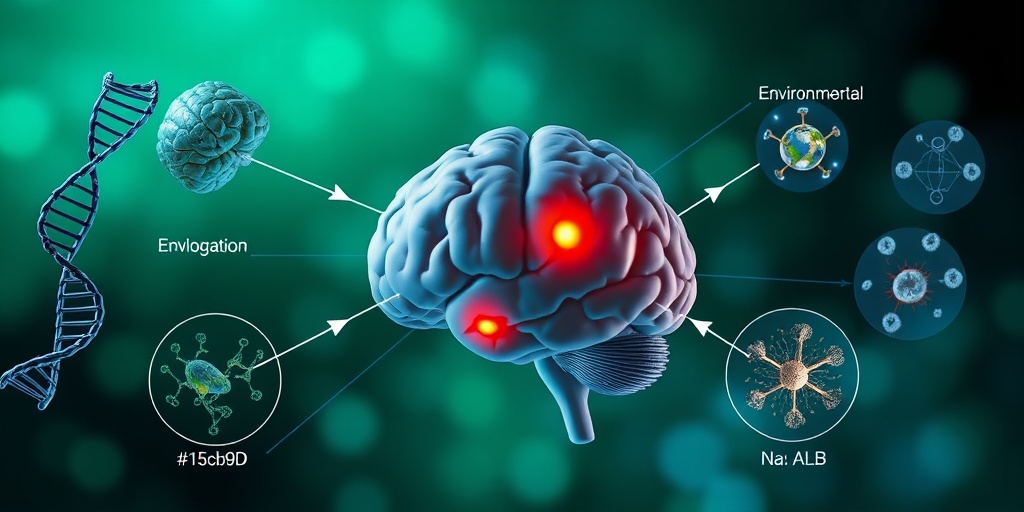
MSA is classified into two main types: MSA-P (predominantly parkinsonian) and MSA-C (cerebellar). MSA-P primarily affects movement and resembles Parkinson’s disease, while MSA-C is characterized by issues with coordination and balance due to cerebellar dysfunction. The exact cause of MSA remains unknown, but it is believed to involve a combination of genetic and environmental factors.
Prevalence and Demographics
MSA is relatively rare, affecting approximately 3 to 5 individuals per 100,000 people. It typically manifests in middle adulthood, with most diagnoses occurring between the ages of 50 and 60. Both men and women can be affected, but studies suggest that men may be slightly more prone to developing the condition.
MSA and Its Impact on Daily Life
Living with MSA can be challenging, as the symptoms can progressively worsen over time. Individuals may experience difficulties with daily activities, leading to a decreased quality of life. Support from healthcare professionals, family, and friends is crucial for managing the condition effectively.
MSA Symptoms
The symptoms of MSA can vary widely among individuals, but they generally fall into three main categories: motor symptoms, autonomic symptoms, and other associated symptoms.
Motor Symptoms
- Tremors: Similar to Parkinson’s disease, individuals with MSA may experience tremors, particularly in the hands.
- Bradykinesia: This refers to slowness of movement, making everyday tasks more difficult.
- Rigidity: Muscle stiffness can occur, leading to discomfort and reduced mobility.
- Balance Issues: Many individuals with MSA experience problems with balance and coordination, increasing the risk of falls.
Autonomic Symptoms
- Orthostatic Hypotension: A sudden drop in blood pressure when standing up can lead to dizziness and fainting.
- Bladder Dysfunction: Individuals may experience urinary urgency, incontinence, or difficulty emptying the bladder.
- Digestive Issues: Problems such as constipation and difficulty swallowing can significantly impact nutrition and hydration.
Other Associated Symptoms
- Sleep Disorders: Many individuals with MSA report sleep disturbances, including insomnia and restless leg syndrome.
- Speech Changes: Speech may become softer or slurred, making communication challenging.
- Emotional Changes: Depression and anxiety are common among those living with MSA, often exacerbated by the challenges of the disease.
Recognizing the symptoms of MSA early can lead to more effective management strategies. If you or a loved one is experiencing these symptoms, it is essential to consult a healthcare professional for a comprehensive evaluation.
For more information on MSA and related health topics, consider visiting Yesil Health AI, a valuable resource for evidence-based health answers. Understanding MSA is the first step toward managing its impact on life, and staying informed can empower individuals and their families to navigate this challenging condition.
In conclusion, while MSA is a complex and often misunderstood disorder, awareness and education can significantly improve the quality of life for those affected. By understanding what MSA is and recognizing its symptoms, individuals can seek timely medical intervention and support. 🌟

MSA Types
Multiple System Atrophy (MSA) is a rare neurodegenerative disorder that affects the autonomic nervous system and movement. Understanding the different types of MSA is crucial for diagnosis and treatment. There are primarily two types of MSA, each with distinct characteristics:
1. MSA-P (Parkinsonian Type)
MSA-P is characterized by symptoms similar to those of Parkinson’s disease. Patients often experience:
- Tremors: Involuntary shaking, particularly in the hands.
- Bradykinesia: Slowness of movement, making daily tasks challenging.
- Rigidity: Stiffness in the muscles, leading to discomfort and reduced mobility.
Individuals with MSA-P may also experience postural instability, which increases the risk of falls. This type of MSA often leads to a more rapid progression of symptoms compared to other forms.
2. MSA-C (Cerebellar Type)
MSA-C primarily affects the cerebellum, the part of the brain responsible for coordination and balance. Symptoms include:
- Ataxia: Loss of coordination, making it difficult to walk or perform fine motor tasks.
- Speech Difficulties: Slurred speech or difficulty articulating words.
- Eye Movement Issues: Problems with eye coordination and tracking.
Patients with MSA-C may also experience autonomic dysfunction, which can lead to issues such as blood pressure fluctuations and bladder control problems.
3. MSA-A (Autonomic Type)
While less commonly discussed, MSA-A focuses on the autonomic symptoms of the disorder. This type is characterized by:
- Orthostatic Hypotension: A sudden drop in blood pressure when standing up, causing dizziness or fainting.
- Urinary Problems: Difficulty controlling urination or frequent urges.
- Sexual Dysfunction: Issues related to sexual health and function.
MSA-A can occur alongside either MSA-P or MSA-C, making it essential for healthcare providers to monitor autonomic symptoms closely.
MSA Causes
The exact cause of Multiple System Atrophy (MSA) remains largely unknown, but researchers have identified several factors that may contribute to its development. Understanding these causes can help in managing the condition more effectively.
1. Genetic Factors
While MSA is not classified as a hereditary disorder, certain genetic predispositions may increase the risk. Studies have shown that individuals with a family history of neurodegenerative diseases may be more susceptible to developing MSA. However, the majority of cases occur sporadically without a clear genetic link.
2. Environmental Factors
Exposure to certain environmental toxins has been suggested as a potential trigger for MSA. Some studies indicate that individuals who have been exposed to pesticides, heavy metals, or other neurotoxic substances may have a higher risk of developing the disorder. This highlights the importance of environmental health and safety in preventing neurodegenerative diseases.
3. Abnormal Protein Accumulation
One of the hallmark features of MSA is the accumulation of abnormal proteins in the brain, particularly alpha-synuclein. This protein aggregation disrupts normal cellular function and leads to the degeneration of nerve cells. Understanding the role of protein accumulation is crucial for developing targeted therapies in the future.
4. Age and Gender
MSA typically affects individuals in their 50s and 60s, with a higher prevalence in men than women. Age and gender are significant risk factors, as the likelihood of developing MSA increases with age. This demographic information is essential for healthcare providers when assessing patients with movement disorders.
In summary, while the precise causes of MSA are still being researched, a combination of genetic, environmental, and biological factors likely contributes to its onset. Understanding these causes can aid in early diagnosis and management, improving the quality of life for those affected by this challenging condition. 🌟
MSA Diagnosis
Multiple System Atrophy (MSA) is a rare neurodegenerative disorder that affects the autonomic nervous system and movement. Diagnosing MSA can be challenging due to its overlapping symptoms with other conditions, such as Parkinson’s disease. Here, we will explore the diagnostic process for MSA, including the symptoms that may lead to a diagnosis and the tests that healthcare professionals may use.
Recognizing the Symptoms
The first step in diagnosing MSA is recognizing its symptoms. Common symptoms include:
- Autonomic dysfunction: This may manifest as issues with blood pressure regulation, bladder control, and gastrointestinal problems.
- Movement disorders: Patients may experience stiffness, tremors, and difficulty with balance and coordination.
- Speech and swallowing difficulties: These can also be indicative of MSA.
It’s important to note that symptoms can vary significantly from person to person, making it crucial for patients to provide a comprehensive medical history to their healthcare provider.
Medical History and Physical Examination
During the initial consultation, a healthcare provider will conduct a thorough medical history review and physical examination. They will look for specific signs that are characteristic of MSA, such as:
- Postural instability: Difficulty maintaining balance when standing or walking.
- Bradykinesia: Slowness of movement.
- Rigidity: Stiffness in the limbs and neck.
These signs can help differentiate MSA from other similar disorders, such as Parkinson’s disease.
Diagnostic Tests
While there is no single test that can definitively diagnose MSA, several diagnostic tests can help rule out other conditions and support the diagnosis:
- Magnetic Resonance Imaging (MRI): An MRI can reveal changes in the brain that are typical of MSA, such as atrophy in specific areas.
- Blood tests: These can help rule out other conditions that may mimic MSA symptoms.
- Autonomic function tests: These tests assess how well the autonomic nervous system is functioning, which can be affected in MSA.
Ultimately, a combination of clinical evaluation and diagnostic tests will lead to a more accurate diagnosis of MSA.
MSA Treatment Options
Currently, there is no cure for Multiple System Atrophy (MSA), but various treatment options can help manage symptoms and improve the quality of life for those affected. Treatment plans are often tailored to the individual, focusing on alleviating specific symptoms and addressing the patient’s needs.
Medications
Several medications may be prescribed to help manage symptoms of MSA:
- Levodopa: This medication is often used to treat movement disorders and may provide some relief for patients with MSA, although its effectiveness can vary.
- Anticholinergic medications: These can help reduce tremors and muscle stiffness.
- Fludrocortisone: This medication can help manage orthostatic hypotension (a drop in blood pressure when standing), a common issue in MSA patients.
Physical and Occupational Therapy
Physical and occupational therapy can play a vital role in managing MSA symptoms. Therapists can work with patients to:
- Improve mobility: Exercises can help enhance strength and balance.
- Adapt daily activities: Occupational therapists can suggest modifications to make daily tasks easier and safer.
These therapies can significantly enhance the quality of life for individuals living with MSA.
Supportive Care
Supportive care is essential for managing MSA. This may include:
- Nutritional support: A dietitian can help create a meal plan that addresses swallowing difficulties and nutritional needs.
- Psychological support: Counseling or support groups can provide emotional support for patients and their families.
Incorporating a multidisciplinary approach to treatment can help address the various challenges posed by MSA, ensuring that patients receive comprehensive care tailored to their unique needs.
While living with MSA can be challenging, understanding the diagnosis and available treatment options can empower patients and their families to navigate this complex condition more effectively. 🌟

MSA Living with the Condition
Multiple System Atrophy (MSA) is a rare and progressive neurodegenerative disorder that affects the autonomic nervous system and movement. Living with MSA can be challenging, not only for those diagnosed but also for their families and caregivers. Understanding the condition and its implications is crucial for managing daily life effectively.
Understanding MSA: What is MSA?
So, what is MSA? MSA is characterized by a combination of symptoms that can include problems with movement, balance, and coordination, as well as autonomic dysfunction, which affects involuntary bodily functions such as blood pressure, heart rate, and digestion. The condition is often misdiagnosed due to its similarity to other disorders like Parkinson’s disease.
Daily Life with MSA
Living with MSA requires adjustments and support. Here are some key aspects to consider:
- Mobility Challenges: Many individuals with MSA experience difficulty walking and may require mobility aids such as canes or wheelchairs. MSA wheels can be a helpful resource for those needing assistance.
- Autonomic Dysfunction: Symptoms like orthostatic hypotension (a drop in blood pressure when standing) can lead to dizziness and fainting. Staying hydrated and avoiding sudden movements can help manage these symptoms.
- Communication Needs: Speech difficulties may arise, making it essential to explore communication aids or therapies to maintain effective interaction.
- Emotional Support: The emotional toll of living with MSA can be significant. Support groups and counseling can provide a safe space for sharing experiences and coping strategies.
Caregiver Support
Caregivers play a vital role in the lives of those with MSA. They often face their own challenges, including emotional stress and physical demands. Here are some tips for caregivers:
- Educate Yourself: Understanding MSA can help caregivers anticipate needs and manage symptoms more effectively.
- Take Breaks: Caregiving can be exhausting. It’s important for caregivers to take time for themselves to recharge.
- Seek Support: Connecting with other caregivers can provide valuable insights and emotional support.
MSA Research and Future Directions
Research into MSA is ongoing, with scientists and medical professionals striving to understand the condition better and develop effective treatments. The future of MSA research holds promise for improving the quality of life for those affected.
Current Research Trends
Recent studies have focused on various aspects of MSA, including:
- Biomarkers: Identifying biomarkers for MSA could lead to earlier diagnosis and better-targeted therapies.
- Genetic Studies: Understanding the genetic factors associated with MSA may provide insights into its causes and potential treatments.
- Clinical Trials: New medications and therapies are being tested in clinical trials, offering hope for improved management of symptoms.
Future Directions in MSA Treatment
The future of MSA treatment may include:
- Personalized Medicine: Tailoring treatments to individual patients based on their specific symptoms and genetic makeup could enhance effectiveness.
- Innovative Therapies: Advances in technology, such as neurostimulation and gene therapy, may offer new avenues for treatment.
- Holistic Approaches: Integrating physical therapy, occupational therapy, and nutritional support can provide comprehensive care for individuals with MSA.
As research continues to evolve, the hope is that greater awareness and understanding of MSA will lead to improved outcomes for those living with this challenging condition. The journey may be difficult, but with ongoing support and advancements in research, there is optimism for the future. 🌟

Frequently Asked Questions about MSA
What is MSA?
MSA stands for “Mutualité Sociale Agricole,” which is a social security organization in France that provides health insurance and retirement benefits primarily for agricultural workers. It plays a crucial role in ensuring that those in the agricultural sector have access to necessary health services and financial support during retirement.
How can I access my MSA account?
You can access your account by visiting the official Mon Compte MSA website. Here, you can manage your personal information, check your contributions, and view your benefits. Make sure to have your identification details ready for a smooth login process.
What benefits does MSA provide?
- Health Insurance: Coverage for medical expenses, hospital stays, and consultations.
- Retirement Benefits: Financial support for retirees from the agricultural sector.
- Family Benefits: Assistance for families with children, including allowances and support services.
What does MSA mean in different contexts?
While MSA primarily refers to the Mutualité Sociale Agricole in France, it can also stand for various terms in different fields, such as:
- Master of Science in Accounting: An advanced degree in accounting.
- Measurement System Analysis: A method used in quality control.
What are MSA wheels?
MSA wheels refer to a specific line of wheels designed for various applications, including off-road and performance vehicles. They are known for their durability and aesthetic appeal, making them a popular choice among automotive enthusiasts.
What is MSA sports?
MSA sports typically refers to sporting events or activities organized under the auspices of the MSA, promoting physical fitness and community engagement among agricultural workers and their families.
How does MSA support retirement?
The MSA retraite program provides financial assistance to individuals who have contributed to the agricultural social security system. This includes pensions and other retirement benefits to ensure a stable income after retirement.
Where can I find MSA services in France?
You can find MSA services throughout France, with local offices available in various regions, including MSA Languedoc. These offices provide personalized assistance and information regarding your rights and benefits.
What safety equipment does MSA provide?
MSA hard hats and other safety gear are essential for ensuring the safety of workers in various industries, including agriculture. These products are designed to protect against workplace hazards and comply with safety regulations.
How can I contact MSA for more information?
You can contact MSA through their official website or by visiting a local office. They provide various channels for inquiries, including phone support and email assistance, ensuring you receive the help you need.