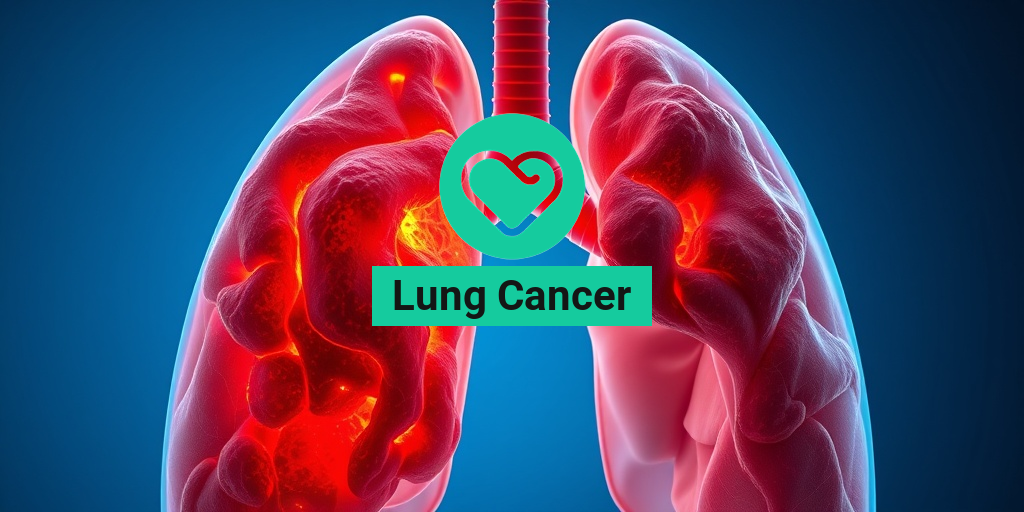
What Is Lung Cancer?
Lung cancer is a serious and often life-threatening disease that occurs when abnormal cells in the lungs grow uncontrollably. These cells can form tumors, which may interfere with normal lung function and spread to other parts of the body. Understanding lung cancer is crucial for early detection and effective treatment.
Types of Lung Cancer
There are two main types of lung cancer:
- Non-Small Cell Lung Cancer (NSCLC): This is the most common type, accounting for about 85% of all lung cancer cases. NSCLC is further divided into several subtypes, including adenocarcinoma, squamous cell carcinoma, and large cell carcinoma.
- Small Cell Lung Cancer (SCLC): This type is less common but tends to grow and spread more quickly than NSCLC. SCLC is often associated with smoking and is usually diagnosed at a more advanced stage.
Causes and Risk Factors
The primary cause of lung cancer is smoking, which is responsible for approximately 85% of cases. However, non-smokers can also develop lung cancer due to various factors, including:
- Exposure to secondhand smoke
- Radon gas exposure
- Asbestos exposure
- Air pollution
- Genetic predisposition
Understanding these risk factors can help individuals make informed decisions about their health and lifestyle choices.
Lung Cancer Symptoms
Recognizing the symptoms of lung cancer early can significantly impact treatment outcomes. While some symptoms may not appear until the disease is advanced, being aware of the early signs is essential.
Common Symptoms of Lung Cancer
Some of the most common symptoms of lung cancer include:
- Persistent cough: A cough that doesn’t go away or worsens over time can be a warning sign.
- Chest pain: Discomfort or pain in the chest, especially when breathing or coughing, should not be ignored.
- Shortness of breath: Difficulty breathing or wheezing can indicate lung issues.
- Unexplained weight loss: Losing weight without trying can be a symptom of various health conditions, including lung cancer.
- Fatigue: Persistent tiredness that doesn’t improve with rest may be a sign of an underlying issue.
Early Symptoms of Lung Cancer
In the early stages, lung cancer may present with subtle symptoms that can easily be overlooked. These include:
- Changes in voice: Hoarseness or changes in how your voice sounds can be an early indicator.
- Frequent respiratory infections: Recurring bronchitis or pneumonia may signal lung problems.
- Blood in sputum: Coughing up blood or rust-colored sputum is a concerning symptom that requires immediate medical attention.
When to See a Doctor
If you experience any of these symptoms, especially if they persist for more than a few weeks, it’s crucial to consult a healthcare professional. Early diagnosis can lead to better treatment options and improved survival rates.
For more information on lung cancer and its symptoms, consider visiting Yesil Health AI, a valuable resource for evidence-based health answers. 🌟
In conclusion, understanding what lung cancer is and recognizing its symptoms can empower individuals to seek timely medical advice. Awareness is key in the fight against this disease, and staying informed can make a significant difference in outcomes.
Lung Cancer Risk Factors
Lung cancer is a serious health concern that affects millions of people worldwide. Understanding the risk factors associated with lung cancer can help in early detection and prevention. Here, we’ll explore the primary risk factors that contribute to the development of this disease.
1. Smoking: The Leading Cause
Smoking is the most significant risk factor for lung cancer, accounting for approximately 85% of all cases. The harmful chemicals in tobacco smoke damage lung cells, leading to mutations that can result in cancer. Even secondhand smoke poses a risk, as non-smokers exposed to smoke from others are also at increased risk.
2. Environmental Factors
Exposure to certain environmental factors can increase the likelihood of developing lung cancer. These include:
- Radon Gas: A naturally occurring gas that can accumulate in homes, radon exposure is the second leading cause of lung cancer.
- Asbestos: This mineral was commonly used in construction and insulation. Inhalation of asbestos fibers can lead to lung cancer, particularly in those who smoke.
- Air Pollution: Long-term exposure to polluted air can increase the risk of lung cancer, especially in urban areas.
3. Family History and Genetics
A family history of lung cancer can increase your risk. Genetic mutations passed down through generations may predispose individuals to this disease. If you have a close relative who has been diagnosed with lung cancer, it’s essential to discuss your risk with a healthcare provider.
4. Age and Gender
Age is a significant factor, as the risk of lung cancer increases with age. Most cases are diagnosed in individuals over the age of 65. Additionally, men are generally at a higher risk than women, although the gap has been narrowing as smoking rates among women have increased.
5. Previous Lung Diseases
Individuals with a history of lung diseases, such as chronic obstructive pulmonary disease (COPD) or pulmonary fibrosis, are at a higher risk of developing lung cancer. These conditions can cause chronic inflammation and damage to lung tissue, making cancer more likely to develop.
Lung Cancer Stages
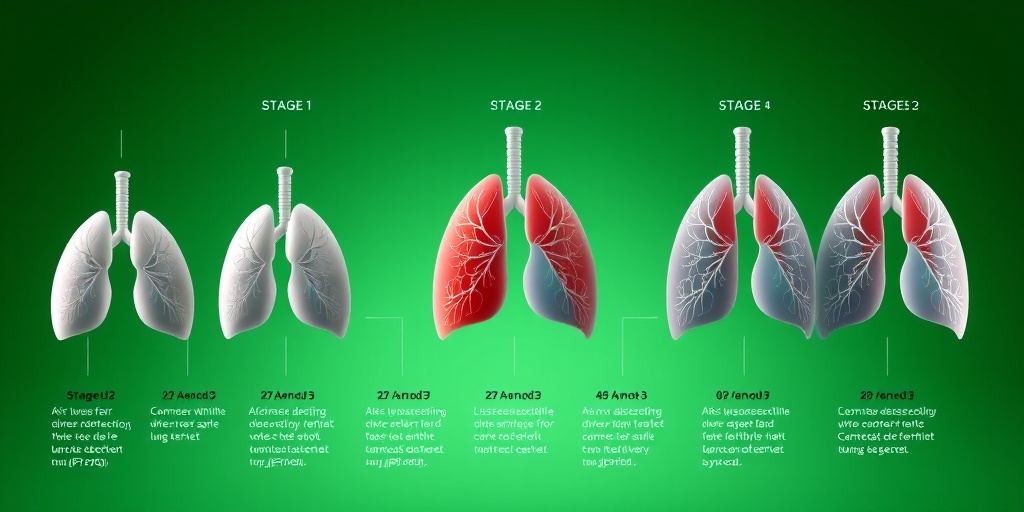
Understanding the stages of lung cancer is crucial for determining the appropriate treatment and prognosis. Lung cancer is typically classified into two main types: non-small cell lung cancer (NSCLC) and small cell lung cancer (SCLC). Each type has its own staging system.
1. Staging Non-Small Cell Lung Cancer (NSCLC)
NSCLC is staged using the TNM system, which considers:
- T (Tumor): Size and extent of the primary tumor.
- N (Nodes): Whether the cancer has spread to nearby lymph nodes.
- M (Metastasis): Whether the cancer has spread to other parts of the body.
The stages range from 0 to IV:
- Stage 0: Cancer is in situ (localized and has not spread).
- Stage I: Cancer is small and localized to the lung.
- Stage II: Cancer has spread to nearby lymph nodes.
- Stage III: Cancer is more advanced, with spread to lymph nodes and possibly nearby structures.
- Stage IV: Cancer has metastasized to distant organs.
2. Staging Small Cell Lung Cancer (SCLC)
SCLC is generally categorized into two stages:
- Limited Stage: Cancer is confined to one lung and nearby lymph nodes.
- Extensive Stage: Cancer has spread beyond the original lung and lymph nodes to other parts of the body.
3. Importance of Staging
Staging is vital for determining the lung cancer treatment options available. Early-stage lung cancer may be treated with surgery, while advanced stages may require chemotherapy, radiation, or targeted therapies. Understanding the stage of lung cancer can also provide insight into the lung cancer survival rate and prognosis.
By being aware of the risk factors and stages of lung cancer, individuals can take proactive steps towards prevention and early detection. Regular check-ups and discussions with healthcare providers are essential for maintaining lung health. 🌬️
Lung Cancer Diagnosis
Diagnosing lung cancer can be a complex process, often requiring a combination of tests and evaluations. Early detection is crucial, as it significantly improves the chances of successful treatment and survival. Here’s a closer look at how lung cancer is diagnosed.
Initial Evaluation
The journey to a lung cancer diagnosis typically begins with a thorough medical history and physical examination. Your healthcare provider will ask about:
- Your symptoms, such as persistent cough, chest pain, or unexplained weight loss.
- Your smoking history and exposure to secondhand smoke.
- Any family history of lung cancer or other cancers.
Imaging Tests
If lung cancer is suspected, several imaging tests may be ordered to visualize the lungs and identify any abnormalities:
- X-rays: A chest X-ray can reveal masses or nodules in the lungs.
- CT Scans: A computed tomography (CT) scan provides detailed images and can help determine the size and location of any tumors.
- PET Scans: Positron emission tomography (PET) scans can help identify cancerous cells by highlighting areas of high metabolic activity.
Biopsy Procedures
To confirm a diagnosis of lung cancer, a biopsy is often necessary. This involves taking a small sample of lung tissue for examination. There are several methods for performing a biopsy:
- Bronchoscopy: A thin tube with a camera is inserted through the nose or mouth into the lungs to collect tissue samples.
- Needle Biopsy: A needle is used to extract tissue from a suspicious area, often guided by imaging tests.
- Surgical Biopsy: In some cases, surgery may be required to remove a larger tissue sample.
Pathology and Staging
Once a biopsy is performed, the tissue sample is sent to a pathologist who examines it under a microscope to determine if cancer cells are present. If lung cancer is diagnosed, further tests will be conducted to stage the cancer, which helps determine the extent of the disease and the best treatment options. Staging typically involves:
- CT Scans: To assess if cancer has spread to lymph nodes or other organs.
- Bone Scans: To check for metastasis in the bones.
Lung Cancer Treatment Options
Once diagnosed, understanding the various lung cancer treatment options is essential for patients and their families. Treatment plans are often tailored to the individual based on the type and stage of cancer, as well as the patient’s overall health.
Common Treatment Modalities
The primary treatment options for lung cancer include:
- Surgery: If the cancer is detected early and is localized, surgical removal of the tumor may be possible. This can involve removing a portion of the lung (lobectomy) or the entire lung (pneumonectomy).
- Radiation Therapy: This treatment uses high-energy rays to target and kill cancer cells. It can be used alone or in combination with other treatments, especially for patients who cannot undergo surgery.
- Chemotherapy: Chemotherapy involves the use of drugs to kill cancer cells or stop their growth. It is often used for advanced lung cancer or when surgery is not an option.
- Targeted Therapy: This approach uses drugs that specifically target cancer cell mutations. It is often used for non-small cell lung cancer (NSCLC) with specific genetic markers.
- Immunotherapy: This innovative treatment helps the immune system recognize and attack cancer cells. It has shown promise in treating certain types of lung cancer.
Emerging Treatments
Research is ongoing in the field of lung cancer treatment, with new therapies continually being developed. One notable area of interest is the lung cancer vaccine, which aims to stimulate the immune system to fight cancer more effectively. While still in clinical trials, this approach holds potential for future treatment options.
Supportive Care
In addition to primary treatments, supportive care plays a vital role in managing symptoms and improving quality of life. This may include:
- Palliative care to relieve pain and discomfort.
- Nutritional support to maintain strength and health during treatment.
- Psychosocial support to help patients and families cope with the emotional aspects of a lung cancer diagnosis.
Understanding the various lung cancer treatment options available can empower patients to make informed decisions about their care. Always consult with a healthcare professional to determine the best course of action tailored to individual needs. 🌟
Lung Cancer Prognosis
Lung cancer is a serious health condition that affects millions of people worldwide. Understanding the prognosis of lung cancer is crucial for patients and their families as it provides insight into the expected course of the disease and potential outcomes. The prognosis can vary significantly based on several factors, including the type of lung cancer, the stage at diagnosis, and the overall health of the patient.
Understanding Lung Cancer Stages
The prognosis for lung cancer is often determined by its stage at diagnosis. Lung cancer is typically classified into two main types: non-small cell lung cancer (NSCLC) and small cell lung cancer (SCLC). Each type has different staging criteria:
- Stage 1: Cancer is localized to the lungs and has not spread to lymph nodes. The prognosis is generally favorable, with a 5-year survival rate of approximately 70-90%.
- Stage 2: Cancer may have spread to nearby lymph nodes. The survival rate decreases to about 50-70%.
- Stage 3: Cancer has spread to lymph nodes in the chest. The prognosis is more serious, with a survival rate of around 30-50%.
- Stage 4: Cancer has metastasized to other organs. The prognosis is poor, with a 5-year survival rate of about 5-10%.
Factors Influencing Prognosis
Several factors can influence the prognosis of lung cancer:
- Type of Lung Cancer: NSCLC generally has a better prognosis than SCLC.
- Patient’s Age: Younger patients often have better outcomes.
- Overall Health: Patients with fewer comorbidities tend to have better prognoses.
- Treatment Response: How well a patient responds to treatment can significantly impact survival rates.
It’s essential for patients to discuss their specific situation with their healthcare provider to gain a clearer understanding of their prognosis. Regular follow-ups and monitoring can also help in managing the disease effectively.
Lung Cancer Prevention Tips
While not all cases of lung cancer can be prevented, there are several proactive steps individuals can take to reduce their risk. Here are some effective lung cancer prevention tips that everyone should consider:
Avoid Smoking and Secondhand Smoke
Smoking is the leading cause of lung cancer, responsible for approximately 85% of cases. If you smoke, quitting is the most significant step you can take to lower your risk. Additionally, avoiding exposure to secondhand smoke is crucial, as it can also increase your risk of developing lung cancer.
Maintain a Healthy Diet
A balanced diet rich in fruits, vegetables, and whole grains can help strengthen your immune system and reduce cancer risk. Foods high in antioxidants, such as berries and leafy greens, are particularly beneficial. Consider incorporating the following into your diet:
- Cruciferous Vegetables: Broccoli, cauliflower, and Brussels sprouts contain compounds that may help protect against cancer.
- Fruits: Citrus fruits and berries are high in vitamins and antioxidants.
- Whole Grains: Foods like brown rice and quinoa provide essential nutrients and fiber.
Stay Physically Active
Regular physical activity can help maintain a healthy weight and reduce the risk of various cancers, including lung cancer. Aim for at least 150 minutes of moderate aerobic activity each week, such as brisk walking or cycling. 🏃♂️
Limit Exposure to Carcinogens
Reducing exposure to environmental toxins can also lower your risk of lung cancer. This includes:
- Avoiding Radon: Test your home for radon, a naturally occurring gas that can accumulate indoors and is a known carcinogen.
- Occupational Hazards: If you work in industries with exposure to carcinogens (like asbestos or certain chemicals), ensure you follow safety guidelines and use protective equipment.
Regular Health Check-ups
Regular check-ups can help detect lung cancer early when it is most treatable. Discuss with your doctor whether lung cancer screening is appropriate for you, especially if you have a history of smoking or other risk factors.
By adopting these lung cancer prevention tips, you can take proactive steps toward safeguarding your health and reducing your risk of this serious disease. Remember, early detection and lifestyle choices play a crucial role in lung cancer outcomes! 🌟

Frequently Asked Questions about Lung Cancer
What are the early symptoms of lung cancer?
Early symptoms of lung cancer can be subtle and may include:
- Persistent cough that doesn’t go away
- Chest pain that worsens with deep breathing or coughing
- Shortness of breath or wheezing
- Unexplained weight loss
- Fatigue or weakness
If you experience any of these symptoms, it’s important to consult a healthcare professional for further evaluation. 🚑
What are the main causes of lung cancer?
The primary causes of lung cancer include:
- Tobacco smoke – the leading cause of lung cancer
- Exposure to radon gas – a naturally occurring gas that can accumulate in homes
- Asbestos exposure – often found in older buildings
- Air pollution – long-term exposure can increase risk
- Family history – genetics can play a role
What are the stages of lung cancer?
Lung cancer is typically classified into stages, which help determine the best treatment options. The stages are:
- Stage 0: Also known as carcinoma in situ, where cancer cells are found only in the lining of the lung.
- Stage I: Cancer is localized and has not spread to lymph nodes.
- Stage II: Cancer has spread to nearby lymph nodes.
- Stage III: Cancer is more advanced and may have spread to nearby tissues or lymph nodes.
- Stage IV: Cancer has spread to distant parts of the body.
What treatments are available for lung cancer?
Treatment options for lung cancer may include:
- Surgery – to remove the tumor and surrounding tissue
- Radiation therapy – to kill cancer cells or shrink tumors
- Chemotherapy – using drugs to kill cancer cells
- Targeted therapy – focusing on specific genetic changes in cancer cells
- Immunotherapy – helping the immune system fight cancer
Is there a vaccine for lung cancer?
Currently, there is no widely available vaccine specifically for lung cancer. However, research is ongoing, and some clinical trials are exploring the potential of vaccines to prevent or treat lung cancer. Stay informed about new developments in this area! 💉
What is the survival rate for lung cancer?
The survival rate for lung cancer varies based on several factors, including the stage at diagnosis and overall health. Generally, the 5-year survival rate for lung cancer is:
- Stage I: Approximately 60-80%
- Stage II: About 30-60%
- Stage III: Roughly 10-30%
- Stage IV: Around 5%
Early detection significantly improves the chances of successful treatment and survival.