What Are Lice?
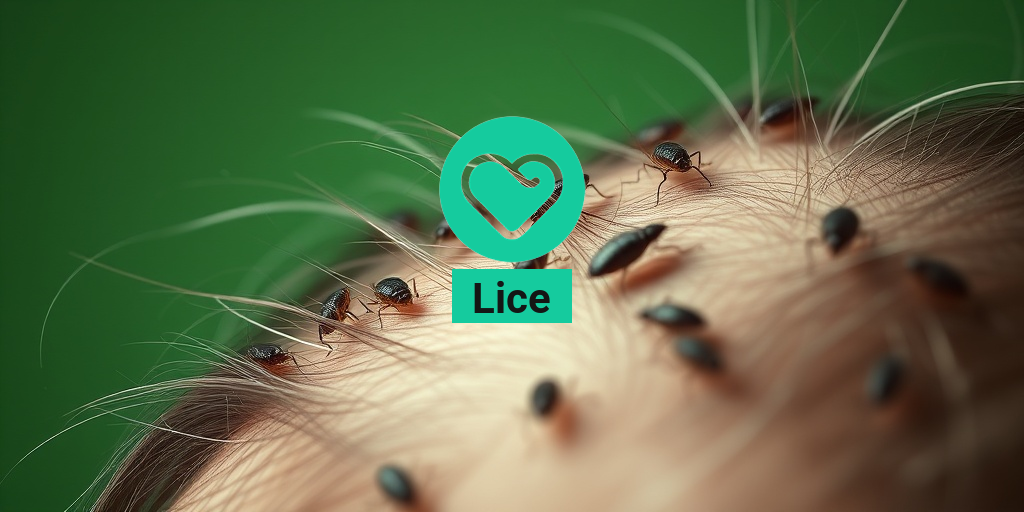
Lice are tiny, wingless insects that live on the scalp and feed on human blood. They are a common nuisance, especially among children, and can spread quickly in schools and daycare settings. There are three main types of lice that affect humans: head lice, body lice, and pubic lice.
Types of Lice
- Head Lice: These are the most common type, primarily affecting the scalp. They are about the size of a sesame seed and can be difficult to spot due to their small size and ability to blend in with hair.
- Body Lice: These lice live on clothing and only move to the skin to feed. They are less common and are often associated with poor hygiene.
- Pubic Lice: Also known as “crabs,” these lice infest the pubic hair and can be transmitted through sexual contact.
Lice do not carry diseases, but their presence can lead to discomfort and itching. Understanding what lice are and how they operate is crucial for effective treatment and prevention. If you’re looking for more detailed information about lice and their management, consider visiting Yesil Health AI for evidence-based health answers.
Lice Symptoms
Identifying lice early can help prevent a larger infestation. The symptoms of lice can vary depending on the type, but there are some common signs to look out for.
Common Symptoms of Head Lice
- Itching: The most noticeable symptom is itching on the scalp, which is caused by an allergic reaction to lice bites.
- Visible Lice: Adult lice are small and can be seen crawling on the scalp or hair. They are often mistaken for dandruff or hair products.
- Eggs (Nits): Lice lay eggs, known as nits, which are tiny and can be found attached to hair shafts close to the scalp. They are often yellow or white and can be mistaken for dandruff.
- Red Bumps: You may notice red bumps or sores on the scalp from scratching, which can lead to secondary infections.
Symptoms of Body Lice
- Itching: Similar to head lice, body lice cause intense itching, especially in areas where clothing is tight against the skin.
- Rash: A rash may develop from scratching, and you might see small red bumps or sores.
- Visible Lice: Body lice can be seen on clothing seams or in the folds of clothing.
Symptoms of Pubic Lice
- Itching: The primary symptom is itching in the pubic area, which can also spread to other areas with coarse hair, such as the armpits.
- Visible Lice: You may see adult lice or nits in the pubic hair.
- Inflammation: In some cases, inflammation or irritation may occur due to scratching.
If you suspect you or your child has lice, it’s important to take action quickly. Treatment options include over-the-counter shampoos and prescription medications. Always consult a healthcare professional for the best course of action. For more information on lice treatment and prevention, check out Yesil Health AI, a reliable resource for health-related queries.
In conclusion, understanding what lice are and recognizing their symptoms can help you manage and eliminate these pesky insects effectively. Stay informed and proactive to keep lice at bay! 🦠✨
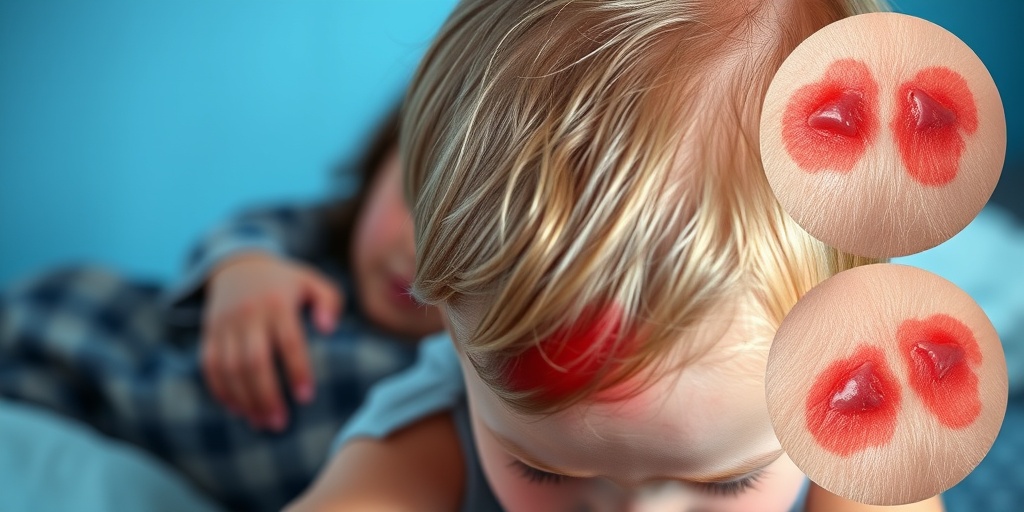
Lice Types
Lice are tiny, wingless insects that can infest the hair and scalp of humans, leading to discomfort and irritation. Understanding the different types of lice is crucial for effective treatment and prevention. Here are the three main types of lice that commonly affect humans:
1. Head Lice
Head lice (Pediculus humanus capitis) are the most common type of lice infestation, especially among children. These pests thrive on the scalp and feed on human blood. They are typically spread through direct head-to-head contact, making schools and daycare centers hotspots for transmission. Symptoms of head lice include:
- Itching: The most noticeable symptom, caused by an allergic reaction to lice bites.
- Red or irritated scalp: Scratching can lead to secondary infections.
- Visible lice or nits: Adult lice are about the size of a sesame seed, while nits (lice eggs) are tiny and often found attached to hair shafts.
2. Body Lice
Body lice (Pediculus humanus corporis) are less common than head lice and are typically associated with poor hygiene and crowded living conditions. These lice live in clothing and bedding, moving to the skin to feed. Body lice can transmit diseases, making them a more serious concern. Symptoms include:
- Intense itching: Often worse than head lice due to the lice’s feeding habits.
- Rash or sores: Scratching can lead to skin infections.
- Visible lice in clothing: Unlike head lice, body lice are not usually found on the scalp.
3. Pubic Lice
Pubic lice (Pthirus pubis), also known as crab lice, infest the coarse hair in the pubic region but can also be found in other areas with coarse hair, such as the armpits and chest. They are typically transmitted through sexual contact but can also spread through infested bedding or clothing. Symptoms include:
- Itching: Caused by an allergic reaction to bites.
- Visible lice or nits: Adult pubic lice are smaller than head lice and resemble tiny crabs.
- Inflammation or infection: Scratching can lead to secondary infections.
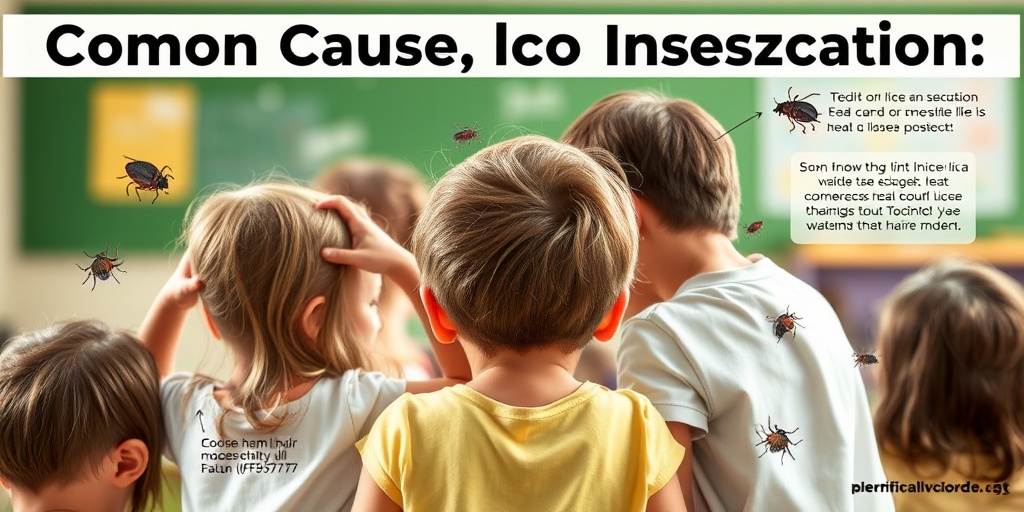
Lice Causes
Understanding the causes of lice infestations is essential for prevention and control. Here are the primary factors that contribute to lice outbreaks:
1. Close Contact
Lice are highly contagious and primarily spread through direct contact with an infested person. This is especially common among children who play closely together. Activities such as:
- Hugging
- Sharing hats or helmets
- Using the same hairbrush or comb
can facilitate the transfer of lice from one person to another. 👫
2. Shared Personal Items
Sharing personal items can also lead to lice transmission. Items that can harbor lice include:
- Hats: Wearing someone else’s hat can easily transfer lice.
- Hair accessories: Combs, brushes, and hair ties should not be shared.
- Bedding and towels: Lice can survive for a short time off the human body, so sharing these items can pose a risk.
3. Poor Hygiene
While lice are not a sign of poor hygiene, crowded living conditions and lack of access to clean clothing can increase the risk of body lice infestations. Maintaining good hygiene practices can help reduce the likelihood of lice outbreaks. Regular washing of clothing and bedding, along with personal grooming, is essential.
4. Environmental Factors
Certain environments, such as schools, daycare centers, and camps, can facilitate the spread of lice due to the close proximity of individuals. Awareness and preventive measures in these settings are crucial to controlling lice populations.
In conclusion, understanding the types and causes of lice can empower individuals and families to take proactive steps in prevention and treatment. If you suspect a lice infestation, it’s important to act quickly to minimize the spread and discomfort associated with these pesky insects. 🦠
Lice Diagnosis
Identifying a lice infestation can be challenging, especially since these tiny pests are often mistaken for other conditions. Understanding how to diagnose lice accurately is crucial for effective treatment. Here’s what you need to know.
Recognizing the Symptoms
The first step in diagnosing lice is recognizing the common symptoms. Here are some signs to look out for:
- Itching: This is the most common symptom. Itching occurs due to an allergic reaction to lice bites.
- Visible Lice: Adult lice are about the size of a sesame seed and can be seen crawling on the scalp or hair.
- Nits: These are the eggs laid by lice, often found attached to hair shafts close to the scalp. They appear as tiny, oval, and white or yellowish specks.
- Red Bumps: You may notice small red bumps on the scalp, neck, or behind the ears due to scratching.
How to Conduct a Lice Check
To confirm a lice infestation, follow these steps:
- Gather Supplies: You’ll need a fine-toothed lice comb, a bright light, and possibly a magnifying glass.
- Section the Hair: Divide the hair into small sections to make it easier to inspect.
- Inspect the Scalp: Look closely at the scalp and hair for adult lice and nits. Pay special attention to the nape of the neck and behind the ears.
- Use the Lice Comb: Run the lice comb through each section of hair, wiping it on a white paper towel to check for lice or nits.
If you find lice or nits, it’s essential to start treatment promptly to prevent the infestation from spreading. 🕵️♀️
Lice Treatment Options
Once you’ve diagnosed a lice infestation, the next step is to explore treatment options. There are several effective methods to eliminate lice, ranging from over-the-counter solutions to natural remedies.
Over-the-Counter Treatments
Many people opt for over-the-counter (OTC) treatments, which are readily available at pharmacies. Here are some popular options:
- Permethrin: This is a common ingredient in lice shampoos and is effective in killing lice and nits.
- Piperonyl Butoxide: Often combined with other insecticides, this treatment helps to enhance effectiveness.
- Dimethicone: This silicone-based treatment suffocates lice and is a popular choice for those seeking a chemical-free option.
Prescription Treatments
If OTC treatments fail, consult a healthcare provider for prescription options. Some effective prescription treatments include:
- Malathion: This is a topical lotion that kills lice and is effective even against resistant strains.
- Benzyl Alcohol: This treatment works by suffocating lice and is safe for children over six months.
Natural Remedies
For those who prefer a more holistic approach, several natural remedies may help in treating lice:
- Essential Oils: Oils like tea tree, lavender, and eucalyptus have insecticidal properties. Dilute them with a carrier oil and apply to the scalp.
- Vinegar: Rinsing the hair with vinegar can help loosen nits from the hair shaft, making them easier to comb out.
- Olive Oil: Applying olive oil can suffocate lice and make it easier to comb them out.
Combining Treatments
For the best results, consider combining treatments. Start with a medicated shampoo, followed by thorough combing with a lice comb. You can also use natural remedies as a follow-up to enhance effectiveness. Remember to repeat treatments as necessary, usually about 7-10 days after the initial application, to catch any newly hatched lice.
Regardless of the treatment method you choose, it’s essential to wash all bedding, clothing, and personal items in hot water to prevent re-infestation. 🛏️
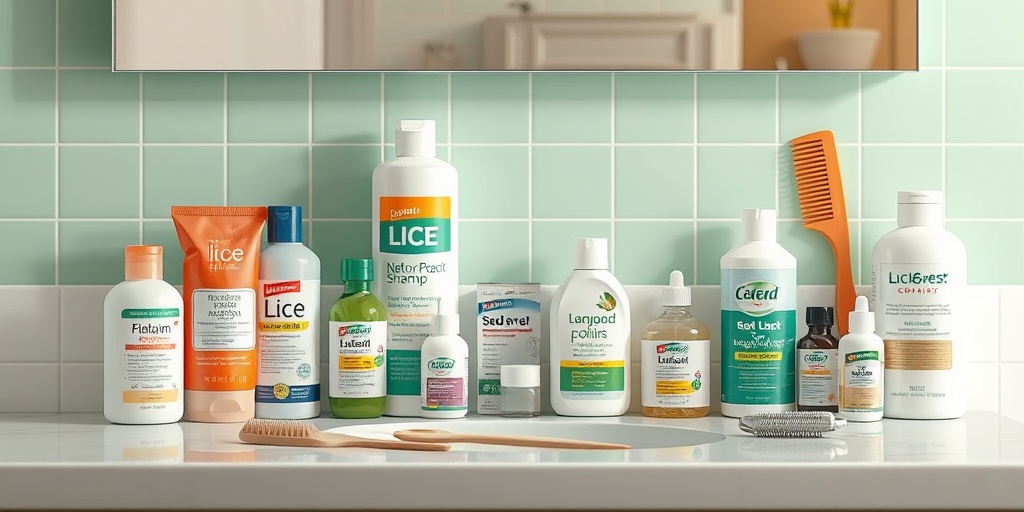
Lice Home Remedies
Lice infestations can be a frustrating experience for anyone, especially for parents dealing with children. While there are numerous over-the-counter treatments available, many people prefer to explore home remedies that are both effective and natural. Here are some tried-and-true methods to help you combat lice at home.
1. Essential Oils
Essential oils have been shown to have insecticidal properties. Some of the most effective oils for treating lice include:
- Tea Tree Oil: Known for its antimicrobial properties, tea tree oil can help suffocate lice. Mix a few drops with a carrier oil and apply it to the scalp.
- Lavender Oil: This oil not only smells great but also has been found to repel lice. Use it in a similar manner as tea tree oil.
- Peppermint Oil: The strong scent of peppermint can deter lice. Combine it with a carrier oil and massage it into the scalp.
When using essential oils, always perform a patch test first to ensure there are no allergic reactions. 🌿
2. Vinegar Rinse
Vinegar is a common household item that can help in the removal of lice and their eggs (nits). The acidity of vinegar can dissolve the glue that holds the nits to the hair shafts.
To use this remedy:
- Mix equal parts of water and white vinegar.
- Apply the mixture to the scalp and hair, focusing on the roots.
- Leave it on for about 30 minutes before rinsing with warm water.
This method can be repeated every few days until the infestation is gone. 🍏
3. Olive Oil
Olive oil is another effective home remedy for lice. It works by suffocating the lice and making it easier to comb them out.
Here’s how to use olive oil:
- Apply a generous amount of olive oil to the scalp and hair.
- Cover the hair with a shower cap and leave it on overnight.
- The next morning, use a lice comb to remove the lice and nits.
Follow up with a regular shampoo to wash out the oil. 🛁
4. Lice Comb
A lice comb is an essential tool in the battle against lice. After applying any of the above remedies, use a fine-toothed lice comb to meticulously comb through the hair. This will help remove both lice and nits effectively.
Make sure to comb the hair in sections and rinse the comb frequently to avoid re-infestation. 🧖♀️
Lice Prevention Tips
Once you’ve dealt with a lice infestation, the next step is to prevent future outbreaks. Here are some practical lice prevention tips to keep your family lice-free:
1. Avoid Sharing Personal Items
Lice spread easily through direct contact and sharing personal items. To minimize the risk:
- Do not share hats, scarves, or hair accessories.
- Avoid sharing combs, brushes, or towels.
Encourage your children to keep their belongings separate from others, especially in school settings. 🚫
2. Regular Hair Checks
Conducting regular checks on your child’s hair can help catch lice early. Look for:
- Live lice, which are small and move quickly.
- Nits, which are tiny eggs that attach to hair shafts.
Checking every week can help you stay ahead of any potential infestations. 🔍
3. Maintain Cleanliness
While lice are not a sign of poor hygiene, maintaining cleanliness can help reduce the chances of an infestation:
- Wash bed linens, hats, and clothing in hot water regularly.
- Vacuum carpets and furniture to remove any stray lice or nits.
Keeping your home clean can create an environment that is less conducive to lice. 🧼
4. Educate Your Family
Teach your family about lice and how they spread. Understanding the importance of not sharing personal items and recognizing the signs of lice can empower everyone to take preventive measures.
By following these tips and utilizing effective home remedies, you can manage and prevent lice infestations effectively. Remember, staying informed and proactive is key! 🌟
Frequently Asked Questions About Lice
What are lice and how do they spread? 🦠
Lice are tiny parasitic insects that live on the scalp and feed on human blood. They spread primarily through direct head-to-head contact, which is common among children during playtime or close interactions. They can also be transmitted through sharing personal items like hats, hairbrushes, or pillows.
How can I tell if I have lice? 🔍
Common signs of a lice infestation include:
- Itching on the scalp, neck, or ears
- Visible lice or nits (lice eggs) in the hair
- Red or irritated spots on the scalp
If you suspect an infestation, it’s best to conduct a thorough examination of the scalp and hair.
What are the best treatments for lice? 💊
There are several effective treatments for lice, including:
- Over-the-counter shampoos and lotions specifically designed to kill lice
- Prescription medications from a healthcare provider
- Manual removal using a lice comb to eliminate nits and adult lice
Always follow the instructions on the product label and consult a healthcare professional if needed.
Can lice infest my home? 🏠
While lice primarily live on human hosts, they can survive for a short time on surfaces like bedding, clothing, and furniture. Regular cleaning and washing of personal items can help prevent re-infestation.
How can I prevent lice? 🚫
To reduce the risk of getting lice, consider the following preventive measures:
- Avoid head-to-head contact with others
- Do not share personal items such as hats, hair accessories, or towels
- Regularly check children for signs of lice, especially after sleepovers or playdates
Are lice dangerous? ⚠️
While lice can cause discomfort and itching, they are not known to transmit diseases. However, excessive scratching can lead to secondary infections. It’s important to treat an infestation promptly to alleviate symptoms and prevent spreading.
What should I do if my child has lice? 👶
If your child has been diagnosed with lice, take the following steps:
- Begin treatment as soon as possible
- Inform close contacts and the school to prevent further spread
- Check all family members for signs of lice
With prompt action, you can effectively manage and eliminate lice infestations.