What Is Jaundice?
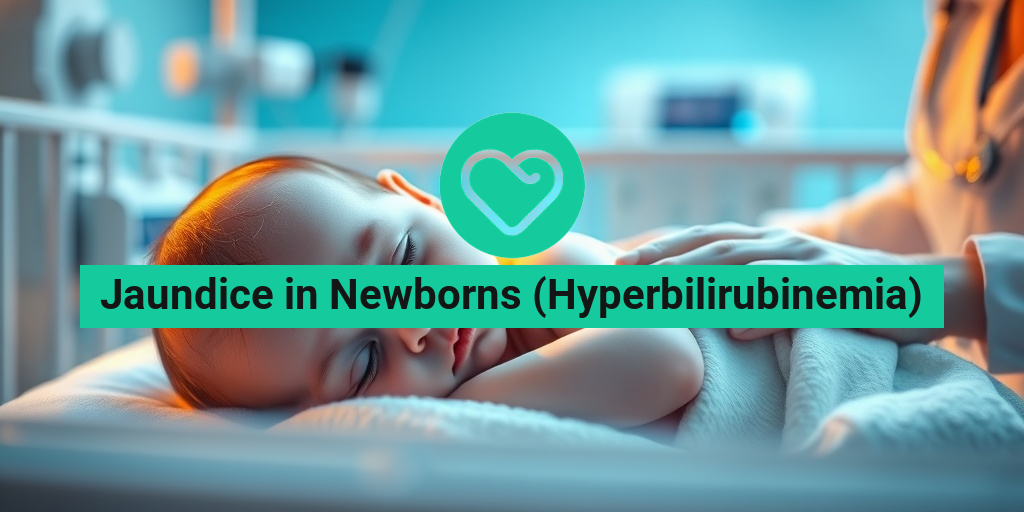
Jaundice is a medical condition characterized by the yellowing of the skin and the whites of the eyes, caused by an excess of bilirubin in the bloodstream. Bilirubin is a yellow pigment that is produced during the normal breakdown of red blood cells. In newborns, this condition is often referred to as Jaundice in Newborns (Hyperbilirubinemia), and it is quite common, affecting approximately 60% of full-term infants and up to 80% of premature babies.
In a healthy newborn, the liver processes bilirubin efficiently. However, in some cases, the liver may not be mature enough to handle the increased levels of bilirubin, leading to jaundice. This condition can be classified into two main types:
- Physiological Jaundice: This is the most common type and usually appears within the first week of life. It typically resolves on its own as the baby’s liver matures.
- Pathological Jaundice: This type occurs within the first 24 hours after birth or persists beyond two weeks. It may indicate an underlying health issue that requires medical attention.
Understanding jaundice is crucial for new parents, as early detection and treatment can prevent complications. If you notice any signs of jaundice in your newborn, it’s essential to consult a healthcare professional for guidance.
Jaundice Symptoms
The primary symptom of jaundice is the yellowing of the skin and eyes, but there are other signs that parents should be aware of. Here are some common symptoms associated with jaundice in newborns:
- Yellowing of the Skin: This usually starts on the face and can spread to the chest and abdomen as bilirubin levels rise.
- Yellowing of the Eyes: The sclera (the white part of the eyes) may also appear yellow.
- Dark Urine: If the urine is darker than usual, it may indicate elevated bilirubin levels.
- Pale Stools: Stools may appear lighter in color due to a lack of bilirubin.
- Excessive Sleepiness: Newborns with jaundice may be more lethargic than usual.
- Feeding Difficulties: Some infants may have trouble latching or feeding effectively.
It’s important to note that while jaundice is common, not all yellowing of the skin indicates a serious problem. However, if you observe any of these symptoms, especially if jaundice appears within the first 24 hours of life or persists beyond two weeks, it’s crucial to seek medical advice.
In many cases, jaundice can be managed effectively. Treatment options may include phototherapy, where the baby is placed under special lights that help break down bilirubin in the skin, or in more severe cases, a blood transfusion may be necessary.
For more detailed information and resources on jaundice in newborns, including bilirubin levels and treatment options, consider visiting Yesil Health AI. They provide evidence-based health answers that can help guide you through this condition.
In conclusion, while jaundice in newborns is a common occurrence, being informed about its symptoms and potential treatments can help parents navigate this condition with confidence. If you have any concerns about your newborn’s health, don’t hesitate to reach out to your pediatrician. Remember, early detection is key! 🌟
Causes of Jaundice in Newborns
Jaundice in newborns, also known as hyperbilirubinemia, is a common condition that occurs when there is an excess of bilirubin in the blood. Bilirubin is a yellow pigment produced during the breakdown of red blood cells. While jaundice can be alarming for new parents, understanding its causes can help alleviate concerns. Here are the primary causes of jaundice in newborns:
Physiological Jaundice
Most newborns experience a form of jaundice known as physiological jaundice. This condition typically appears within the first few days of life and is caused by the immature liver’s inability to process bilirubin efficiently. As the liver matures, bilirubin levels usually decrease, and the jaundice resolves on its own.
Breastfeeding Jaundice
Some infants may develop jaundice due to inadequate breastfeeding. This can occur if the baby is not feeding well or if the mother’s milk has not yet come in. When a baby does not receive enough breast milk, it can lead to dehydration and increased bilirubin levels. Ensuring that the baby is feeding adequately can help prevent this type of jaundice.
Breast Milk Jaundice
In some cases, jaundice can occur after the first week of life due to substances in the mother’s breast milk that can inhibit the liver’s ability to process bilirubin. This condition, known as breast milk jaundice, typically resolves on its own and is not harmful to the baby.
Hemolytic Disease
Hemolytic disease of the newborn is a more serious cause of jaundice. This condition occurs when there is an incompatibility between the mother’s and baby’s blood types, leading to the destruction of the baby’s red blood cells. Conditions such as Rh incompatibility or ABO incompatibility can result in elevated bilirubin levels and require medical intervention.
Other Medical Conditions
In rare cases, jaundice can be a sign of other underlying medical conditions, such as:
- Infections: Certain infections can affect the liver and lead to increased bilirubin levels.
- Genetic Disorders: Conditions like Gilbert’s syndrome or Crigler-Najjar syndrome can impair bilirubin processing.
- Liver Problems: Congenital liver diseases can also cause jaundice in newborns.
Risk Factors for Hyperbilirubinemia
While jaundice is common in newborns, certain factors can increase the risk of developing hyperbilirubinemia. Understanding these risk factors can help parents and healthcare providers monitor and manage the condition effectively.
Prematurity
Babies born prematurely (before 37 weeks of gestation) are at a higher risk for jaundice. Their livers may not be fully developed, making it more difficult for them to process bilirubin efficiently.
Low Birth Weight
Newborns with low birth weight, regardless of whether they are premature or full-term, are also more susceptible to jaundice. This is often due to their underdeveloped organs and lower overall health at birth.
Blood Type Incompatibility
As mentioned earlier, blood type incompatibility between the mother and baby can lead to hemolytic disease, significantly increasing the risk of jaundice. If the mother has type O blood and the baby has type A or B blood, the baby is at a higher risk.
Family History
A family history of jaundice or blood disorders can also increase the likelihood of a newborn developing hyperbilirubinemia. If there are known genetic conditions in the family, it’s essential to discuss these with a healthcare provider.
Delayed or Inadequate Feeding
As previously mentioned, inadequate feeding can lead to dehydration and increased bilirubin levels. Newborns should be fed frequently, whether through breastfeeding or formula, to help flush bilirubin from their systems.
In summary, while jaundice in newborns is often a temporary and manageable condition, being aware of its causes and risk factors can empower parents to seek timely medical advice and ensure their baby’s health. If you notice any signs of jaundice, such as yellowing of the skin or eyes, consult your pediatrician for guidance. 🌟

Diagnosis of Jaundice
Jaundice in newborns, also known as hyperbilirubinemia, is a common condition characterized by a yellowing of the skin and eyes due to elevated levels of bilirubin in the blood. Early diagnosis is crucial for effective management and treatment. Here’s how healthcare professionals typically diagnose jaundice in newborns.
Visual Examination
The first step in diagnosing jaundice is a thorough visual examination. Healthcare providers will look for yellowing of the skin and the sclera (the white part of the eyes). This yellowing can often be seen in the first few days after birth, especially in babies with higher bilirubin levels.
Bilirubin Levels Testing
To confirm the diagnosis, doctors will measure the bilirubin levels in the newborn’s blood. This is typically done through a simple blood test. The results will help determine the severity of jaundice and guide treatment options. Here are some key points regarding bilirubin levels:
- Normal Levels: For newborns, bilirubin levels are usually considered normal if they are below 5 mg/dL.
- Moderate Levels: Levels between 5-15 mg/dL may indicate mild jaundice, which often resolves on its own.
- High Levels: Levels above 15 mg/dL require closer monitoring and potential intervention.
Risk Factors and Additional Tests
Certain factors can increase the risk of jaundice in newborns, including:
- Premature birth
- Blood type incompatibility between mother and baby
- Bruising during delivery
- Family history of jaundice
If a newborn is at higher risk or if bilirubin levels are significantly elevated, additional tests may be conducted. These can include:
- Coombs Test: This test checks for blood type incompatibility.
- Complete Blood Count (CBC): This helps assess the overall health of the baby and check for conditions like anemia.
Treatment Options for Jaundice
Once diagnosed, the treatment for jaundice in newborns depends on the severity of the condition and the underlying cause. Here are the most common treatment options:
Phototherapy
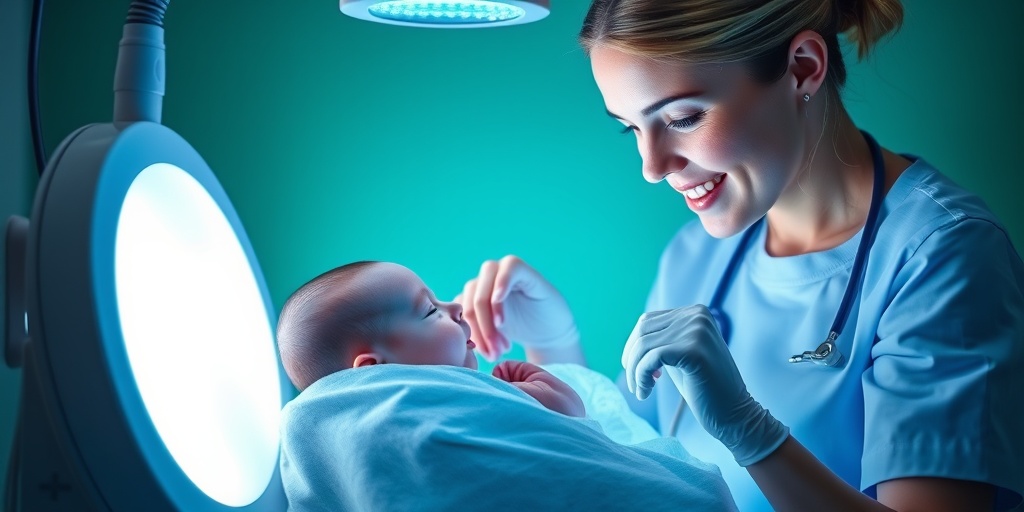
One of the most effective treatments for jaundice is phototherapy. This involves placing the baby under special lights that help break down bilirubin in the skin. The light converts bilirubin into a form that can be easily excreted by the liver. Here are some important points about phototherapy:
- It is a non-invasive and safe procedure.
- Babies are usually placed in a bassinet under the lights, with their eyes protected.
- Treatment duration can vary, typically lasting from a few hours to several days, depending on bilirubin levels.
Exchange Transfusion
In severe cases where bilirubin levels are dangerously high, an exchange transfusion may be necessary. This procedure involves replacing the baby’s blood with donor blood to rapidly lower bilirubin levels. It is usually reserved for critical situations and is performed in a hospital setting.
Feeding and Hydration
Ensuring that the newborn is well-fed and hydrated can also help manage jaundice. Breastfeeding or formula feeding encourages regular bowel movements, which aids in the excretion of bilirubin. Here are some tips:
- Feed the baby every 2-3 hours to promote hydration.
- Monitor the baby’s output (wet and dirty diapers) to ensure they are feeding adequately.
Monitoring and Follow-Up
After treatment, it’s essential to monitor the baby’s bilirubin levels and overall health. Regular follow-up appointments with the pediatrician will help ensure that bilirubin levels return to normal and that the baby is developing appropriately.
In conclusion, while jaundice in newborns can be concerning, early diagnosis and appropriate treatment options can effectively manage the condition. If you notice any signs of jaundice in your newborn, consult your healthcare provider promptly for evaluation and care. 🌟
Home Care for Newborns with Jaundice
When your newborn is diagnosed with jaundice, it can be a concerning time for parents. Understanding how to care for your baby at home is crucial for their recovery and well-being. Jaundice in newborns, also known as hyperbilirubinemia, occurs when there is an excess of bilirubin in the blood, leading to a yellowing of the skin and eyes. Here are some essential tips for home care.
Understanding Bilirubin Levels
Bilirubin is a yellow pigment produced during the breakdown of red blood cells. In newborns, the liver may not be fully developed, making it less efficient at processing bilirubin. It’s important to monitor your baby’s bilirubin levels, especially in the first few days after birth. You might wonder, how much bilirubin causes jaundice in newborns? Generally, levels above 5 mg/dL can indicate jaundice, but this can vary based on your baby’s age and health.
Feeding Your Newborn
One of the best ways to help reduce bilirubin levels is through proper feeding. Here are some tips:
- Frequent Feedings: Whether you choose breastfeeding or formula feeding, aim for at least 8-12 feedings a day. This helps flush out bilirubin through your baby’s stool.
- Monitor Diapers: Keep an eye on your baby’s wet and dirty diapers. A well-hydrated baby will have at least 6-8 wet diapers and several bowel movements daily.
- Breastfeeding Support: If you’re breastfeeding, ensure your baby is latching correctly and getting enough milk. Consult a lactation consultant if you have concerns.
Sunlight Exposure
Natural sunlight can help reduce bilirubin levels. Here’s how to safely use sunlight:
- Indirect Sunlight: Place your baby near a window where they can receive indirect sunlight for about 10-15 minutes a day. Avoid direct sunlight to prevent sunburn.
- Dress Lightly: Dress your baby in a diaper or light clothing to maximize skin exposure while keeping them comfortable.
Monitoring Symptoms
Keep a close watch on your baby’s symptoms. If you notice any of the following, contact your pediatrician:
- Increased yellowing of the skin or eyes
- Extreme lethargy or difficulty waking
- Poor feeding or weight loss
- High-pitched crying or irritability
Long-Term Outlook for Jaundice in Newborns
The long-term outlook for newborns with jaundice is generally positive, especially with proper care and monitoring. Most cases of jaundice resolve without any long-term effects. However, understanding the potential implications is essential for parents.
Common Outcomes
In many cases, jaundice in newborns is mild and resolves within the first two weeks of life. Here are some common outcomes:
- Normal Development: Most babies who experience jaundice go on to develop normally without any lasting effects.
- Follow-Up Care: Your pediatrician may schedule follow-up appointments to monitor bilirubin levels and ensure your baby is thriving.
Potential Complications
While most cases are benign, there are rare instances where high bilirubin levels can lead to complications, such as:
- Kernicterus: This is a serious condition that can occur if bilirubin levels become excessively high, potentially leading to brain damage.
- Hearing Loss: In severe cases, untreated jaundice can affect hearing and other developmental milestones.
When to Seek Medical Attention
It’s crucial to know when to seek medical help. If your baby exhibits any of the following signs, contact your healthcare provider:
- Jaundice appears within the first 24 hours after birth
- Bilirubin levels rise rapidly
- Signs of dehydration or poor feeding
In conclusion, while jaundice in newborns can be alarming, understanding how to care for your baby at home and knowing the long-term outlook can provide peace of mind. With proper care, most babies recover fully and lead healthy lives. 🌟

Frequently Asked Questions about Jaundice in Newborns (Hyperbilirubinemia)
What is jaundice in newborns?
Jaundice in newborns, also known as hyperbilirubinemia, is a condition characterized by the yellowing of the skin and eyes due to elevated levels of bilirubin in the blood. Bilirubin is a yellow pigment produced during the breakdown of red blood cells.
Is jaundice common in newborns?
Yes, jaundice is quite common in newborns, affecting approximately 60% of full-term infants and up to 80% of premature infants. Most cases are mild and resolve without treatment.
What causes jaundice in newborns?
Jaundice can be caused by several factors, including:
- Physiological jaundice: A normal response as the newborn’s liver matures.
- Breastfeeding jaundice: Often due to inadequate feeding leading to dehydration.
- Blood group incompatibility: Such as Rh or ABO incompatibility between mother and baby.
- Infections or other underlying health issues.
How much bilirubin causes jaundice in newborns?
Jaundice typically occurs when bilirubin levels exceed 5 mg/dL in newborns. However, the exact threshold can vary based on the infant’s age and overall health.
What does it mean if bilirubin is high in a newborn?
High bilirubin levels in a newborn can indicate that the liver is not processing bilirubin effectively. This can be due to various reasons, including liver function issues, blood type incompatibility, or other medical conditions. It is essential to monitor and manage high bilirubin levels to prevent complications.
How is jaundice in newborns treated?
Treatment for jaundice in newborns may include:
- Phototherapy: Using special lights to help break down bilirubin in the skin.
- Exchange transfusion: In severe cases, replacing the baby’s blood to reduce bilirubin levels.
- Increased feeding: Encouraging breastfeeding or formula feeding to help eliminate bilirubin through stool.
When should I seek medical attention for jaundice in my newborn?
If you notice that your newborn’s jaundice is worsening, or if they are lethargic, not feeding well, or have a high bilirubin level, it is crucial to seek medical attention promptly. Early intervention can prevent complications.
Can jaundice in newborns lead to long-term issues?
In most cases, jaundice in newborns resolves without long-term effects. However, if bilirubin levels become excessively high and are not treated, it can lead to serious complications, including kernicterus, which can cause permanent neurological damage.
Conclusion
Understanding jaundice in newborns (hyperbilirubinemia) is essential for new parents. If you have concerns about your baby’s health, always consult with a healthcare professional for guidance and support. 😊