What Is Japanese B Encephalitis?
Japanese B Encephalitis (JBE) is a viral infection that primarily affects the brain and is caused by the Japanese B Encephalitis virus (JEV). This virus is a member of the flavivirus family, which also includes other well-known viruses such as dengue and West Nile virus. JBE is predominantly found in rural areas of Asia, particularly in countries like Japan, China, India, and parts of Southeast Asia.
The Japanese B Encephalitis virus is transmitted through the bite of infected mosquitoes, specifically the Culex species. These mosquitoes breed in rice paddies and other stagnant water sources, making agricultural regions particularly susceptible to outbreaks. While the majority of infections are asymptomatic, a small percentage can lead to severe neurological complications, making awareness and prevention crucial.
How Is Japanese B Encephalitis Transmitted?
Understanding how JBE is transmitted is vital for prevention. The primary vector for the Japanese B Encephalitis virus is the Culex mosquito. Here’s how the transmission cycle works:
- Infection in Animals: The virus primarily circulates in pigs and birds, which serve as reservoirs for the virus.
- Transmission to Humans: Humans can become infected when bitten by an infected mosquito. It’s important to note that JBE is not transmitted from person to person.
- Geographical Risk: Areas with high mosquito populations, especially near rice fields, are at a higher risk for outbreaks.
Who Is at Risk?
Individuals living in or traveling to endemic areas are at the highest risk of contracting Japanese B Encephalitis. This includes:
- Residents of rural areas in Asia
- Travelers engaging in outdoor activities, such as camping or hiking
- Individuals working in agriculture or near rice paddies
Japanese B Encephalitis Symptoms
The symptoms of Japanese B Encephalitis can vary widely, ranging from mild to severe. In fact, most people infected with the virus do not exhibit any symptoms at all. However, for those who do develop symptoms, they typically appear 5 to 15 days after being bitten by an infected mosquito.
Mild Symptoms
In mild cases, symptoms may include:
- Fever
- Headache
- Nausea and vomiting
- Fatigue
Severe Symptoms
In more severe cases, the infection can lead to serious neurological complications, which may include:
- Seizures
- Confusion or altered mental status
- Coma
- Paralysis
Approximately 1 in 250 infections can result in severe disease, which can lead to long-term complications or even death. Therefore, recognizing the symptoms early and seeking medical attention is crucial.
Diagnosis and Treatment
Diagnosing Japanese B Encephalitis typically involves a combination of clinical evaluation and laboratory tests. An MRI may be used to assess brain inflammation, while blood tests can confirm the presence of the virus.
Currently, there is no specific antiviral treatment for Japanese B Encephalitis. Management focuses on supportive care, which may include:
- Hospitalization for severe cases
- Medications to reduce fever and relieve pain
- Supportive therapies for neurological symptoms
Prevention
The best way to prevent Japanese B Encephalitis is through vaccination. The Japanese B Encephalitis vaccine is safe and effective, and it is recommended for individuals traveling to endemic areas, especially for those who will be spending extended periods outdoors. The vaccine is typically administered in two doses, and it is advisable to consult with a healthcare provider regarding the Japanese B Encephalitis vaccine price and availability.
In addition to vaccination, other preventive measures include:
- Using insect repellent
- Wearing long sleeves and pants
- Avoiding outdoor activities during peak mosquito hours (dawn and dusk)
For more information on Japanese B Encephalitis and other health-related topics, consider visiting Yesil Health AI, a valuable resource for evidence-based health answers.
In conclusion, while Japanese B Encephalitis can pose serious health risks, awareness, vaccination, and preventive measures can significantly reduce the likelihood of infection. Stay informed and protect yourself and your loved ones! 🌏🦠
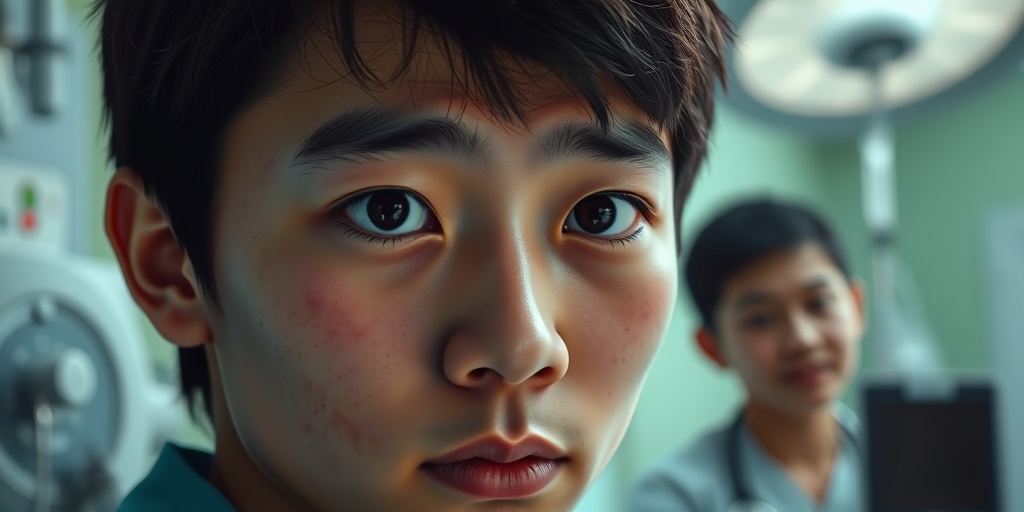
Japanese B Encephalitis Transmission
Japanese B Encephalitis (JBE) is a viral infection that primarily affects the brain and is caused by the Japanese B Encephalitis virus (JBEV). Understanding how this virus is transmitted is crucial for prevention and control. Let’s delve into the various aspects of its transmission.
How is Japanese B Encephalitis Transmitted?
The primary mode of transmission of Japanese B Encephalitis is through the bite of infected mosquitoes. The Culex species, particularly Culex tritaeniorhynchus, are the main vectors responsible for spreading the virus. Here’s how the transmission cycle works:
- Infection in Animals: The virus primarily circulates in pigs and birds, which serve as reservoirs. When mosquitoes feed on these infected animals, they acquire the virus.
- Human Infection: Humans are considered incidental hosts. When an infected mosquito bites a human, the virus can enter the bloodstream, leading to potential infection.
Geographical Distribution
Japanese B Encephalitis is predominantly found in rural and agricultural areas of Asia, including countries like India, China, Japan, and Southeast Asian nations. The risk of transmission is higher during the rainy season when mosquito populations surge. 🌧️
Factors Influencing Transmission
Several factors can influence the transmission of Japanese B Encephalitis:
- Climate: Warm and humid conditions are conducive to mosquito breeding, increasing the risk of transmission.
- Geographical Location: Areas with rice paddies and pig farms are particularly at risk due to the presence of mosquito vectors and animal reservoirs.
- Human Behavior: Activities that increase exposure to mosquitoes, such as outdoor work or travel to endemic areas, can elevate the risk of infection.
Japanese B Encephalitis Risk Factors
Understanding the risk factors associated with Japanese B Encephalitis is essential for effective prevention. Certain groups of people are at a higher risk of contracting the virus, and awareness of these factors can help in taking necessary precautions.
High-Risk Groups
Some individuals are more susceptible to Japanese B Encephalitis due to their occupation or lifestyle:
- Agricultural Workers: Farmers and laborers working in rice fields or near pig farms are at increased risk due to higher exposure to mosquito bites.
- Travelers: Individuals traveling to endemic regions, especially during the transmission season, should be aware of the risks and consider vaccination.
- Children: Young children are particularly vulnerable due to their smaller body size and developing immune systems.
Environmental Factors
Environmental conditions play a significant role in the risk of Japanese B Encephalitis transmission:
- Seasonal Changes: The rainy season creates ideal breeding conditions for mosquitoes, leading to increased transmission rates.
- Urbanization: Rapid urban development can disrupt natural habitats, potentially increasing mosquito populations in certain areas.
Preventive Measures
To mitigate the risk of Japanese B Encephalitis, consider the following preventive measures:
- Vaccination: The Japanese B Encephalitis vaccine is highly effective and recommended for individuals at risk, especially travelers to endemic areas. 💉
- Insect Repellents: Use mosquito repellents containing DEET or picaridin to protect against bites.
- Protective Clothing: Wear long sleeves and pants, especially during peak mosquito activity times, to reduce exposure.
By understanding the transmission and risk factors associated with Japanese B Encephalitis, individuals can take proactive steps to protect themselves and their communities from this potentially serious viral infection. 🌍

Japanese B Encephalitis Diagnosis
Diagnosing Japanese B Encephalitis (JBE) can be challenging due to its similarity to other neurological diseases. However, early and accurate diagnosis is crucial for effective treatment and management. Here’s what you need to know about the diagnostic process.
Clinical Evaluation
The first step in diagnosing Japanese B Encephalitis involves a thorough clinical evaluation. Healthcare providers will typically assess the patient’s medical history, including any recent travel to endemic areas, and inquire about symptoms. Common symptoms of JBE include:
- High fever
- Headache
- Stiff neck
- Confusion or altered mental status
- Seizures
- Coma (in severe cases)
These symptoms usually appear 5 to 15 days after being bitten by an infected mosquito, which is the primary vector for the Japanese B Encephalitis virus.
Laboratory Tests
To confirm a diagnosis of Japanese B Encephalitis, several laboratory tests may be conducted:
- Serological Tests: Blood tests can detect antibodies against the Japanese B Encephalitis virus. A positive result indicates recent or past infection.
- Cerebrospinal Fluid (CSF) Analysis: A lumbar puncture may be performed to analyze the CSF. Elevated white blood cell counts and the presence of specific antibodies can confirm the diagnosis.
- Polymerase Chain Reaction (PCR): This test can detect viral RNA in the CSF or blood, providing a more definitive diagnosis.
In some cases, imaging studies such as an MRI may be used to assess brain inflammation or other complications associated with the disease.
Importance of Early Diagnosis
Early diagnosis of Japanese B Encephalitis is vital for improving outcomes. Delayed treatment can lead to severe complications, including long-term neurological damage or even death. If you suspect you or someone you know may have been exposed to the virus, seek medical attention promptly.
Japanese B Encephalitis Treatment Options
While there is no specific antiviral treatment for Japanese B Encephalitis, supportive care can significantly improve patient outcomes. Here are the primary treatment options available:
Supportive Care
Supportive care is the cornerstone of treatment for JBE. This may include:
- Hospitalization: Severe cases often require hospitalization for close monitoring and management of complications.
- Fluid Management: Maintaining hydration is crucial, especially if the patient has difficulty swallowing or is unable to drink fluids.
- Pain Management: Medications such as acetaminophen may be used to reduce fever and alleviate pain.
- Seizure Control: Anticonvulsants may be administered if the patient experiences seizures.
Rehabilitation
After the acute phase of the illness, many patients may require rehabilitation to recover fully. This can include:
- Physical Therapy: To regain strength and mobility.
- Occupational Therapy: To assist with daily living activities.
- Speech Therapy: For those who experience difficulties with communication or swallowing.
Preventive Measures
While treatment options are limited, prevention is key in managing Japanese B Encephalitis. Vaccination is the most effective way to prevent the disease. The Japanese B Encephalitis vaccine is recommended for individuals traveling to endemic areas, especially for long-term stays or those who will be in rural settings.
Additionally, taking precautions against mosquito bites, such as using insect repellent, wearing long sleeves, and sleeping under mosquito nets, can help reduce the risk of infection.
In summary, while Japanese B Encephalitis can be a serious illness, early diagnosis and supportive treatment can lead to better outcomes. Awareness and preventive measures are essential in controlling the spread of this disease. 🌏🦟
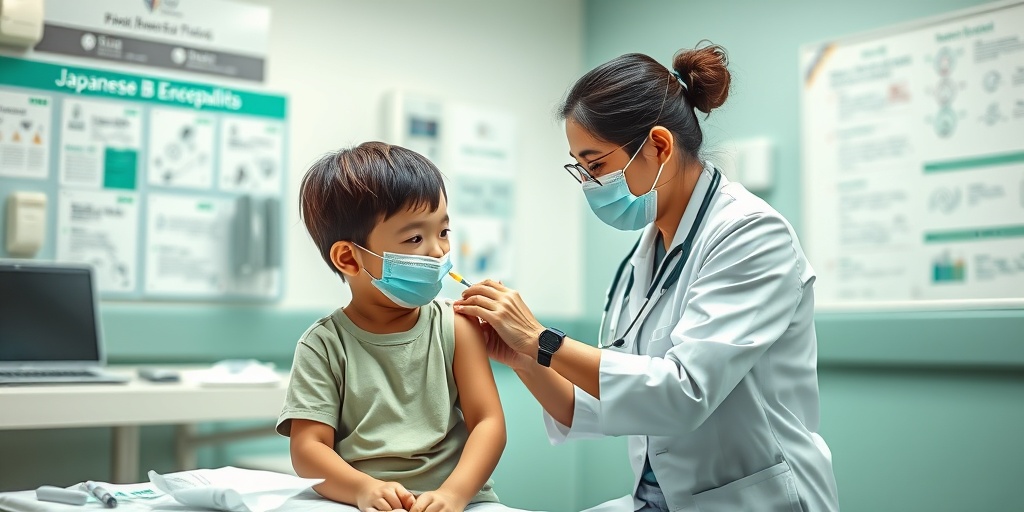
Japanese B Encephalitis Prevention Strategies
Japanese B Encephalitis (JBE) is a serious viral infection that can lead to severe neurological complications. Understanding how to prevent this disease is crucial, especially for those living in or traveling to endemic areas. Here are some effective prevention strategies to consider:
Vaccination
The most effective way to prevent Japanese B Encephalitis is through vaccination. The Japanese B Encephalitis vaccine is recommended for individuals who are at higher risk, such as travelers to endemic regions or those living in areas where the virus is prevalent. The vaccine is typically administered in two doses, with the second dose given 28 days after the first. It’s important to consult with a healthcare provider to determine the appropriate vaccination schedule.
Avoiding Mosquito Bites
Since the Japanese B Encephalitis virus is transmitted by mosquitoes, taking measures to avoid mosquito bites is essential. Here are some tips:
- Use Insect Repellent: Apply insect repellent containing DEET, picaridin, or oil of lemon eucalyptus on exposed skin.
- Wear Protective Clothing: Dress in long-sleeved shirts and long pants, especially during dusk and dawn when mosquitoes are most active.
- Use Mosquito Nets: Sleep under mosquito nets, particularly in rural areas where the risk of exposure is higher.
- Install Screens: Ensure windows and doors are fitted with screens to keep mosquitoes out of your home.
Environmental Management
Reducing mosquito breeding sites can significantly lower the risk of Japanese B Encephalitis. Here are some environmental management strategies:
- Eliminate Standing Water: Regularly check and remove standing water from containers, puddles, and clogged gutters, as these are prime breeding grounds for mosquitoes.
- Use Larvicides: In areas where standing water cannot be eliminated, consider using larvicides to kill mosquito larvae.
- Maintain Landscaping: Keep grass and vegetation trimmed to reduce mosquito resting sites.
Awareness and Education
Raising awareness about Japanese B Encephalitis is vital for prevention. Educating communities about the risks, symptoms, and preventive measures can empower individuals to take action. Health authorities and organizations can play a significant role in disseminating information and resources.
Japanese B Encephalitis Outlook and Prognosis
The prognosis for individuals diagnosed with Japanese B Encephalitis can vary widely, depending on several factors, including the severity of the infection and the timeliness of treatment. Understanding the outlook for this disease is essential for patients and their families.
Understanding the Disease Course
Japanese B Encephalitis typically presents with mild symptoms in many cases, but it can lead to severe neurological complications in others. The Japanese B Encephalitis virus primarily affects the central nervous system, and symptoms may include:
- Fever
- Headache
- Nausea and vomiting
- Confusion or altered mental status
- Seizures
In severe cases, patients may experience coma or even death. The mortality rate for severe cases can be as high as 30%, while those who survive may face long-term neurological issues.
Factors Influencing Prognosis
The prognosis for Japanese B Encephalitis is influenced by several factors:
- Age: Younger children and the elderly are at higher risk for severe disease and complications.
- Pre-existing Health Conditions: Individuals with compromised immune systems or underlying health issues may have a poorer prognosis.
- Timeliness of Treatment: Early diagnosis and supportive care can improve outcomes significantly.
Long-term Effects
For those who recover from Japanese B Encephalitis, the long-term effects can vary. Some individuals may experience:
- Persistent neurological deficits
- Cognitive impairments
- Behavioral changes
Regular follow-up with healthcare providers is essential for managing any long-term complications and ensuring the best possible quality of life.
In conclusion, while Japanese B Encephalitis poses significant health risks, understanding prevention strategies and the outlook for those affected can empower individuals and communities to take proactive measures. 🦠💉

Frequently Asked Questions about Japanese B Encephalitis
What is Japanese B Encephalitis?
Japanese B Encephalitis is a viral infection that affects the central nervous system. It is caused by the Japanese B Encephalitis virus, which is primarily transmitted through the bite of infected mosquitoes. This disease is prevalent in certain regions of Asia and the Western Pacific.
How is Japanese B Encephalitis transmitted?
The Japanese B Encephalitis virus is mainly transmitted by the vector known as the Culex mosquito. These mosquitoes typically breed in rice paddies and other stagnant water sources, making certain rural areas more susceptible to outbreaks.
What are the symptoms of Japanese B Encephalitis?
Symptoms can vary widely, but common signs include:
- Fever
- Headache
- Nausea and vomiting
- Confusion or altered mental status
- Seizures
- Coma in severe cases
Many infected individuals may remain asymptomatic, but severe cases can lead to serious complications.
Is there a vaccine for Japanese B Encephalitis?
Yes, there is a Japanese B Encephalitis vaccine available. It is recommended for individuals traveling to or living in areas where the disease is common. The vaccine is generally safe and effective in preventing the infection.
What is the price of the Japanese B Encephalitis vaccine?
The Japanese B Encephalitis vaccine price can vary depending on the location and healthcare provider. It is advisable to check with local health authorities or clinics for specific pricing information.
Can babies receive the Japanese B Encephalitis vaccine?
Yes, there is a Japanese B Encephalitis vaccine for babies, typically recommended for children over the age of two months. Parents should consult with their pediatrician to determine the best vaccination schedule.
What treatments are available for Japanese B Encephalitis?
Currently, there is no specific antiviral treatment for Japanese B Encephalitis. Management focuses on supportive care, which may include:
- Hospitalization for severe cases
- Medications to reduce fever and relieve pain
- Supportive therapies for neurological symptoms
How is Japanese B Encephalitis diagnosed?
Diagnosis typically involves a combination of clinical evaluation and laboratory tests. An MRI may be used to assess brain inflammation, while blood tests can confirm the presence of the virus.
What can be done to prevent Japanese B Encephalitis?
Preventive measures include:
- Vaccination for at-risk populations
- Using mosquito repellent
- Wearing protective clothing
- Avoiding outdoor activities during peak mosquito hours
By taking these precautions, individuals can significantly reduce their risk of contracting the disease. 🦟