What Is Iron Overload Anemia?
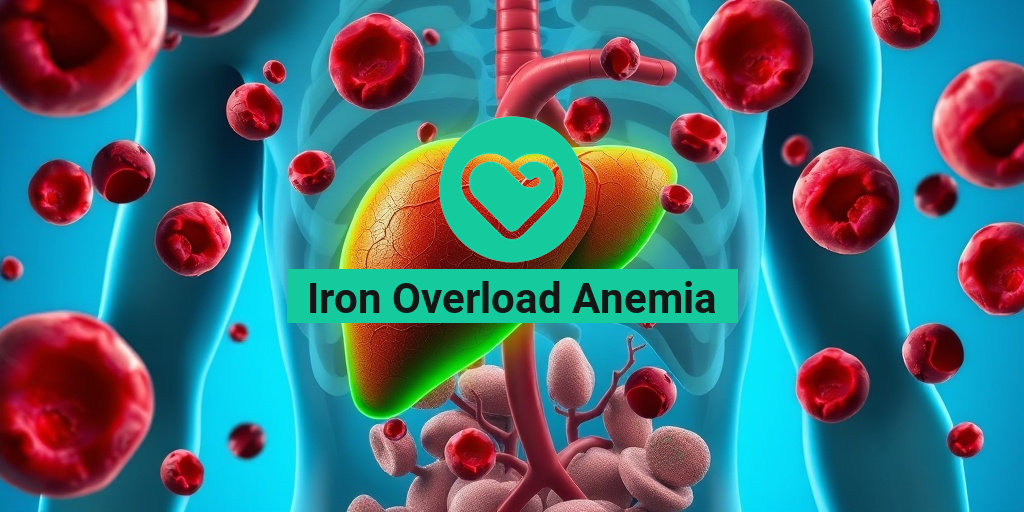
Iron overload anemia, also known as iron loading anemia, is a condition characterized by an excess accumulation of iron in the body, leading to various health complications. Unlike typical anemia, which is often caused by a deficiency of iron, iron overload anemia results from the body’s inability to regulate iron absorption effectively. This can occur due to genetic factors, excessive dietary intake, or repeated blood transfusions.
The body requires iron for the production of hemoglobin, the protein in red blood cells that carries oxygen. However, when iron levels exceed the body’s needs, it can lead to toxicity and damage to vital organs such as the liver, heart, and pancreas. Understanding this condition is crucial for effective management and treatment.
Causes of Iron Overload Anemia
Several factors can contribute to the development of iron overload anemia:
- Genetic Disorders: Conditions like hereditary hemochromatosis can cause the body to absorb too much iron from food.
- Repeated Blood Transfusions: Patients with chronic anemia or certain blood disorders may require frequent transfusions, leading to excess iron accumulation.
- Excessive Iron Supplementation: Taking iron supplements without medical supervision can result in iron toxicity.
Diagnosis of Iron Overload Anemia
Diagnosing iron overload anemia typically involves blood tests to measure serum ferritin levels, transferrin saturation, and total iron-binding capacity. A liver biopsy may also be performed to assess the extent of iron accumulation in the liver. Understanding these diagnostic methods is essential for timely intervention and management.
Iron Overload Symptoms
Recognizing the symptoms of iron overload anemia is vital for early diagnosis and treatment. Symptoms can vary widely among individuals, but some common signs include:
- Fatigue: A persistent feeling of tiredness or weakness is often reported.
- Joint Pain: Excess iron can lead to inflammation and pain in the joints.
- Abdominal Pain: Discomfort or pain in the abdominal area may occur due to organ damage.
- Skin Changes: A bronze or gray discoloration of the skin can be a visible sign of iron overload.
- Heart Issues: Irregular heartbeats or heart failure can arise from excess iron affecting heart function.
Long-Term Effects of Untreated Iron Overload
If left untreated, iron overload anemia can lead to serious health complications, including:
- Liver Damage: Chronic iron overload can result in liver cirrhosis or liver cancer.
- Diabetes: Iron accumulation in the pancreas can impair insulin production, leading to diabetes.
- Heart Disease: Excess iron can cause cardiomyopathy, a condition that affects the heart muscle.
It’s essential to consult a healthcare professional if you suspect you have symptoms of iron overload anemia. Early detection and management can significantly improve outcomes and quality of life.
For more information on iron overload anemia and its management, consider visiting Yesil Health AI, a valuable resource for evidence-based health answers. Remember, understanding your health is the first step toward effective treatment! 🌟
Causes of Iron Overload
Iron overload anemia, also known as hemochromatosis, occurs when the body accumulates excessive amounts of iron. This condition can lead to serious health issues if left untreated. Understanding the causes of iron overload is crucial for prevention and management. Here are some of the primary causes:
1. Genetic Factors
One of the most common causes of iron overload is genetic predisposition. The HFE gene mutation is often responsible for hereditary hemochromatosis, a condition that leads to increased iron absorption from the diet. Individuals with this genetic mutation absorb more iron than their bodies need, resulting in excess iron accumulation over time.
2. Excessive Iron Intake
While iron is essential for various bodily functions, too much can be harmful. Consuming large amounts of iron-rich foods or supplements can lead to iron overload anemia. This is particularly concerning for individuals who take iron supplements without medical supervision. Foods high in iron include:
- Red meat
- Organ meats (like liver)
- Fortified cereals
- Dark chocolate
3. Blood Transfusions
Frequent blood transfusions can also contribute to iron overload. Each unit of transfused blood contains a significant amount of iron, and repeated transfusions can lead to an accumulation of iron in the body. This is particularly relevant for individuals with chronic anemia or conditions requiring regular transfusions, such as thalassemia or sickle cell disease.
4. Liver Disease
Chronic liver diseases, such as hepatitis or cirrhosis, can impair the liver’s ability to regulate iron levels. The liver plays a crucial role in iron metabolism, and when it is damaged, it may not effectively remove excess iron from the body, leading to overload.
5. Increased Iron Absorption
Some conditions can cause the body to absorb more iron than normal. For example, individuals with certain gastrointestinal disorders, such as celiac disease or inflammatory bowel disease, may experience increased iron absorption due to changes in the gut lining. This can contribute to iron overload anemia over time.
Risk Factors for Iron Overload
Identifying the risk factors for iron overload is essential for early detection and intervention. Here are some key risk factors to consider:
1. Family History
If you have a family history of iron overload anemia or hereditary hemochromatosis, your risk of developing the condition is significantly higher. Genetic testing can help determine if you carry the HFE gene mutation.
2. Gender
Men are generally at a higher risk for iron overload compared to women. This is partly due to women losing iron through menstruation and childbirth, which can help regulate iron levels in the body. Postmenopausal women, however, may also be at risk if they have other contributing factors.
3. Age
Iron overload anemia is more commonly diagnosed in adults, particularly those over the age of 40. As people age, the cumulative effects of iron absorption can lead to increased risk.
4. Ethnicity
Certain ethnic groups are more prone to iron overload conditions. For example, individuals of Northern European descent are at a higher risk for hereditary hemochromatosis. Understanding your ethnic background can provide insight into your risk level.
5. Lifestyle Factors
Dietary habits and lifestyle choices can also influence the risk of iron overload. High alcohol consumption can damage the liver and impair its ability to regulate iron levels. Additionally, a diet excessively rich in iron can exacerbate the risk of developing iron overload anemia.
Recognizing these causes and risk factors is vital for managing iron overload anemia effectively. If you suspect you may be at risk, consult with a healthcare professional for appropriate testing and guidance. 🩺

Diagnosis of Iron Overload Anemia
Diagnosing Iron Overload Anemia can be a complex process, as it often mimics other forms of anemia and iron-related disorders. However, with the right tests and evaluations, healthcare providers can accurately identify this condition.
Understanding the Symptoms
Before diving into diagnostic tests, it’s essential to recognize the symptoms associated with iron overload anemia. Common symptoms may include:
- Fatigue: A persistent feeling of tiredness that doesn’t improve with rest.
- Joint Pain: Discomfort or pain in the joints, often due to iron accumulation.
- Abdominal Pain: Discomfort in the abdominal area, which can be a sign of liver issues.
- Skin Changes: A bronze or grayish tint to the skin, known as “bronze diabetes.”
- Heart Issues: Irregular heartbeats or heart failure in severe cases.
Laboratory Tests
To diagnose iron overload anemia, healthcare providers typically recommend a series of laboratory tests:
- Serum Ferritin Test: This test measures the amount of stored iron in the body. Elevated levels can indicate iron overload.
- Transferrin Saturation: This test assesses how much iron is bound to transferrin, a protein that transports iron in the blood. High saturation levels suggest excess iron.
- Complete Blood Count (CBC): A CBC can help determine the overall health of your blood and identify anemia.
- Liver Function Tests: Since the liver is a primary organ affected by iron overload, these tests can help assess any damage.
Genetic Testing
In some cases, genetic testing may be recommended to identify hereditary conditions like hereditary hemochromatosis, which can lead to iron overload. This is particularly relevant if there is a family history of iron-related disorders.
Imaging Studies
Imaging studies, such as MRI, can also be utilized to assess iron deposits in organs, particularly the liver and heart. These non-invasive tests provide valuable insights into the extent of iron overload.
Complications of Iron Overload
If left untreated, iron overload anemia can lead to several serious complications that affect various organs and systems in the body. Understanding these complications is crucial for effective management and prevention.
Liver Damage
One of the most significant risks associated with iron overload is liver damage. Excess iron can lead to conditions such as:
- Hepatitis: Inflammation of the liver, which can impair its function.
- Cirrhosis: Scarring of the liver tissue, which can lead to liver failure.
- Liver Cancer: Increased risk of developing liver cancer due to chronic damage.
Heart Problems
Iron overload can also have severe implications for heart health. Complications may include:
- Cardiomyopathy: A condition that affects the heart muscle, leading to heart failure.
- Arrhythmias: Irregular heartbeats that can be life-threatening.
Diabetes
Excess iron can interfere with insulin production and function, increasing the risk of developing diabetes. This condition, often referred to as bronze diabetes, is characterized by skin changes and glucose intolerance.
Joint Issues
Iron accumulation in the joints can lead to arthritis-like symptoms, causing pain and stiffness. This can significantly impact mobility and quality of life.
Endocrine Disorders
Iron overload can disrupt the function of various endocrine glands, leading to hormonal imbalances. This may result in:
- Hypogonadism: Reduced hormone production in the testes or ovaries.
- Thyroid Dysfunction: Impaired thyroid function, which can affect metabolism.
In summary, early diagnosis and management of iron overload anemia are crucial to prevent these complications. Regular monitoring and appropriate treatment can help mitigate the risks associated with this condition. 🩺
Treatment Options for Iron Overload Anemia
Iron overload anemia, also known as iron toxicity anemia, occurs when the body accumulates excessive iron, leading to various health complications. Understanding the treatment options available is crucial for managing this condition effectively. Here, we’ll explore the most common treatment methods for iron overload anemia.
1. Phlebotomy
One of the most effective treatments for iron overload anemia is phlebotomy, a procedure that involves the removal of blood from the body. This method helps to reduce iron levels by decreasing the overall amount of iron stored in the body. Typically, patients may undergo phlebotomy sessions every few weeks, depending on their iron levels and overall health.
2. Chelation Therapy
For individuals who cannot undergo phlebotomy, chelation therapy is an alternative treatment. This involves the use of medications that bind to excess iron in the bloodstream, allowing it to be excreted through urine. Common chelating agents include:
- Deferoxamine (Desferal)
- Deferasirox (Exjade)
- Deferiprone (Ferriprox)
These medications can be administered orally or intravenously, depending on the specific needs of the patient.
3. Dietary Modifications
Adjusting your diet can also play a significant role in managing iron overload anemia. It’s essential to limit the intake of iron-rich foods, particularly heme iron found in animal products. Here are some dietary tips:
- Avoid red meat and organ meats.
- Limit consumption of fortified cereals and grains.
- Incorporate more fruits and vegetables, which are low in iron.
Additionally, consuming foods high in calcium and polyphenols, such as tea and coffee, can help inhibit iron absorption.
4. Regular Monitoring
Regular blood tests are vital for monitoring iron levels and assessing the effectiveness of treatment. This helps healthcare providers adjust treatment plans as necessary and ensures that iron levels remain within a safe range.
Managing Iron Levels at Home
Managing iron levels at home is an essential aspect of living with iron overload anemia. Here are some practical tips to help you maintain healthy iron levels:
1. Keep a Food Diary
Tracking your food intake can help you identify sources of iron in your diet. By keeping a food diary, you can make informed choices about what to eat and what to avoid. This can be particularly helpful in recognizing hidden sources of iron in processed foods.
2. Stay Hydrated
Drinking plenty of water is crucial for overall health and can aid in the excretion of excess iron. Aim for at least 8-10 glasses of water a day to help your body flush out toxins and maintain optimal hydration levels. 💧
3. Avoid Iron Supplements
If you have been diagnosed with iron overload anemia, it’s important to avoid iron supplements unless specifically prescribed by your healthcare provider. Many multivitamins and dietary supplements contain iron, so always check labels before taking any new products.
4. Educate Yourself
Understanding iron overload anemia is key to managing it effectively. Stay informed about the condition by reading reputable sources, joining support groups, or participating in forums like Reddit where you can share experiences and learn from others facing similar challenges. 📚
5. Communicate with Your Healthcare Provider
Regular communication with your healthcare provider is essential. Discuss any changes in your symptoms or concerns about your treatment plan. They can provide personalized advice and adjustments to your management strategy as needed.
By implementing these strategies, you can take control of your iron levels and improve your overall health while living with iron overload anemia. Remember, managing this condition is a journey, and every step counts! 🌟

Frequently Asked Questions about Iron Overload Anemia
What is Iron Overload Anemia?
Iron Overload Anemia is a condition characterized by an excess of iron in the body, which can lead to various health issues, including anemia. This occurs when the body absorbs too much iron from food or supplements, resulting in toxicity and impaired organ function.
What are the symptoms of Iron Overload Anemia?
Common symptoms of iron overload anemia include:
- Fatigue and weakness
- Joint pain
- Abdominal pain
- Skin discoloration (bronze or gray tint)
- Heart problems
How is Iron Overload Anemia diagnosed?
Diagnosis typically involves blood tests to measure iron levels, including:
- Serum ferritin
- Transferrin saturation
- Complete blood count (CBC)
Additional tests may be conducted to assess organ function and determine the extent of iron overload.
What are the treatment options for Iron Overload Anemia?
Treatment for iron overload anemia may include:
- Phlebotomy (regular blood removal)
- Iron chelation therapy (medications that bind to excess iron)
- Dietary changes to reduce iron intake
Consulting a healthcare professional is essential for a tailored treatment plan.
What is the ICD-10 code for Iron Overload Anemia?
The ICD-10 code for iron overload anemia is D50.8, which falls under the category of other iron deficiency anemias.
Can Iron Overload Anemia be prevented?
Preventing iron overload anemia involves:
- Avoiding excessive iron supplementation
- Monitoring iron levels if you have conditions that increase iron absorption
- Regular check-ups with a healthcare provider
Are there any dietary recommendations for managing Iron Overload Anemia?
Yes! To manage iron overload anemia, consider the following dietary tips:
- Avoid high-iron foods such as red meat and fortified cereals
- Incorporate foods high in calcium and polyphenols, which can inhibit iron absorption
- Focus on a balanced diet rich in fruits and vegetables
Where can I find support for Iron Overload Anemia?
Online communities, such as forums and support groups on platforms like Reddit, can provide valuable insights and shared experiences regarding iron overload anemia. Connecting with others facing similar challenges can be beneficial for emotional support and practical advice. 😊