What Is Hashimoto’s?
Hashimoto’s Thyroiditis, often simply referred to as Hashimoto’s, is an autoimmune disorder that affects the thyroid gland. This condition occurs when the immune system mistakenly attacks the thyroid, leading to inflammation and impaired hormone production. The thyroid is a small, butterfly-shaped gland located at the base of your neck, and it plays a crucial role in regulating various bodily functions, including metabolism, energy levels, and mood.
In Hashimoto’s, the immune response can lead to hypothyroidism, a condition where the thyroid does not produce enough hormones. This can result in a range of health issues if left untreated. Understanding Hashimoto’s is essential for early diagnosis and effective management.
Causes of Hashimoto’s Thyroiditis
The exact cause of Hashimoto’s Thyroiditis remains unclear, but several factors may contribute to its development:
- Genetics: A family history of autoimmune diseases can increase the risk.
- Hormonal Factors: Women are more likely to develop Hashimoto’s, suggesting that hormones may play a role.
- Environmental Triggers: Factors such as stress, infections, and certain medications may trigger the onset of the disease.
Hashimoto’s Thyroiditis vs. Hypothyroidism
It’s important to differentiate between Hashimoto’s Thyroiditis and hypothyroidism. While Hashimoto’s is an autoimmune condition that can lead to hypothyroidism, not all cases of hypothyroidism are caused by Hashimoto’s. Other factors, such as iodine deficiency or thyroid surgery, can also result in low thyroid hormone levels.
Hashimoto’s Symptoms
Recognizing the symptoms of Hashimoto’s Thyroiditis is crucial for early intervention. Symptoms can vary widely among individuals and may develop gradually over time. Here are some common symptoms associated with Hashimoto’s:
Common Symptoms
- Fatigue: A persistent feeling of tiredness that doesn’t improve with rest.
- Weight Gain: Unexplained weight gain or difficulty losing weight, even with a healthy diet and exercise.
- Cold Intolerance: Increased sensitivity to cold temperatures.
- Dry Skin and Hair: Skin may become dry and flaky, and hair may become brittle or fall out.
- Constipation: Digestive issues, including constipation, are common.
- Muscle Weakness: Weakness or stiffness in muscles, particularly in the upper arms and thighs.
- Depression and Mood Changes: Feelings of sadness, depression, or anxiety may occur.
Less Common Symptoms
In addition to the common symptoms, some individuals may experience:
- Joint Pain: Aches and pains in the joints.
- Menstrual Irregularities: Changes in menstrual cycle patterns.
- Goiter: An enlarged thyroid gland, which may cause swelling at the base of the neck.
When to Seek Medical Advice
If you experience any of these symptoms, especially if they persist or worsen over time, it is essential to consult a healthcare professional. Early diagnosis and treatment can significantly improve quality of life and prevent complications associated with Hashimoto’s Thyroiditis.
For more information on Hashimoto’s Thyroiditis and its management, consider visiting Yesil Health AI, a valuable resource for evidence-based health answers. 🌿
In conclusion, understanding Hashimoto’s Thyroiditis is vital for those affected by this condition. By recognizing the symptoms and seeking appropriate treatment, individuals can lead healthier, more balanced lives. Remember, you are not alone in this journey! 💪

Hashimoto’s Causes
Hashimoto’s Thyroiditis is an autoimmune disorder that affects the thyroid gland, leading to hypothyroidism. Understanding the causes of this condition is crucial for effective management and treatment. While the exact cause remains unclear, several factors are believed to contribute to the development of Hashimoto’s.
Genetic Predisposition
One of the primary causes of Hashimoto’s Thyroiditis is a genetic predisposition. If you have a family history of autoimmune diseases, such as rheumatoid arthritis or type 1 diabetes, your risk of developing Hashimoto’s increases. Studies suggest that certain genes may make individuals more susceptible to autoimmune conditions, including Hashimoto’s.
Environmental Triggers
Environmental factors can also play a significant role in triggering Hashimoto’s. Some of the common environmental triggers include:
- Infections: Viral infections, particularly those caused by Epstein-Barr virus (EBV), have been linked to the onset of Hashimoto’s.
- Exposure to Toxins: Chemicals such as pesticides, heavy metals, and certain medications can disrupt thyroid function and may trigger autoimmune responses.
- Radiation Exposure: Individuals who have undergone radiation therapy to the neck area may have an increased risk of developing Hashimoto’s.
Hormonal Changes
Hormonal fluctuations, particularly in women, can also contribute to the development of Hashimoto’s Thyroiditis. Many women experience changes in thyroid function during pregnancy, postpartum, or menopause, which can trigger or exacerbate autoimmune conditions. This is why Hashimoto’s is more prevalent in women than in men.
Dietary Factors
Diet can influence thyroid health significantly. Some studies suggest that diets high in gluten or low in essential nutrients like selenium and iodine may contribute to the development of Hashimoto’s. A gluten-free diet has been shown to help some individuals manage their symptoms, although more research is needed in this area.
Risk Factors for Hashimoto’s
Identifying the risk factors associated with Hashimoto’s Thyroiditis can help in early detection and management of the condition. Here are some key risk factors to consider:
Gender
Women are significantly more likely to develop Hashimoto’s than men. The ratio is approximately 7:1, indicating that hormonal differences may play a crucial role in the disease’s prevalence.
Age
Hashimoto’s can occur at any age, but it is most commonly diagnosed in middle-aged individuals, particularly those between the ages of 30 and 50. Early detection is vital for effective management.
Family History
A family history of autoimmune diseases increases your risk of developing Hashimoto’s. If you have relatives with conditions like lupus, rheumatoid arthritis, or type 1 diabetes, you may be at a higher risk.
Other Autoimmune Disorders
If you have one autoimmune disorder, you are at a higher risk of developing others. Conditions such as Graves’ disease, pernicious anemia, and vitiligo are often seen in conjunction with Hashimoto’s Thyroiditis.
Excessive Iodine Intake
While iodine is essential for thyroid function, excessive intake can lead to thyroid dysfunction. Individuals who consume high amounts of iodine, either through diet or supplements, may be at risk for developing Hashimoto’s.
Stress
Chronic stress can have a profound impact on the immune system, potentially triggering autoimmune responses. Managing stress through techniques such as mindfulness, yoga, or regular exercise can be beneficial for those at risk.
Understanding the causes and risk factors associated with Hashimoto’s Thyroiditis is essential for early diagnosis and effective management. If you suspect you may be at risk, consult with a healthcare professional for appropriate testing and guidance. 🌟
Hashimoto’s Diagnosis
Diagnosing Hashimoto’s Thyroiditis can be a complex process, as its symptoms often mimic those of other conditions. This autoimmune disorder affects the thyroid gland, leading to hypothyroidism, and understanding how it is diagnosed is crucial for effective management.
Recognizing Symptoms
The first step in diagnosing Hashimoto’s is recognizing its symptoms. Common signs include:
- Fatigue: Persistent tiredness that doesn’t improve with rest.
- Weight Gain: Unexplained weight gain or difficulty losing weight.
- Cold Intolerance: Increased sensitivity to cold temperatures.
- Dry Skin and Hair: Noticeable changes in skin texture and hair loss.
- Muscle Weakness: Generalized weakness or muscle aches.
If you experience these symptoms, it’s essential to consult a healthcare provider for further evaluation.
Blood Tests for Diagnosis
To confirm a diagnosis of Hashimoto’s Thyroiditis, healthcare professionals typically order a series of blood tests. These tests help assess thyroid function and identify specific antibodies associated with the condition:
- TSH (Thyroid-Stimulating Hormone): Elevated levels may indicate hypothyroidism.
- T4 (Thyroxine): Low levels of T4 can confirm thyroid dysfunction.
- Thyroid Antibodies: Tests for antibodies such as anti-TPO (thyroid peroxidase) and anti-Tg (thyroglobulin) help confirm an autoimmune response.
These blood tests are crucial in distinguishing Hashimoto’s Thyroiditis from other thyroid disorders, such as hypothyroidism, which can have different underlying causes.
Imaging Tests
In some cases, healthcare providers may recommend imaging tests, such as an ultrasound, to assess the thyroid’s structure. An ultrasound can help identify any abnormalities, such as nodules or inflammation, which may be associated with Hashimoto’s.
Hashimoto’s Treatment Options
Once diagnosed, managing Hashimoto’s Thyroiditis is essential for maintaining overall health and well-being. Treatment typically focuses on restoring normal thyroid hormone levels and alleviating symptoms.
Hormone Replacement Therapy
The most common treatment for Hashimoto’s is hormone replacement therapy. This involves taking synthetic thyroid hormones, such as levothyroxine, to normalize hormone levels. Key points about this treatment include:
- Daily Medication: Patients usually take the medication once daily, ideally on an empty stomach.
- Regular Monitoring: Regular blood tests are necessary to monitor TSH and T4 levels, ensuring the dosage is appropriate.
- Long-Term Commitment: Most individuals will need to take hormone replacement therapy for life.
Diet and Lifestyle Modifications
In addition to medication, making dietary and lifestyle changes can significantly impact the management of Hashimoto’s. Consider the following:
- Anti-Inflammatory Diet: Incorporating foods rich in antioxidants, such as fruits, vegetables, and whole grains, can help reduce inflammation.
- Avoiding Goitrogens: Foods like soy and cruciferous vegetables may interfere with thyroid function in some individuals, so moderation is key.
- Regular Exercise: Engaging in regular physical activity can help manage weight and improve overall energy levels.
Alternative Therapies
Some individuals explore alternative therapies to complement their treatment. These may include:
- Supplements: Vitamin D, selenium, and omega-3 fatty acids may support thyroid health.
- Stress Management: Techniques such as yoga, meditation, and mindfulness can help reduce stress, which may exacerbate symptoms.
While alternative therapies can be beneficial, it’s essential to discuss any new treatments with a healthcare provider to ensure they align with your overall management plan.
In conclusion, understanding the diagnosis and treatment options for Hashimoto’s Thyroiditis is vital for effective management. By working closely with healthcare professionals and making informed lifestyle choices, individuals can lead healthy, fulfilling lives despite this condition. 🌟

Living with Hashimoto’s Thyroiditis
Living with Hashimoto’s Thyroiditis can be a challenging journey, but understanding the condition and its implications can empower you to manage your health effectively. This autoimmune disorder affects the thyroid gland, leading to hypothyroidism, which can cause a variety of symptoms and complications.
Understanding Hashimoto’s Thyroiditis
Hashimoto’s Thyroiditis occurs when the immune system mistakenly attacks the thyroid gland, resulting in inflammation and impaired hormone production. This can lead to a range of symptoms, including:
- Fatigue – A common complaint among those with Hashimoto’s, often leading to decreased energy levels.
- Weight Gain – Many individuals experience unexplained weight gain due to a slowed metabolism.
- Cold Intolerance – Feeling unusually cold can be a sign of reduced thyroid hormone levels.
- Depression and Anxiety – Mood changes are frequently reported, impacting overall quality of life.
- Joint and Muscle Pain – Chronic pain can be a significant issue for many.
Managing Symptoms
While there is no cure for Hashimoto’s Thyroiditis, effective management strategies can help alleviate symptoms. Here are some tips:
- Regular Monitoring: Regular blood tests to check thyroid hormone levels are essential for adjusting medication dosages.
- Medication: Most individuals require thyroid hormone replacement therapy, such as levothyroxine, to maintain normal hormone levels.
- Stress Management: Techniques like yoga, meditation, and deep breathing can help reduce stress, which may exacerbate symptoms.
- Support Groups: Connecting with others who have Hashimoto’s can provide emotional support and practical advice.
Hashimoto’s and Diet
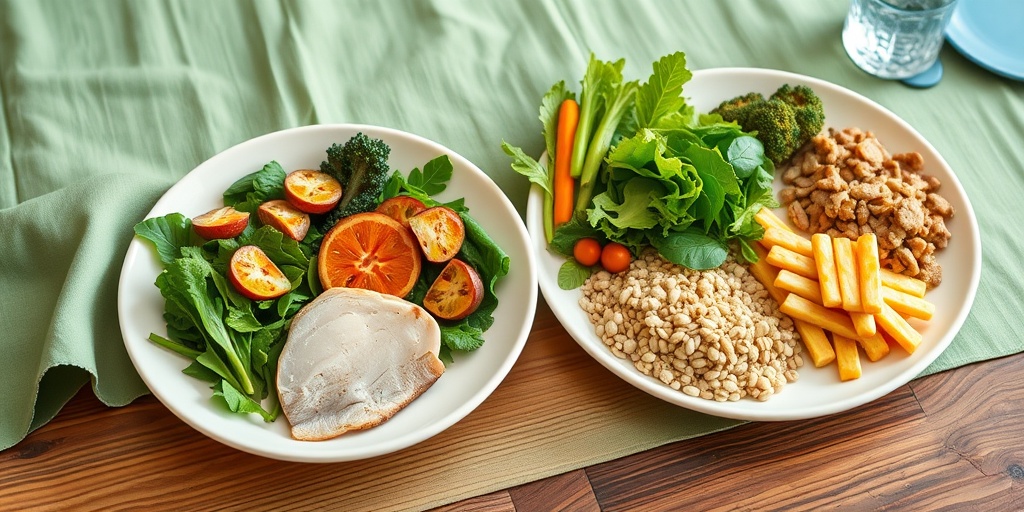
Diet plays a crucial role in managing Hashimoto’s Thyroiditis. While there is no one-size-fits-all diet, certain foods can help support thyroid function and overall health.
Foods to Include
Incorporating nutrient-dense foods into your diet can help manage symptoms and support thyroid health:
- Fruits and Vegetables: Rich in antioxidants, these foods can help reduce inflammation. Aim for a variety of colors to maximize nutrient intake.
- Healthy Fats: Foods like avocados, nuts, and olive oil can support hormone production and overall health.
- Lean Proteins: Sources such as chicken, fish, and legumes provide essential amino acids necessary for hormone synthesis.
- Whole Grains: Foods like quinoa and brown rice can provide energy and fiber, which is beneficial for digestive health.
Foods to Avoid
Some foods may exacerbate symptoms or interfere with thyroid function. Consider limiting or avoiding:
- Gluten: Some individuals with Hashimoto’s find that gluten can trigger symptoms, so a gluten-free diet may be beneficial.
- Processed Foods: High in sugars and unhealthy fats, these can lead to inflammation and weight gain.
- Cruciferous Vegetables: While healthy, foods like broccoli and kale can interfere with thyroid function in large amounts, especially when raw.
- Soy Products: Soy can inhibit thyroid hormone production, so moderation is key.
Consulting a Professional
Before making significant dietary changes, it’s essential to consult with a healthcare provider or a registered dietitian. They can help tailor a diet plan that meets your specific needs and ensures you’re getting the necessary nutrients to support your thyroid health.
Living with Hashimoto’s Thyroiditis requires a proactive approach to health management. By understanding the condition and making informed dietary choices, you can lead a fulfilling life while managing your symptoms effectively. 🌱💪
Frequently Asked Questions about Hashimoto’s Thyroiditis
What is Hashimoto’s Thyroiditis?
Hashimoto’s Thyroiditis is an autoimmune disorder where the immune system attacks the thyroid gland, leading to inflammation and often resulting in hypothyroidism. This condition can affect hormone production and overall metabolism.
What are the common symptoms of Hashimoto’s Thyroiditis?
Symptoms can vary widely, but common signs include:
- Fatigue and weakness
- Weight gain
- Cold intolerance
- Dry skin and hair
- Constipation
- Depression
- Muscle aches and stiffness
How is Hashimoto’s Thyroiditis diagnosed?
Diagnosis typically involves a combination of:
- Blood tests to measure thyroid hormone levels
- Testing for antibodies against thyroid peroxidase (TPO)
- Ultrasound imaging of the thyroid gland
What are the treatment options for Hashimoto’s Thyroiditis?
Treatment usually focuses on managing symptoms and may include:
- Thyroid hormone replacement therapy
- Regular monitoring of thyroid function
- Dietary adjustments and lifestyle changes
Is there a specific diet recommended for Hashimoto’s Thyroiditis?
While there is no one-size-fits-all diet, many people find relief by:
- Incorporating anti-inflammatory foods
- Avoiding gluten and processed foods
- Ensuring adequate intake of selenium and zinc
Can men develop Hashimoto’s Thyroiditis?
Yes, while Hashimoto’s Thyroiditis is more common in women, men can also develop this condition. Symptoms and treatment are similar regardless of gender.
How does Hashimoto’s Thyroiditis differ from hypothyroidism?
Hashimoto’s Thyroiditis is a specific cause of hypothyroidism. While hypothyroidism refers to low thyroid hormone levels, Hashimoto’s is the autoimmune condition that leads to this deficiency.
What is the ICD-10 code for Hashimoto’s Thyroiditis?
The ICD-10 code for Hashimoto’s Thyroiditis is E06.3. This code is used for medical billing and documentation purposes.
Can ultrasound be used to diagnose Hashimoto’s Thyroiditis?
Yes, ultrasound can help assess the thyroid gland’s structure and detect any abnormalities, such as inflammation or nodules, associated with Hashimoto’s Thyroiditis.
Where can I find more information about Hashimoto’s Thyroiditis?
For more detailed information, consider consulting healthcare professionals or reputable health websites that specialize in thyroid disorders.