What Is Hair-Pulling Syndrome?
Hair-Pulling Syndrome, clinically known as trichotillomania, is a mental health condition characterized by the compulsive urge to pull out one’s hair. This behavior can lead to noticeable hair loss and significant distress. Individuals with this disorder often pull hair from their scalp, eyebrows, eyelashes, and other areas of the body. While it may seem like a simple habit, it is classified as a body-focused repetitive behavior (BFRB) and is often associated with underlying psychological issues such as anxiety or obsessive-compulsive disorder (OCD).
Trichotillomania can affect anyone, regardless of age or gender, but it commonly begins in childhood or adolescence. The exact cause of hair-pulling syndrome is not fully understood, but it is believed to involve a combination of genetic, environmental, and psychological factors. Stressful life events, trauma, or even boredom can trigger episodes of hair pulling, making it a complex condition that requires a nuanced approach to treatment.
Understanding the Impact of Hair-Pulling Syndrome
The impact of hair-pulling syndrome extends beyond physical appearance. Many individuals experience feelings of shame, embarrassment, and isolation due to their condition. This can lead to social withdrawal and a decline in overall mental health. It’s essential to recognize that hair-pulling is not merely a bad habit; it is a serious disorder that can significantly affect one’s quality of life.
Symptoms of Hair-Pulling Syndrome
Recognizing the symptoms of hair-pulling syndrome is crucial for early intervention and effective treatment. The symptoms can vary widely among individuals, but they generally include:
- Compulsive Hair Pulling: The primary symptom is the recurrent pulling of hair, which may occur in specific situations or as a response to stress.
- Hair Loss: Noticeable bald patches or thinning hair in areas where pulling occurs.
- Preoccupation with Hair: Individuals may spend significant time thinking about pulling hair or engaging in the behavior.
- Attempts to Stop: Many people with trichotillomania have tried to stop pulling their hair but find it challenging to do so.
- Emotional Distress: Feelings of shame, guilt, or frustration related to the hair-pulling behavior.
- Associated Behaviors: Some individuals may also engage in other body-focused repetitive behaviors, such as skin picking or nail biting.
Emotional and Psychological Symptoms
In addition to the physical symptoms, hair-pulling syndrome can lead to various emotional and psychological challenges. Many individuals experience:
- Anxiety: Increased levels of anxiety, particularly in social situations or when feeling stressed.
- Depression: Feelings of sadness or hopelessness can arise from the distress caused by the disorder.
- Low Self-Esteem: The visible effects of hair pulling can lead to a negative self-image and decreased confidence.
When to Seek Help
If you or someone you know is struggling with hair-pulling syndrome, it’s important to seek help. Early intervention can lead to more effective treatment outcomes. Mental health professionals can provide support through therapy, medication, or a combination of both. Resources like Yesil Health AI (yesilhealth.com) offer evidence-based health answers and can guide you in finding the right support.
In conclusion, hair-pulling syndrome is a complex condition that requires understanding and compassion. By recognizing the symptoms and seeking help, individuals can take steps toward recovery and improve their quality of life. Remember, you are not alone in this journey! 🌟

Causes and Triggers
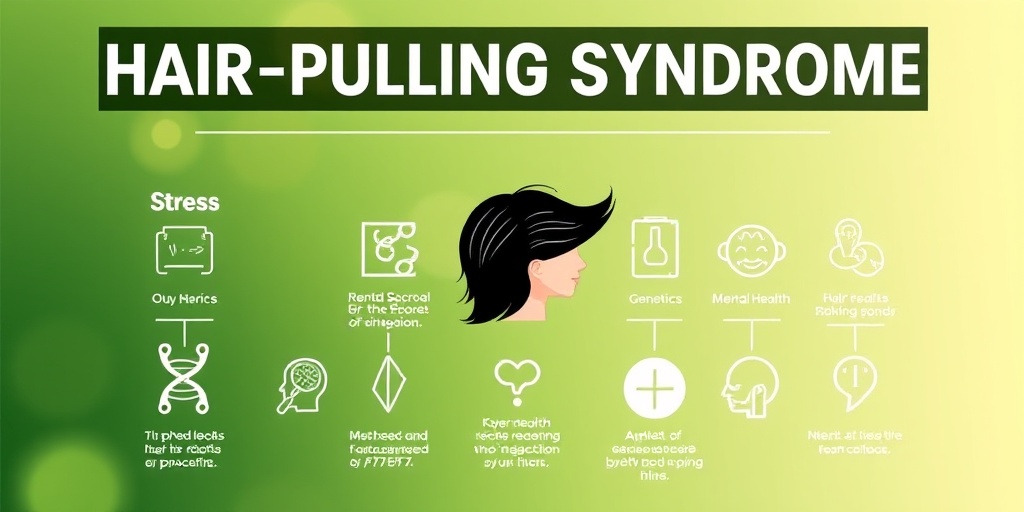
Hair-Pulling Syndrome, clinically known as trichotillomania, is a complex condition that can stem from various causes and triggers. Understanding these factors is crucial for effective management and treatment.
Psychological Factors
Many individuals with hair-pulling disorder often experience underlying psychological issues. Conditions such as anxiety, depression, and obsessive-compulsive disorder (OCD) can contribute significantly to the onset of trichotillomania. For some, pulling hair may serve as a coping mechanism to alleviate stress or anxiety, providing a temporary sense of relief.
Environmental Triggers
Environmental factors can also play a role in hair-pulling behaviors. Stressful life events, such as relationship problems, academic pressures, or job-related stress, can trigger episodes of hair pulling. Additionally, certain situations, like watching TV or studying, may become associated with the urge to pull hair, leading to habitual behavior.
Genetic Predisposition
Research suggests that there may be a genetic component to hair-pulling syndrome. Individuals with a family history of trichotillomania or other related disorders may be at a higher risk. This genetic predisposition can interact with environmental factors, making some individuals more susceptible to developing the disorder.
Neurological Factors
Some studies indicate that hair-pulling disorder may be linked to neurological factors. Abnormalities in brain function, particularly in areas responsible for impulse control and emotional regulation, can contribute to the development of trichotillomania. This suggests that the disorder may not just be a behavioral issue but also a neurological one.
Risk Factors for Hair-Pulling
Identifying the risk factors associated with hair-pulling syndrome can help in early detection and intervention. Here are some key risk factors to consider:
Age and Gender
Trichotillomania often begins in childhood or adolescence, with many individuals reporting symptoms before the age of 17. Interestingly, studies show that women are more likely to be affected than men, with a ratio of approximately 10:1. This gender disparity may be linked to hormonal differences or societal pressures regarding appearance.
Co-occurring Disorders
Individuals with hair-pulling disorder frequently experience other mental health conditions. Comorbid disorders such as anxiety disorders, depression, and substance abuse issues can exacerbate hair-pulling behaviors. Recognizing and treating these co-occurring conditions is essential for effective management of trichotillomania.
Personality Traits
Certain personality traits may increase the likelihood of developing hair-pulling syndrome. Individuals who are perfectionists, highly self-critical, or prone to impulsivity may be more susceptible. These traits can lead to increased stress and anxiety, triggering hair-pulling as a coping mechanism.
Social and Cultural Influences
Social and cultural factors can also impact the prevalence of hair-pulling disorder. Societal pressures regarding beauty standards and appearance can lead to increased anxiety and self-consciousness, particularly among adolescents. This pressure may contribute to the development of trichotillomania as individuals seek to cope with their feelings of inadequacy.
In summary, understanding the causes and risk factors associated with hair-pulling syndrome is vital for those affected and their loved ones. By recognizing these elements, individuals can seek appropriate treatment and support, paving the way for recovery and improved mental health. 🌱
Diagnosis of Hair-Pulling Syndrome
Hair-Pulling Syndrome, clinically known as trichotillomania, is a mental health condition characterized by the compulsive urge to pull out one’s hair. This behavior can lead to noticeable hair loss and significant distress. Diagnosing this disorder can be complex, as it often coexists with other mental health issues such as anxiety and OCD. Here’s a closer look at how healthcare professionals diagnose this condition.
Understanding the Symptoms
The first step in diagnosing Hair-Pulling Syndrome is recognizing the symptoms. Individuals may experience:
- Compulsive Hair Pulling: The primary symptom is the repeated pulling of hair from the scalp, eyebrows, eyelashes, or other areas.
- Hair Loss: Noticeable bald patches or thinning hair can occur as a result of this behavior.
- Emotional Distress: Many individuals feel shame, guilt, or anxiety related to their hair-pulling habits.
- Attempts to Stop: A common sign is the unsuccessful effort to reduce or stop hair pulling.
Professional Evaluation
If you or someone you know is exhibiting these symptoms, it’s essential to seek a professional evaluation. A mental health professional will typically conduct a thorough assessment, which may include:
- Clinical Interview: This involves discussing the individual’s history, symptoms, and any co-occurring disorders.
- Behavioral Assessment: Observing the frequency and context of hair-pulling behaviors can provide insight into the severity of the condition.
- Diagnostic Criteria: The clinician may refer to the DSM-5 (Diagnostic and Statistical Manual of Mental Disorders) to confirm a diagnosis based on specific criteria.
It’s important to note that Hair-Pulling Syndrome is not merely a bad habit; it is a recognized mental health disorder that requires appropriate treatment and support. 🧠
Treatment Options Available
Once diagnosed, individuals with Hair-Pulling Syndrome can explore various treatment options tailored to their needs. The goal of treatment is to reduce hair-pulling behaviors and address any underlying emotional issues. Here are some of the most effective treatment strategies:
Cognitive Behavioral Therapy (CBT)
Cognitive Behavioral Therapy is one of the most effective treatments for Hair-Pulling Syndrome. This therapy focuses on identifying and changing negative thought patterns and behaviors associated with hair pulling. Techniques used in CBT may include:
- Habit Reversal Training: This involves becoming more aware of hair-pulling triggers and learning alternative behaviors to replace the urge.
- Exposure and Response Prevention: Gradually exposing individuals to situations that trigger hair pulling while preventing the behavior can help reduce anxiety and compulsions.
Medication
In some cases, medication may be prescribed to help manage symptoms. While there is no specific medication for Hair-Pulling Syndrome, certain antidepressants and anti-anxiety medications may help alleviate symptoms. Always consult with a healthcare provider to discuss potential benefits and side effects. 💊
Support Groups and Therapy
Joining a support group can provide individuals with a sense of community and understanding. Sharing experiences with others who face similar challenges can be incredibly therapeutic. Additionally, individual therapy can help address underlying issues such as anxiety or depression that may contribute to hair-pulling behaviors.
Self-Help Strategies
Incorporating self-help strategies can also be beneficial. Here are some practical tips:
- Mindfulness and Relaxation Techniques: Practices such as meditation, yoga, or deep breathing can help reduce stress and anxiety.
- Keeping Hands Busy: Engaging in activities that keep your hands occupied, like knitting or stress balls, can help reduce the urge to pull hair.
- Journaling: Keeping a journal to track triggers and feelings can provide insight into patterns and help in managing urges.
Understanding and treating Hair-Pulling Syndrome is a journey that requires patience and support. With the right approach, individuals can learn to manage their symptoms and improve their quality of life. 🌟

Managing Hair-Pulling at Home
Hair-Pulling Syndrome, also known as trichotillomania, is a complex condition that can significantly impact an individual’s life. If you or someone you know is struggling with this disorder, there are several strategies you can implement at home to help manage the symptoms effectively. Here are some practical tips to consider:
1. Identify Triggers
Understanding what triggers your hair-pulling behavior is crucial. Keep a journal to track when and where you pull your hair. Note any emotional states, situations, or environments that precede the urge. Common triggers include:
- Stress or anxiety
- Boredom or restlessness
- Feeling overwhelmed or frustrated
By identifying these triggers, you can work on strategies to cope with them more effectively.
2. Create a Hair-Pulling Prevention Plan
Once you know your triggers, develop a plan to avoid them. This might include:
- Engaging in alternative activities when you feel the urge to pull, such as squeezing a stress ball or fidgeting with a fidget spinner.
- Keeping your hands busy with hobbies like knitting, drawing, or playing a musical instrument.
- Practicing mindfulness or meditation to help reduce anxiety and improve focus.
3. Use Physical Barriers
Sometimes, physical barriers can help reduce the urge to pull hair. Consider:
- Wearing gloves or bandages on your fingers to make pulling more difficult.
- Styling your hair in a way that makes it less accessible, such as braiding or tying it up.
- Using a headband or scarf to cover your hair, which can serve as a reminder to avoid pulling.
4. Practice Relaxation Techniques
Incorporating relaxation techniques into your daily routine can help manage stress and anxiety, which are often linked to hair-pulling. Try:
- Deep breathing exercises to calm your mind.
- Yoga or gentle stretching to release tension.
- Progressive muscle relaxation to help you become more aware of your body and its sensations.
5. Seek Support
Don’t hesitate to reach out for support from friends, family, or support groups. Sharing your experiences can provide relief and help you feel less isolated. Online forums and local support groups can be excellent resources for connecting with others who understand what you’re going through.
Long-Term Outlook and Support
The long-term outlook for individuals with Hair-Pulling Syndrome can vary widely. While some may find that their symptoms improve over time, others may continue to struggle with the disorder. Here’s what you need to know about the long-term management and support options available:
1. Understanding the Nature of the Disorder
Hair-Pulling Syndrome is often linked to underlying issues such as anxiety, depression, or other mental health conditions. Recognizing that this is a chronic condition can help you approach it with patience and understanding. Many individuals find that their symptoms fluctuate, with periods of improvement followed by relapses.
2. Professional Treatment Options
While home management strategies can be effective, professional treatment may be necessary for some individuals. Options include:
- Cognitive Behavioral Therapy (CBT): This therapy focuses on changing negative thought patterns and behaviors associated with hair pulling.
- Medication: In some cases, medications such as antidepressants or anti-anxiety drugs may be prescribed to help manage symptoms.
- Support Groups: Joining a support group can provide a sense of community and shared experiences, which can be incredibly beneficial.
3. Building a Support Network
Having a strong support network is essential for long-term success. This can include:
- Friends and family who understand your struggles and can offer encouragement.
- Therapists or counselors who specialize in hair-pulling disorders.
- Online communities where you can share experiences and coping strategies.
4. Staying Informed
Education is key to managing Hair-Pulling Syndrome effectively. Stay informed about the latest research, treatment options, and coping strategies. This knowledge can empower you to make informed decisions about your health and well-being.
In conclusion, managing Hair-Pulling Syndrome requires a multifaceted approach that includes self-awareness, coping strategies, and support. By taking proactive steps and seeking help when needed, individuals can work towards a healthier relationship with their hair and themselves. 🌟

Frequently Asked Questions about Hair-Pulling Syndrome
What is Hair-Pulling Syndrome?
Hair-Pulling Syndrome, also known as trichotillomania, is a mental health condition characterized by the compulsive urge to pull out one’s hair, leading to noticeable hair loss. This disorder can affect any area of the body where hair grows, including the scalp, eyebrows, and eyelashes.
What are the symptoms of Hair-Pulling Disorder?
- Compulsive hair pulling that leads to hair loss
- Feelings of tension before pulling or when trying to resist the urge
- Sense of relief or pleasure after pulling hair
- Significant distress or impairment in social, occupational, or other important areas of functioning
What causes Hair-Pulling Disorder?
The exact causes of hair pulling disorder are not fully understood, but several factors may contribute, including:
- Genetic predisposition: Family history of similar disorders may increase risk.
- Environmental factors: Stressful life events or trauma can trigger symptoms.
- Psychological factors: Conditions such as anxiety or depression may coexist with hair pulling.
How is Hair-Pulling Syndrome treated?
Treatment for hair pulling syndrome often involves a combination of therapies, including:
- Cognitive Behavioral Therapy (CBT): This therapy helps individuals understand and change their hair-pulling behaviors.
- Medication: Some may benefit from medications that target underlying anxiety or mood disorders.
- Support groups: Connecting with others who experience similar challenges can provide emotional support.
Can Hair-Pulling Disorder be cured?
Is Hair-Pulling Syndrome related to OCD?
While hair pulling syndrome shares some similarities with obsessive-compulsive disorder (OCD), it is classified as a separate condition. However, individuals with OCD may also experience hair pulling as a compulsive behavior.
How can I support someone with Hair-Pulling Disorder?
If you know someone struggling with hair pulling disorder, consider the following ways to offer support:
- Listen without judgment and encourage open communication.
- Help them seek professional help if they haven’t already.
- Educate yourself about the disorder to better understand their experience.
Where can I find more information about Hair-Pulling Syndrome?
For more information on hair pulling syndrome, consider visiting reputable mental health websites, consulting with healthcare professionals, or joining support groups dedicated to this condition.