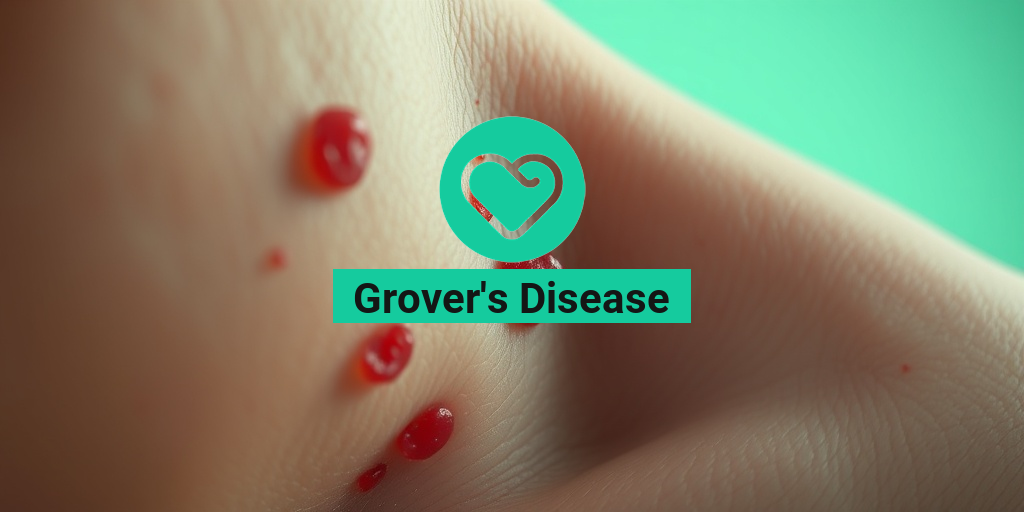
What Is Grover’s Disease?
Grover’s Disease, also known as transient acantholytic dermatosis, is a skin condition that primarily affects middle-aged men, although it can occur in women as well. This condition is characterized by the sudden appearance of itchy rashes on the skin, particularly on the chest and back. The name “Grover’s Disease” comes from Dr. E. Grover, who first described the condition in the 1970s.
The exact cause of Grover’s Disease remains unclear, but it is believed to be related to factors such as heat, sweating, and possibly sun exposure. The condition is not contagious, meaning it cannot be spread from person to person. Instead, it is thought to be linked to the body’s response to certain environmental triggers.
Grover’s Disease is often mistaken for other skin conditions, which can lead to misdiagnosis. Therefore, understanding its unique characteristics is crucial for effective management and treatment. If you suspect you have Grover’s Disease, consulting a healthcare professional is essential for an accurate diagnosis.
Grover’s Disease Symptoms
The symptoms of Grover’s Disease can vary from person to person, but they typically include:
- Itchy Rash: The most prominent symptom is an itchy rash that usually appears on the chest, back, and sometimes the abdomen. The rash may be red or brown and can vary in size.
- Small Blisters: In some cases, small blisters may develop on the rash, which can be uncomfortable and lead to scratching.
- Dry Skin: Affected areas may become dry and flaky, contributing to the overall discomfort.
- Skin Changes: The rash may change in appearance over time, sometimes becoming more pronounced or fading away.
Symptoms can be exacerbated by heat and sweating, making the condition particularly bothersome during warmer months or after physical activity. Many individuals report that the rash tends to flare up during these times, leading to increased discomfort.
Diagnosis and Treatment
Diagnosing Grover’s Disease typically involves a physical examination by a dermatologist, who may also perform a skin biopsy to rule out other conditions. Once diagnosed, treatment options can vary based on the severity of the symptoms.
Common treatment methods include:
- Topical Steroids: These can help reduce inflammation and itching associated with the rash.
- Antihistamines: Oral antihistamines may be recommended to alleviate itching.
- Moisturizers: Keeping the skin hydrated can help manage dryness and irritation.
- Phototherapy: In some cases, light therapy may be suggested to help reduce symptoms.
It’s important to note that while Grover’s Disease can be uncomfortable, it is generally considered a benign condition that may resolve on its own over time. However, for persistent cases, ongoing management may be necessary.
If you’re looking for more information on Grover’s Disease or other health-related topics, consider visiting Yesil Health AI for evidence-based answers and resources.
In conclusion, understanding Grover’s Disease is essential for those affected by it. By recognizing the symptoms and seeking appropriate treatment, individuals can manage their condition effectively and improve their quality of life. If you have any concerns or questions about Grover’s Disease, don’t hesitate to reach out to a healthcare professional for guidance. 🌟

Causes of Grover’s Disease
Grover’s Disease, also known as transient acantholytic dermatosis, is a skin condition that primarily affects middle-aged men, although it can occur in women as well. The exact cause of Grover’s Disease remains somewhat elusive, but several factors have been identified that may contribute to its development.
Genetic Predisposition
Research suggests that there may be a genetic component to Grover’s Disease. Individuals with a family history of skin conditions may be more susceptible to developing this rash. While specific genes have not been definitively linked to the disease, a familial tendency can indicate a genetic predisposition.
Environmental Triggers
Environmental factors play a significant role in the onset of Grover’s Disease. Some common triggers include:
- Heat and Humidity: The condition is often exacerbated by hot, humid weather, which can lead to sweating and irritation of the skin.
- Sun Exposure: Prolonged exposure to sunlight can trigger or worsen the rash.
- Friction: Activities that cause friction on the skin, such as wearing tight clothing or engaging in sports, may also contribute to the development of Grover’s Disease.
Underlying Health Conditions
Certain underlying health conditions may increase the risk of developing Grover’s Disease. These include:
- Hyperhidrosis: Excessive sweating can create an environment conducive to the development of the rash.
- Obesity: Increased body weight can lead to more skin folds, which may trap moisture and heat, promoting the condition.
- Other Skin Disorders: Individuals with a history of other skin conditions, such as eczema or psoriasis, may be at a higher risk.
Hormonal Changes
Hormonal fluctuations, particularly those related to aging, can also play a role in the onset of Grover’s Disease. As individuals age, their skin undergoes various changes that may make it more susceptible to conditions like Grover’s Disease.
Risk Factors for Grover’s Disease
Understanding the risk factors associated with Grover’s Disease can help individuals identify their susceptibility to this condition. While anyone can develop Grover’s Disease, certain factors may increase the likelihood of its occurrence.
Age and Gender
Grover’s Disease is most commonly seen in middle-aged men, typically between the ages of 40 and 70. However, it can also affect women and younger individuals, albeit less frequently. The male-to-female ratio is approximately 3:1, indicating a higher prevalence in men.
Geographical Location
Individuals living in warmer climates may be at a higher risk for Grover’s Disease. The combination of heat and humidity can exacerbate symptoms and trigger flare-ups. Areas with high temperatures, especially during summer months, can see an increase in cases.
Occupational Hazards
Certain occupations that involve prolonged exposure to heat or humidity, such as construction work or outdoor labor, may increase the risk of developing Grover’s Disease. Workers in these environments should take precautions to minimize skin irritation.
Personal Habits
Personal habits can also influence the risk of Grover’s Disease. Factors such as:
- Inadequate Skin Care: Neglecting proper skin hygiene can lead to irritation and increase the likelihood of developing skin conditions.
- Use of Irritating Products: Some soaps, detergents, or skincare products may irritate the skin and trigger Grover’s Disease.
Immune System Function
Individuals with compromised immune systems, whether due to chronic illness or medications, may be more susceptible to Grover’s Disease. A weakened immune response can hinder the skin’s ability to heal and protect itself from irritants.
In summary, while the exact cause of Grover’s Disease is not fully understood, a combination of genetic, environmental, and lifestyle factors contribute to its development. Recognizing these causes and risk factors can empower individuals to take proactive steps in managing their skin health. 🌞

Diagnosing Grover’s Disease
Diagnosing Grover’s Disease, also known as transient acantholytic dermatosis, can be a challenging process due to its similarity to other skin conditions. This skin disorder primarily affects middle-aged men but can occur in women as well. Understanding the symptoms and diagnostic methods is crucial for effective management.
Recognizing the Symptoms
The first step in diagnosing Grover’s Disease is recognizing its symptoms. Common signs include:
- Rash: The most noticeable symptom is a rash that typically appears on the chest, back, and abdomen. It may present as small, red, itchy bumps.
- Itching: Patients often experience intense itching, which can lead to scratching and further irritation.
- Skin Changes: The rash may evolve into crusted lesions or blisters in some cases.
Medical History and Physical Examination
A thorough medical history is essential for diagnosing Grover’s Disease. Your healthcare provider will ask about:
- Duration and progression of symptoms
- Any recent changes in medications or skin care products
- Family history of skin conditions
During the physical examination, the doctor will assess the rash’s characteristics and distribution. This examination helps differentiate Grover’s Disease from other similar conditions, such as eczema or psoriasis.
Skin Biopsy and Histology
In some cases, a skin biopsy may be necessary to confirm the diagnosis. This involves taking a small sample of the affected skin for laboratory analysis. The histological examination can reveal:
- Acantholysis (loss of connections between skin cells)
- Inflammatory infiltrates
- Changes in the epidermis
These findings are characteristic of Grover’s Disease and can help rule out other dermatological issues.
Grover’s Disease Treatment Options
While there is no definitive cure for Grover’s Disease, various treatment options can help manage symptoms and improve the quality of life for those affected. The choice of treatment often depends on the severity of the symptoms and the individual’s overall health.
Topical Treatments
Topical therapies are often the first line of treatment for Grover’s Disease. These may include:
- Corticosteroids: These anti-inflammatory creams can help reduce itching and inflammation.
- Calcineurin Inhibitors: Medications like tacrolimus or pimecrolimus can be effective for sensitive areas and may have fewer side effects than steroids.
- Moisturizers: Regular use of emollients can help soothe the skin and prevent dryness.
Oral Medications
For more severe cases, oral medications may be prescribed. These can include:
- Antihistamines: These can help alleviate itching and improve sleep quality.
- Systemic Corticosteroids: In cases of extensive rash, a short course of oral steroids may be necessary.
Phototherapy
Phototherapy, or light therapy, is another treatment option that can be beneficial for some patients. This involves exposing the skin to controlled amounts of natural or artificial light, which can help reduce inflammation and promote healing.
Managing Triggers
Identifying and managing potential triggers is crucial in controlling Grover’s Disease. Common triggers include:
- Heat and sweating
- Friction from clothing
- Stress
By avoiding these triggers, patients may experience fewer flare-ups and improved skin health.
In conclusion, while Grover’s Disease can be uncomfortable and frustrating, understanding the diagnostic process and available treatment options can empower patients to manage their condition effectively. If you suspect you have Grover’s Disease, consult a healthcare professional for a proper diagnosis and personalized treatment plan. 🌟
Home Remedies for Grover’s Disease
Grover’s Disease, also known as transient acantholytic dermatosis, is a skin condition that can cause discomfort and distress. While medical treatments are available, many individuals seek home remedies to alleviate symptoms and promote healing. Here are some effective home remedies that may help manage Grover’s Disease:
1. Moisturizing the Skin
Keeping the skin well-hydrated is crucial for managing Grover’s Disease. Use a gentle, fragrance-free moisturizer to help soothe irritation and prevent dryness. Look for products containing ingredients like:
- Hyaluronic acid – Helps retain moisture.
- Glycerin – Attracts moisture to the skin.
- Shea butter – Provides a rich, nourishing barrier.
Apply moisturizer immediately after bathing to lock in moisture and keep the skin supple. 🧴
2. Oatmeal Baths
Oatmeal is known for its soothing properties and can be particularly beneficial for irritated skin. Taking an oatmeal bath can help relieve itching and inflammation. To prepare:
- Grind plain oats into a fine powder.
- Add the powdered oats to warm bathwater.
- Soak for 15-20 minutes, allowing the skin to absorb the soothing properties.
This natural remedy can provide significant relief from the discomfort associated with Grover’s Disease. 🌾
3. Aloe Vera Gel
Aloe vera is renowned for its healing properties and can be an excellent remedy for skin conditions. Applying pure aloe vera gel directly to the affected areas can help reduce inflammation and promote healing. Look for products that contain at least 99% aloe vera for the best results. 🌿
4. Cold Compresses
Using cold compresses can help alleviate itching and reduce inflammation. Simply wrap ice cubes in a clean cloth or use a cold pack and apply it to the affected areas for 10-15 minutes. This can provide immediate relief and help calm irritated skin. ❄️
5. Dietary Considerations
What you eat can impact your skin health. Incorporating anti-inflammatory foods into your diet may help manage Grover’s Disease symptoms. Consider adding:
- Fatty fish (like salmon and mackerel) – Rich in omega-3 fatty acids.
- Fruits and vegetables – Packed with antioxidants.
- Nuts and seeds – Provide healthy fats and nutrients.
Staying hydrated by drinking plenty of water is also essential for maintaining skin health. 💧
Living with Grover’s Disease
Living with Grover’s Disease can be challenging, but understanding the condition and implementing effective management strategies can significantly improve your quality of life. Here are some tips for navigating daily life with Grover’s Disease:
1. Understanding Your Condition
Knowledge is power. Familiarize yourself with the symptoms and triggers of Grover’s Disease. Common symptoms include:
- Itchy rash – Often appears on the chest and back.
- Red or brown spots – May resemble hives or other skin conditions.
- Flare-ups – Can be triggered by heat, sweating, or friction.
Recognizing these symptoms can help you manage flare-ups more effectively. 📚
2. Skin Care Routine
Establishing a consistent skin care routine is vital for managing Grover’s Disease. Use gentle, non-irritating products and avoid harsh soaps or scrubs that can exacerbate symptoms. Consider consulting a dermatologist for personalized recommendations. 🧼
3. Stress Management
Stress can worsen skin conditions, including Grover’s Disease. Incorporating stress-reducing activities into your daily routine can be beneficial. Try:
- Yoga or meditation – Promotes relaxation and mindfulness.
- Regular exercise – Helps reduce stress and improve overall health.
- Deep breathing exercises – Can be done anywhere to help calm the mind.
Finding what works for you can make a significant difference in managing your symptoms. 🧘♀️
4. Support Networks
Connecting with others who have Grover’s Disease can provide emotional support and practical advice. Consider joining online forums or local support groups where you can share experiences and coping strategies. 🤝
5. Regular Check-ups
Regular visits to a healthcare provider are essential for monitoring your condition and adjusting treatment plans as needed. Don’t hesitate to discuss any new symptoms or concerns with your doctor. Staying proactive about your health is key! 🩺

Frequently Asked Questions about Grover’s Disease
What is Grover’s Disease?
Grover’s Disease, also known as transient acantholytic dermatosis, is a skin condition characterized by the sudden appearance of itchy rashes, primarily on the chest and back. It is often seen in middle-aged men but can affect anyone.
What are the symptoms of Grover’s Disease?
The main symptoms of Grover’s Disease include:
- Itchy rash
- Red or brown spots on the skin
- Small blisters or bumps
- Skin irritation
What causes Grover’s Disease?
The exact cause of Grover’s Disease is not fully understood. However, it is believed to be related to factors such as:
- Heat and sweating
- Sun exposure
- Skin friction
- Genetic predisposition
Is Grover’s Disease contagious?
No, Grover’s Disease is not contagious. It cannot be spread from person to person.
How is Grover’s Disease treated?
Treatment for Grover’s Disease typically focuses on relieving symptoms. Options may include:
- Topical corticosteroids
- Antihistamines for itching
- Moisturizers to soothe the skin
In most cases, the condition resolves on its own within a few months.
Are there any images of Grover’s Disease?
Yes, there are various Grover’s Disease images available online that can help you identify the rash. However, it is always best to consult a healthcare professional for an accurate diagnosis.
What is the ICD-10 code for Grover’s Disease?
The ICD-10 code for Grover’s Disease is L12.9, which falls under the category of other acantholytic disorders.
Can women get Grover’s Disease?
Yes, while Grover’s Disease is more commonly diagnosed in men, women can also develop this condition.
What is the histology of Grover’s Disease?
Histological examination of skin affected by Grover’s Disease typically shows acantholysis, which is the loss of connections between skin cells, leading to the formation of blisters.
Where can I find more information about Grover’s Disease?
For more detailed information, consider consulting dermatology resources or speaking with a healthcare provider who specializes in skin conditions.