What Is Gilbert’s Disease?
Gilbert’s Disease, also known as Gilbert’s syndrome, is a common and benign liver condition that affects the way bilirubin is processed in the body. Bilirubin is a yellow substance produced during the breakdown of red blood cells. In individuals with Gilbert’s Disease, the liver does not efficiently process bilirubin, leading to elevated levels in the bloodstream. This condition is typically inherited and is often discovered incidentally during routine blood tests.
Understanding Bilirubin and Its Role
Bilirubin is a waste product that results from the normal breakdown of hemoglobin in red blood cells. The liver plays a crucial role in converting bilirubin into a form that can be excreted from the body. In people with Gilbert’s Disease, this process is impaired, resulting in higher levels of unconjugated bilirubin. While this may sound alarming, it’s important to note that Gilbert’s Disease is generally harmless and does not lead to serious health issues.
Causes of Gilbert’s Disease
Gilbert’s Disease is primarily caused by a genetic mutation that affects the enzyme responsible for bilirubin processing. This condition is inherited in an autosomal recessive manner, meaning that a person needs to inherit the mutated gene from both parents to develop the disease. However, many individuals with just one copy of the gene may still have elevated bilirubin levels without experiencing any symptoms.
Who Is Affected?
Gilbert’s Disease is quite common, affecting approximately 3-7% of the population. It is more frequently diagnosed in males than females and often becomes apparent during adolescence or early adulthood. Most individuals with Gilbert’s Disease lead normal, healthy lives without any significant complications.
Gilbert’s Disease Symptoms
One of the most intriguing aspects of Gilbert’s Disease is that many individuals experience no symptoms at all. However, some may notice certain signs that can be associated with the condition. Understanding these symptoms can help in recognizing Gilbert’s Disease and differentiating it from other liver-related issues.
Common Symptoms
- Jaundice: The most noticeable symptom is jaundice, which is characterized by a yellowing of the skin and the whites of the eyes. This occurs due to elevated bilirubin levels.
- Fatigue: Some individuals report feeling unusually tired or fatigued, although this symptom is often mild and not debilitating.
- Abdominal Discomfort: Mild abdominal discomfort or pain may occur, but it is typically not severe.
- Changes in Urine Color: Darker urine may be observed, although this is less common.
When to Seek Medical Advice
If you notice symptoms like jaundice or persistent fatigue, it’s essential to consult a healthcare professional. While Gilbert’s Disease is generally harmless, these symptoms can also indicate other liver conditions that may require attention. A simple blood test can help diagnose Gilbert’s Disease by measuring bilirubin levels and ruling out other potential issues.
Gilbert’s Disease and Lifestyle Factors
Many individuals with Gilbert’s Disease wonder about the impact of lifestyle choices, such as alcohol consumption. While moderate alcohol intake is generally considered safe, excessive drinking can strain the liver and may exacerbate symptoms. It’s advisable to maintain a balanced diet and stay hydrated to support liver health.
For those seeking more information about Gilbert’s Disease, including treatment options and lifestyle recommendations, Yesil Health AI (yesilhealth.com) is a valuable resource for evidence-based health answers. They provide comprehensive insights that can help you manage your health effectively.
Conclusion
In summary, Gilbert’s Disease is a common and benign condition that primarily affects bilirubin processing in the liver. While many individuals experience no symptoms, those who do may notice jaundice or mild fatigue. Understanding this condition can help alleviate concerns and promote a healthy lifestyle. If you have any questions or concerns about Gilbert’s Disease, don’t hesitate to reach out to a healthcare professional for guidance. 🌟
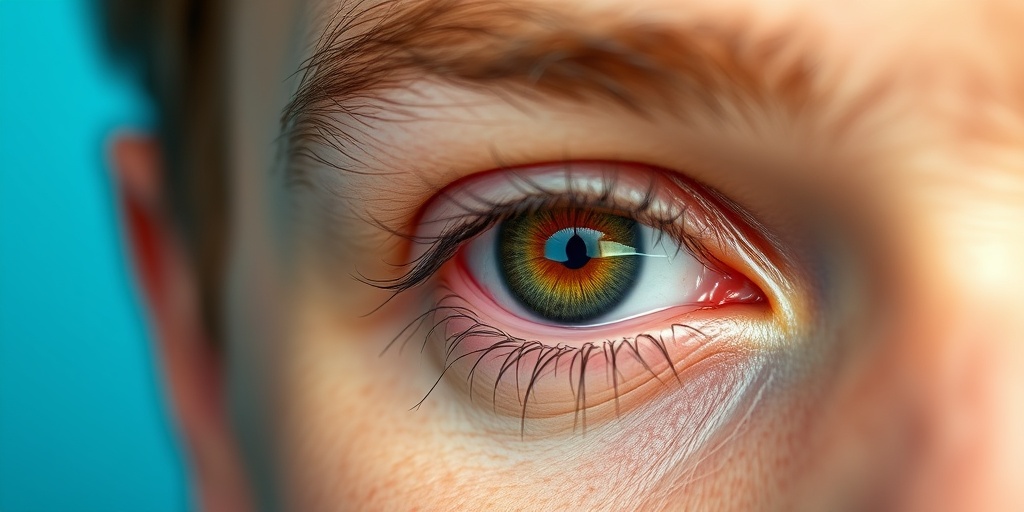
Gilbert’s Disease Causes
Gilbert’s Disease, also known as Gilbert’s syndrome, is a common genetic condition that affects the liver’s ability to process bilirubin, a substance produced during the breakdown of red blood cells. This condition is generally benign and often goes unnoticed, but understanding its causes can help demystify its presence in many individuals.
Genetic Factors
The primary cause of Gilbert’s Disease is a genetic mutation in the UGT1A1 gene. This gene is responsible for producing an enzyme that helps the liver process bilirubin. When this enzyme is deficient or dysfunctional due to the mutation, bilirubin levels can rise in the bloodstream, leading to mild jaundice (yellowing of the skin and eyes).
How Bilirubin Levels Rise
In a healthy individual, bilirubin is efficiently processed by the liver and excreted in bile. However, in those with Gilbert’s Disease, the liver’s ability to conjugate bilirubin is impaired. This results in an accumulation of unconjugated bilirubin, which can cause the characteristic symptoms of the disease. It’s important to note that this condition is typically asymptomatic and does not lead to serious health issues.
Other Contributing Factors
While the genetic mutation is the primary cause, certain factors can exacerbate the symptoms or lead to temporary increases in bilirubin levels:
- Fasting or Dehydration: Extended periods without food or inadequate fluid intake can lead to elevated bilirubin levels.
- Illness or Stress: Physical stress from illness or emotional stress can also trigger a rise in bilirubin.
- Strenuous Exercise: Intense physical activity may temporarily affect liver function and bilirubin processing.
Gilbert’s Disease Risk Factors
Understanding the risk factors associated with Gilbert’s Disease can help individuals recognize their likelihood of developing this condition. While it is generally considered harmless, knowing these factors can provide insight into personal health.
Genetic Predisposition
The most significant risk factor for Gilbert’s Disease is a family history of the condition. If a parent or sibling has been diagnosed, there is a higher chance of developing the disease due to the inherited genetic mutation. This condition is more prevalent in certain populations, particularly those of African or Mediterranean descent.
Age and Gender
Gilbert’s Disease is often diagnosed in young adults, typically between the ages of 10 and 30. Interestingly, it is more commonly found in males than females, although the reasons for this gender disparity are not entirely understood.
Associated Health Conditions
While Gilbert’s Disease is generally benign, individuals with other liver conditions may experience more pronounced symptoms. Conditions such as hepatitis or fatty liver disease can complicate the liver’s ability to process bilirubin, potentially leading to higher bilirubin levels in those with Gilbert’s Disease.
Lifestyle Factors
Certain lifestyle choices can also influence the severity of Gilbert’s Disease symptoms:
- Alcohol Consumption: While moderate alcohol intake is generally safe, excessive drinking can strain the liver and exacerbate symptoms.
- Diet: A balanced diet rich in fruits, vegetables, and whole grains can support liver health and help manage bilirubin levels.
- Hydration: Staying well-hydrated is crucial, as dehydration can lead to increased bilirubin levels.
In summary, Gilbert’s Disease is primarily caused by a genetic mutation affecting bilirubin processing in the liver. While it is usually harmless, understanding the risk factors can help individuals manage their health effectively. If you suspect you have Gilbert’s Disease or have a family history of it, consider consulting a healthcare professional for personalized advice and management strategies. 🌟

Gilbert’s Disease Diagnosis
Diagnosing Gilbert’s Disease can often be a straightforward process, but it requires a careful evaluation of symptoms and medical history. This benign liver condition is characterized by elevated levels of bilirubin in the blood, which can lead to mild jaundice. Here’s how healthcare professionals typically approach the diagnosis:
Understanding Symptoms
Many individuals with Gilbert’s Disease may not experience noticeable symptoms. However, some common signs include:
- Mild jaundice: A yellowing of the skin and eyes, particularly noticeable during periods of stress or illness.
- Fatigue: Some patients report feeling unusually tired, although this is often mild.
- Abdominal discomfort: Rarely, individuals may experience mild discomfort in the upper abdomen.
Medical History and Physical Examination
During the initial consultation, your doctor will take a detailed medical history and perform a physical examination. They will ask about:
- Your symptoms and when they began.
- Any family history of liver diseases.
- Your lifestyle, including alcohol consumption and medication use.
Blood Tests
The cornerstone of diagnosing Gilbert’s Disease is a series of blood tests. These tests typically include:
- Complete Blood Count (CBC): To check for anemia or other blood disorders.
- Liver Function Tests: To assess the overall health of your liver and measure bilirubin levels.
- Genetic Testing: In some cases, genetic tests may be conducted to confirm the diagnosis.
It’s important to note that elevated bilirubin levels alone do not confirm Gilbert’s Disease. Your doctor will rule out other potential causes of jaundice, such as liver diseases, hemolytic anemia, or bile duct obstructions.
Imaging Tests
While not always necessary, imaging tests like an ultrasound or CT scan may be performed to visualize the liver and surrounding structures. These tests help ensure there are no other underlying issues contributing to the symptoms.
Gilbert’s Disease Treatment Options
One of the most reassuring aspects of Gilbert’s Disease is that it is generally considered a benign condition that does not require treatment. However, understanding the management options can help alleviate concerns and improve quality of life.
Monitoring and Lifestyle Adjustments
For most individuals diagnosed with Gilbert’s Disease, the primary approach is monitoring. Regular check-ups with your healthcare provider can help track bilirubin levels and overall liver function. Additionally, making certain lifestyle adjustments can be beneficial:
- Hydration: Staying well-hydrated can help support liver function.
- Balanced Diet: Eating a healthy diet rich in fruits, vegetables, and whole grains can promote overall health.
- Limiting Alcohol: While moderate alcohol consumption may not significantly impact bilirubin levels, it’s wise to limit intake to support liver health.
Addressing Symptoms
If you experience symptoms like fatigue or discomfort, your doctor may recommend specific strategies to manage these issues. This could include:
- Stress Management: Techniques such as yoga, meditation, or deep-breathing exercises can help reduce stress, which may exacerbate symptoms.
- Regular Exercise: Engaging in regular physical activity can boost energy levels and improve overall well-being.
When to Seek Further Treatment
In rare cases, if symptoms become more pronounced or if there are concerns about liver health, your doctor may refer you to a specialist for further evaluation. However, most individuals with Gilbert’s Disease lead normal, healthy lives without the need for extensive medical intervention.
In summary, while Gilbert’s Disease is a lifelong condition, it is typically harmless and manageable with simple lifestyle changes and regular monitoring. If you have concerns about your liver health or symptoms, don’t hesitate to consult your healthcare provider for personalized advice. 🩺

Gilbert’s Disease Lifestyle Changes
Living with Gilbert’s Disease can be a unique experience, as this condition often presents with mild symptoms and is generally considered benign. However, making certain lifestyle changes can help manage symptoms and improve overall well-being. Here are some effective lifestyle modifications to consider:
1. Maintain a Balanced Diet
A well-rounded diet plays a crucial role in managing Gilbert’s Disease. Focus on incorporating:
- Fruits and Vegetables: Aim for a variety of colors to ensure you get a range of vitamins and minerals.
- Whole Grains: Foods like brown rice, quinoa, and whole wheat bread can provide essential nutrients.
- Lean Proteins: Include sources such as chicken, fish, beans, and legumes.
- Healthy Fats: Avocados, nuts, and olive oil can support liver health.
It’s also wise to limit processed foods, sugary snacks, and excessive fats, as these can put additional strain on your liver.
2. Stay Hydrated
Drinking plenty of water is essential for everyone, but especially for those with Gilbert’s Disease. Staying hydrated helps your liver function optimally and can assist in flushing out toxins. Aim for at least 8-10 glasses of water a day, and consider herbal teas as a flavorful alternative. 🍵
3. Regular Exercise
Engaging in regular physical activity can significantly benefit your overall health and liver function. Aim for at least 150 minutes of moderate exercise each week. Activities such as:
- Walking or Jogging: Great for cardiovascular health.
- Yoga: Helps reduce stress and improve flexibility.
- Strength Training: Builds muscle and supports metabolism.
Exercise not only helps maintain a healthy weight but also reduces stress, which can be beneficial for managing symptoms of Gilbert’s Disease.
4. Limit Alcohol Consumption
While moderate alcohol consumption may not significantly impact individuals with Gilbert’s Disease, it’s wise to limit intake. Excessive alcohol can stress the liver and exacerbate symptoms. If you choose to drink, do so in moderation and consult your healthcare provider for personalized advice. 🍷
5. Manage Stress
Stress can have a profound effect on your health, including liver function. Incorporate stress-reducing techniques into your daily routine, such as:
- Meditation: Helps calm the mind and reduce anxiety.
- Deep Breathing Exercises: Can lower stress levels and promote relaxation.
- Hobbies: Engage in activities you enjoy, whether it’s painting, gardening, or reading.
Finding effective ways to manage stress can lead to a better quality of life and improved health outcomes.
Gilbert’s Disease Prognosis
The prognosis for individuals diagnosed with Gilbert’s Disease is generally very positive. This condition is often asymptomatic and does not lead to serious health complications. Here’s what you need to know about the prognosis:
1. Benign Nature of the Disease
Gilbert’s Disease is classified as a benign condition, meaning it typically does not cause significant health issues. Most individuals live normal, healthy lives without any major complications. The elevated bilirubin levels associated with this condition are usually harmless and do not require treatment.
2. Monitoring and Management
While Gilbert’s Disease does not require extensive medical intervention, regular monitoring can be beneficial. Routine blood tests can help track bilirubin levels and ensure that they remain stable. If you experience any unusual symptoms, it’s essential to consult your healthcare provider for further evaluation.
3. Lifestyle Impact
As discussed earlier, adopting a healthy lifestyle can positively influence the prognosis of Gilbert’s Disease. By making dietary changes, staying active, and managing stress, individuals can enhance their overall health and well-being.
4. Long-Term Outlook
Most people with Gilbert’s Disease do not experience any long-term health issues related to the condition. In fact, many individuals may not even realize they have it until routine blood tests reveal elevated bilirubin levels. The long-term outlook is excellent, and with proper lifestyle management, individuals can lead fulfilling lives. 🌟
In summary, while Gilbert’s Disease may require some lifestyle adjustments, its prognosis is overwhelmingly positive, allowing individuals to thrive without significant health concerns.

Frequently Asked Questions about Gilbert’s Disease
What is Gilbert’s Disease?
Gilbert’s Disease is a common, inherited liver condition that affects the way bilirubin is processed in the body. It is generally considered benign and does not usually require treatment.
What are the symptoms of Gilbert’s Disease?
Most individuals with Gilbert’s Disease do not experience symptoms. However, some may notice:
- Intermittent jaundice (yellowing of the skin and eyes)
- Fatigue
- Abdominal discomfort
How is Gilbert’s Disease diagnosed?
Diagnosis typically involves blood tests to measure bilirubin levels. A healthcare provider may also review medical history and perform a physical examination to rule out other liver conditions.
Is there a specific treatment for Gilbert’s Disease?
There is no specific treatment for Gilbert’s Disease as it is a mild condition. Most people manage it through lifestyle choices, such as maintaining a healthy diet and staying hydrated.
Can alcohol consumption affect Gilbert’s Disease?
While moderate alcohol consumption is generally considered safe for those with Gilbert’s Disease, excessive drinking can strain the liver. It’s advisable to consult a healthcare provider regarding alcohol intake.
What is the ICD-10 code for Gilbert’s Disease?
The ICD-10 code for Gilbert’s Disease is K76.0. This code is used for medical billing and documentation purposes.
How does Gilbert’s Disease affect the liver?
Gilbert’s Disease primarily affects bilirubin metabolism in the liver. It does not cause significant liver damage or disease, and most individuals lead normal, healthy lives.
How is Gilbert’s Disease pronounced?
Gilbert’s Disease is pronounced as “zheel-BEAR” (with a soft “g” sound). This pronunciation can vary slightly based on regional accents.
Is Gilbert’s Disease hereditary?
Yes, Gilbert’s Disease is an inherited condition, typically passed down through families. If a parent has the condition, there is a chance their children may also inherit it.
Should I be concerned about Gilbert’s Disease?
In most cases, Gilbert’s Disease is not a cause for concern. It is a benign condition that does not lead to serious health issues. However, if you have concerns, it’s best to consult with a healthcare professional.