What Is Gastritis?
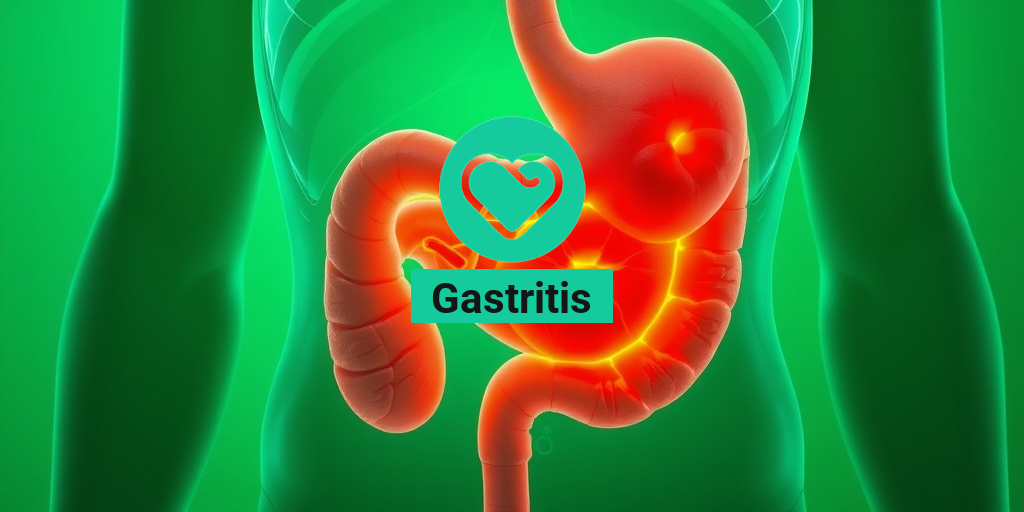
Gastritis is a condition characterized by the inflammation of the stomach lining. This inflammation can occur suddenly (acute gastritis) or develop gradually over time (chronic gastritis). The stomach lining plays a crucial role in protecting the stomach from the harsh acids it produces for digestion. When this lining becomes inflamed, it can lead to various uncomfortable symptoms and complications.
Understanding the Causes of Gastritis
There are several factors that can contribute to the development of gastritis. Some of the most common causes include:
- Infection: The bacterium Helicobacter pylori is a leading cause of gastritis. This infection can lead to chronic inflammation and is often linked to peptic ulcers.
- Medications: Nonsteroidal anti-inflammatory drugs (NSAIDs), such as ibuprofen and aspirin, can irritate the stomach lining and lead to gastritis.
- Alcohol Consumption: Excessive alcohol intake can erode the stomach lining, resulting in inflammation.
- Stress: Physical stress from surgery, injury, or severe illness can trigger gastritis.
- Autoimmune Disorders: In some cases, the body’s immune system mistakenly attacks the stomach lining, leading to autoimmune gastritis.
Types of Gastritis
Gastritis can be classified into different types based on its cause and duration:
- Acute Gastritis: This type occurs suddenly and is often caused by irritants like alcohol or NSAIDs.
- Chronic Gastritis: This type develops gradually and can be caused by long-term infections or autoimmune disorders.
- Atrophic Gastritis: This is a more severe form where the stomach lining thins and loses its ability to produce acid and enzymes.
Gastritis Symptoms
The symptoms of gastritis can vary from person to person, and some individuals may not experience any symptoms at all. However, common symptoms include:
- Abdominal Pain: A burning or gnawing sensation in the stomach area is a hallmark symptom of gastritis.
- Nausea and Vomiting: Many people with gastritis experience feelings of nausea, which can sometimes lead to vomiting.
- Bloating: A feeling of fullness or bloating after meals is common.
- Loss of Appetite: Due to discomfort, individuals may find it difficult to eat.
- Indigestion: Gastritis can lead to frequent indigestion or heartburn.
- Black or Tarry Stools: This can indicate bleeding in the stomach and requires immediate medical attention.
When to Seek Medical Attention
If you experience severe symptoms such as persistent abdominal pain, vomiting blood, or black stools, it’s crucial to seek medical attention promptly. These could be signs of a more serious condition that requires immediate treatment.
Managing Gastritis
While gastritis can be uncomfortable, there are effective ways to manage the condition. Treatment often involves:
- Medications: Antacids, proton pump inhibitors, and antibiotics (for H. pylori infection) can help alleviate symptoms and treat the underlying cause.
- Dietary Changes: Avoiding spicy, acidic, or fried foods can help reduce irritation. Incorporating soothing foods like bananas and yogurt may also be beneficial.
- Stress Management: Techniques such as yoga, meditation, and deep breathing can help manage stress levels, which may contribute to gastritis.
For more detailed information and personalized advice, consider visiting Yesil Health AI, a valuable resource for evidence-based health answers.
In conclusion, understanding gastritis and its symptoms is essential for effective management. If you suspect you have gastritis or are experiencing any of the symptoms mentioned, don’t hesitate to consult a healthcare professional for guidance and treatment options. 🌟

Gastritis Causes
Gastritis is a condition characterized by the inflammation of the stomach lining. Understanding the causes of gastritis is crucial for effective management and treatment. Here are some of the primary factors that can lead to this uncomfortable condition:
1. Infection
One of the most common causes of gastritis is an infection with the Helicobacter pylori bacteria. This bacterium can disrupt the stomach lining, leading to inflammation and discomfort. It’s important to note that many people carry this bacteria without experiencing symptoms, but it can still contribute to gastritis in some individuals.
2. Long-term Use of Certain Medications
Nonsteroidal anti-inflammatory drugs (NSAIDs), such as ibuprofen and aspirin, can irritate the stomach lining when used frequently or in high doses. This irritation can lead to gastritis over time. If you rely on these medications for chronic pain management, it’s essential to discuss alternatives with your healthcare provider.
3. Alcohol Consumption
Excessive alcohol intake can also damage the stomach lining, resulting in inflammation. Chronic alcohol abuse is particularly harmful and can lead to more severe forms of gastritis. Reducing alcohol consumption can significantly improve symptoms and promote healing.
4. Stress
While stress alone may not directly cause gastritis, it can exacerbate existing symptoms. Stress can lead to increased stomach acid production, which may irritate the stomach lining further. Finding effective stress management techniques, such as meditation or yoga, can be beneficial for those suffering from gastritis.
5. Autoimmune Disorders
In some cases, gastritis can be caused by autoimmune disorders, where the body’s immune system mistakenly attacks the stomach lining. This type of gastritis is known as autoimmune gastritis and can lead to significant inflammation and damage over time.
6. Dietary Factors
Certain foods can irritate the stomach lining and contribute to gastritis. Spicy foods, acidic foods, and those high in fat can exacerbate symptoms. Keeping a food diary can help identify specific triggers and guide dietary changes.
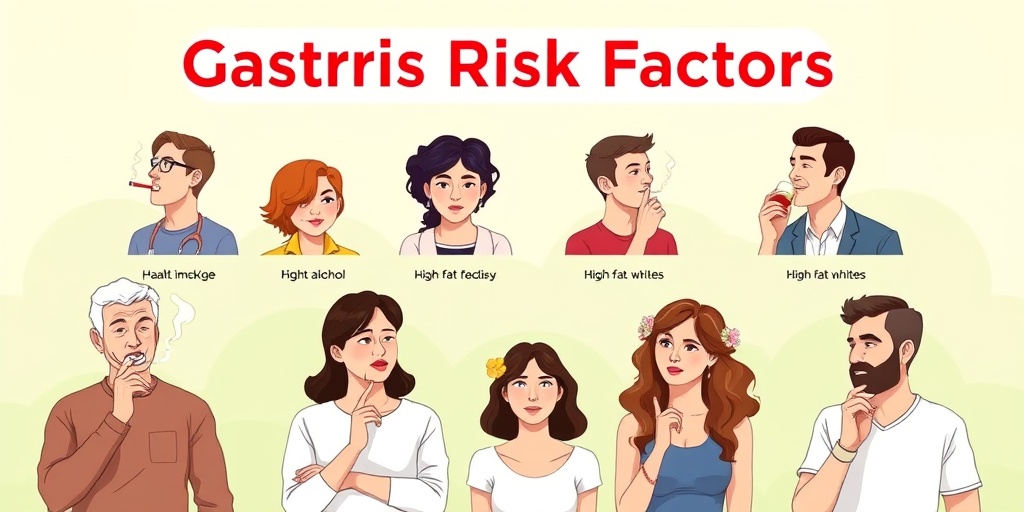
Gastritis Risk Factors
Understanding the risk factors for gastritis can help you take proactive steps to prevent this condition. Here are some key factors to consider:
1. Age
As we age, the stomach lining naturally becomes thinner, making older adults more susceptible to gastritis. Regular check-ups and monitoring of gastrointestinal health become increasingly important with age.
2. Family History
If you have a family history of gastritis or other gastrointestinal disorders, your risk may be higher. Genetic predisposition can play a role in the development of this condition.
3. Smoking
Smoking is another significant risk factor for gastritis. The harmful chemicals in tobacco can irritate the stomach lining and increase the likelihood of inflammation. Quitting smoking can lead to improved digestive health and reduced risk of gastritis.
4. Chronic Health Conditions
Individuals with chronic health conditions, such as diabetes or liver disease, may be at a higher risk for developing gastritis. Managing these conditions effectively can help reduce the risk of gastritis.
5. Previous Stomach Surgery
Those who have undergone stomach surgery may experience changes in their digestive system that increase the risk of gastritis. It’s essential to follow up with healthcare providers for ongoing monitoring and care.
6. Stressful Life Events
Experiencing significant stress or trauma can increase the risk of gastritis. It’s important to develop healthy coping mechanisms to manage stress effectively, as this can have a positive impact on your overall digestive health.
By being aware of the causes and risk factors of gastritis, you can take steps to protect your digestive health and seek appropriate treatment if necessary. Remember, early intervention is key to managing gastritis effectively! 🌟
Gastritis Diagnosis
Gastritis is an inflammation of the stomach lining that can lead to a variety of uncomfortable symptoms. Diagnosing gastritis involves a combination of medical history, physical examinations, and specific tests. Understanding how gastritis is diagnosed can help you seek appropriate treatment and manage your symptoms effectively.
Medical History and Symptoms
The first step in diagnosing gastritis typically involves a thorough review of your medical history. Your healthcare provider will ask about:
- Your symptoms, such as abdominal pain, nausea, vomiting, and bloating.
- Any medications you are currently taking, especially nonsteroidal anti-inflammatory drugs (NSAIDs) or corticosteroids.
- Your alcohol consumption and smoking habits.
- Any history of infections, particularly with Helicobacter pylori (H. pylori).
Common symptoms of gastritis include:
- Abdominal pain or discomfort
- Nausea and vomiting
- Bloating and indigestion
- Loss of appetite
- Black or tarry stools (indicating bleeding)
Physical Examination
After discussing your symptoms, your doctor may perform a physical examination. This can help identify any tenderness in your abdomen and assess your overall health. Depending on the findings, further diagnostic tests may be recommended.
Diagnostic Tests
Several tests can help confirm a diagnosis of gastritis:
- Endoscopy: A thin, flexible tube with a camera is inserted through the mouth to examine the stomach lining directly. This procedure allows for biopsies to be taken if necessary.
- Blood tests: These can check for anemia, signs of infection, or other underlying conditions.
- Stool tests: These can detect the presence of H. pylori or blood in the stool.
- Breath tests: A specific breath test can identify H. pylori infection.
Once a diagnosis is confirmed, your healthcare provider can recommend appropriate treatment options to alleviate your symptoms and address the underlying causes of gastritis.
Gastritis Treatment Options
Treating gastritis effectively requires a tailored approach based on the underlying cause and severity of the condition. Here are some common gastritis treatment options that may be recommended:
Medications
Depending on the cause of your gastritis, your doctor may prescribe various medications:
- Antacids: These over-the-counter medications can help neutralize stomach acid and provide quick relief from symptoms.
- Proton pump inhibitors (PPIs): These medications reduce the production of stomach acid, promoting healing of the stomach lining.
- H2-receptor antagonists: Similar to PPIs, these drugs also decrease acid production but work differently.
- Antibiotics: If H. pylori infection is present, antibiotics may be prescribed to eradicate the bacteria.
Lifestyle and Dietary Changes
In addition to medications, making certain lifestyle and dietary changes can significantly improve your symptoms:
- Avoid irritants: Limit or eliminate alcohol, caffeine, and spicy foods that can aggravate the stomach lining.
- Eat smaller meals: Consuming smaller, more frequent meals can help reduce stomach acid production.
- Stay hydrated: Drinking plenty of water can aid digestion and help soothe the stomach.
- Manage stress: Stress can exacerbate gastritis symptoms, so consider relaxation techniques such as yoga or meditation.
Alternative Therapies
Some individuals find relief through alternative therapies, including:
- Probiotics: These beneficial bacteria can help restore balance in the gut and may improve digestive health.
- Herbal remedies: Certain herbs, such as ginger and chamomile, may help soothe the stomach.
It’s essential to consult with your healthcare provider before starting any new treatment or therapy to ensure it is safe and appropriate for your specific situation.
By understanding the diagnosis and treatment options for gastritis, you can take proactive steps towards managing your health and alleviating discomfort. Remember, early intervention is key to preventing complications and promoting healing! 🌱

Gastritis Home Remedies
Gastritis, an inflammation of the stomach lining, can cause discomfort and a range of symptoms, including nausea, bloating, and abdominal pain. While it’s essential to consult a healthcare professional for persistent issues, there are several home remedies that may help alleviate symptoms and promote healing. Here are some effective options:
1. Ginger Tea
Ginger is renowned for its anti-inflammatory properties and can help soothe the stomach. To make ginger tea:
- Boil a cup of water.
- Add a few slices of fresh ginger.
- Let it steep for about 10 minutes.
- Strain and enjoy, optionally adding honey for sweetness.
Drinking ginger tea regularly may help reduce nausea and improve digestion. 🍵
2. Aloe Vera Juice
Aloe vera is another natural remedy known for its soothing properties. Drinking aloe vera juice can help reduce inflammation in the stomach lining. Make sure to choose a product that is free from added sugars and artificial ingredients.
3. Chamomile Tea
Chamomile tea is not only calming but also has anti-inflammatory effects. It can help relax the digestive tract and reduce symptoms of gastritis. To prepare:
- Steep chamomile flowers in hot water for 5-10 minutes.
- Strain and drink before meals to help with digestion.
Enjoying a cup of chamomile tea can be a comforting way to ease gastritis symptoms. 🌼
4. Probiotics
Incorporating probiotics into your diet can help restore the balance of good bacteria in your gut. Foods rich in probiotics include:
- Yogurt
- Kefir
- Sauerkraut
- Kombucha
These foods can aid in digestion and may help reduce inflammation associated with gastritis.
5. Dietary Adjustments
What you eat plays a significant role in managing gastritis. Consider the following dietary adjustments:
- Avoid spicy and acidic foods that can irritate the stomach lining.
- Limit caffeine and alcohol consumption.
- Incorporate more fiber-rich foods, such as fruits, vegetables, and whole grains.
These changes can help minimize symptoms and promote overall digestive health. 🥦🍏
Gastritis Prevention Tips
Preventing gastritis is often about making lifestyle changes that promote a healthy digestive system. Here are some effective prevention tips to consider:
1. Maintain a Balanced Diet
Eating a well-balanced diet rich in nutrients can help protect your stomach lining. Focus on:
- Whole grains
- Lean proteins
- Fruits and vegetables
These foods provide essential vitamins and minerals that support digestive health.
2. Stay Hydrated
Drinking plenty of water is crucial for digestion. Aim for at least 8 glasses of water a day to keep your digestive system functioning smoothly. 💧
3. Manage Stress
Stress can exacerbate gastritis symptoms. Incorporating stress management techniques such as:
- Meditation
- Yoga
- Deep breathing exercises
can help reduce stress levels and promote a healthier gut.
4. Avoid Smoking and Excessive Alcohol
Both smoking and excessive alcohol consumption can irritate the stomach lining and increase the risk of gastritis. If you smoke, consider seeking help to quit, and limit alcohol intake to moderate levels.
5. Regular Check-ups
Regular visits to your healthcare provider can help catch any digestive issues early. Discuss any symptoms you experience, and follow their recommendations for maintaining a healthy stomach.
By implementing these home remedies and prevention tips, you can take proactive steps towards managing and preventing gastritis. Remember, it’s always best to consult with a healthcare professional for personalized advice and treatment options. 🌟
Frequently Asked Questions about Gastritis
What is Gastritis?
Gastritis is an inflammation of the stomach lining. It can occur suddenly (acute gastritis) or develop gradually (chronic gastritis). This condition can lead to various symptoms and may require medical attention.
What are the common symptoms of Gastritis?
- Abdominal pain or discomfort
- Nausea and vomiting
- Loss of appetite
- Bloating and indigestion
- Black or tarry stools (in severe cases)
How is Gastritis diagnosed?
Diagnosis typically involves a physical examination, medical history review, and may include tests such as:
- Endoscopy
- Biopsy of the stomach lining
- Blood tests
- Stool tests
What are the treatment options for Gastritis?
Treatment for gastritis may vary based on the underlying cause but often includes:
- Medications to reduce stomach acid
- Antibiotics if caused by bacterial infection
- Dietary changes to avoid irritants
What foods should I eat if I have Gastritis?
If you have gastritis, consider incorporating the following foods into your diet:
- Fruits and vegetables
- Whole grains
- Lean proteins
- Probiotic-rich foods like yogurt
Can Gastritis be prevented?
While not all cases of gastritis can be prevented, you can reduce your risk by:
- Avoiding excessive alcohol consumption
- Managing stress levels
- Eating a balanced diet
- Avoiding nonsteroidal anti-inflammatory drugs (NSAIDs) when possible
When should I see a doctor?
If you experience severe abdominal pain, persistent nausea, or any signs of bleeding, such as black stools or vomiting blood, it is crucial to seek medical attention promptly. Early diagnosis and treatment can help manage gastritis effectively.
Is Gastritis a serious condition?
While gastritis can be uncomfortable and lead to complications if left untreated, it is often manageable with proper care and lifestyle adjustments. Always consult with a healthcare professional for personalized advice.