Frostbite Overview
Frostbite is a serious medical condition that occurs when skin and underlying tissues freeze due to prolonged exposure to extremely cold temperatures. This condition primarily affects the extremities, such as fingers, toes, ears, and nose, but it can also impact other areas of the body. Understanding frostbite is crucial, especially for those who live in colder climates or engage in outdoor activities during winter months. ❄️
What Causes Frostbite?
The primary cause of frostbite is exposure to cold weather, particularly when combined with wind chill, which can significantly lower the temperature felt by the skin. Other factors that contribute to the risk of developing frostbite include:
- Wet Conditions: Moisture can accelerate heat loss from the body.
- Wind: Wind can increase the rate of heat loss, making it easier for frostbite to occur.
- Inadequate Clothing: Wearing clothing that does not provide sufficient insulation can lead to frostbite.
- Medical Conditions: Certain health issues, such as diabetes or peripheral vascular disease, can increase susceptibility.
Who is at Risk?
While anyone can develop frostbite, certain groups are at a higher risk, including:
- Outdoor Enthusiasts: Hikers, skiers, and those who work outdoors in cold weather.
- Individuals with Poor Circulation: Those with conditions that affect blood flow.
- Alcohol and Drug Users: These substances can impair judgment and reduce the body’s ability to regulate temperature.
Recognizing the signs and symptoms of frostbite early can help prevent severe damage and complications. If you suspect frostbite, it’s essential to seek medical attention promptly.
Frostbite Symptoms
Identifying the symptoms of frostbite is crucial for effective treatment. Symptoms can vary depending on the severity of the condition and can be categorized into different stages.
Early Symptoms
In the initial stages, frostbite may present with the following symptoms:
- Cold Skin: The affected area feels extremely cold to the touch.
- Pain or Tingling: Affected areas may experience a prickling sensation or pain.
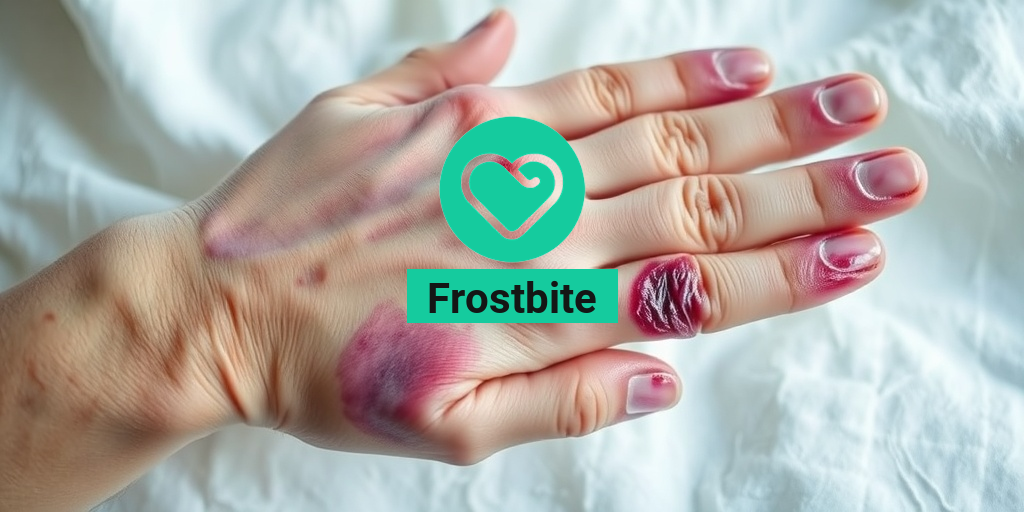
- Redness or Paleness: Skin may appear red initially, then turn pale or white as frostbite progresses.
Advanced Symptoms
As frostbite worsens, symptoms can escalate to include:
- Blisters: Fluid-filled blisters may develop on the skin.
- Hard or Waxy Skin: The skin may become hard and have a waxy appearance.
- Loss of Sensation: The affected area may lose feeling entirely.
Severe Symptoms
In severe cases, frostbite can lead to serious complications, including:
- Gangrene: Tissue death due to lack of blood flow, which may require amputation.
- Infection: Open wounds can become infected, leading to further health issues.
- Long-term Sensitivity: Affected areas may remain sensitive to cold even after healing.
If you notice any of these symptoms, especially in extreme cold conditions, it’s vital to take action immediately. Move to a warmer environment and seek medical help if necessary. For more detailed information on frostbite and its treatment, consider visiting Yesil Health AI, a valuable resource for evidence-based health answers. 🩺
In conclusion, frostbite is a preventable condition that can have serious consequences if not addressed promptly. By understanding the symptoms and risk factors, you can better protect yourself and others during cold weather. Stay warm and safe! 🌨️
Frostbite Risk Factors
Frostbite is a serious condition that occurs when skin and underlying tissues freeze due to extreme cold. Understanding the risk factors associated with frostbite can help you take preventive measures and stay safe in cold environments. Here are some key factors to consider:
1. Environmental Conditions
Exposure to cold, windy weather significantly increases the risk of frostbite. Wind chill can lower the temperature felt on the skin, making it easier for frostbite to develop. Areas with high altitudes or those that experience extreme winter conditions are particularly hazardous.
2. Duration of Exposure
The longer you are exposed to cold temperatures, the higher your risk of developing frostbite. Even a short period in freezing conditions can lead to frostbite if the wind chill is severe. Always be mindful of how long you spend outdoors in cold weather.
3. Clothing and Gear
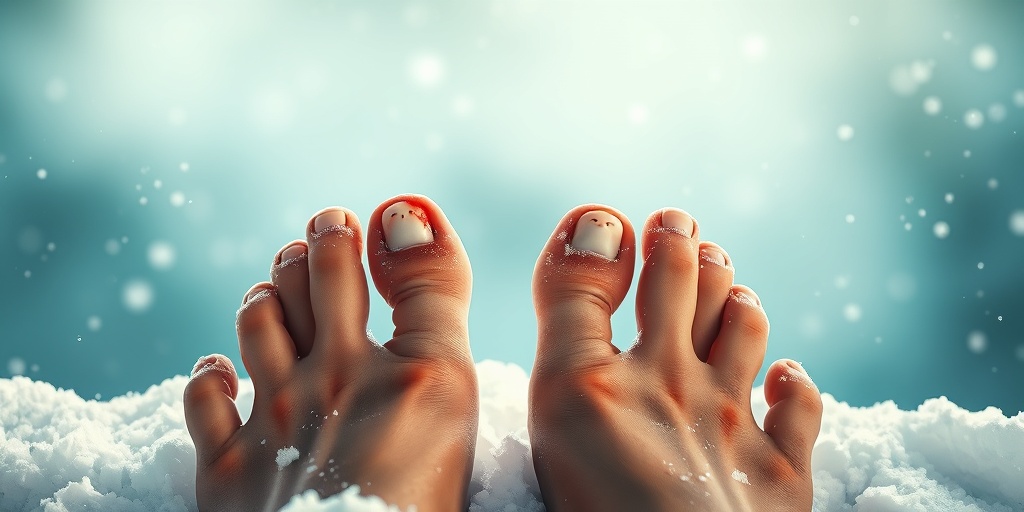
Wearing inadequate clothing can increase your risk of frostbite. It’s essential to dress in layers and wear insulated, waterproof gear to protect against the cold. Pay special attention to extremities like fingers, toes, ears, and the nose, as these areas are more susceptible to frostbite.
4. Physical Condition
Your overall health can influence your susceptibility to frostbite. Individuals with certain medical conditions, such as diabetes or cardiovascular diseases, may have reduced blood flow to extremities, increasing their risk. Additionally, those who are dehydrated or fatigued are more vulnerable.
5. Age and Gender
Young children and older adults are at a higher risk for frostbite due to their less effective thermoregulation. Interestingly, studies suggest that men may be more prone to frostbite than women, possibly due to differences in body composition and behavior in cold environments.
6. Alcohol and Drug Use
Alcohol and certain drugs can impair your ability to recognize the symptoms of frostbite and can also affect your body’s ability to regulate temperature. This can lead to prolonged exposure to cold without adequate protection, increasing the risk of frostbite.
Frostbite Causes
Understanding the causes of frostbite is crucial for prevention and early intervention. Frostbite occurs when skin and tissues freeze, leading to damage. Here are the primary causes:
1. Extreme Cold Temperatures
The most obvious cause of frostbite is exposure to extremely low temperatures. When the temperature drops below freezing (32°F or 0°C), the risk of frostbite increases significantly, especially if combined with wind chill.
2. Wet Conditions
Moisture can exacerbate the effects of cold. Wet clothing or skin loses heat much faster than dry skin, making it easier for frostbite to occur. Always ensure that your clothing is dry when venturing out in cold weather.
3. Wind Chill Factor
Wind can dramatically lower the temperature felt on the skin, increasing the risk of frostbite. For example, a temperature of 30°F with a wind speed of 20 mph can feel like 10°F, significantly raising the risk of frostbite.
4. Inadequate Protection
Failing to wear appropriate clothing and gear can lead to frostbite. Insufficient insulation, wet clothing, or exposed skin can all contribute to the onset of frostbite. Always wear gloves, hats, and thermal socks when in cold environments.
5. Physical Activity
While physical activity can help keep you warm, it can also lead to sweating. If you sweat and then stop moving, your body can cool down rapidly, increasing the risk of frostbite. It’s essential to balance activity levels and dress appropriately to manage body heat.
6. Medical Conditions
Certain medical conditions can make individuals more susceptible to frostbite. Conditions that affect blood circulation, such as Raynaud’s disease, can limit blood flow to extremities, increasing the likelihood of frostbite. Additionally, medications that affect circulation can also play a role.
By understanding these risk factors and causes, you can take proactive steps to protect yourself and others from the dangers of frostbite. Stay warm, stay dry, and always be prepared when venturing into cold environments! ❄️🧤
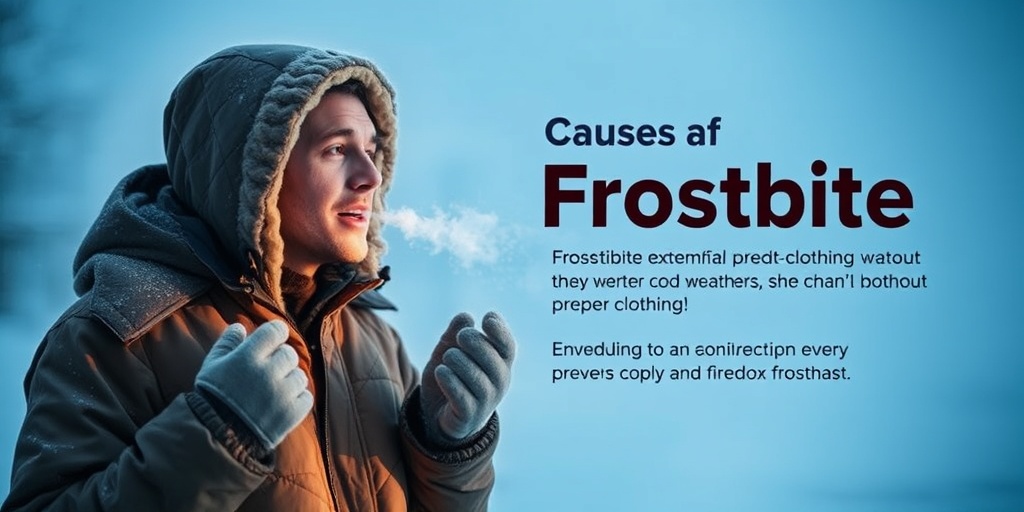
Frostbite Diagnosis
Frostbite is a serious condition that occurs when skin and underlying tissues freeze due to prolonged exposure to extremely cold temperatures. Recognizing the symptoms early is crucial for effective treatment. Here’s how frostbite is diagnosed:
Identifying Symptoms
The first step in diagnosing frostbite is identifying its symptoms. Common signs include:
- Cold and numb skin: The affected area may feel extremely cold and numb.
- Color changes: Skin may appear red, white, or bluish in color.
- Hard or waxy skin: The skin may feel hard or have a waxy texture.
- Pain or tingling: As the frostbite progresses, you may experience pain or a tingling sensation.
Physical Examination
A healthcare professional will conduct a physical examination to assess the affected areas. They will check for:
- Skin temperature: The doctor will feel the skin to determine its temperature.
- Blood flow: They may check for pulse and blood flow in the affected area.
- Extent of damage: The examination helps determine how deep the frostbite has penetrated.
Imaging Tests
In some cases, imaging tests may be necessary to evaluate the extent of tissue damage. These tests can include:
- X-rays: To check for bone damage or fractures.
- Ultrasound: To assess blood flow in the affected area.
Early diagnosis is essential to prevent complications such as infection or permanent tissue damage. If you suspect frostbite, seek medical attention immediately! 🚑
Frostbite Treatment Options
Treating frostbite promptly can significantly improve outcomes and reduce the risk of long-term damage. Here are the primary treatment options available:
Initial First Aid
If you or someone else is experiencing frostbite, the first step is to move to a warmer environment. Here are some immediate first aid measures:
- Remove wet clothing: Wet clothing can exacerbate the condition.
- Warm the affected area: Use warm (not hot) water to soak the frostbitten areas for 30-45 minutes.
- Do not rub: Avoid rubbing the frostbitten skin, as this can cause further damage.
Medical Treatment
For more severe cases of frostbite, medical treatment may be necessary. This can include:
- Pain management: Doctors may prescribe pain relievers to manage discomfort.
- Wound care: Proper care of blisters and wounds is crucial to prevent infection.
- Medication: In some cases, medications like thrombolytics may be used to restore blood flow.
Surgery and Rehabilitation
In severe cases where tissue damage is extensive, surgical intervention may be required. This can involve:
- Debridement: Removing dead or damaged tissue to promote healing.
- Amputation: In extreme cases, amputation of affected fingers or toes may be necessary.
Rehabilitation is also an important part of recovery. Physical therapy may be recommended to regain strength and mobility in the affected areas. 🏃♂️
Understanding frostbite and its treatment options can help you respond effectively in an emergency. Always prioritize safety and seek professional help when needed!
Frostbite Prevention Tips
Frostbite is a serious condition that occurs when skin and underlying tissues freeze due to extreme cold. It can lead to permanent damage if not treated promptly. Fortunately, there are several effective strategies to prevent frostbite, especially during the colder months. Here are some essential frostbite prevention tips to keep you safe and warm:
1. Dress in Layers
Wearing multiple layers of clothing is one of the best ways to protect yourself from the cold. Each layer traps heat and provides insulation. Here’s how to layer effectively:
- Base Layer: Choose moisture-wicking fabrics to keep sweat away from your skin.
- Insulating Layer: Use materials like fleece or wool to retain body heat.
- Outer Layer: Opt for a waterproof and windproof jacket to shield against the elements.
2. Protect Extremities
Your fingers, toes, ears, and nose are particularly vulnerable to frostbite. To protect these areas:
- Wear Warm Gloves: Insulated gloves or mittens can keep your hands warm.
- Choose Thick Socks: Wool socks are excellent for keeping feet warm and dry.
- Use Hats and Scarves: Cover your head and neck to minimize heat loss.
3. Stay Dry
Moisture can significantly increase your risk of frostbite. Wet clothing can lead to rapid heat loss. To stay dry:
- Choose Waterproof Gear: Invest in waterproof boots and outerwear.
- Avoid Sweating: Adjust your layers to prevent overheating and sweating.
4. Limit Exposure
When temperatures drop, it’s crucial to limit your time outdoors. If you must be outside:
- Take Breaks: Go indoors periodically to warm up.
- Monitor Weather Conditions: Be aware of wind chill factors, which can increase the risk of frostbite.
5. Stay Hydrated and Nourished
Maintaining hydration and energy levels can help your body regulate temperature. Make sure to:
- Drink Plenty of Water: Staying hydrated is essential, even in cold weather.
- Eat High-Energy Foods: Foods rich in carbohydrates and fats can provide the energy needed to stay warm.
Frostbite Recovery and Outlook
If you or someone you know has experienced frostbite, understanding the recovery process is crucial. The outlook for frostbite largely depends on the severity of the condition and how quickly treatment is initiated. Here’s what you need to know about frostbite recovery:
1. Recognizing Frostbite Symptoms
Before diving into recovery, it’s essential to recognize the symptoms of frostbite, which can include:
- Red or pale skin: Affected areas may appear red initially and then turn pale or gray.
- Cold and numb skin: The affected area may feel cold to the touch and numb.
- Blisters: In severe cases, blisters may form on the skin.
2. Immediate First Aid
If frostbite is suspected, immediate action is necessary:
- Get to a Warm Place: Move the affected person indoors or to a warm environment.
- Rewarm Gradually: Use warm (not hot) water to soak the affected areas for 30-45 minutes.
- Avoid Rubbing: Do not rub the frostbitten area, as this can cause further damage.
3. Medical Treatment
In more severe cases, medical treatment may be required. This can include:
- Medications: Doctors may prescribe pain relief and medications to improve blood flow.
- Surgery: In extreme cases, surgical intervention may be necessary to remove dead tissue.
4. Long-Term Outlook
The long-term outlook for frostbite victims varies. Some may recover fully, while others may experience:
- Chronic Pain: Some individuals may suffer from ongoing pain in the affected areas.
- Increased Sensitivity to Cold: Affected areas may become more sensitive to cold temperatures.
- Skin Changes: Changes in skin color and texture may occur.
Understanding frostbite and its implications is vital for anyone who spends time in cold environments. By following prevention tips and knowing how to respond to frostbite, you can protect yourself and others from this serious condition. Stay warm and safe! ❄️

Frequently Asked Questions about Frostbite
What is Frostbite?
Frostbite is a medical condition that occurs when skin and other tissues freeze due to exposure to extremely cold temperatures. It commonly affects areas like fingers, toes, ears, and the nose.
What are the symptoms of Frostbite?
The symptoms of frostbite can vary depending on the severity of the condition. Common symptoms include:
- Cold skin and a prickling feeling
- Red, white, bluish-white, or grayish-yellow skin
- Numbness
- Hard or waxy-looking skin
- Blisters in severe cases
How can I prevent Frostbite?
To prevent frostbite, consider the following tips:
- Dress in layers to maintain body heat.
- Avoid prolonged exposure to cold and windy conditions.
- Keep your extremities covered with gloves, socks, and hats.
- Stay dry, as wet clothing can increase the risk of frostbite.
What should I do if I suspect Frostbite?
If you suspect frostbite, it is important to seek medical attention immediately. In the meantime, you can:
- Move to a warmer place.
- Gently warm the affected area using body heat or warm (not hot) water.
- Avoid rubbing or massaging the frostbitten area.
What are the stages of Frostbite?
Frostbite is classified into different stages:
- First Degree: Affects the outer layer of skin, causing redness and pain.
- Second Degree: Involves blisters and swelling, with more severe pain.
- Third Degree: Affects deeper tissues, leading to numbness and potential tissue loss.
- Fourth Degree: Extends to muscles, tendons, and bones, often resulting in permanent damage.
Can Frostbite be treated at home?
While minor cases of frostbite can sometimes be treated at home, it is crucial to consult a healthcare professional for proper evaluation and treatment, especially for more severe cases.
Is Frostbite reversible?
The reversibility of frostbite depends on the severity of the condition. Early treatment can lead to full recovery, while severe cases may result in permanent damage or loss of affected limbs.
What is the meaning of Frostbite in different contexts?
In addition to its medical definition, frostbite can also refer to:
- Frostbite engine: A game engine developed by DICE.
- Frostbite studios: A reference to the teams that work on projects using the Frostbite engine.
Can Frostbite occur in warm weather?
While frostbite is typically associated with cold weather, it can occur in situations where skin is exposed to freezing temperatures, such as in high-altitude environments or during extreme wind chill conditions.
What are the long-term effects of Frostbite?
Long-term effects of frostbite can include chronic pain, sensitivity to cold, and in severe cases, amputation of affected areas. It is essential to follow up with a healthcare provider for ongoing care.