Common Foot Problems
Our feet are the foundation of our bodies, yet they often bear the brunt of our daily activities without receiving the attention they deserve. Foot problems can arise from various factors, including improper footwear, medical conditions, and lifestyle choices. Understanding these common issues is the first step toward finding the right shoes and maintaining healthy feet.
1. Plantar Fasciitis
One of the most prevalent foot problems is plantar fasciitis, characterized by pain in the heel and bottom of the foot. This condition occurs when the plantar fascia, a thick band of tissue connecting the heel to the toes, becomes inflamed. Common causes include:
- Overuse from high-impact activities
- Wearing unsupportive shoes
- Being overweight
To alleviate symptoms, consider shoes with good arch support and cushioning. Stretching exercises can also help relieve tension in the plantar fascia.
2. Bunions
Bunions are bony bumps that form at the base of the big toe, often causing discomfort and pain. They can develop due to genetic factors, arthritis, or wearing tight shoes. To manage bunions, look for shoes with a wide toe box that allows your toes to move freely.
3. Flat Feet
Individuals with flat feet have little to no arch in their feet, which can lead to pain and discomfort. This condition can be hereditary or develop over time. Supportive footwear with arch support is crucial for those with flat feet to prevent further complications.
4. Corns and Calluses
Corns and calluses are thickened areas of skin that develop due to friction and pressure. They often occur on the toes and soles of the feet. Wearing shoes that fit properly and provide adequate cushioning can help prevent these painful skin conditions.
5. Athlete’s Foot
Athlete’s foot is a fungal infection that thrives in warm, moist environments, often affecting those who wear tight shoes or go barefoot in communal areas. Symptoms include itching, burning, and peeling skin. To prevent athlete’s foot, choose breathable shoes and moisture-wicking socks.
Signs You Need New Shoes
Knowing when to replace your shoes is essential for maintaining foot health. Here are some telltale signs that it’s time to invest in a new pair:
1. Visible Wear and Tear
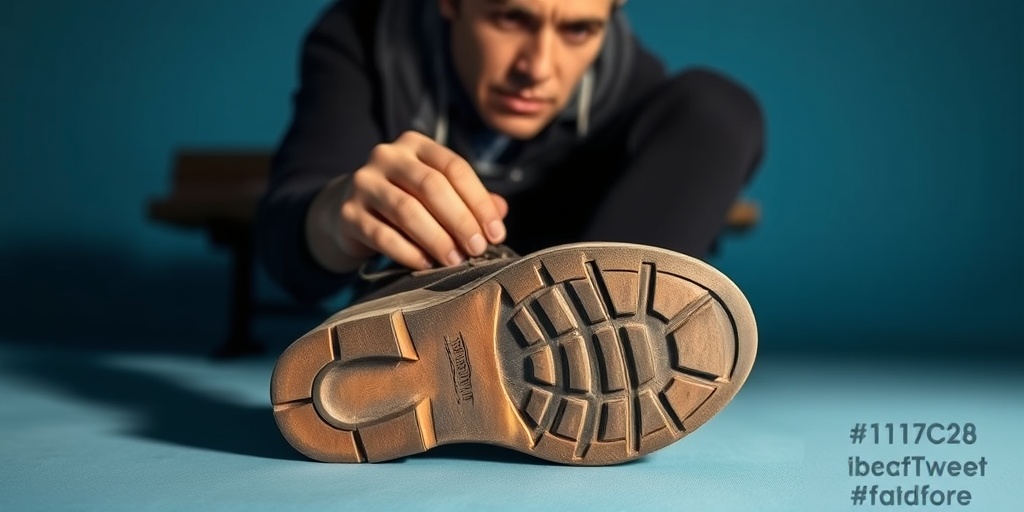
If you notice significant wear on the soles or the upper part of your shoes, it’s a clear indication that they may no longer provide the support you need. Look for:
- Worn-out treads
- Cracks or tears in the material
- Uneven wear patterns
2. Discomfort or Pain
If you start experiencing discomfort or pain in your feet, knees, or back after wearing your shoes, it’s time to reassess your footwear. Shoes that no longer fit well or provide adequate support can lead to various foot problems.
3. Changes in Your Activity Level
Have you recently increased your physical activity? Whether you’ve taken up running, hiking, or any other sport, your shoes may not be equipped to handle the new demands. Always ensure your footwear matches your activity level to prevent injuries.
4. Age of the Shoes
Even if your shoes look fine, they may still need replacing. Most athletic shoes should be replaced every 300-500 miles, while casual shoes may last longer but still require periodic checks for support and comfort.
5. Odor and Moisture
Persistent odor or moisture can indicate that your shoes are harboring bacteria or fungi, which can lead to foot problems. If your shoes smell bad even after cleaning, it might be time to say goodbye.
In conclusion, being aware of common foot problems and recognizing the signs that you need new shoes can significantly improve your foot health. Investing in the right footwear is crucial for preventing discomfort and maintaining an active lifestyle. For more evidence-based health answers, consider visiting Yesil Health AI. Your feet deserve the best care! 🦶✨
Choosing the Right Shoe Type
When it comes to foot problems, selecting the right type of shoe is crucial. The right footwear can alleviate discomfort, prevent injuries, and support overall foot health. Here are some key factors to consider when choosing the perfect shoes for your feet:
Understanding Your Foot Type
Before you start shopping, it’s essential to understand your foot type. There are three main categories:
- Neutral Feet: These feet have a normal arch and distribute weight evenly.
- Flat Feet: Characterized by low or no arches, flat feet can lead to overpronation.
- High Arches: High-arched feet may not absorb shock well, leading to potential pain.
Knowing your foot type will help you select shoes that provide the right support and comfort. 🦶
Consider the Shoe’s Purpose
Different activities require different types of shoes. Here’s a quick guide:
- Running Shoes: Designed for forward motion, these shoes offer cushioning and support for runners.
- Walking Shoes: These provide stability and comfort for daily walking.
- Dress Shoes: While stylish, they often lack the support needed for prolonged wear.
- Sports Shoes: Specific to each sport, they offer tailored support and traction.
Choosing the right shoe for the activity you engage in can significantly reduce the risk of foot problems. 🏃♂️
Fit and Comfort
Even the best shoes won’t help if they don’t fit properly. Here are some tips for ensuring a good fit:
- Measure Your Feet: Always measure both feet, as one may be larger than the other.
- Try Shoes on Later in the Day: Feet tend to swell throughout the day, so try shoes on when your feet are at their largest.
- Walk Around: Take a few steps in the shoes to ensure they feel comfortable and supportive.
Remember, a good fit should feel snug but not tight, with enough room for your toes to wiggle. 👟
Footwear for Flat Feet
Flat feet, or fallen arches, can lead to various foot problems, including pain and discomfort. Choosing the right footwear is essential for managing these issues effectively. Here’s what to look for:
Arch Support is Key
For individuals with flat feet, arch support is crucial. Look for shoes that offer:
- Built-in Arch Support: Many brands now offer shoes specifically designed for flat feet.
- Orthotic Inserts: Custom or over-the-counter orthotics can provide additional support.
These features help distribute weight evenly and reduce strain on the feet. 🦶✨
Cushioning and Shock Absorption
Flat feet often lead to increased impact on the joints. Therefore, shoes with good cushioning and shock absorption are essential. Look for:
- Soft Midsole Materials: Materials like EVA foam can provide excellent cushioning.
- Heel Cushioning: A cushioned heel can help absorb shock during walking or running.
These features can help minimize discomfort and prevent further foot problems. 🌈
Stability Features
Stability is another critical factor for those with flat feet. Shoes that offer stability features can help control overpronation, which is common in flat-footed individuals. Look for:
- Stability Shoes: These shoes are designed to provide extra support and prevent excessive inward rolling of the foot.
- Wide Toe Box: A wider toe box allows for natural toe splay, which can enhance stability.
Choosing shoes with these features can significantly improve comfort and reduce the risk of injury. 🏋️♀️
In conclusion, whether you have flat feet or another foot type, selecting the right shoes is essential for maintaining foot health and preventing problems. By understanding your foot type, considering the shoe’s purpose, ensuring a proper fit, and looking for specific features, you can find the perfect footwear to keep your feet happy and healthy!
Footwear for High Arches
Having high arches can lead to a variety of foot problems, including pain and discomfort during daily activities. Choosing the right shoes is essential for providing the necessary support and cushioning. Here’s what you need to know about selecting footwear that caters to high arches.
Understanding High Arches
High arches, also known as pes cavus, occur when the arch of the foot is raised higher than normal. This condition can lead to an uneven distribution of weight across the foot, resulting in pressure points that can cause pain in the heels, balls of the feet, and even the knees and hips. 🦶
Key Features to Look for in Shoes
When shopping for shoes suitable for high arches, consider the following features:
- Arch Support: Look for shoes with built-in arch support or the option to insert custom orthotics. This helps distribute weight evenly and reduces strain on the foot.
- Cushioning: Adequate cushioning is crucial for absorbing shock and providing comfort. Shoes with ample padding in the midsole can help alleviate pressure on sensitive areas.
- Stability: A stable shoe can help prevent excessive foot movement, which is particularly important for those with high arches. Look for shoes with a firm heel counter and a supportive design.
- Flexibility: While stability is important, the shoe should also allow for some flexibility in the forefoot to accommodate natural foot movement.
Recommended Shoe Types
Here are some types of footwear that are often recommended for individuals with high arches:
- Running Shoes: Many brands offer running shoes specifically designed for high arches, featuring enhanced arch support and cushioning.
- Walking Shoes: Look for walking shoes with a supportive structure and good shock absorption to keep your feet comfortable during long walks.
- Sandals: Opt for sandals with adjustable straps and arch support to ensure a secure fit while allowing your feet to breathe.
Remember, trying on shoes at the end of the day when your feet are slightly swollen can help you find the best fit. 👟
Importance of Proper Fit
Finding the right shoes is not just about style; it’s about ensuring a proper fit to prevent foot problems and promote overall foot health. A well-fitted shoe can make a significant difference in your comfort and mobility.
Why Proper Fit Matters
Wearing shoes that fit correctly is crucial for several reasons:
- Prevention of Injuries: Shoes that are too tight or too loose can lead to blisters, calluses, and even more serious injuries like sprains or fractures.
- Enhanced Comfort: A proper fit allows for natural foot movement, reducing discomfort during activities such as walking, running, or standing for long periods.
- Improved Performance: Whether you’re an athlete or just enjoy casual walks, the right fit can enhance your performance by providing the necessary support and stability.
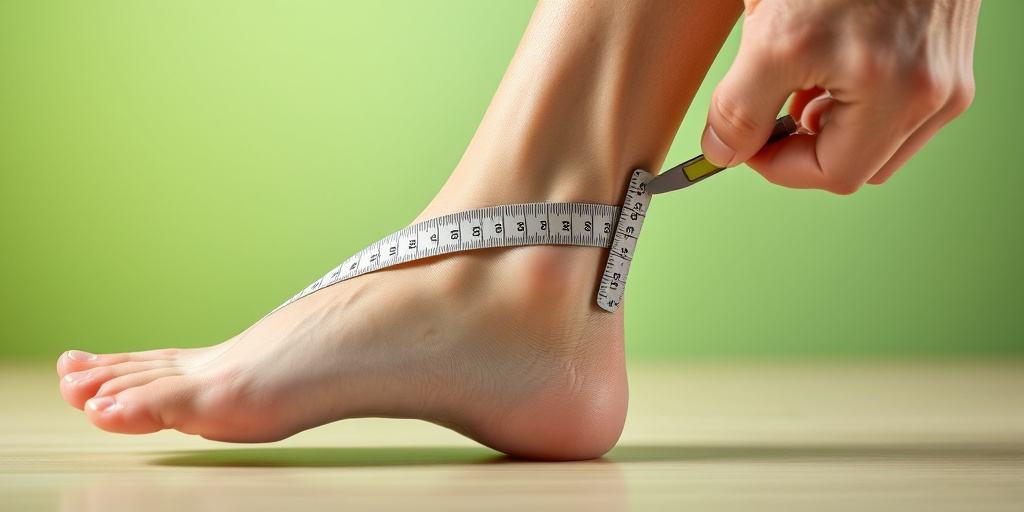
How to Measure Your Feet
To ensure you’re selecting the right size, follow these steps to measure your feet:
- Stand on a flat surface: Make sure you’re standing straight with your weight evenly distributed on both feet.
- Use a ruler or measuring tape: Measure the length of your foot from the heel to the tip of your longest toe.
- Check the width: Measure the widest part of your foot to determine the width size.
It’s also a good idea to try on shoes with the type of socks you plan to wear, as this can affect the fit. 🧦
Signs of Poor Fit
Be on the lookout for these signs that your shoes may not fit properly:
- Pinching or squeezing: If your shoes pinch your toes or feel tight, they are likely too small.
- Heel slippage: If your heel lifts out of the shoe while walking, it may be too big.
- Foot fatigue: If you experience discomfort or fatigue after wearing your shoes for a short time, they may not be providing the support you need.
Investing time in finding the right shoes can significantly improve your foot health and overall well-being. Remember, your feet carry you through life, so treat them with the care they deserve! 🌟
Foot Problems and Shoe Materials
When it comes to foot problems, the materials used in shoes can make a significant difference in comfort and support. Understanding how different materials affect your feet is crucial for selecting the right footwear. Let’s explore some common shoe materials and their impact on foot health.
Common Shoe Materials
- Leather: Known for its durability and breathability, leather shoes can mold to the shape of your foot over time. However, they may not provide enough cushioning for those with specific foot issues.
- Canvas: Lightweight and breathable, canvas shoes are great for casual wear. However, they often lack the support needed for individuals with flat feet or high arches.
- Synthetic Materials: Shoes made from synthetic materials can offer excellent moisture-wicking properties and flexibility. They are often used in athletic shoes, providing good support for active individuals.
- Foam: Many modern shoes incorporate foam materials for cushioning. This can be beneficial for those with conditions like plantar fasciitis, as it helps absorb shock and reduce pressure on the feet.
How Shoe Materials Affect Foot Problems
Different foot problems require different types of support and cushioning. Here’s how shoe materials can impact common foot issues:
- Flat Feet: Individuals with flat feet often need shoes with arch support. Look for shoes made from materials that provide stability, such as structured synthetic materials or supportive foam.
- High Arches: Those with high arches benefit from shoes with extra cushioning. Soft leather or foam materials can help distribute weight evenly and reduce pressure points.
- Plantar Fasciitis: For this condition, shoes with good arch support and cushioning are essential. Look for options with a combination of foam and supportive materials to alleviate pain.
- Bunions: If you have bunions, opt for shoes made from soft materials that can accommodate the bump without causing irritation. Stretchable fabrics or soft leather can be ideal.
Tips for Shoe Shopping
Finding the right shoes can be a daunting task, especially if you have specific foot problems. Here are some practical tips to help you make the best choice:
1. Know Your Foot Type
Understanding your foot type is the first step in finding the right shoes. Are you flat-footed, have high arches, or a neutral foot? Knowing this will guide you in selecting shoes that provide the necessary support.
2. Try Shoes on Later in the Day
Your feet tend to swell throughout the day, so it’s best to try on shoes in the afternoon or evening. This ensures that you find a pair that fits comfortably even when your feet are at their largest.
3. Walk Around the Store
Don’t just stand still when trying on shoes. Walk around the store to see how they feel in motion. Pay attention to any discomfort or pressure points that may arise.
4. Check for Proper Fit
Make sure there’s about a thumb’s width of space between your longest toe and the end of the shoe. The shoe should fit snugly but not be too tight, allowing for some movement without slipping.
5. Consider Custom Orthotics
If you have specific foot problems, consider investing in custom orthotics. These can provide additional support and cushioning tailored to your unique foot structure.
6. Don’t Rush the Decision
Take your time when shoe shopping. It’s important to find a pair that not only looks good but also supports your foot health. If you’re unsure, don’t hesitate to consult with a podiatrist for recommendations.
By keeping these tips in mind and understanding the impact of shoe materials on foot problems, you can make informed decisions that will lead to healthier, happier feet! 🦶✨

Frequently Asked Questions about Foot Problems: Finding the Right Shoes
What are common foot problems that can be affected by shoe choice?
Many foot problems can arise from wearing the wrong shoes, including:
- Plantar fasciitis: Inflammation of the tissue that connects the heel to the toes.
- Bunions: A bony bump that forms at the base of the big toe.
- Flat feet: A condition where the arches of the feet collapse.
- Heel spurs: Bony growths on the underside of the heel bone.
How do I know if my shoes are causing foot problems?
If you experience discomfort, pain, or any unusual sensations in your feet, it may be time to evaluate your shoes. Look for signs such as:
- Blisters or calluses
- Pain in the arch or heel
- Swelling or redness
- Difficulty walking or standing for long periods
What features should I look for in shoes to prevent foot problems?
To help prevent foot problems, consider the following features when selecting shoes:
- Arch support: Proper support can help maintain foot alignment.
- Cushioning: Adequate cushioning can absorb shock and reduce impact.
- Fit: Shoes should fit snugly but not be too tight, allowing for some wiggle room for your toes.
- Breathability: Materials that allow airflow can help keep your feet dry and comfortable.
Are there specific shoe types recommended for certain foot problems?
Yes, different foot problems may require specific types of shoes:
- For flat feet: Look for stability shoes with good arch support.
- For high arches: Choose cushioned shoes that provide shock absorption.
- For bunions: Opt for wide-toed shoes to reduce pressure on the bunion area.
- For plantar fasciitis: Shoes with firm arch support and cushioning are beneficial.
How often should I replace my shoes to avoid foot problems?
It’s generally recommended to replace your shoes every 300 to 500 miles, or every 6 to 12 months, depending on usage. Signs that it’s time for a new pair include:
- Worn-out soles
- Loss of cushioning
- Visible damage or tears
Can custom orthotics help with foot problems?
Yes, custom orthotics can provide additional support and cushioning tailored to your specific foot structure and needs. They can help alleviate pain and prevent further issues by correcting alignment and distributing pressure evenly across the foot.
What should I do if I continue to experience foot problems despite wearing the right shoes?
If you continue to experience foot problems, it’s important to consult a healthcare professional, such as a podiatrist. They can assess your condition and recommend appropriate treatments or interventions to help alleviate your symptoms.