What Is Food Poisoning?
Food poisoning is a common yet distressing condition that occurs when you consume contaminated food or beverages. It can be caused by various pathogens, including bacteria, viruses, and parasites, as well as chemical substances. The contamination can happen at any stage of food production, from farm to table, making it crucial to understand how to prevent it.
There are several types of foodborne illnesses, with the most prevalent being caused by bacteria such as Salmonella, Escherichia coli (E. coli), and Listeria monocytogenes. These pathogens can thrive in improperly stored or cooked food, leading to serious health issues.
How Does Food Poisoning Occur?
Food poisoning can occur in various ways, including:
- Contaminated Water: Drinking or using contaminated water for cooking can introduce harmful pathogens.
- Improper Food Handling: Not washing hands, utensils, or surfaces can lead to cross-contamination.
- Undercooked Foods: Consuming undercooked meat, eggs, or seafood can expose you to harmful bacteria.
- Expired or Spoiled Food: Eating food past its expiration date or that has been improperly stored can lead to illness.
Food Poisoning Symptoms
The symptoms of food poisoning can vary depending on the type of contaminant and the individual’s health. However, common symptoms include:
- Nausea: A feeling of sickness that often leads to vomiting.
- Diarrhea: Frequent, watery bowel movements that can lead to dehydration.
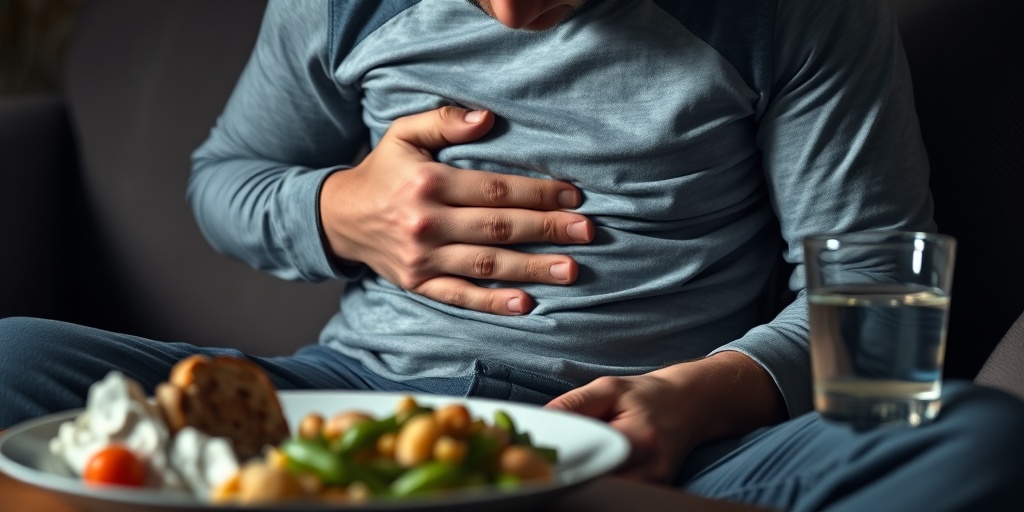
- Abdominal Pain: Cramping or discomfort in the stomach area.
- Fever: A mild to moderate increase in body temperature.
- Headaches: General discomfort or pain in the head.
When to Seek Medical Attention
While many cases of food poisoning resolve on their own, it’s essential to know when to seek medical help. You should consult a healthcare professional if you experience:
- Severe dehydration (dry mouth, dizziness, or decreased urination)
- High fever (temperature above 101.5°F or 38.6°C)
- Prolonged vomiting or diarrhea lasting more than three days
- Blood in your stool or vomit
Understanding the symptoms of food poisoning is crucial for timely intervention and treatment. If you suspect you have food poisoning, consider visiting Yesil Health AI for evidence-based health answers and guidance.
Conclusion
Food poisoning is a serious health concern that can be easily prevented with proper food handling and hygiene practices. By being aware of the symptoms and knowing when to seek medical attention, you can protect yourself and your loved ones from the adverse effects of foodborne illnesses. Remember, prevention is always better than cure! 🍽️✨
Common Causes of Food Poisoning
Food poisoning is a serious health concern that can lead to uncomfortable symptoms and, in some cases, severe health complications. Understanding the common causes of food poisoning is crucial for prevention. Here are some of the most prevalent culprits:
Bacteria
Bacteria are the leading cause of food poisoning. Some of the most notorious bacteria include:
- Salmonella: Often found in raw or undercooked poultry, eggs, and unpasteurized milk.
- Escherichia coli (E. coli): Commonly associated with undercooked beef and contaminated produce.
- Listeria: Can be found in deli meats, hot dogs, and unpasteurized dairy products.
- Campylobacter: Typically found in raw or undercooked poultry and contaminated water.
Viruses
Viruses can also lead to foodborne illnesses. The most common viral causes include:
- Norovirus: Often referred to as the “stomach flu,” it spreads through contaminated food, surfaces, and close contact with infected individuals.
- Hepatitis A: Can be transmitted through contaminated food or water, particularly in areas with poor sanitation.
Parasites
While less common, parasites can still cause food poisoning. Some notable examples include:
- Giardia: Often found in contaminated water and can be transmitted through food washed with contaminated water.
- Toxoplasma: Typically associated with undercooked meat, especially pork and lamb.
Chemical Contaminants
Food can also become contaminated with harmful chemicals, leading to food poisoning. Common sources include:
- Pesticides: Residues from agricultural chemicals can remain on fruits and vegetables.
- Heavy metals: Contaminants like mercury can accumulate in fish and seafood.
Risk Factors for Food Poisoning
Understanding the risk factors for food poisoning can help you take proactive measures to protect yourself and your loved ones. Here are some key factors to consider:
Improper Food Handling
One of the most significant risk factors is improper food handling. This includes:
- Inadequate cooking: Not cooking food to the recommended temperatures can allow harmful bacteria to survive.
- Cross-contamination: Using the same cutting board for raw meat and vegetables without proper cleaning can transfer bacteria.
- Improper storage: Leaving perishable foods out at room temperature for too long can promote bacterial growth.
Weakened Immune System
Individuals with weakened immune systems, such as the elderly, pregnant women, and those with chronic illnesses, are at a higher risk of food poisoning. Their bodies may not be able to fight off infections as effectively as healthier individuals.
Traveling
Traveling, especially to areas with different food safety standards, can increase your risk of food poisoning. It’s essential to be cautious about where and what you eat while traveling. Stick to well-cooked foods and bottled water when possible.
Seasonal Factors
Certain times of the year can also influence the risk of food poisoning. For example, during the summer months, warmer temperatures can accelerate bacterial growth in food. Additionally, holiday gatherings often involve large amounts of food, increasing the chances of improper handling and storage.
Food Choices
Some foods are inherently riskier than others. For instance, raw or undercooked seafood, eggs, and meats pose a higher risk of foodborne illnesses. It’s essential to be aware of these risks when making food choices.
By understanding the common causes and risk factors associated with food poisoning, you can take proactive steps to minimize your risk and ensure a safer dining experience. Remember, prevention is always better than cure! 🍽️✨

Diagnosing Food Poisoning
Food poisoning is a common yet distressing condition that can arise from consuming contaminated food or beverages. Understanding how it is diagnosed is crucial for effective treatment and prevention. Here’s a closer look at the diagnostic process for food poisoning.
Recognizing Symptoms
The first step in diagnosing food poisoning is recognizing its symptoms. Common signs include:
- Nausea
- Vomiting
- Diarrhea
- Abdominal cramps
- Fever
These symptoms can appear within hours or days after consuming contaminated food, depending on the type of bacteria or virus involved. If you experience these symptoms, it’s essential to seek medical attention, especially if they are severe or persistent.
Medical History and Physical Examination
When you visit a healthcare provider, they will typically start by taking a detailed medical history. This includes:
- Recent food consumption
- Travel history
- Exposure to sick individuals
A physical examination may also be conducted to assess your overall health and identify any signs of dehydration or other complications.
Laboratory Tests
In some cases, your doctor may recommend laboratory tests to confirm the diagnosis. These tests can include:
- Stool tests: Analyzing a stool sample can help identify the specific bacteria, virus, or parasite causing the illness.
- Blood tests: These can check for signs of infection or dehydration.
Understanding the specific cause of food poisoning is vital for determining the most effective treatment and prevention strategies.
Food Poisoning Treatment Options
Once diagnosed, the next step is to explore treatment options for food poisoning. While most cases resolve on their own, certain treatments can help alleviate symptoms and speed up recovery.
Hydration is Key
One of the most critical aspects of treating food poisoning is staying hydrated. Diarrhea and vomiting can lead to significant fluid loss, so it’s essential to:
- Drink plenty of fluids: Water, clear broths, and oral rehydration solutions are excellent choices.
- Avoid caffeine and alcohol: These can worsen dehydration.
In severe cases, intravenous (IV) fluids may be necessary to restore hydration levels.
Medications for Relief
While there is no specific medication for food poisoning, certain over-the-counter options can help relieve symptoms:
- Antidiarrheal medications: Products like loperamide can help reduce diarrhea but should be used cautiously, especially if a bacterial infection is suspected.
- Antiemetics: Medications such as ondansetron can help control nausea and vomiting.
Always consult with a healthcare provider before taking any medication, especially if you have underlying health conditions.
When to Seek Medical Attention
While most cases of food poisoning resolve without medical intervention, certain situations warrant a visit to the doctor:
- If symptoms persist for more than 48 hours
- If you experience severe abdominal pain
- If you show signs of dehydration, such as dizziness or decreased urination
- If you have a high fever (over 101.5°F or 38.6°C)
In these cases, timely medical intervention can prevent complications and ensure a quicker recovery.
Preventive Measures
Prevention is always better than cure. To reduce the risk of food poisoning, consider the following tips:
- Practice good hygiene: Wash your hands thoroughly before handling food.
- Cook food thoroughly: Ensure meats are cooked to safe temperatures.
- Store food properly: Refrigerate leftovers promptly and avoid cross-contamination.
By following these preventive measures, you can significantly reduce your risk of food poisoning and enjoy your meals with peace of mind! 🍽️

Preventing Food Poisoning at Home
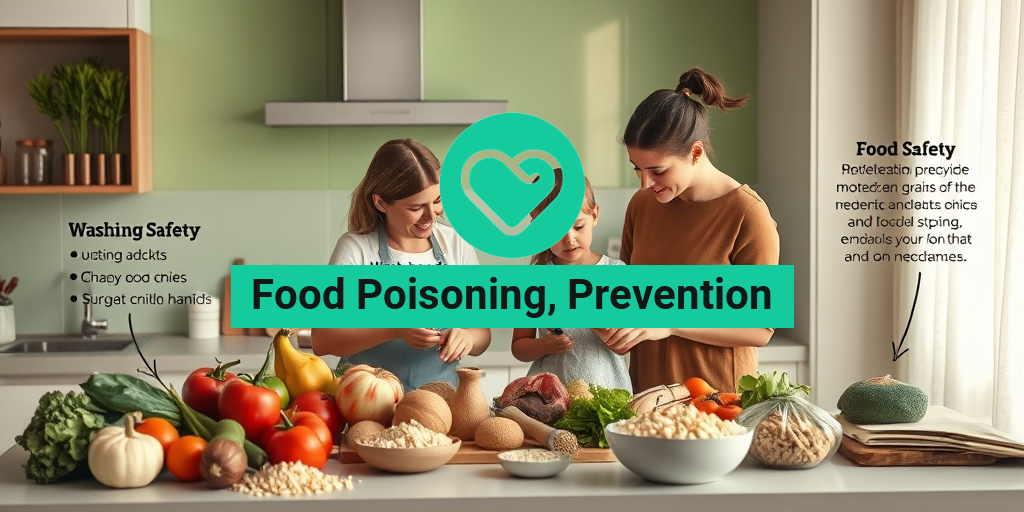
Food poisoning is a serious health concern that can lead to severe illness and even hospitalization. Fortunately, there are several effective strategies for food poisoning prevention right in your own kitchen. By following these guidelines, you can significantly reduce the risk of foodborne illnesses for you and your family.
1. Understand the Causes of Food Poisoning
Food poisoning is often caused by bacteria, viruses, or parasites that contaminate food. Common culprits include:
- Salmonella: Often found in raw poultry, eggs, and unpasteurized milk.
- E. coli: Typically associated with undercooked beef and contaminated produce.
- Listeria: Can be found in deli meats and unpasteurized dairy products.
2. Practice Safe Food Handling
Proper food handling is crucial in preventing food poisoning. Here are some essential tips:
- Wash Your Hands: Always wash your hands with soap and water before and after handling food.
- Keep Surfaces Clean: Sanitize countertops, cutting boards, and utensils regularly.
- Separate Raw and Cooked Foods: Use separate cutting boards for raw meat and vegetables to avoid cross-contamination.
3. Cook Food Thoroughly
Cooking food to the right temperature is vital for killing harmful bacteria. Use a food thermometer to ensure:
- Poultry: Cook to an internal temperature of 165°F (75°C).
- Ground meats: Should reach at least 160°F (70°C).
- Seafood: Cook until it reaches 145°F (63°C).
4. Store Food Properly
Storing food correctly can prevent the growth of bacteria. Here are some storage tips:
- Refrigerate Promptly: Store perishable foods in the refrigerator within two hours of cooking.
- Check Expiration Dates: Always check the expiration dates on packaged foods and discard anything that is past its date.
- Use Airtight Containers: Store leftovers in airtight containers to keep them fresh and safe.
5. Be Mindful of Food Allergies
Food allergies can sometimes mimic food poisoning symptoms. Always be aware of any allergies in your household and take precautions to avoid cross-contamination with allergenic foods.
Food Safety Tips for Eating Out
Dining out can be a delightful experience, but it also comes with its own set of risks regarding food poisoning prevention. Here are some tips to ensure your meal is safe and enjoyable:
1. Choose Reputable Restaurants
When selecting a place to eat, opt for restaurants that have a good reputation for food safety. Look for:
- Cleanliness: Observe the cleanliness of the restaurant, including the dining area and restrooms.
- Food Handling Practices: Notice if staff are wearing gloves and following hygiene protocols.
2. Ask Questions
Don’t hesitate to ask the staff about their food safety practices. Inquire about:
- Ingredient Sourcing: Where do they source their ingredients? Fresh, local produce is often safer.
- Cooking Methods: How is the food prepared? Ensure that meats are cooked thoroughly.
3. Be Cautious with Buffets
Buffets can be a breeding ground for bacteria if not managed properly. Keep these points in mind:
- Temperature Control: Ensure hot foods are kept hot and cold foods are kept cold.
- Serving Utensils: Use the provided utensils to avoid cross-contamination.
4. Trust Your Instincts
If something seems off about the food or the restaurant, trust your instincts. It’s better to choose another place than risk your health. If you notice:
- Unusual Smells: A bad odor can indicate spoiled food.
- Improperly Cooked Food: If your meal looks undercooked, don’t hesitate to send it back.
5. Stay Hydrated and Mindful
Finally, remember to stay hydrated and be mindful of what you consume. Drinking plenty of water can help your body process food safely and efficiently. 🍽️
By following these food poisoning prevention tips at home and when dining out, you can enjoy your meals with peace of mind. Stay safe and healthy! 🌟

Frequently Asked Questions about Food Poisoning Prevention
What are the best tips for food poisoning prevention?
To effectively prevent food poisoning, consider the following tips:
- Wash your hands thoroughly before handling food.
- Cook food to the appropriate temperatures to kill harmful bacteria.
- Store food at safe temperatures, keeping perishable items refrigerated.
- Avoid cross-contamination by using separate cutting boards for raw meat and vegetables.
- Check expiration dates on food products before consumption.
Are there medications for food poisoning prevention?
While there are no specific medications designed solely for food poisoning prevention, maintaining good hygiene and safe food handling practices is the most effective way to avoid illness. In some cases, probiotics may help support gut health, but consult a healthcare professional before use.
What are the common symptoms of food poisoning?
Symptoms of food poisoning can vary but often include:
- Nausea 🤢
- Vomiting
- Diarrhea 💩
- Abdominal cramps
- Fever
How can I prevent food poisoning during holiday gatherings?
During festive occasions, follow these food poisoning prevention tips:
- Keep hot foods hot and cold foods cold.
- Limit the time food is left out at room temperature.
- Encourage guests to wash their hands before eating.
- Label dishes containing allergens to inform guests.
What should I do if I suspect food poisoning?
If you suspect you have food poisoning, it’s important to:
- Stay hydrated by drinking plenty of fluids.
- Rest and avoid solid foods until symptoms improve.
- Consult a healthcare professional if symptoms are severe or persist.
Can food poisoning be treated at home?
Most cases of food poisoning can be managed at home with rest and hydration. However, if symptoms worsen or if you experience severe dehydration, it’s crucial to seek medical attention.
Is there a difference between food poisoning prevention and control?
Food poisoning prevention focuses on avoiding the conditions that lead to illness, while food poisoning control involves managing and mitigating the effects once an outbreak occurs. Both are essential for maintaining food safety.