What Is Folate Deficiency Anemia?
Folate deficiency anemia is a type of anemia that occurs when your body lacks sufficient folate, also known as vitamin B9. Folate is essential for the production of red blood cells, which are crucial for transporting oxygen throughout the body. When there is an inadequate supply of folate, the body cannot produce enough healthy red blood cells, leading to anemia. This condition can affect anyone, but it is particularly concerning for pregnant women, as folate plays a vital role in fetal development.
Understanding the Causes
Several factors can contribute to folate deficiency anemia, including:
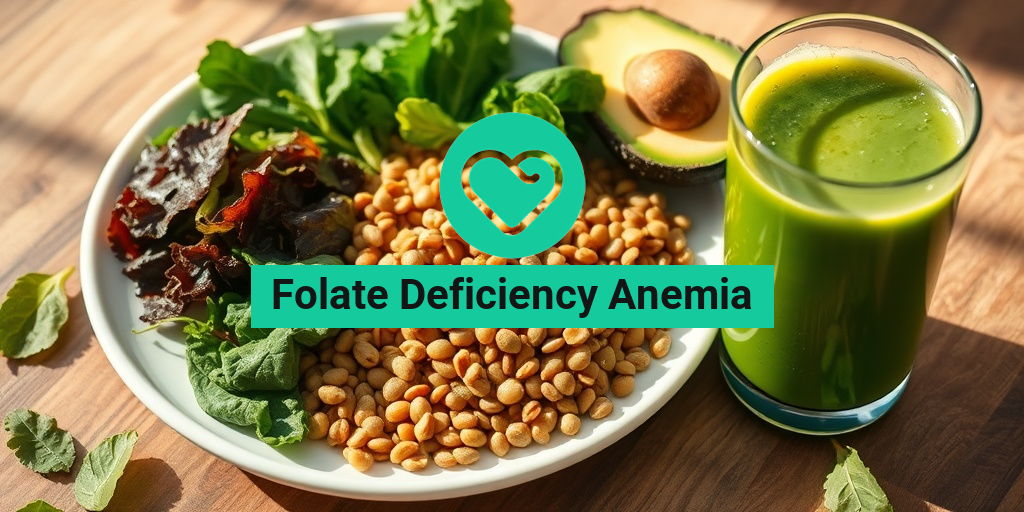
- Poor Diet: A diet lacking in folate-rich foods such as leafy greens, legumes, and fortified cereals can lead to deficiency.
- Malabsorption Disorders: Conditions like celiac disease or Crohn’s disease can hinder the body’s ability to absorb folate.
- Increased Demand: Pregnant women and individuals with certain medical conditions may require more folate than usual.
- Medications: Some medications can interfere with folate metabolism, leading to deficiency.
Pathophysiology of Folate Deficiency Anemia
The pathophysiology of folate deficiency anemia involves the disruption of DNA synthesis in red blood cell production. Folate is crucial for the synthesis of nucleic acids, which are necessary for cell division. Without adequate folate, the body produces larger-than-normal red blood cells that are often dysfunctional, leading to the symptoms associated with anemia.
Folate Deficiency Symptoms
Recognizing the symptoms of folate deficiency anemia is essential for early diagnosis and treatment. Common symptoms include:
- Fatigue: A general feeling of tiredness or weakness is one of the most common symptoms.
- Pale Skin: A noticeable paleness can occur due to a reduced number of red blood cells.
- Shortness of Breath: Individuals may experience difficulty breathing, especially during physical activity.
- Dizziness or Lightheadedness: Insufficient oxygen supply can lead to feelings of dizziness.
- Heart Palpitations: The heart may work harder to pump blood, leading to irregular heartbeats.
Symptoms in Pregnancy
For pregnant women, folate deficiency anemia can pose additional risks. Symptoms may include:
- Increased Fatigue: Pregnant women may feel more fatigued than usual due to the increased demands on their bodies.
- Developmental Issues: A lack of folate during pregnancy can lead to neural tube defects in the developing fetus.
When to Seek Medical Advice
If you experience any of the symptoms mentioned above, it is crucial to consult a healthcare professional. They can perform blood tests to determine your folate levels and diagnose any underlying conditions. Early intervention can prevent complications and improve overall health.
For more information on folate deficiency anemia and its management, consider visiting Yesil Health AI, a valuable resource for evidence-based health answers.
In conclusion, understanding folate deficiency anemia is vital for maintaining good health. By recognizing the symptoms and causes, you can take proactive steps to ensure your body receives the necessary nutrients it needs to function optimally. 🌱

Causes of Folate Deficiency
Folate deficiency anemia is a condition that arises when the body lacks sufficient folate, a vital B-vitamin (B9) necessary for the production of red blood cells. Understanding the causes of folate deficiency is crucial for prevention and effective treatment. Here are some of the primary reasons why individuals may experience this deficiency:
Poor Dietary Intake
A diet lacking in folate-rich foods is one of the most common causes of folate deficiency. Foods high in folate include:
- Leafy green vegetables (like spinach and kale)
- Citrus fruits (such as oranges and lemons)
- Beans and legumes
- Nuts and seeds
- Whole grains
Individuals who do not consume these foods regularly may be at risk of developing folate deficiency anemia.
Malabsorption Disorders
Certain medical conditions can impair the body’s ability to absorb folate effectively. Conditions such as:
- Celiac disease
- Crohn’s disease
- Ulcerative colitis
can lead to malabsorption, resulting in a deficiency even if dietary intake is adequate.
Increased Demand
Some populations have a higher requirement for folate, which can lead to deficiency if their intake does not meet these increased needs. This includes:
- Pregnant women: Folate is crucial for fetal development, and the demand increases significantly during pregnancy.
- Breastfeeding mothers: Increased folate is necessary to support both the mother’s health and the infant’s growth.
- Individuals recovering from surgery or illness: The body may require more folate during recovery.
Alcohol Consumption
Excessive alcohol intake can interfere with the absorption of folate and its metabolism in the liver. This can lead to a deficiency, even in individuals who consume folate-rich foods.
Medications
Some medications can affect folate levels in the body. For example:
- Anticonvulsants
- Some cancer treatments
- Metformin (used for diabetes)
These medications can either inhibit folate absorption or increase its excretion, contributing to a deficiency.
Risk Factors for Folate Deficiency
Understanding the risk factors for folate deficiency can help individuals take proactive steps to maintain their health. Here are some key risk factors to consider:
Age
Older adults are at a higher risk for folate deficiency due to factors such as decreased dietary intake, malabsorption issues, and the presence of chronic diseases.
Pregnancy and Lactation
As mentioned earlier, pregnant and breastfeeding women have increased folate requirements. If these needs are not met, they are at a higher risk for developing folate deficiency anemia.
Chronic Health Conditions
Individuals with chronic health conditions, such as:
- Kidney disease
- HIV/AIDS
- Autoimmune disorders
may experience disruptions in folate metabolism or absorption, increasing their risk for deficiency.
Dietary Restrictions
People following restrictive diets, such as vegans or vegetarians, may not get enough folate if they do not include adequate sources of this vitamin in their meals. It’s essential for those on such diets to be mindful of their folate intake.
Family History
A family history of anemia or nutritional deficiencies can also increase an individual’s risk for folate deficiency anemia. Genetic factors may play a role in how the body processes folate.
By recognizing these causes and risk factors, individuals can take steps to ensure they maintain adequate folate levels, ultimately supporting their overall health and well-being. 🌱

Diagnosis of Folate Deficiency Anemia
Diagnosing Folate Deficiency Anemia involves a combination of clinical evaluation, medical history, and laboratory tests. Understanding the symptoms and the underlying causes is crucial for effective diagnosis.
Recognizing Symptoms
Before diving into tests, healthcare providers often start by assessing symptoms. Common symptoms of folate deficiency anemia include:
- Fatigue: A persistent feeling of tiredness that doesn’t improve with rest.
- Pale Skin: A noticeable paleness, especially in the face and palms.
- Shortness of Breath: Difficulty breathing during physical activities.
- Dizziness or Lightheadedness: Feeling faint or dizzy, especially when standing up.
- Heart Palpitations: An irregular or rapid heartbeat.
These symptoms can often be mistaken for other conditions, making it essential for healthcare providers to conduct thorough evaluations.
Laboratory Tests
Once symptoms are noted, the next step is to perform laboratory tests to confirm the diagnosis. Key tests include:
- Complete Blood Count (CBC): This test measures various components of blood, including red blood cells (RBCs), hemoglobin, and hematocrit levels. In folate deficiency anemia, the mean corpuscular volume (MCV) is typically elevated.
- Serum Folate Level: This test measures the amount of folate in the blood. Low levels indicate a deficiency.
- Methylmalonic Acid (MMA) Test: Elevated MMA levels can indicate a vitamin B12 deficiency, which can coexist with folate deficiency.
- Homocysteine Levels: High levels of homocysteine can also suggest a folate deficiency.
Understanding these lab values is crucial for healthcare providers to differentiate between folate deficiency anemia and other types of anemia, such as iron deficiency anemia.
Medical History and Risk Factors
In addition to symptoms and lab tests, a detailed medical history is vital. Factors that may contribute to folate deficiency anemia include:
- Poor Dietary Intake: A diet low in folate-rich foods, such as leafy greens, legumes, and fortified cereals.
- Malabsorption Disorders: Conditions like celiac disease or Crohn’s disease can hinder folate absorption.
- Increased Demand: Pregnancy and lactation increase the body’s need for folate.
- Medications: Certain medications, such as methotrexate, can interfere with folate metabolism.
By considering these factors, healthcare providers can better understand the patient’s condition and tailor their approach to treatment.
Treatment Options for Folate Deficiency
Once diagnosed, treating folate deficiency anemia is essential to restore health and prevent complications. Treatment typically involves dietary changes, supplementation, and addressing underlying causes.
Dietary Changes
One of the first steps in treatment is to enhance dietary intake of folate. Foods rich in folate include:
- Leafy Greens: Spinach, kale, and romaine lettuce are excellent sources.
- Legumes: Lentils, chickpeas, and black beans are packed with folate.
- Citrus Fruits: Oranges, grapefruits, and lemons provide a good amount of folate.
- Fortified Foods: Many cereals and bread products are fortified with folic acid, the synthetic form of folate.
Incorporating these foods into daily meals can significantly improve folate levels and overall health. 🍊🥗
Folate Supplements
In cases where dietary changes are insufficient, healthcare providers may recommend folate supplements. These are available in various forms, including:
- Folic Acid Tablets: The most common form of supplementation.
- Liquid Supplements: Useful for those who have difficulty swallowing pills.
Dosage will depend on the severity of the deficiency and individual health needs, so it’s essential to follow a healthcare provider’s recommendations.
Treating Underlying Conditions
If folate deficiency anemia is caused by an underlying condition, such as malabsorption or medication interference, addressing these issues is crucial. This may involve:
- Adjusting Medications: Working with a healthcare provider to find alternatives to medications that affect folate metabolism.
- Managing Malabsorption Disorders: Treating conditions like celiac disease or Crohn’s disease to improve nutrient absorption.
By taking a comprehensive approach to treatment, individuals can effectively manage folate deficiency anemia and improve their overall health. 🌟

Dietary Sources of Folate
Folate, also known as vitamin B9, is a crucial nutrient that plays a significant role in the formation of red blood cells and the synthesis of DNA. A deficiency in folate can lead to folate deficiency anemia, which can cause fatigue, weakness, and other health issues. To prevent this condition, it’s essential to incorporate folate-rich foods into your diet. Here are some of the best dietary sources of folate:
Leafy Green Vegetables
One of the richest sources of folate is leafy green vegetables. Incorporating these into your meals can significantly boost your folate intake. Some excellent options include:
- Spinach – A versatile green that can be added to salads, smoothies, or cooked dishes.
- Kale – Packed with nutrients, kale can be enjoyed raw or sautéed.
- Collard Greens – These can be steamed or used in soups for added nutrition.
Legumes
Legumes are another fantastic source of folate. They are not only rich in folate but also provide protein and fiber. Consider adding the following to your diet:
- Lentils – A great addition to soups and salads, lentils are high in folate.
- Chickpeas – Use them in hummus or salads for a nutritious boost.
- Black Beans – Perfect for tacos or as a side dish, black beans are delicious and nutritious.
Citrus Fruits
Citrus fruits are not only refreshing but also packed with folate. Including these fruits in your diet can help you meet your folate needs:
- Oranges – A single orange can provide a significant amount of your daily folate requirement.
- Grapefruit – This tangy fruit is a great addition to breakfast or salads.
- Lemons – Use lemon juice in dressings or beverages for a zesty flavor.
Nuts and Seeds
Nuts and seeds are not only a great source of healthy fats but also provide folate. Snacking on these can help you maintain adequate folate levels:
- Sunflower Seeds – These can be sprinkled on salads or eaten as a snack.
- Peanuts – A popular snack that can also be used in various dishes.
- Almonds – These can be enjoyed raw or roasted for a nutritious treat.
Whole Grains
Whole grains are another excellent source of folate. They are not only nutritious but also provide energy. Consider incorporating:
- Quinoa – A gluten-free grain that is high in protein and folate.
- Brown Rice – A healthier alternative to white rice, brown rice is versatile and nutritious.
- Whole Wheat Bread – Opt for whole grain options to increase your folate intake.
Preventing Folate Deficiency Anemia
Preventing folate deficiency anemia is crucial for maintaining overall health. Here are some effective strategies to ensure you get enough folate in your diet:
Balanced Diet
Eating a balanced diet rich in fruits, vegetables, whole grains, and proteins is essential. Aim to include a variety of folate-rich foods in your meals to meet your daily requirements. A colorful plate not only looks appealing but also ensures you’re getting a range of nutrients. 🌈
Consider Supplements
If you find it challenging to get enough folate from food alone, consider taking a folate supplement. This is especially important for certain groups, such as pregnant women, who need higher levels of folate to support fetal development. Always consult with a healthcare provider before starting any supplements. 💊
Regular Health Check-ups
Regular health check-ups can help identify any nutritional deficiencies early on. If you experience symptoms of folate deficiency anemia, such as fatigue or weakness, consult your healthcare provider for appropriate testing and guidance.
Be Mindful of Cooking Methods
How you prepare your food can affect its folate content. Cooking methods like boiling can lead to significant folate loss. Instead, try steaming or microwaving vegetables to retain their nutrients. Additionally, consuming raw fruits and vegetables can maximize your folate intake. 🍽️
Awareness of Risk Factors
Be aware of factors that may increase your risk of folate deficiency, such as certain medical conditions, medications, or lifestyle choices. If you fall into any of these categories, it’s essential to monitor your folate levels closely.
By incorporating these dietary sources and preventive measures, you can significantly reduce your risk of folate deficiency anemia and maintain optimal health. Remember, a well-rounded diet is key to ensuring you get the nutrients your body needs! 🥗

Frequently Asked Questions about Folate Deficiency Anemia
What is Folate Deficiency Anemia?
Folate deficiency anemia is a condition that occurs when the body lacks sufficient folate (vitamin B9), leading to a decrease in the production of red blood cells. This deficiency can result in symptoms such as fatigue, weakness, and pale skin.
What are the symptoms of Folate Deficiency Anemia?
Common symptoms of folate deficiency anemia include:
- Fatigue and weakness
- Pale or sallow skin
- Shortness of breath
- Dizziness or lightheadedness
- Heart palpitations
What causes Folate Deficiency Anemia?
Several factors can contribute to folate deficiency anemia, including:
- Poor dietary intake of folate-rich foods
- Malabsorption issues (e.g., celiac disease)
- Increased demand during pregnancy
- Certain medications that interfere with folate metabolism
How is Folate Deficiency Anemia diagnosed?
Diagnosis typically involves blood tests to check for low levels of folate and to assess red blood cell counts. Additional tests may be conducted to rule out other types of anemia.
What is the treatment for Folate Deficiency Anemia?
Treatment for folate deficiency anemia usually includes:
- Folate supplements
- Dietary changes to include more folate-rich foods, such as leafy greens, legumes, and fortified cereals
- Addressing any underlying health issues that may be contributing to the deficiency
Can Folate Deficiency Anemia affect pregnancy?
Yes, folate deficiency anemia can have significant implications during pregnancy, including an increased risk of complications. It is crucial for pregnant individuals to maintain adequate folate levels for the health of both the mother and the developing fetus.
What are the lab values associated with Folate Deficiency Anemia?
Lab tests for folate deficiency anemia typically show low serum folate levels and may also reveal elevated homocysteine levels. A complete blood count (CBC) may indicate macrocytic anemia, characterized by larger-than-normal red blood cells.
What is the ICD-10 code for Folate Deficiency Anemia?
The ICD-10 code for folate deficiency anemia is D51.0, which is used for medical billing and documentation purposes.
What is the pathophysiology of Folate Deficiency Anemia?
The pathophysiology of folate deficiency anemia involves impaired DNA synthesis due to insufficient folate, leading to ineffective erythropoiesis (red blood cell production) and the resultant anemia.