What Is Fibrous Interstitial Pneumonia?
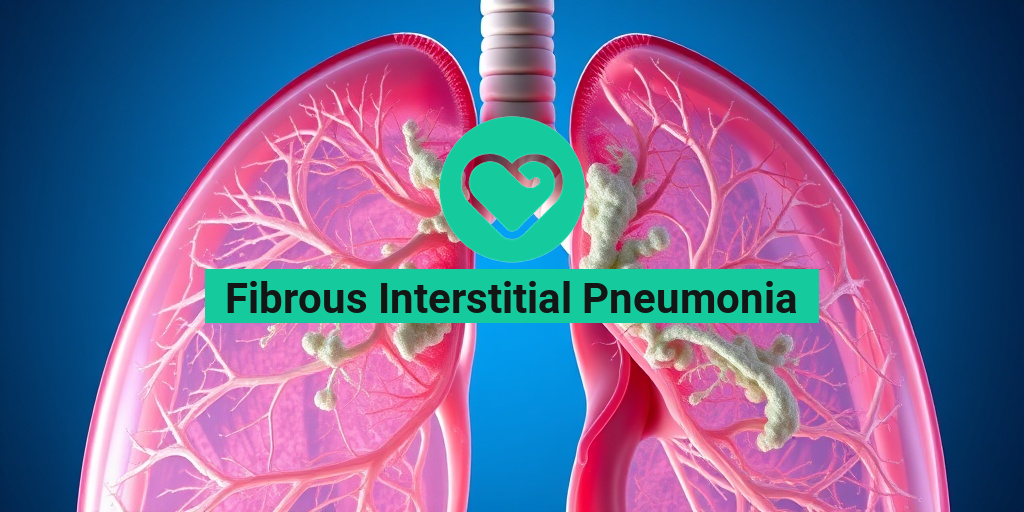
Fibrous Interstitial Pneumonia (FIP) is a chronic lung condition characterized by the progressive scarring of lung tissue, which can lead to significant breathing difficulties. This condition falls under the broader category of interstitial lung diseases (ILD), which affect the interstitium—the tissue and space around the air sacs of the lungs. Understanding FIP is crucial for early diagnosis and effective management.
Understanding the Causes
The exact cause of Fibrous Interstitial Pneumonia is often unknown, which is why it is referred to as idiopathic interstitial pneumonia in many cases. However, several factors may contribute to its development, including:
- Environmental exposures: Long-term exposure to pollutants, chemicals, or asbestos can increase the risk.
- Autoimmune diseases: Conditions like rheumatoid arthritis or scleroderma may lead to lung fibrosis.
- Smoking: Tobacco use is a significant risk factor for various lung diseases, including FIP.
- Genetic predisposition: A family history of lung diseases may also play a role.
Types of Interstitial Pneumonia
Fibrous Interstitial Pneumonia is just one type of interstitial pneumonia. Other types include:
- Non-specific interstitial pneumonia (NSIP): Often associated with autoimmune diseases.
- Cryptogenic organizing pneumonia (COP): Characterized by inflammation and scarring.
- Desquamative interstitial pneumonia (DIP): Commonly linked to smoking.
Each type has its unique characteristics and treatment approaches, making accurate diagnosis essential.
Fibrous Interstitial Pneumonia Symptoms
Recognizing the symptoms of Fibrous Interstitial Pneumonia is vital for timely intervention. The symptoms can vary in severity and may develop gradually over time. Common symptoms include:
- Shortness of breath: Initially occurring during physical activity, it may progress to breathlessness even at rest.
- Chronic cough: A persistent dry cough that does not improve with time.
- Fatigue: General tiredness and lack of energy can be common.
- Unexplained weight loss: Some individuals may experience weight loss without trying.
- Clubbing of fingers: Enlargement of the fingertips may occur in advanced stages.
Is Interstitial Pneumonia Dangerous?
Many people wonder, “Is interstitial pneumonia serious?” The answer is yes; Fibrous Interstitial Pneumonia can be a serious condition. As the lung tissue becomes increasingly scarred, it can lead to respiratory failure and other complications. Early diagnosis and treatment are crucial to managing symptoms and improving quality of life.
Seeking Help
If you or someone you know is experiencing symptoms associated with Fibrous Interstitial Pneumonia, it is essential to consult a healthcare professional. They can perform diagnostic tests, such as imaging studies and lung function tests, to determine the underlying cause and appropriate treatment options.
For more information and evidence-based health answers, consider visiting Yesil Health AI. They provide valuable resources that can help you understand your health better.
In conclusion, Fibrous Interstitial Pneumonia is a complex condition that requires attention and care. By understanding its symptoms and seeking timely medical advice, individuals can manage their health more effectively. Remember, knowledge is power when it comes to your health! 💪🌬️

Fibrous Interstitial Pneumonia Causes
Fibrous interstitial pneumonia (FIP) is a complex lung condition characterized by the thickening and scarring of lung tissue. Understanding the causes of this disease is crucial for effective management and treatment. Here, we delve into the primary causes of fibrous interstitial pneumonia.
1. Environmental Factors
Exposure to certain environmental pollutants can significantly contribute to the development of fibrous interstitial pneumonia. Common culprits include:
- Asbestos: Prolonged exposure to asbestos fibers is a well-known risk factor for various lung diseases, including FIP.
- Silica Dust: Inhalation of silica dust, often found in construction and mining, can lead to lung inflammation and fibrosis.
- Chemical Fumes: Regular exposure to harmful chemicals, such as those found in industrial settings, can also trigger lung damage.
2. Autoimmune Diseases
Autoimmune diseases occur when the body’s immune system mistakenly attacks its own tissues. Certain autoimmune conditions are linked to fibrous interstitial pneumonia, including:
- Rheumatoid Arthritis: This chronic inflammatory disorder can lead to lung complications, including fibrosis.
- Scleroderma: A condition that causes hardening and tightening of the skin and connective tissues, which can also affect the lungs.
- Lupus: Systemic lupus erythematosus can cause inflammation in various organs, including the lungs.
3. Infections
Certain infections can lead to lung damage and contribute to the development of fibrous interstitial pneumonia. These include:
- Viral Infections: Viruses such as influenza and COVID-19 can cause significant lung inflammation.
- Bacterial Infections: Chronic bacterial infections, particularly those affecting the lungs, can lead to scarring.
4. Idiopathic Causes
In many cases, the exact cause of fibrous interstitial pneumonia remains unknown, which is referred to as idiopathic interstitial pneumonia. This category encompasses a variety of lung diseases where the cause cannot be pinpointed. Research continues to explore potential genetic and environmental interactions that may contribute to these cases.
Fibrous Interstitial Pneumonia Risk Factors
Identifying risk factors for fibrous interstitial pneumonia is essential for prevention and early intervention. Here are some key risk factors associated with this condition:
1. Age and Gender
Fibrous interstitial pneumonia is more commonly diagnosed in older adults, particularly those over the age of 50. Additionally, men are generally at a higher risk compared to women, although the reasons for this disparity are still being studied.
2. Occupational Exposure
Individuals working in certain occupations may face a higher risk of developing fibrous interstitial pneumonia due to exposure to harmful substances. High-risk jobs include:
- Construction Workers: Exposure to asbestos and silica dust.
- Miners: Inhalation of silica and other harmful particles.
- Industrial Workers: Regular contact with chemical fumes and irritants.
3. Smoking
Smoking is a significant risk factor for many lung diseases, including fibrous interstitial pneumonia. The harmful chemicals in tobacco smoke can damage lung tissue and exacerbate existing conditions.
4. Family History
A family history of lung diseases may increase the likelihood of developing fibrous interstitial pneumonia. Genetic predispositions can play a role in how individuals respond to environmental factors and infections.
5. Pre-existing Lung Conditions
Individuals with pre-existing lung conditions, such as chronic obstructive pulmonary disease (COPD) or asthma, may be at a higher risk for developing fibrous interstitial pneumonia. These conditions can lead to chronic inflammation and lung damage, making the lungs more susceptible to fibrosis.
Understanding the causes and risk factors associated with fibrous interstitial pneumonia is vital for early detection and management. If you or someone you know is experiencing symptoms such as persistent cough, shortness of breath, or unexplained fatigue, it’s essential to consult a healthcare professional for evaluation and guidance. 🩺

Fibrous Interstitial Pneumonia Diagnosis
Diagnosing Fibrous Interstitial Pneumonia can be a complex process, as it often mimics other respiratory conditions. This type of pneumonia is characterized by the thickening and scarring of lung tissue, which can lead to significant breathing difficulties. Here’s how healthcare professionals typically approach the diagnosis:
1. Medical History Review
The first step in diagnosing fibrous interstitial pneumonia involves a thorough review of the patient’s medical history. Doctors will ask about:
- Symptoms: Persistent cough, shortness of breath, and fatigue are common indicators.
- Exposure History: Any exposure to environmental toxins, allergens, or occupational hazards.
- Family History: A history of lung diseases in the family may increase risk factors.
2. Physical Examination
During a physical exam, the doctor will listen to the patient’s lungs using a stethoscope. Abnormal lung sounds, such as crackles, may indicate the presence of interstitial pneumonia.
3. Imaging Tests
Imaging tests play a crucial role in diagnosing fibrous interstitial pneumonia:
- X-rays: Chest X-rays can reveal patterns of lung scarring.
- CT Scans: High-resolution computed tomography (HRCT) scans provide detailed images of lung tissue, helping to identify fibrosis and other abnormalities.
4. Lung Function Tests
Lung function tests measure how well the lungs are working. These tests can help determine the extent of lung impairment caused by fibrosis. Common tests include:
- Spirometry: Measures the amount of air a person can inhale and exhale.
- Diffusion Capacity Test: Assesses how well oxygen passes from the lungs into the bloodstream.
5. Biopsy
In some cases, a lung biopsy may be necessary to confirm the diagnosis. This involves taking a small sample of lung tissue for laboratory analysis. A biopsy can help differentiate fibrous interstitial pneumonia from other types of interstitial lung diseases.
6. Blood Tests
Blood tests can help rule out other conditions and assess overall health. They may include tests for autoimmune diseases, which can sometimes be associated with interstitial pneumonia.
Fibrous Interstitial Pneumonia Treatment Options
Once diagnosed, the treatment for Fibrous Interstitial Pneumonia focuses on managing symptoms and slowing disease progression. While there is no cure, several treatment options can help improve quality of life:
1. Medications
Medications are often the first line of treatment. Common options include:
- Corticosteroids: These anti-inflammatory drugs can help reduce lung inflammation.
- Immunosuppressants: Medications like azathioprine or mycophenolate mofetil may be prescribed to suppress the immune response.
- Antifibrotic Agents: Drugs such as pirfenidone and nintedanib are specifically designed to slow the progression of fibrosis.
2. Oxygen Therapy
For patients experiencing significant breathing difficulties, oxygen therapy can be beneficial. This treatment involves using supplemental oxygen to help improve oxygen levels in the blood, making it easier to breathe.
3. Pulmonary Rehabilitation
Engaging in a structured pulmonary rehabilitation program can help patients improve their physical fitness and manage symptoms. These programs typically include:
- Exercise Training: Tailored exercises to enhance lung function and overall endurance.
- Education: Information on managing symptoms and understanding the disease.
- Support Groups: Connecting with others facing similar challenges can provide emotional support.
4. Lung Transplantation
In severe cases where other treatments are ineffective, lung transplantation may be considered. This option is typically reserved for patients with advanced disease and significant impairment in lung function.
5. Lifestyle Modifications
Making certain lifestyle changes can also help manage symptoms and improve overall health:
- Quitting Smoking: If applicable, quitting smoking is crucial for lung health.
- Healthy Diet: A balanced diet rich in fruits, vegetables, and whole grains can support overall health.
- Regular Exercise: Engaging in low-impact activities can help maintain physical fitness.
In conclusion, while Fibrous Interstitial Pneumonia can be a serious condition, early diagnosis and a comprehensive treatment plan can significantly improve outcomes and enhance the quality of life for those affected. 🌟

Fibrous Interstitial Pneumonia Management Strategies
Managing Fibrous Interstitial Pneumonia (FIP) requires a comprehensive approach that focuses on alleviating symptoms, improving lung function, and enhancing the overall quality of life for patients. This condition, characterized by the thickening and scarring of lung tissue, can lead to significant respiratory issues. Here are some effective management strategies:
1. Medical Treatments
While there is no definitive cure for FIP, several medical treatments can help manage symptoms and slow disease progression:
- Corticosteroids: These anti-inflammatory medications can reduce lung inflammation and improve breathing.
- Immunosuppressants: Drugs like azathioprine or mycophenolate mofetil may be prescribed to suppress the immune response, which can be beneficial in certain cases.
- Antifibrotic agents: Medications such as pirfenidone and nintedanib are designed to slow the progression of fibrosis in the lungs.
2. Pulmonary Rehabilitation
Engaging in a structured pulmonary rehabilitation program can significantly enhance lung function and overall well-being. This program typically includes:
- Exercise training: Tailored exercises can improve physical endurance and respiratory muscle strength.
- Nutritional counseling: A balanced diet can support lung health and overall energy levels.
- Education: Learning about the disease and its management can empower patients to take an active role in their health.
3. Oxygen Therapy
For patients experiencing low oxygen levels, oxygen therapy can be a vital component of management. This therapy helps ensure that the body receives adequate oxygen, which is crucial for maintaining organ function and overall health. It can be administered through:
- Portable oxygen concentrators: These devices allow for mobility while providing necessary oxygen.
- Oxygen tanks: Used for more stationary settings, these tanks can deliver high concentrations of oxygen.
4. Lifestyle Modifications
Making certain lifestyle changes can also play a significant role in managing FIP:
- Quitting smoking: If you smoke, quitting is the most important step you can take to protect your lungs.
- Avoiding pollutants: Reducing exposure to environmental pollutants and allergens can help minimize respiratory distress.
- Staying active: Regular physical activity, as tolerated, can improve lung capacity and overall health.
5. Regular Monitoring and Follow-Up
Regular check-ups with a healthcare provider are essential for monitoring the progression of Fibrous Interstitial Pneumonia. This may include:
- Pulmonary function tests: These tests assess lung capacity and function.
- Imaging studies: Chest X-rays or CT scans can help visualize changes in lung tissue.
- Blood tests: These can help monitor overall health and detect any complications early.
Fibrous Interstitial Pneumonia Prognosis
The prognosis for individuals diagnosed with Fibrous Interstitial Pneumonia can vary widely based on several factors, including the underlying cause, the extent of lung damage, and the patient’s overall health. Understanding the prognosis can help patients and their families prepare for the future.
1. Factors Influencing Prognosis
Several key factors can influence the prognosis of FIP:
- Age: Younger patients often have a better prognosis compared to older individuals.
- Overall health: Patients with fewer comorbidities tend to fare better.
- Response to treatment: Those who respond well to medical therapies may experience a slower progression of the disease.
2. Disease Progression
FIP can progress at different rates. Some patients may experience a slow decline in lung function over several years, while others may face a more rapid deterioration. Regular monitoring and proactive management can help mitigate some of these effects.
3. Quality of Life Considerations
Despite the challenges posed by FIP, many patients can maintain a good quality of life with appropriate management strategies. Engaging in support groups, participating in pulmonary rehabilitation, and maintaining social connections can significantly enhance emotional well-being.
4. Long-Term Outlook
While Fibrous Interstitial Pneumonia can be a serious condition, advancements in treatment options and management strategies continue to improve outcomes for many patients. Early diagnosis and intervention are crucial for optimizing prognosis and enhancing life quality.
In conclusion, understanding the management strategies and prognosis of FIP is essential for patients and their families. With the right approach, individuals can navigate the challenges of this condition and work towards a healthier future. 🌟

Frequently Asked Questions about Fibrous Interstitial Pneumonia
What is Fibrous Interstitial Pneumonia?
Fibrous Interstitial Pneumonia is a type of lung disease characterized by inflammation and scarring (fibrosis) of the lung tissue. This condition affects the interstitial spaces of the lungs, leading to difficulty in breathing and reduced oxygen exchange.
Is Interstitial Pneumonia Dangerous?
Yes, Interstitial Pneumonia can be serious. The scarring of lung tissue can lead to progressive respiratory failure if not managed properly. Early diagnosis and treatment are crucial to improving outcomes.
What are the Types of Interstitial Pneumonia?
- Idiopathic Interstitial Pneumonia: The cause is unknown, and it can be progressive.
- Hypersensitivity Pneumonitis: Caused by an allergic reaction to inhaled organic dust.
- Pneumoconiosis: Resulting from inhalation of inorganic dust, such as asbestos or silica.
- Drug-Induced Interstitial Pneumonia: Caused by certain medications.
What are the Symptoms of Fibrous Interstitial Pneumonia?
Common symptoms include:
- Shortness of breath, especially during physical activity.
- Chronic dry cough.
- Fatigue and weakness.
- Unexplained weight loss.
How is Fibrous Interstitial Pneumonia Diagnosed?
Diagnosis typically involves a combination of:
- Medical history and physical examination.
- Imaging tests such as chest X-rays or CT scans.
- Lung function tests to assess breathing capacity.
- Biopsy in some cases to confirm the diagnosis.
Can Fibrous Interstitial Pneumonia Be Treated?
While there is no cure, treatment options aim to manage symptoms and slow disease progression. These may include:
- Medications: Corticosteroids and immunosuppressants.
- Oxygen therapy: To help with breathing.
- Lung rehabilitation: To improve quality of life.
- Lung transplant: In severe cases.
Is There a Risk of Complications?
Yes, complications can arise from Fibrous Interstitial Pneumonia, including:
- Respiratory failure.
- Pulmonary hypertension.
- Increased risk of lung infections.
What Lifestyle Changes Can Help Manage the Condition?
Making certain lifestyle changes can help manage symptoms:
- Quit smoking: Essential for lung health.
- Regular exercise: Improves lung function and overall health.
- Healthy diet: Supports immune function.
- Stay hydrated: Helps maintain mucus membranes.
When Should I See a Doctor?
If you experience persistent symptoms such as shortness of breath or a chronic cough, it is important to consult a healthcare professional for evaluation and potential diagnosis of Fibrous Interstitial Pneumonia.
Conclusion
Understanding Fibrous Interstitial Pneumonia is crucial for early detection and management. If you have concerns about your lung health, don’t hesitate to reach out to a healthcare provider. 🌟