What Is Familial Cutaneous Amyloidosis?
Familial Cutaneous Amyloidosis is a rare genetic condition characterized by the deposition of amyloid proteins in the skin. This disorder is part of a broader category known as amyloidosis, which involves the accumulation of abnormal proteins in various tissues and organs. In the case of familial cutaneous amyloidosis, the amyloid deposits primarily affect the skin, leading to various dermatological manifestations.
This condition is inherited in an autosomal dominant pattern, meaning that only one copy of the mutated gene from an affected parent can lead to the disease in their offspring. The most common form of familial cutaneous amyloidosis is associated with mutations in the keratin 17 gene, which plays a crucial role in skin health and integrity.
Individuals with familial cutaneous amyloidosis may experience a range of symptoms, often beginning in childhood or early adulthood. The condition can significantly impact a person’s quality of life, not only due to physical symptoms but also due to the psychological effects of living with a visible skin condition.
Understanding Amyloidosis
Amyloidosis occurs when amyloid proteins misfold and aggregate, forming deposits that can disrupt normal tissue function. While familial cutaneous amyloidosis specifically targets the skin, other forms of amyloidosis can affect organs such as the heart, kidneys, and liver, leading to more severe health complications. This highlights the importance of early diagnosis and management.
Symptoms of Familial Cutaneous Amyloidosis
The symptoms of familial cutaneous amyloidosis can vary widely among individuals, but they typically include:
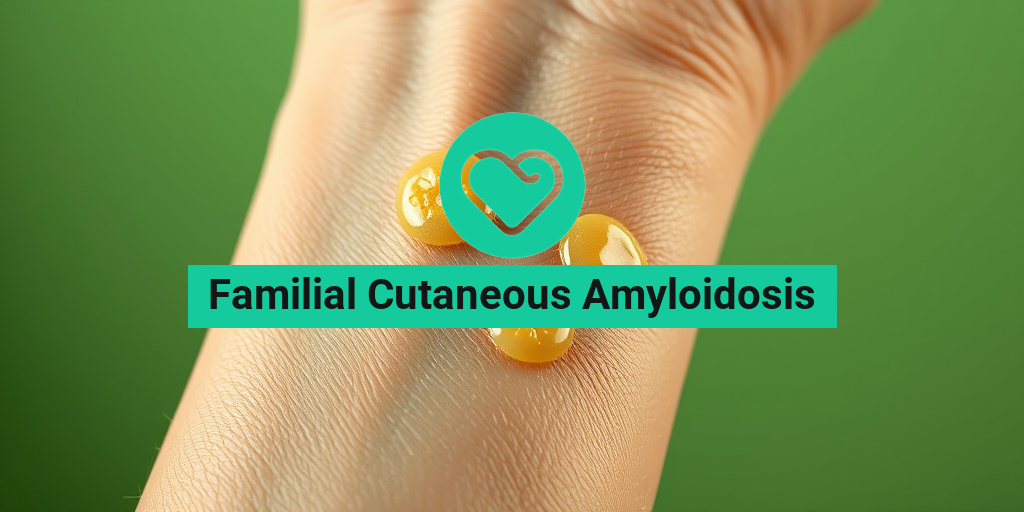
- Skin Lesions: The most prominent symptom is the appearance of waxy, firm nodules or plaques on the skin. These lesions are often found on the trunk, arms, and legs and can vary in color from yellowish to brown.
- Itching and Discomfort: Many individuals report itching or discomfort associated with the skin lesions, which can lead to scratching and further irritation.
- Thickened Skin: Over time, the affected areas may become thickened and may feel different to the touch compared to surrounding skin.
- Changes in Skin Texture: The texture of the skin may change, becoming rough or leathery in appearance.
While familial cutaneous amyloidosis primarily affects the skin, it is essential to monitor for any signs of systemic involvement, especially if there is a family history of amyloidosis. Symptoms such as fatigue, weight loss, or swelling in the legs may indicate that the condition is affecting other organs.
Diagnosis and Management
Diagnosing familial cutaneous amyloidosis typically involves a thorough clinical examination, a review of family history, and a skin biopsy to confirm the presence of amyloid deposits. If you suspect you or a loved one may have this condition, consulting a healthcare professional is crucial.
Management of familial cutaneous amyloidosis focuses on alleviating symptoms and improving the quality of life. Treatment options may include:
- Topical Treatments: Corticosteroids or other anti-inflammatory medications may help reduce itching and inflammation.
- Laser Therapy: In some cases, laser treatments can be effective in reducing the appearance of skin lesions.
- Supportive Care: Psychological support and counseling can be beneficial for individuals coping with the emotional impact of the condition.
For more comprehensive information and resources on familial cutaneous amyloidosis, consider visiting Yesil Health AI, where you can find evidence-based health answers tailored to your needs.
In conclusion, familial cutaneous amyloidosis is a complex condition that requires awareness and understanding. By recognizing the symptoms and seeking appropriate care, individuals can manage their condition effectively and maintain a good quality of life. If you have any concerns or questions about familial cutaneous amyloidosis, don’t hesitate to reach out to a healthcare professional. 🌟

Causes and Risk Factors
Familial Cutaneous Amyloidosis (FCA) is a rare genetic condition characterized by the deposition of amyloid proteins in the skin. Understanding the causes and risk factors associated with this condition is crucial for early diagnosis and management.
Genetic Factors
The primary cause of familial cutaneous amyloidosis is genetic mutations. This condition is often inherited in an autosomal dominant pattern, meaning that only one copy of the mutated gene from an affected parent can lead to the disease in their offspring. The most commonly implicated gene is the keratin 17 (KRT17) gene, which plays a vital role in skin health and integrity.
Environmental Triggers
While genetics play a significant role, certain environmental factors may also contribute to the onset of FCA. These can include:
- Chronic skin irritation: Continuous friction or trauma to the skin may exacerbate amyloid deposition.
- Infections: Some infections can trigger inflammatory responses that may lead to amyloid accumulation.
- Age: Symptoms often appear in adulthood, suggesting that age-related changes in skin and immune function may influence the condition.
Demographic Factors
Familial cutaneous amyloidosis is more prevalent in certain populations. For instance, it has been observed more frequently in individuals of African descent. Additionally, a family history of the condition significantly increases the risk, highlighting the importance of genetic counseling for affected families.
Diagnosis of Familial Cutaneous Amyloidosis
Diagnosing familial cutaneous amyloidosis can be challenging due to its rarity and the similarity of its symptoms to other skin conditions. However, a combination of clinical evaluation and laboratory tests can lead to an accurate diagnosis.
Clinical Evaluation
The first step in diagnosing FCA typically involves a thorough clinical evaluation by a dermatologist. During this examination, the doctor will:
- Review the patient’s medical history, including any family history of amyloidosis.
- Examine the skin for characteristic lesions, which often appear as raised, waxy nodules or plaques.
- Assess the distribution of lesions, which commonly occur on the trunk, neck, and extremities.
Biopsy and Histological Examination
A definitive diagnosis of familial cutaneous amyloidosis usually requires a skin biopsy. During this procedure, a small sample of the affected skin is removed and examined under a microscope. The presence of amyloid deposits can be confirmed using special staining techniques, such as:
- Congo red stain: This dye binds to amyloid proteins, causing them to appear apple-green under polarized light.
- Immunohistochemistry: This technique can help identify the specific type of amyloid protein involved.
Genetic Testing
In cases where familial cutaneous amyloidosis is suspected, genetic testing may be recommended. This can help identify mutations in the KRT17 gene or other related genes, confirming the diagnosis and providing valuable information for family members regarding their risk of developing the condition.
Overall, early diagnosis of familial cutaneous amyloidosis is essential for effective management and to mitigate potential complications. If you or a family member exhibit symptoms associated with this condition, it is crucial to seek medical advice promptly. 🩺

Treatment Options Available
Familial Cutaneous Amyloidosis (FCA) is a rare condition characterized by the deposition of amyloid proteins in the skin, leading to various symptoms such as skin lesions, itching, and discomfort. While there is currently no cure for FCA, several treatment options can help manage symptoms and improve the quality of life for those affected. Here, we explore the most common treatment strategies available.
Topical Treatments
One of the first lines of defense against the symptoms of familial cutaneous amyloidosis involves topical treatments. These can help alleviate itching and reduce the appearance of skin lesions. Common topical therapies include:
- Corticosteroids: These anti-inflammatory medications can help reduce swelling and itching associated with skin lesions.
- Calcineurin Inhibitors: Medications like tacrolimus or pimecrolimus can be effective in managing localized symptoms without the side effects of long-term steroid use.
- Moisturizers: Regular use of emollients can help keep the skin hydrated and reduce irritation.
Systemic Treatments
In more severe cases of familial primary localized cutaneous amyloidosis, systemic treatments may be necessary. These treatments aim to address the underlying amyloid deposits in the body. Options include:
- Immunosuppressive Therapy: Medications that suppress the immune system can help reduce the production of amyloid proteins.
- Biologic Agents: Newer therapies targeting specific pathways in the immune response may offer relief for some patients.
- Plasmapheresis: This procedure involves filtering the blood to remove amyloid proteins, although it is typically reserved for more severe cases.
Phototherapy
Another promising treatment option for familial cutaneous amyloidosis is phototherapy. This involves exposing the skin to specific wavelengths of light, which can help reduce inflammation and improve skin appearance. Phototherapy can be particularly beneficial for patients who do not respond well to topical treatments.
Supportive Care
In addition to medical treatments, supportive care plays a crucial role in managing familial cutaneous amyloidosis. This includes:
- Regular Dermatological Check-ups: Routine visits to a dermatologist can help monitor the condition and adjust treatments as necessary.
- Patient Education: Understanding the condition and its management can empower patients to take an active role in their care.
- Support Groups: Connecting with others who have FCA can provide emotional support and practical advice.
Living with Familial Cutaneous Amyloidosis
Living with familial cutaneous amyloidosis can be challenging, but with the right strategies and support, individuals can lead fulfilling lives. Here are some tips for managing daily life with this condition.
Skin Care Routine
A consistent and gentle skin care routine is essential for managing symptoms. Here are some recommendations:
- Gentle Cleansing: Use mild, fragrance-free cleansers to avoid irritation.
- Moisturizing: Apply a thick moisturizer regularly to keep the skin hydrated and reduce dryness.
- Sun Protection: Protecting the skin from sun exposure is crucial, as UV rays can exacerbate symptoms. Use broad-spectrum sunscreen and wear protective clothing.
Emotional Well-being
Dealing with a chronic skin condition can take a toll on mental health. It’s important to prioritize emotional well-being. Here are some strategies:
- Mindfulness and Relaxation Techniques: Practices such as yoga, meditation, or deep-breathing exercises can help reduce stress.
- Therapy or Counseling: Speaking with a mental health professional can provide support and coping strategies.
- Engaging in Hobbies: Pursuing interests and hobbies can provide a positive distraction and enhance overall well-being.
Community and Support
Connecting with others who understand the challenges of familial cutaneous amyloidosis can be incredibly beneficial. Consider:
- Joining Support Groups: Look for local or online support groups where you can share experiences and advice.
- Participating in Awareness Events: Engaging in community events can help raise awareness and foster connections with others.
By taking proactive steps in managing symptoms and seeking support, individuals living with familial cutaneous amyloidosis can navigate their daily lives with greater ease and confidence. 🌟

Complications and Prognosis
Familial Cutaneous Amyloidosis (FCA) is a rare genetic condition characterized by the deposition of amyloid proteins in the skin. While the condition primarily affects the skin, it can lead to various complications that may impact a patient’s quality of life. Understanding these complications and the overall prognosis is crucial for those affected by this condition.
Common Complications of Familial Cutaneous Amyloidosis
Individuals with FCA may experience several complications, including:
- Skin Lesions: The most noticeable symptom of FCA is the development of skin lesions, which can be itchy, painful, and unsightly. These lesions often appear as waxy, raised bumps or plaques, primarily on the trunk and extremities.
- Secondary Infections: Due to the compromised skin integrity from lesions, patients may be more susceptible to bacterial and fungal infections. These infections can exacerbate discomfort and lead to further complications.
- Psychosocial Impact: The visible nature of skin lesions can lead to psychological distress, including anxiety and depression. Patients may feel self-conscious about their appearance, which can affect their social interactions and overall mental health.
- Potential for Systemic Involvement: Although FCA primarily affects the skin, there is a risk of systemic amyloidosis, where amyloid deposits can affect other organs. This is less common but can lead to serious health issues, including heart or kidney problems.
Prognosis for Individuals with Familial Cutaneous Amyloidosis
The prognosis for individuals with FCA varies widely based on several factors, including the extent of skin involvement and the presence of any systemic complications. Generally, FCA is not considered fatal, and many patients lead normal lives with appropriate management. However, the following points are essential to consider:
- Management of Symptoms: Effective management of skin lesions and associated symptoms can significantly improve the quality of life. Treatments may include topical therapies, systemic medications, or even surgical options for severe cases.
- Regular Monitoring: Regular follow-ups with a healthcare provider are crucial to monitor for any signs of systemic involvement. Early detection of complications can lead to better outcomes.
- Genetic Counseling: Since FCA is hereditary, genetic counseling can provide valuable information for affected individuals and their families regarding the risks and implications of the condition.
In summary, while familial cutaneous amyloidosis can lead to various complications, with proper management and monitoring, individuals can maintain a good quality of life. 🌟
Research and Future Directions
As the understanding of familial cutaneous amyloidosis evolves, ongoing research is crucial to uncovering new insights into its pathophysiology, treatment options, and potential cures. Here are some key areas of focus in current research and future directions:
Advancements in Genetic Research
Recent advancements in genetic research have shed light on the mutations responsible for familial cutaneous amyloidosis. Understanding the genetic basis of FCA can lead to:
- Targeted Therapies: Identifying specific genetic mutations may pave the way for targeted therapies that can address the root cause of the disease rather than just managing symptoms.
- Gene Therapy: Innovative approaches, such as gene therapy, are being explored to correct the underlying genetic defects, potentially offering a long-term solution for affected individuals.
Improved Treatment Modalities
Research is also focusing on developing new treatment modalities to manage the symptoms of FCA more effectively. Some promising areas include:
- Biologics: The use of biologic medications that target specific pathways involved in amyloid formation may provide new avenues for treatment.
- Topical Treatments: Ongoing studies are evaluating the efficacy of novel topical treatments that could reduce inflammation and improve skin lesions.
Patient-Centric Research
Understanding the patient experience is vital for improving care. Research initiatives are increasingly focusing on:
- Quality of Life Studies: Investigating how FCA affects daily living and mental health can help healthcare providers tailor interventions to better support patients.
- Patient Registries: Establishing patient registries can facilitate data collection on disease progression, treatment outcomes, and long-term effects, contributing to a better understanding of FCA.
In conclusion, the future of familial cutaneous amyloidosis research is promising, with ongoing studies aimed at improving patient outcomes and enhancing the understanding of this complex condition. 🌈

Frequently Asked Questions about Familial Cutaneous Amyloidosis
What is Familial Cutaneous Amyloidosis?
Familial Cutaneous Amyloidosis is a genetic condition characterized by the deposition of amyloid proteins in the skin. This condition often leads to the formation of plaques or nodules, which can be itchy or uncomfortable. It is a type of amyloidosis that primarily affects the skin and is inherited in an autosomal dominant pattern.
Is Familial Cutaneous Amyloidosis Fatal?
Generally, cutaneous amyloidosis is not considered fatal. However, it can lead to complications if left untreated, such as skin infections or significant discomfort. It is essential to consult a healthcare professional for proper management and treatment options.
What are the Symptoms of Familial Primary Localized Cutaneous Amyloidosis?
- Itchy skin or discomfort in affected areas
- Thickened skin or plaques
- Color changes in the skin, often appearing yellowish or waxy
- Localized swelling or nodules
How is Familial Cutaneous Amyloidosis Diagnosed?
Diagnosis typically involves a combination of clinical examination, patient history, and sometimes a skin biopsy to confirm the presence of amyloid deposits. Genetic testing may also be recommended to identify specific mutations associated with the condition.
Can Familial Cutaneous Amyloidosis be Treated?
While there is no cure for familial cutaneous amyloidosis, various treatment options can help manage symptoms. These may include:
- Topical treatments to reduce itching and inflammation
- Laser therapy to improve the appearance of skin lesions
- Systemic medications in severe cases
Is Familial Amyloidosis Different from Other Types of Amyloidosis?
Yes, familial amyloidosis is a specific type that is inherited and primarily affects the skin. Other forms of amyloidosis can affect various organs, such as the heart or kidneys, and may have different underlying causes.
Where Can I Find Support for Familial Cutaneous Amyloidosis?
Support groups and online communities can provide valuable resources and connections for individuals affected by familial cutaneous amyloidosis. Organizations focused on amyloidosis can offer information, support, and advocacy for patients and their families.
What Lifestyle Changes Can Help Manage Symptoms?
Individuals with familial cutaneous amyloidosis may benefit from:
- Moisturizing regularly to keep the skin hydrated
- Avoiding irritants that may exacerbate symptoms
- Wearing loose-fitting clothing to reduce friction on affected areas
Conclusion
Understanding familial cutaneous amyloidosis is crucial for effective management and support. If you have further questions or concerns, consult with a healthcare professional for personalized advice and treatment options. 🌟