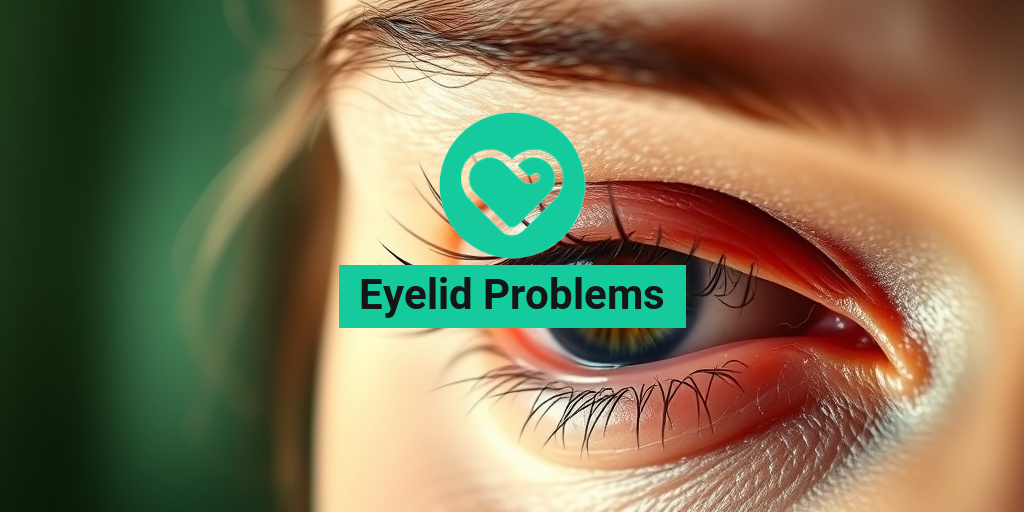
What Are Eyelid Problems?
Eyelid problems encompass a variety of conditions that affect the eyelids, which are crucial for protecting our eyes and maintaining overall eye health. These issues can range from minor irritations to more serious conditions that may require medical intervention. Understanding eyelid problems is essential for early detection and treatment, ensuring that your vision and eye health remain intact.
Common eyelid problems include:
- Ptosis: This condition involves drooping of the upper eyelid, which can obstruct vision and may be caused by muscle weakness or nerve damage.
- Blepharitis: An inflammation of the eyelid margins, often resulting in redness, swelling, and crusting.
- Chalazion: A blocked oil gland in the eyelid that can lead to swelling and discomfort.
- Stye: A painful lump on the eyelid caused by a bacterial infection of an oil gland.
- Allergic Reactions: Allergies can cause swelling, redness, and itching of the eyelids.
These conditions can affect individuals of all ages, but certain groups, such as the elderly, may be more susceptible to eyelid problems due to age-related changes in skin and muscle tone. Additionally, pets like dogs and cats can also experience eyelid issues, which can be distressing for both the animal and its owner.
Eyelid Symptoms
Recognizing the symptoms of eyelid problems is crucial for timely treatment. Symptoms can vary depending on the specific condition but often include:
- Redness and Swelling: Inflammation can cause the eyelids to appear red and swollen, often indicating an underlying issue such as blepharitis or an allergic reaction.
- Itching or Burning Sensation: Many eyelid problems are accompanied by discomfort, which can be particularly bothersome.
- Crusting or Flaking: This is common in conditions like blepharitis, where debris accumulates along the eyelid margins.
- Drooping Eyelids: As seen in ptosis, this symptom can affect vision and may require surgical intervention.
- Pain or Tenderness: Conditions like styes and chalazia can cause localized pain and tenderness in the eyelid area.
If you or someone you know is experiencing these symptoms, it’s important to consult a healthcare professional for an accurate diagnosis and appropriate treatment. Early intervention can prevent complications and improve quality of life.
For those seeking more information on eyelid problems, including treatment options and preventive measures, resources like Yesil Health AI can provide evidence-based health answers tailored to your needs.
In conclusion, being aware of eyelid problems and their symptoms is vital for maintaining eye health. Whether you are dealing with these issues yourself or caring for a loved one, understanding the signs can lead to better outcomes and a healthier future. Remember, your eyes are precious—take care of them! 👁️✨

Eyelid Problems: Understanding the Causes
Eyelid problems can manifest in various forms, affecting both appearance and function. Understanding the underlying causes is crucial for effective treatment and management. Here, we explore some common causes of eyelid problems.
1. Allergies
Allergic reactions are a frequent cause of eyelid issues. Common allergens include:
- Pollen
- Dust mites
- Pet dander
- Cosmetics
These allergens can lead to symptoms such as redness, swelling, and itching, often referred to as allergic conjunctivitis. If you suspect allergies are the culprit, consider consulting an allergist for testing and management options.
2. Infections
Infections can also lead to eyelid problems. Two common types include:
- Blepharitis: This is an inflammation of the eyelid margins, often caused by bacteria or skin conditions like seborrheic dermatitis.
- Chalazion and Stye: These are localized infections that result in painful lumps on the eyelid, typically caused by blocked oil glands.
Both conditions can cause discomfort and may require medical treatment, including antibiotics or warm compresses.
3. Skin Conditions
Various skin conditions can affect the eyelids, leading to problems such as:
- Eczema: This chronic condition can cause dry, itchy, and inflamed skin around the eyelids.
- Psoriasis: This autoimmune condition can also affect the eyelids, leading to red, scaly patches.
Managing these skin conditions often involves topical treatments and lifestyle adjustments.
4. Aging
As we age, our skin loses elasticity, leading to sagging eyelids and the formation of wrinkles. This natural aging process can also result in conditions such as:
- Ptosis: A condition where the upper eyelid droops, potentially obstructing vision.
- Xanthelasma: Yellowish cholesterol deposits that can form on the eyelids.
Regular eye examinations can help monitor these changes and determine if intervention is necessary.
Eyelid Problems: Identifying Risk Factors
Understanding the risk factors associated with eyelid problems can help in prevention and early detection. Here are some key factors to consider:
1. Age
Age is a significant risk factor for eyelid problems. The elderly are particularly susceptible to conditions such as ptosis and skin cancers affecting the eyelids. Regular check-ups become increasingly important as one ages.
2. Genetics
Family history can play a role in the likelihood of developing eyelid problems. If your parents or siblings have experienced issues like droopy eyelids or skin conditions, you may be at a higher risk.
3. Environmental Factors
Exposure to environmental irritants can increase the risk of eyelid problems. Factors include:
- Pollution
- Sun exposure
- Smoke
Protecting your eyes from these irritants, such as wearing sunglasses outdoors, can help mitigate risks.
4. Health Conditions
Certain health conditions can predispose individuals to eyelid problems. These include:
- Diabetes: Can lead to various eye issues, including eyelid infections.
- Thyroid Disorders: Conditions like Graves’ disease can cause eyelid retraction or bulging eyes.
Managing these underlying health issues is essential for maintaining eye health.
5. Lifestyle Choices
Unhealthy lifestyle choices can contribute to eyelid problems. Factors such as:
- Smoking
- Poor diet
- Lack of sleep
can negatively impact skin health and increase the risk of eyelid issues. Adopting a healthier lifestyle can promote better overall eye health.
By understanding the causes and risk factors associated with eyelid problems, individuals can take proactive steps to protect their eye health and seek timely treatment when necessary. Remember, if you experience persistent eyelid issues, consulting a healthcare professional is always a wise choice! 👁️✨

Eyelid Diagnosis
When it comes to eyelid problems, accurate diagnosis is crucial for effective treatment. Eyelid issues can manifest in various forms, ranging from minor irritations to more serious conditions. Understanding the symptoms and seeking professional help can lead to better outcomes.
Common Symptoms of Eyelid Problems
Identifying the symptoms of eyelid problems is the first step toward diagnosis. Here are some common signs to watch for:
- Redness and Swelling: Inflammation can indicate an infection or allergic reaction.
- Itching or Burning: These sensations may suggest allergies or irritants.
- Drooping Eyelids: This can be a sign of a more serious condition, such as ptosis.
- Discharge: Any unusual discharge can indicate an infection.
- Changes in Eyelash Growth: Loss or abnormal growth of eyelashes can signal underlying issues.
Consulting a Specialist
If you experience any of these symptoms, it’s essential to consult an eye care professional. They may perform a variety of tests, including:
- Visual Acuity Test: To assess how well you can see.
- Slit Lamp Examination: To get a detailed view of the eyelid and surrounding structures.
- Allergy Testing: If allergies are suspected, this can help identify triggers.
In some cases, a biopsy may be necessary to rule out more serious conditions. Early diagnosis can lead to more effective treatment options and prevent complications.
Eyelid Treatment Options
Once diagnosed, the next step is exploring treatment options for eyelid problems. The appropriate treatment will depend on the specific condition and its severity.
Home Remedies
For mild eyelid issues, several home remedies can provide relief:
- Warm Compress: Applying a warm compress can help reduce swelling and discomfort.
- Cold Compress: For itching or burning, a cold compress can soothe irritation.
- Artificial Tears: These can alleviate dryness and irritation.
Over-the-Counter Treatments
In some cases, over-the-counter medications can be effective:
- Antihistamines: Useful for allergic reactions.
- Topical Antibiotics: Can help treat minor infections.
- Hydrocortisone Cream: This can reduce inflammation and itching.
Prescription Medications
If over-the-counter options are insufficient, your doctor may prescribe stronger medications:
- Topical Steroids: For more severe inflammation.
- Oral Antibiotics: If a bacterial infection is present.
- Immunosuppressants: For chronic conditions like blepharitis.
Surgical Options
In cases where eyelid problems are severe or persistent, surgical intervention may be necessary:
- Blepharoplasty: This surgery can correct drooping eyelids and improve vision.
- Excision: Removal of growths or lesions on the eyelid.
- Ptosis Surgery: To correct drooping eyelids caused by muscle weakness.
It’s important to discuss all available options with your healthcare provider to determine the best course of action for your specific situation. Remember, timely treatment can significantly improve your quality of life and eye health! 👁️✨
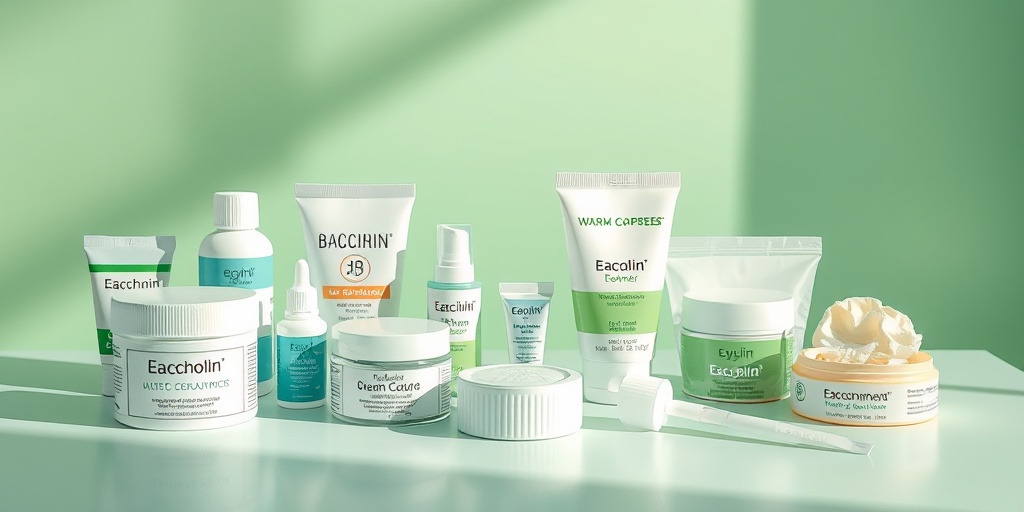
Eyelid Home Remedies
Eyelid problems can be bothersome and may affect your overall comfort and appearance. Fortunately, there are several home remedies that can help alleviate common eyelid issues such as swelling, irritation, and dryness. Here are some effective remedies you can try at home:
1. Warm Compress
A warm compress is one of the simplest and most effective remedies for eyelid problems. It helps to soothe irritation and reduce swelling.
- How to Use: Soak a clean cloth in warm water, wring it out, and place it over your closed eyelids for about 10-15 minutes.
- Benefits: This method can help relieve symptoms of conditions like blepharitis and styes.
2. Cold Compress
If your eyelids are swollen or inflamed, a cold compress can provide immediate relief.
- How to Use: Wrap ice cubes in a cloth or use a cold pack and apply it to your eyelids for 10-15 minutes.
- Benefits: This can help reduce puffiness and soothe irritation.
3. Cucumber Slices
Cucumbers are not just a refreshing snack; they can also work wonders for your eyelids!
- How to Use: Slice a chilled cucumber and place the slices over your closed eyelids for about 10-15 minutes.
- Benefits: Cucumbers have anti-inflammatory properties that can help reduce swelling and hydrate the skin.
4. Aloe Vera Gel
Aloe vera is known for its soothing properties and can be beneficial for eyelid problems.
- How to Use: Apply a small amount of pure aloe vera gel to the affected area and leave it on for 20 minutes before rinsing.
- Benefits: It can help reduce redness and irritation.
5. Tea Bags
Used tea bags, especially green or chamomile tea, can be an excellent remedy for tired or irritated eyelids.
- How to Use: Steep two tea bags in hot water, let them cool, and then place them over your eyelids for 10-15 minutes.
- Benefits: The antioxidants and anti-inflammatory properties in tea can help soothe and rejuvenate your eyelids.
Eyelid Care Tips
Taking care of your eyelids is essential for maintaining eye health and preventing various eyelid problems. Here are some eyelid care tips to keep your eyelids healthy and comfortable:
1. Maintain Good Hygiene
Keeping your eyelids clean is crucial to prevent infections and irritation.
- Tip: Gently wash your eyelids with a mild soap or eyelid scrub daily, especially if you wear makeup.
2. Avoid Rubbing Your Eyes
Rubbing your eyes can lead to irritation and exacerbate existing eyelid problems.
- Tip: If you feel the urge to rub your eyes, try to blink gently instead.
3. Use Hypoallergenic Products
Choosing the right products can make a significant difference in eyelid health.
- Tip: Opt for hypoallergenic makeup and skincare products to minimize the risk of allergic reactions.
4. Stay Hydrated
Hydration plays a vital role in skin health, including the delicate skin around your eyes.
- Tip: Drink plenty of water throughout the day to keep your skin hydrated.
5. Protect Your Eyes from the Sun
UV rays can damage your skin, including your eyelids.
- Tip: Wear sunglasses with UV protection when outdoors to shield your eyelids from harmful rays.
By incorporating these home remedies and care tips into your routine, you can effectively manage and prevent eyelid problems. Remember, if you experience persistent issues, it’s essential to consult a healthcare professional for proper diagnosis and treatment. 🌟
Frequently Asked Questions about Eyelid Problems
What are common eyelid problems?
Common eyelid problems include conditions such as blepharitis, ptosis, and chalazia. These issues can affect the appearance and function of the eyelids, leading to discomfort or vision problems.
How can I treat eyelid problems at home?
For mild eyelid problems, home treatments may include:
- Warm compresses to reduce swelling
- Gentle eyelid scrubs to manage blepharitis
- Over-the-counter antihistamines for allergic reactions
However, it’s important to consult a healthcare professional for persistent issues.
Are eyelid problems common in the elderly?
Yes, eyelid problems in the elderly are quite common due to age-related changes in skin elasticity and muscle strength. Conditions like drooping eyelids (ptosis) can become more prevalent.
Can pets experience eyelid problems?
Absolutely! Eyelid problems in dogs and cats can occur, including conditions like entropion or ectropion. If you notice any changes in your pet’s eyelids, it’s best to consult a veterinarian.
What should I do if I have eyelid problems after cataract surgery?
If you experience eyelid problems after cataract surgery, such as swelling or drooping, contact your eye surgeon. They can provide guidance on managing these symptoms effectively.
When should I see a doctor for eyelid problems?
You should seek medical attention for eyelid problems if you experience:
- Severe pain or discomfort
- Changes in vision
- Persistent swelling or redness
- Any unusual growths or lesions
Early intervention can help prevent complications.
Can children have eyelid problems?
Yes, eyelid problems in children can occur, often due to congenital issues or infections. If you notice any abnormalities, it’s important to consult a pediatrician or an eye specialist.
What are the signs of eyelid problems in humans?
Signs of eyelid problems in humans may include:
- Redness or swelling
- Itching or irritation
- Drooping eyelids
- Excessive tearing or dryness
Monitoring these symptoms can help in early diagnosis and treatment.