What Is Erythema Infectiosum?
Erythema Infectiosum, commonly known as Fifth Disease, is a viral infection primarily caused by the parvovirus B19. This condition is most prevalent among children, particularly those aged 5 to 15 years. The name “Fifth Disease” originates from its historical classification as the fifth of the classic childhood exanthems, which also include measles, mumps, rubella, and chickenpox.
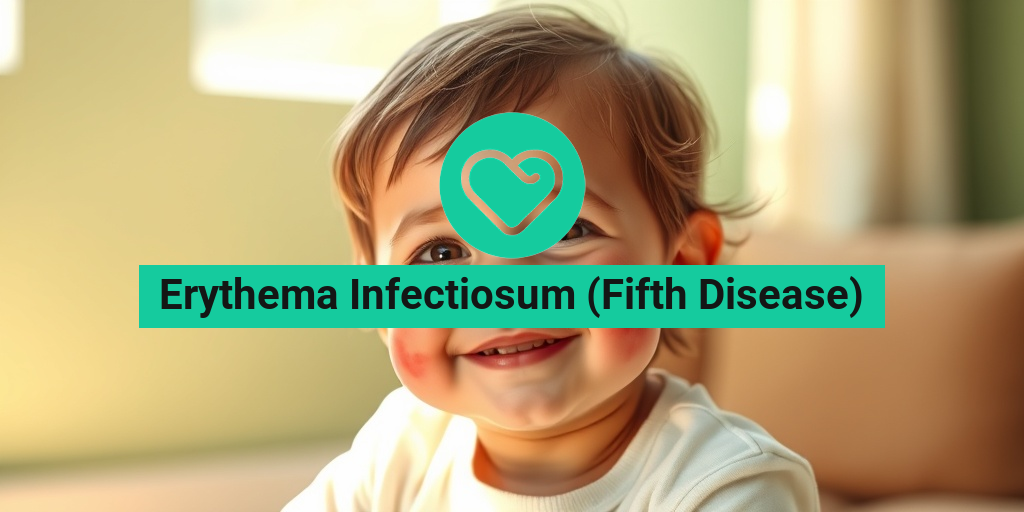
The infection is characterized by a distinctive rash and is often referred to as the “slapped cheek syndrome” due to the bright red rash that appears on the cheeks of affected children. While it is generally a mild illness, it can lead to complications in certain populations, such as pregnant women and individuals with weakened immune systems.
How Is Erythema Infectiosum Transmitted?
Erythema Infectiosum is primarily transmitted through respiratory droplets when an infected person coughs or sneezes. It can also spread through direct contact with respiratory secretions. Interestingly, individuals infected with parvovirus B19 are most contagious before the onset of the rash, making it challenging to prevent its spread.
Who Is at Risk?
While anyone can contract Erythema Infectiosum, certain groups are at a higher risk, including:
- Children aged 5 to 15 years
- Pregnant women, due to potential complications
- Individuals with chronic anemia or weakened immune systems
Erythema Infectiosum Symptoms
The symptoms of Erythema Infectiosum typically appear 4 to 14 days after exposure to the virus. The initial symptoms may resemble those of a mild cold and can include:
- Fever
- Headache
- Runny or stuffy nose
- Sore throat
The Characteristic Rash
One of the hallmark signs of Erythema Infectiosum is the rash, which usually develops after the initial symptoms. The rash typically appears in three stages:
- Stage 1: A bright red rash on the cheeks, giving the appearance of “slapped cheeks.”
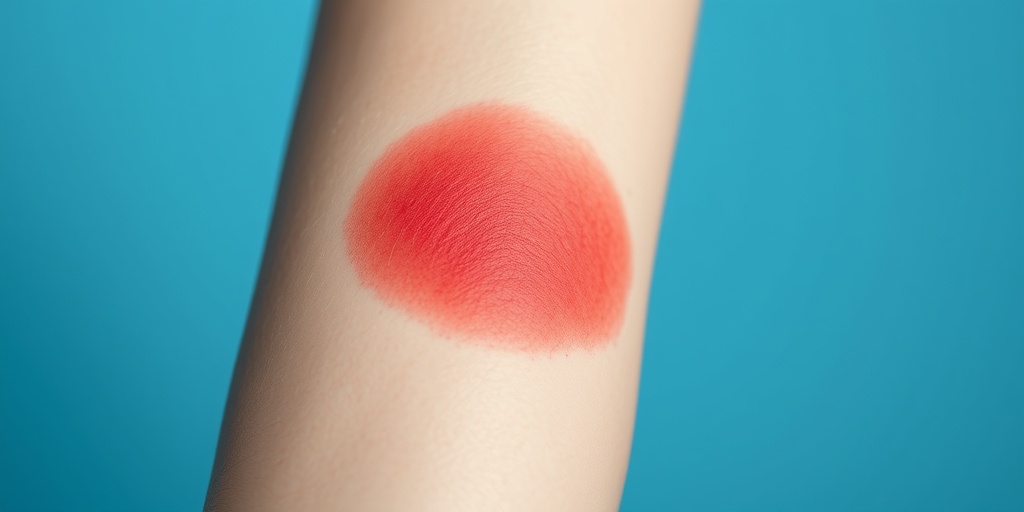
- Stage 2: A lacy, reticular rash that spreads to the trunk and limbs.
- Stage 3: The rash may fade but can reappear with exposure to sunlight or heat.
In most cases, the rash is not itchy and resolves on its own within a few weeks. However, some individuals may experience joint pain or swelling, particularly adults, which can last for several weeks or even months.
When to Seek Medical Attention
While Erythema Infectiosum is generally mild, it is essential to seek medical attention if you or your child experiences:
- Severe anemia or worsening symptoms
- Persistent joint pain or swelling
- Symptoms of infection in pregnant women, such as fever or rash
For more detailed information and evidence-based health answers, consider visiting Yesil Health AI, a valuable resource for understanding various health conditions.
In conclusion, Erythema Infectiosum, or Fifth Disease, is a common viral infection that primarily affects children. While it is usually mild and self-limiting, awareness of its symptoms and potential complications is crucial for effective management. If you suspect you or your child may have this condition, consult a healthcare professional for guidance and support. 🌟
Erythema Infectiosum in Children
Erythema Infectiosum, commonly known as Fifth Disease, is a viral infection that primarily affects children. It is caused by the parvovirus B19 and is characterized by a distinctive rash and mild flu-like symptoms. Understanding this condition is crucial for parents and caregivers, as it can help in recognizing the signs and managing the illness effectively.
Symptoms of Erythema Infectiosum
The symptoms of Erythema Infectiosum typically appear in stages. Initially, children may experience mild symptoms that resemble a cold, including:
- Fever
- Headache
- Runny nose
- Sore throat
After a few days, the hallmark symptom—a bright red rash—develops. This rash often appears on the cheeks, giving children a “slapped cheek” appearance. Following this, a lacy, reticular rash may spread to the trunk and limbs. The rash can be itchy but is generally not painful.
Contagiousness and Transmission
One of the most common questions parents have is whether Erythema Infectiosum is contagious. The answer is yes, but it is most contagious before the rash appears. The virus spreads through respiratory droplets when an infected person coughs or sneezes. Children are often exposed to the virus in schools or daycare settings, making it essential for parents to be aware of outbreaks.
Precautions for Parents
While Erythema Infectiosum is usually mild and self-limiting, there are precautions parents can take to protect their children and others:
- Encourage good hygiene: Teach children to wash their hands frequently and cover their mouths when coughing or sneezing.
- Avoid close contact: If a child is diagnosed with Fifth Disease, limit their interaction with pregnant women and individuals with weakened immune systems.
- Monitor symptoms: Keep an eye on any developing symptoms and consult a healthcare provider if you have concerns.
Causes of Erythema Infectiosum
The primary cause of Erythema Infectiosum is the parvovirus B19. This virus is a member of the Parvoviridae family and is known for its ability to infect humans, particularly children. Understanding how this virus operates can help in preventing its spread and managing outbreaks.
How Parvovirus B19 Spreads
Parvovirus B19 is highly contagious and spreads through:
- Respiratory droplets: When an infected person coughs or sneezes, the virus can be inhaled by those nearby.
- Direct contact: Touching surfaces contaminated with the virus and then touching the face can lead to infection.
- Blood transfusions: Although rare, the virus can be transmitted through blood products.
Risk Factors for Infection
While anyone can contract Erythema Infectiosum, certain groups are at higher risk:
- Children aged 5 to 15: This age group is most commonly affected due to close contact in schools.
- Pregnant women: If a pregnant woman contracts the virus, it can lead to complications for the fetus.
- Individuals with weakened immune systems: Those with chronic illnesses or compromised immune systems are more susceptible to severe symptoms.
Prevention Strategies
Preventing the spread of Erythema Infectiosum involves simple yet effective strategies:
- Vaccination: While there is no vaccine specifically for parvovirus B19, ensuring children are up-to-date on other vaccinations can help reduce the risk of co-infections.
- Good hygiene practices: Regular handwashing and avoiding close contact with infected individuals are key.
- Awareness of outbreaks: Stay informed about local outbreaks, especially in schools and daycare centers.
By understanding the causes and symptoms of Erythema Infectiosum, parents can take proactive steps to protect their children and manage the illness effectively. 🩺
Risk Factors for Fifth Disease
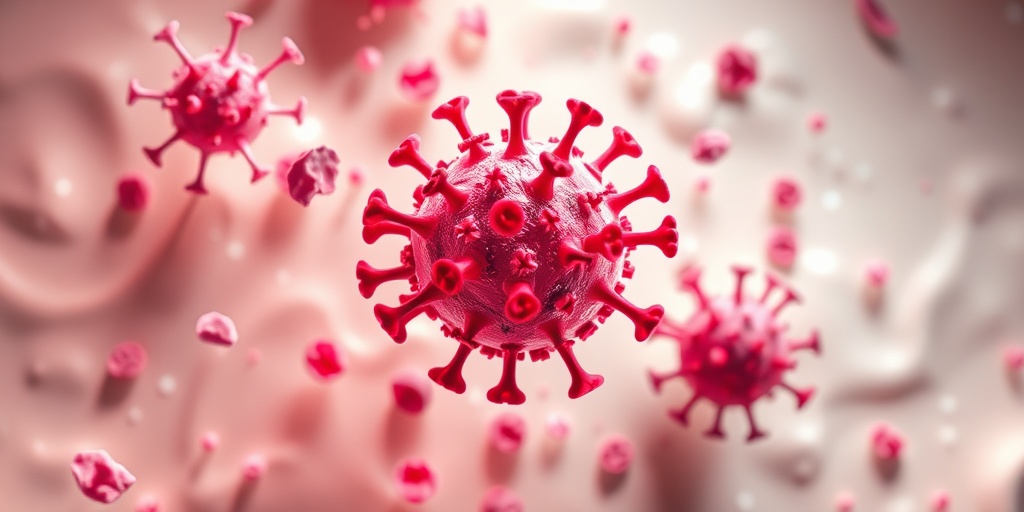
Erythema Infectiosum, commonly known as Fifth Disease, is primarily caused by the parvovirus B19. While it can affect anyone, certain groups are at a higher risk of contracting this viral infection. Understanding these risk factors can help in prevention and early detection.
Age Group
Fifth Disease is most prevalent among children, particularly those aged 5 to 15 years. This age group is often in close contact with peers in schools and daycare settings, making it easier for the virus to spread. Adults can also contract the virus, but they are less likely to experience symptoms.
Weakened Immune System
Individuals with a compromised immune system, such as those undergoing chemotherapy or living with autoimmune diseases, are at a greater risk. Their bodies may struggle to fight off infections, including erythema infectiosum.
Pregnancy
Pregnant women should be particularly cautious, as contracting Fifth Disease during pregnancy can lead to complications. The virus can affect the fetus, potentially causing anemia or other serious conditions. If you are pregnant and suspect exposure, it’s crucial to consult your healthcare provider.
Close Contact with Infected Individuals
Fifth Disease spreads through respiratory droplets when an infected person coughs or sneezes. Therefore, being in close contact with someone who has the virus increases your risk. This is especially true in crowded environments like schools, daycare centers, and family gatherings.
Seasonal Considerations
Fifth Disease outbreaks are more common in late winter and early spring. During these seasons, the virus tends to circulate more widely, increasing the likelihood of exposure. Staying informed about local outbreaks can help you take necessary precautions.
Diagnosing Erythema Infectiosum
Diagnosing erythema infectiosum (Fifth Disease) can sometimes be straightforward, but it may also require careful evaluation due to its similarity to other conditions. Here’s how healthcare providers typically approach the diagnosis.
Clinical Symptoms
The diagnosis often begins with a thorough review of symptoms. The classic signs of Fifth Disease include:
- Facial Rash: Often described as a “slapped cheek” appearance in children.
- Body Rash: A lacy, reticular rash may develop on the trunk and limbs.
- Flu-like Symptoms: Mild fever, headache, and fatigue may occur before the rash appears.
These symptoms typically appear 4 to 14 days after exposure to the virus, making it essential for parents and caregivers to monitor for changes in their child’s health.
Medical History and Physical Examination
During a visit, the healthcare provider will take a detailed medical history and perform a physical examination. They will ask about recent exposure to anyone with Fifth Disease and assess the characteristic rashes. This step is crucial, as the visual appearance of the rash can often lead to a preliminary diagnosis.
Laboratory Tests
In most cases, laboratory tests are not necessary for diagnosing Fifth Disease. However, if the diagnosis is uncertain or if the patient is at high risk (such as pregnant women), blood tests may be conducted to detect antibodies to parvovirus B19. These tests can confirm the presence of the virus and help guide treatment options.
Differential Diagnosis
It’s important to differentiate Fifth Disease from other conditions that may present with similar symptoms, such as:
- Scarlet Fever: Characterized by a red rash and sore throat.
- Measles: Presents with a high fever and a distinct rash.
- Other Viral Exanthems: Various viral infections can cause rashes in children.
Healthcare providers will consider these possibilities to ensure an accurate diagnosis and appropriate management.
In summary, understanding the risk factors and the diagnostic process for erythema infectiosum can empower individuals and families to take proactive steps in managing their health. If you suspect exposure or experience symptoms, don’t hesitate to reach out to a healthcare professional for guidance. 🩺

Treatment Options for Fifth Disease
Erythema Infectiosum, commonly known as Fifth Disease, is primarily caused by the parvovirus B19. While it often resolves on its own without the need for medical intervention, understanding the treatment options can help manage symptoms and ensure a smoother recovery.
Symptomatic Relief
Since there is no specific antiviral treatment for Fifth Disease, the focus is on alleviating symptoms. Here are some common approaches:
- Pain Relief: Over-the-counter medications such as acetaminophen or ibuprofen can help reduce fever and relieve joint pain.
- Hydration: Staying well-hydrated is crucial. Encourage fluid intake to prevent dehydration, especially if fever is present.
- Rest: Adequate rest is essential for recovery. Encourage patients to take time off from school or work if they feel unwell.
When to Seek Medical Attention
While most cases of Fifth Disease are mild, certain individuals may experience more severe symptoms or complications. It’s important to consult a healthcare provider if:
- The rash spreads rapidly or is accompanied by severe itching.
- Joint pain persists or worsens.
- Symptoms of anemia develop, such as extreme fatigue or shortness of breath.
- A pregnant woman is exposed to the virus, as it can pose risks to the fetus.
Special Considerations for Pregnant Women
Pregnant women should be particularly cautious, as erythema infectiosum (Fifth Disease) can lead to complications such as fetal anemia. If a pregnant woman suspects exposure to the virus, she should contact her healthcare provider for guidance and possible monitoring.
Preventing Erythema Infectiosum
Preventing the spread of erythema infectiosum (Fifth Disease) is essential, especially in settings like schools and daycare centers where outbreaks can occur. Here are some effective prevention strategies:
Good Hygiene Practices
Encouraging good hygiene can significantly reduce the risk of transmission:
- Handwashing: Regular handwashing with soap and water, especially after using the restroom and before eating, is crucial.
- Covering Coughs and Sneezes: Teach children to cover their mouths and noses with a tissue or their elbow when coughing or sneezing to prevent the spread of respiratory droplets.
- Avoiding Close Contact: Limit close contact with individuals who are sick, particularly during outbreaks.
Vaccination and Awareness
Currently, there is no vaccine specifically for erythema infectiosum (Fifth Disease). However, raising awareness about the disease can help communities respond effectively to outbreaks. Educating parents and caregivers about the symptoms and transmission can lead to quicker identification and isolation of affected individuals.
Monitoring and Reporting Outbreaks
In schools and childcare settings, monitoring for outbreaks is vital. If several cases are reported, it may be necessary to inform parents and implement additional hygiene measures to prevent further spread.
By understanding treatment options and implementing preventive measures, individuals and communities can effectively manage and reduce the impact of erythema infectiosum (Fifth Disease). Remember, while the disease is generally mild, awareness and proactive measures are key to keeping everyone healthy! 🌟
Frequently Asked Questions about Erythema Infectiosum (Fifth Disease)
What is Erythema Infectiosum (Fifth Disease)?
Erythema Infectiosum, commonly known as Fifth Disease, is a viral infection caused by parvovirus B19. It primarily affects children and is characterized by a distinctive rash and mild flu-like symptoms.
What are the symptoms of Erythema Infectiosum (Fifth Disease)?
The symptoms of Erythema Infectiosum typically include:
- Fever
- Headache
- Runny nose
- Itchy rash, often starting on the cheeks and spreading to the body
How is Erythema Infectiosum (Fifth Disease) transmitted?
Erythema Infectiosum is primarily transmitted through respiratory droplets when an infected person coughs or sneezes. It can also spread through direct contact with infected blood or bodily fluids.
Is Erythema Infectiosum (Fifth Disease) contagious?
What precautions should be taken to prevent Erythema Infectiosum (Fifth Disease)?
To reduce the risk of contracting Erythema Infectiosum, consider the following precautions:
- Practice good hand hygiene by washing hands frequently.
- Avoid close contact with infected individuals.
- Cover your mouth and nose when coughing or sneezing.
What is the treatment for Erythema Infectiosum (Fifth Disease)?
There is no specific treatment for Erythema Infectiosum. Management typically focuses on relieving symptoms, such as:
- Over-the-counter pain relievers for fever and discomfort
- Rest and hydration
Can pregnant women contract Erythema Infectiosum (Fifth Disease)?
Yes, pregnant women can contract Erythema Infectiosum. It is important for pregnant women who have been exposed to the virus to consult their healthcare provider, as it can pose risks to the fetus.
What is the ICD-10 code for Erythema Infectiosum (Fifth Disease)?
The ICD-10 code for Erythema Infectiosum is B08.1, which is used for classification in medical records and billing.
When should I see a doctor regarding Erythema Infectiosum (Fifth Disease)?
If you or your child experience severe symptoms, such as difficulty breathing, persistent high fever, or if you are pregnant and suspect exposure, it is advisable to seek medical attention.