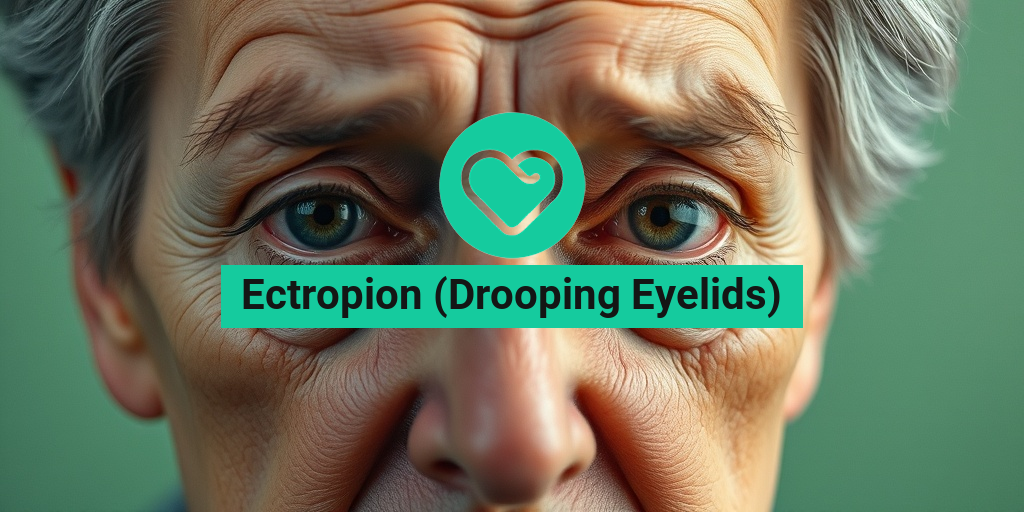
What Is Ectropion?
Ectropion, commonly referred to as drooping eyelids, is a condition where the eyelid turns outward, away from the eyeball. This abnormal positioning can lead to various complications, including dryness, irritation, and exposure of the inner eyelid. Ectropion can affect one or both eyelids and is most commonly seen in older adults due to the natural aging process, but it can also occur in younger individuals due to various factors.
Causes of Ectropion
Understanding the causes of ectropion is crucial for effective management. Some of the primary causes include:
- Aging: As we age, the skin loses elasticity, which can cause the eyelids to sag.
- Injury or Trauma: Any injury to the eyelid can lead to ectropion.
- Medical Conditions: Conditions such as Bell’s palsy, which affects facial muscles, can result in eyelid drooping.
- Congenital Factors: Some individuals are born with eyelid abnormalities that can lead to ectropion.
- Skin Conditions: Conditions like eczema or dermatitis can weaken the eyelid skin.
Recognizing these causes can help in early diagnosis and treatment, preventing further complications.
Ectropion Symptoms
The symptoms of ectropion can vary in severity, but they often include:
- Redness and Irritation: The exposed inner eyelid can become red and irritated due to constant exposure.
- Dry Eyes: With the eyelid not covering the eye properly, dryness can occur, leading to discomfort.
- Excessive Tearing: Paradoxically, some individuals may experience excessive tearing as the eye tries to compensate for dryness.
- Crusting or Discharge: The eye may produce more mucus, leading to crusting, especially upon waking.
- Vision Problems: In severe cases, ectropion can lead to blurred vision due to dryness or irritation.
When to Seek Medical Attention
If you notice any symptoms of ectropion, it’s essential to consult a healthcare professional. Early intervention can prevent complications such as corneal damage or chronic eye infections. A healthcare provider can offer a proper diagnosis and discuss potential treatment options, which may include surgical intervention in more severe cases.
Conclusion
Ectropion, or drooping eyelids, is a condition that can significantly impact your quality of life. Understanding its causes and symptoms is the first step toward effective management. If you suspect you have ectropion, don’t hesitate to reach out to a healthcare provider for guidance. For more information on eye health and related conditions, consider visiting Yesil Health AI, a valuable resource for evidence-based health answers. Remember, taking care of your eyes is crucial for maintaining overall health! 👁️✨
Ectropion Causes
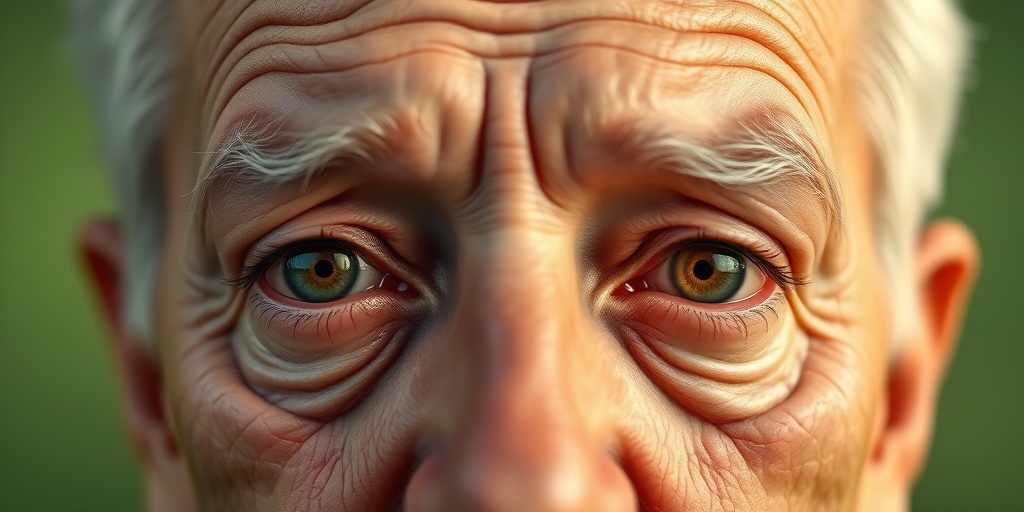
Ectropion, commonly referred to as drooping eyelids, is a condition where the eyelid turns outward, exposing the inner eyelid and potentially leading to discomfort and other complications. Understanding the causes of ectropion is essential for effective management and treatment. Here are some of the primary factors that contribute to this condition:
Age-Related Changes
As we age, the skin loses its elasticity and the muscles around the eyelids weaken. This natural aging process can lead to ectropion, particularly in older adults. The skin may sag, causing the eyelid to pull away from the eye.
Injury or Trauma
Injuries to the eyelid, whether from accidents, surgeries, or burns, can result in ectropion. Such trauma can disrupt the normal structure and function of the eyelid, leading to its outward turning.
Medical Conditions
Several medical conditions can contribute to the development of ectropion, including:
- Bell’s Palsy: This condition affects the facial muscles and can lead to weakness or paralysis, impacting eyelid function.
- Thyroid Disorders: Conditions like Graves’ disease can cause swelling and changes in the eyelid structure.
- Skin Conditions: Chronic skin conditions such as eczema or dermatitis can weaken the eyelid skin, making it more prone to drooping.
Genetic Factors
Some individuals may be genetically predisposed to ectropion. If there is a family history of eyelid issues, the likelihood of developing this condition may increase.
Other Contributing Factors
Additional factors that may lead to ectropion include:
- Excessive Sun Exposure: Prolonged exposure to UV rays can damage the skin around the eyes, leading to sagging.
- Chronic Eye Conditions: Conditions such as conjunctivitis or chronic dry eyes can irritate the eyelids, contributing to their outward turning.
Risk Factors for Ectropion
Identifying the risk factors for ectropion can help in early detection and prevention. Here are some key risk factors to consider:
Age
As mentioned earlier, age is a significant risk factor. The likelihood of developing ectropion increases as individuals grow older, particularly in those over the age of 60. The natural aging process affects skin elasticity and muscle strength, making the eyelids more susceptible to drooping.
Gender
Research indicates that men are more likely to develop ectropion than women. This could be due to differences in skin thickness and muscle tone between genders.
Previous Eye Surgeries
Individuals who have undergone eye surgeries, such as cataract surgery or eyelid surgery (blepharoplasty), may have an increased risk of developing ectropion. Surgical alterations can affect the eyelid’s structure and function.
Chronic Health Conditions
Chronic health issues, particularly those affecting the nerves or muscles, can increase the risk of ectropion. Conditions like stroke or neurological disorders can impair eyelid function, leading to drooping.
Environmental Factors
Living in areas with high levels of pollution or allergens can exacerbate eye conditions, increasing the risk of ectropion. Chronic irritation from environmental factors can weaken the eyelid skin over time.
Family History
If you have a family history of eyelid problems, you may be at a higher risk for developing ectropion. Genetic predisposition plays a role in the likelihood of experiencing this condition.
Understanding the causes and risk factors associated with ectropion is crucial for prevention and early intervention. If you notice any symptoms or changes in your eyelids, it’s essential to consult with a healthcare professional for proper evaluation and treatment. 🩺👁️
Ectropion Diagnosis
Diagnosing ectropion, commonly known as drooping eyelids, involves a thorough examination by an eye care professional. This condition occurs when the eyelid turns outward, exposing the inner eyelid and potentially leading to discomfort and other complications. Here’s how the diagnosis process typically unfolds:
Initial Consultation
During your initial visit, the eye doctor will ask about your medical history and any symptoms you may be experiencing. Common symptoms of ectropion include:
- Redness or irritation of the eye
- Excessive tearing or dryness
- Discomfort or a sensation of something in the eye
- Vision changes in severe cases
Physical Examination
The eye care professional will conduct a physical examination of your eyelids and eyes. They may use a slit lamp to get a closer look at the eyelid structure and assess the extent of the drooping. This examination helps in determining whether the ectropion is due to age-related changes, injury, or other underlying conditions.
Additional Tests
In some cases, additional tests may be necessary to rule out other conditions or to assess the overall health of your eyes. These tests can include:
- Schirmer test to measure tear production
- Fluorescein staining to check for corneal damage
- Visual acuity tests to evaluate your vision
Once the diagnosis is confirmed, your eye care professional will discuss the best treatment options tailored to your specific needs.
Ectropion Treatment Options
Treating ectropion effectively depends on the underlying cause and severity of the condition. Here are the most common treatment options available:
Non-Surgical Treatments
For mild cases of ectropion, non-surgical treatments may be sufficient to alleviate symptoms:
- Artificial tears: These can help relieve dryness and irritation caused by exposure of the inner eyelid.
- Ointments: Lubricating ointments can provide longer-lasting relief, especially at night.
- Cold compresses: Applying a cold compress can reduce swelling and discomfort.
Surgical Treatments
If non-surgical treatments do not provide relief or if the ectropion is more severe, surgical intervention may be necessary. Surgical options include:
- Blepharoplasty: This procedure involves removing excess skin and tightening the eyelid to restore its normal position.
- Canthoplasty: This surgery repositions the eyelid by altering the outer corner of the eye, providing better support.
- Skin grafts: In some cases, skin grafts may be used to repair the eyelid.
Recovery from surgery typically involves some swelling and bruising, but most patients can return to their normal activities within a few weeks. Your eye care professional will provide specific aftercare instructions to ensure optimal healing.
Managing Underlying Conditions
In cases where ectropion is caused by underlying conditions such as facial paralysis or trauma, addressing these issues is crucial. Treatment may involve:
- Physical therapy to improve muscle function
- Medications to manage symptoms
- Further surgical interventions to correct the underlying issue
It’s essential to consult with a qualified eye care professional to determine the most appropriate treatment plan for your specific situation. Early intervention can help prevent complications and improve your quality of life. 🩺👁️

Ectropion Home Remedies
Ectropion, commonly known as drooping eyelids, can be a bothersome condition that affects not only your appearance but also your eye health. While medical treatments are available, many people seek home remedies to alleviate symptoms and improve their condition. Here are some effective home remedies you can try:
1. Warm Compresses
Applying a warm compress to your eyelids can help soothe irritation and promote better circulation. To do this:
- Soak a clean cloth in warm water.
- Wring out the excess water and place the cloth over your closed eyelids for about 10-15 minutes.
- Repeat this process 2-3 times a day for optimal results.
This simple remedy can help reduce inflammation and provide relief from discomfort. 😊
2. Artificial Tears
Dry eyes can exacerbate the symptoms of ectropion. Using artificial tears can help keep your eyes lubricated and comfortable. Look for preservative-free options to avoid further irritation. Apply them as needed throughout the day, especially in dry or windy environments.
3. Aloe Vera Gel
Aloe vera is known for its soothing properties. Applying a small amount of pure aloe vera gel around the eyelids can help reduce inflammation and promote healing. Ensure that you avoid getting the gel in your eyes. Use this remedy once or twice daily for the best results.
4. Cucumber Slices
Cucumbers are not just a refreshing snack; they can also help reduce puffiness and irritation around the eyes. Place chilled cucumber slices over your eyelids for about 10-15 minutes. This natural remedy can provide a cooling effect and help alleviate discomfort. 🥒
5. Omega-3 Fatty Acids
Incorporating foods rich in omega-3 fatty acids into your diet can improve overall eye health. Foods such as salmon, walnuts, and flaxseeds can help reduce inflammation and support tear production. Consider adding these foods to your meals for better eye health.
Ectropion Prevention Tips
Preventing ectropion is essential for maintaining healthy eyelids and eyes. Here are some practical tips to help you avoid developing this condition:
1. Protect Your Eyes from Sun Damage
Excessive sun exposure can weaken the skin around your eyes, leading to drooping eyelids. Always wear sunglasses with UV protection when outdoors. This simple step can help shield your eyes from harmful rays and maintain skin elasticity. 🕶️
2. Maintain Good Eye Hygiene
Keeping your eyes clean can prevent infections and irritation that may contribute to ectropion. Make sure to:
- Wash your hands before touching your eyes.
- Remove makeup thoroughly before bed.
- Use clean towels and avoid sharing personal items.
3. Stay Hydrated
Proper hydration is crucial for maintaining healthy skin and eyes. Aim to drink at least 8 glasses of water a day. Staying hydrated helps keep your skin supple and can prevent dryness around the eyes.
4. Regular Eye Check-ups
Regular visits to an eye care professional can help detect any issues early on. If you notice any changes in your eyelids or vision, don’t hesitate to seek professional advice. Early intervention can prevent more serious conditions from developing.
5. Manage Allergies
Allergies can lead to eye irritation and drooping eyelids. If you suffer from allergies, work with your healthcare provider to manage your symptoms effectively. This may include using antihistamines or avoiding known allergens.
By incorporating these home remedies and prevention tips into your routine, you can take proactive steps to manage ectropion and maintain healthy eyelids. Remember, while home remedies can be effective, it’s essential to consult with a healthcare professional for persistent issues. Your eye health is worth it! 👁️✨

Frequently Asked Questions about Ectropion (Drooping Eyelids)
What is Ectropion?
Ectropion, commonly referred to as drooping eyelids, is a condition where the eyelid turns outward, exposing the inner eyelid and potentially leading to discomfort and vision problems.
What causes Ectropion?
There are several factors that can contribute to the development of ectropion, including:
- Age-related changes in the eyelid
- Injury or trauma to the eyelid
- Previous eye surgeries
- Medical conditions such as Bell’s palsy
What are the symptoms of Ectropion?
Individuals with drooping eyelids may experience a variety of symptoms, including:
- Redness and irritation of the eye
- Excessive tearing or dryness
- Difficulty closing the eye completely
- Increased sensitivity to light
How is Ectropion diagnosed?
A healthcare professional typically diagnoses ectropion through a comprehensive eye examination. They may assess the eyelid’s position and function, as well as inquire about any symptoms you may be experiencing.
What are the treatment options for Ectropion?
Treatment for drooping eyelids may vary depending on the severity of the condition. Options include:
- Lubricating eye drops to relieve dryness
- Botox injections to temporarily tighten the eyelid
- Surgical procedures to correct the eyelid position
Can Ectropion be prevented?
While not all cases of ectropion can be prevented, maintaining good eye health and protecting your eyes from injury can help reduce the risk. Regular eye check-ups are also recommended.
Is Ectropion serious?
While drooping eyelids may not always pose a serious health risk, they can lead to complications such as chronic eye irritation or vision problems if left untreated. It is important to seek medical advice if you notice symptoms.
When should I see a doctor?
If you experience symptoms of ectropion, such as persistent eye irritation or difficulty closing your eyelids, it is advisable to consult a healthcare professional for evaluation and potential treatment options.
Can Ectropion affect vision?
Yes, drooping eyelids can affect vision by obstructing the field of view or causing discomfort, which may lead to difficulties in daily activities. Early intervention can help mitigate these effects.
Are there any home remedies for Ectropion?
While professional treatment is often necessary, some home remedies may provide temporary relief, such as:
- Using warm compresses to soothe irritation
- Applying artificial tears to alleviate dryness
However, it is essential to consult with a healthcare provider before trying any home remedies.