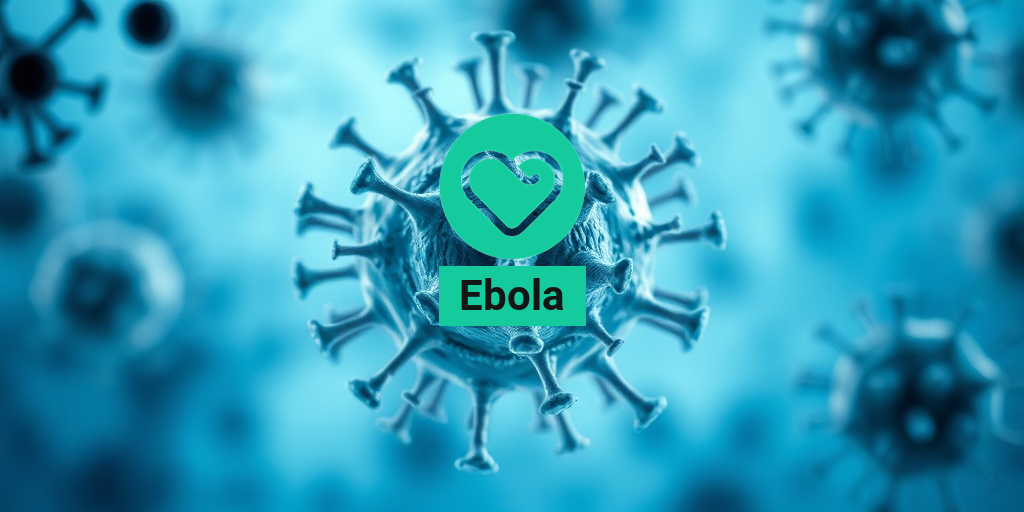
What Is Ebola?
Ebola is a severe and often deadly disease caused by the Ebola virus, which belongs to the family of viruses known as Filoviridae. First identified in 1976 near the Ebola River in the Democratic Republic of the Congo, this virus has since caused several outbreaks across Africa and has raised global health concerns due to its high mortality rate and potential for spread.
Understanding the Ebola Virus
The Ebola virus is transmitted to humans from wild animals, such as fruit bats, monkeys, and antelopes. Once a person is infected, the virus can spread through direct contact with bodily fluids of infected individuals, including blood, saliva, sweat, and vomit. This makes it crucial to understand the transmission dynamics to prevent outbreaks.
Historical Context
Since its discovery, there have been multiple Ebola outbreaks, with the most significant occurring in West Africa between 2014 and 2016, resulting in over 11,000 deaths. The World Health Organization (WHO) and various health organizations have since worked tirelessly to improve response strategies and develop vaccines to combat this deadly virus.
Ebola Symptoms
Recognizing the symptoms of Ebola is vital for early diagnosis and treatment. Symptoms typically appear between 2 to 21 days after exposure to the virus, with an average of 8 to 10 days. Here are the primary symptoms to watch for:
Initial Symptoms
- Fever: A sudden onset of fever is often the first sign of infection.
- Fatigue: Extreme tiredness and weakness can occur.
- Muscle Pain: Many patients report severe muscle aches.
- Headache: Intense headaches are common.
- Sore Throat: A sore throat may develop early in the infection.
Progressive Symptoms
As the disease progresses, more severe symptoms may manifest, including:
- Vomiting: Patients may experience persistent vomiting.
- Diarrhea: Severe diarrhea can lead to dehydration.
- Rash: A rash may appear on the skin.
- Internal and External Bleeding: This can occur in severe cases, leading to bleeding from the eyes, ears, and nose.
Seeking Medical Attention
If you or someone you know exhibits these symptoms, especially after potential exposure to the virus, it is crucial to seek medical attention immediately. Early diagnosis and supportive care can significantly improve the chances of survival.
Preventive Measures
Preventing the spread of Ebola involves several key strategies:
- Avoiding contact: Stay away from infected individuals and their bodily fluids.
- Safe burial practices: Follow health guidelines for handling the bodies of those who have died from Ebola.
- Vaccination: Vaccines have been developed and are used in outbreak situations to protect those at risk.
For more detailed information on Ebola, including the latest research and health guidelines, consider visiting Yesil Health AI, a valuable resource for evidence-based health answers.
Understanding Ebola is essential for prevention and control. By being informed about the symptoms and transmission of this virus, we can work together to combat its spread and protect our communities. 🌍💉

Ebola Transmission
The Ebola virus is a highly infectious pathogen that can lead to severe illness and death. Understanding how the virus spreads is crucial for prevention and control measures. Let’s delve into the various modes of transmission associated with the Ebola virus.
Direct Contact with Infected Individuals
The primary mode of Ebola transmission is through direct contact with the bodily fluids of an infected person. This includes:
- Blood
- Saliva
- Urine
- Vomitus
- Sweat
- Semen
- Breast milk
When these fluids come into contact with broken skin or mucous membranes (such as the eyes, nose, or mouth), the virus can enter the body, leading to infection. This is particularly concerning in healthcare settings where protective measures may not be adequately followed. 🏥
Transmission through Contaminated Objects
Another way the Ebola virus can spread is through contact with contaminated objects. Items such as needles, syringes, or medical equipment that have been used on an infected person can harbor the virus. This highlights the importance of proper sanitation and disposal practices in healthcare environments.
Transmission from Animals to Humans
The Ebola virus is zoonotic, meaning it can be transmitted from animals to humans. Fruit bats are considered the natural reservoir for the virus, but other animals such as monkeys and apes can also carry it. Humans can become infected through:
- Handling or consuming infected animals
- Contact with animal bodily fluids
In regions where Ebola outbreaks occur, it is crucial to avoid hunting or consuming bushmeat, as this poses a significant risk of transmission. 🦇
Airborne Transmission: Myth or Reality?
Unlike some viruses, the Ebola virus is not transmitted through the air. It does not spread via respiratory droplets like the flu or COVID-19. This fact is vital for public health messaging, as it helps to clarify misconceptions about how the virus spreads. However, close contact with an infected person remains a significant risk factor.
Ebola Risk Factors
Understanding the risk factors associated with Ebola can help in identifying individuals who may be more susceptible to infection. Here are some key factors to consider:
Geographical Location
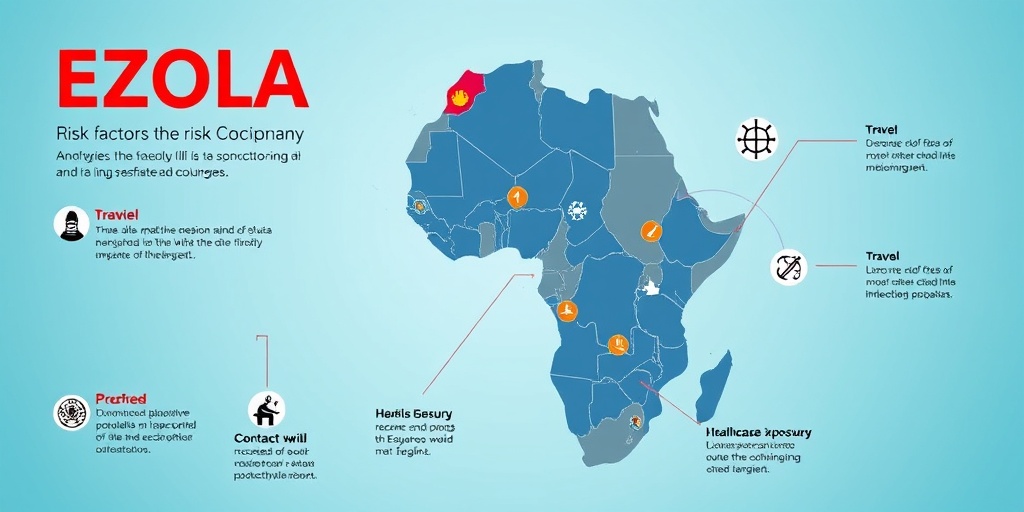
Individuals living in or traveling to regions where Ebola outbreaks are common, such as parts of Africa, are at a higher risk. Countries like the Democratic Republic of the Congo and Guinea have experienced significant outbreaks in the past. 🌍
Occupational Exposure
Certain professions carry a higher risk of exposure to the Ebola virus. These include:
- Healthcare workers who treat infected patients
- Laboratory personnel working with the virus
- Funeral workers who handle bodies of deceased individuals
Proper training and protective equipment are essential for these individuals to minimize their risk of infection.
Community Practices
Cultural practices, such as traditional burial rites that involve washing or touching the body of the deceased, can increase the risk of transmission. Communities must be educated about safe burial practices to prevent further spread of the virus. 🕊️
Travel and Migration
Travelers returning from affected areas can inadvertently introduce the virus to new regions. It is crucial for travelers to be aware of their health status and to monitor for symptoms if they have been in contact with infected individuals or animals.
Underlying Health Conditions
Individuals with compromised immune systems or pre-existing health conditions may be more susceptible to severe illness if infected with the Ebola virus. Maintaining good health and seeking medical advice when necessary can help mitigate these risks.
In conclusion, understanding the transmission and risk factors associated with the Ebola virus is essential for effective prevention and control. By being informed, individuals and communities can take proactive steps to protect themselves and others from this deadly virus. 🛡️
Ebola Diagnosis
Diagnosing Ebola can be a complex process due to the similarity of its symptoms with other diseases. Early detection is crucial for effective treatment and containment of the virus. Here’s a closer look at how healthcare professionals diagnose this serious illness.
Understanding the Symptoms
The initial symptoms of Ebola virus infection typically appear between 2 to 21 days after exposure. Common symptoms include:
- Fever
- Severe headache
- Muscle pain
- Fatigue
- Diarrhea
- Vomiting
- Abdominal pain
- Unexplained bleeding or bruising
Due to these symptoms being common in many other illnesses, including malaria and typhoid fever, a thorough medical history and exposure assessment are essential.
Laboratory Testing
To confirm a diagnosis of Ebola, healthcare providers rely on laboratory tests. These tests can detect the virus in blood or other bodily fluids. The most common tests include:
- Polymerase Chain Reaction (PCR) Test: This test detects the genetic material of the virus and is highly sensitive and specific.
- Antigen Detection Tests: These tests identify specific proteins from the virus.
- Serology Tests: These tests look for antibodies produced in response to the virus, but they are not useful in the early stages of infection.
It’s important to note that testing should be conducted in a laboratory equipped to handle infectious materials, as Ebola is highly contagious and poses significant risks to healthcare workers.
Risk Assessment and History
In addition to laboratory tests, healthcare providers will assess the patient’s risk factors, including:
- Recent travel to areas experiencing Ebola outbreaks
- Contact with individuals who have been diagnosed with Ebola
- Exposure to infected animals, such as bats or primates
Gathering this information is vital for determining the likelihood of an Ebola infection and for implementing appropriate public health measures.
Ebola Treatment Options
Once diagnosed, the treatment of Ebola focuses on supportive care, as there is no specific antiviral treatment approved for the virus. However, several options have emerged that can significantly improve outcomes.
Supportive Care
Supportive care is the cornerstone of Ebola treatment. This includes:
- Hydration: Maintaining fluid balance is critical, as patients often experience severe dehydration due to vomiting and diarrhea.
- Electrolyte Management: Replenishing electrolytes helps maintain bodily functions.
- Pain Management: Medications may be administered to alleviate pain and discomfort.
- Monitoring: Continuous monitoring of vital signs and organ function is essential to detect any complications early.
Experimental Treatments
In recent years, several experimental treatments have shown promise in treating Ebola. These include:
- Monoclonal Antibodies: Treatments like Inmazeb and Ebanga have been authorized for use and have demonstrated effectiveness in reducing mortality rates.
- Antiviral Drugs: Research is ongoing into antiviral medications that may inhibit the virus’s replication.
- Vaccination: The rVSV-ZEBOV vaccine has been shown to be effective in preventing Ebola and is used in outbreak response efforts.
Importance of Early Treatment
Early intervention is crucial in improving survival rates for those infected with Ebola. The sooner treatment begins, the better the chances of recovery. Public health measures, including isolation of infected individuals and contact tracing, are also vital in controlling outbreaks and preventing further transmission.
In conclusion, while the diagnosis and treatment of Ebola can be challenging, advancements in medical science and supportive care have significantly improved outcomes for patients. Awareness and education about the virus are essential in combating its spread and ensuring timely medical intervention. 🌍💉
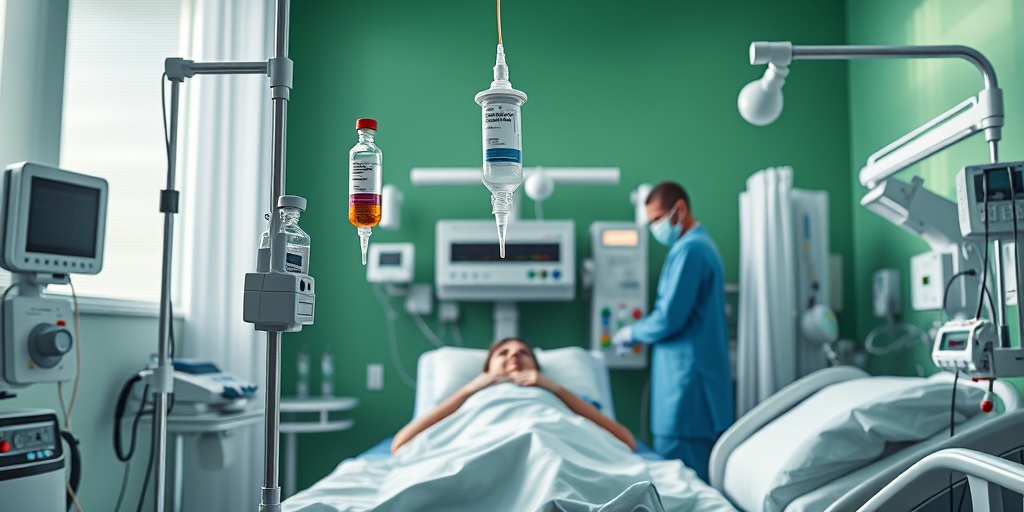
Ebola Prevention Strategies
The Ebola virus is a severe and often fatal illness that has caused significant outbreaks in various parts of Africa. Understanding how to prevent its spread is crucial for public health. Here are some effective strategies to help mitigate the risk of Ebola transmission.
1. Awareness and Education
One of the most effective ways to prevent Ebola is through education. Communities must be informed about the virus, its symptoms, and transmission methods. Key points to cover include:
- Understanding Symptoms: Common symptoms of Ebola include fever, severe headache, muscle pain, weakness, fatigue, diarrhea, vomiting, abdominal pain, and unexplained bleeding or bruising.
- Transmission Routes: Ebola is transmitted through direct contact with bodily fluids of infected individuals, including blood, saliva, sweat, and vomit.
2. Safe Burial Practices
In many cultures, traditional burial practices can pose a risk of Ebola transmission. It is essential to implement safe burial practices that minimize contact with the deceased. This includes:
- Using Protective Gear: Those handling the body should wear appropriate personal protective equipment (PPE).
- Limiting Contact: Only a small number of people should be allowed to participate in the burial, and they should be educated on safe practices.
3. Hygiene and Sanitation
Maintaining high standards of hygiene is vital in preventing the spread of the Ebola virus. Here are some hygiene practices to adopt:
- Frequent Handwashing: Regular handwashing with soap and water or using hand sanitizer can significantly reduce the risk of infection.
- Disinfecting Surfaces: Regularly clean and disinfect surfaces that may come into contact with bodily fluids.
4. Vaccination
The development of an Ebola vaccine has been a significant advancement in preventing outbreaks. Vaccination can help protect individuals at high risk, such as healthcare workers and those living in outbreak areas. The vaccine has shown promising results in clinical trials and is now being used in outbreak responses.
5. Monitoring and Reporting
Timely reporting of suspected Ebola cases is crucial for controlling outbreaks. Health authorities should establish systems for:
- Surveillance: Monitoring for symptoms in communities, especially in areas with known outbreaks.
- Rapid Response: Quick mobilization of healthcare teams to investigate and manage suspected cases.
Ebola Global Impact
The Ebola outbreak has had far-reaching effects not only on health systems but also on economies and societies worldwide. Understanding the global impact of Ebola is essential for developing effective responses to future outbreaks.
1. Health Systems Strain
During major outbreaks, healthcare systems in affected countries often become overwhelmed. This strain can lead to:
- Resource Allocation Issues: Hospitals may struggle to provide care for non-Ebola patients due to the focus on managing the outbreak.
- Healthcare Worker Safety: The risk to healthcare workers increases, leading to a shortage of trained personnel.
2. Economic Consequences
The economic impact of Ebola outbreaks can be devastating. Key effects include:
- Decline in Tourism: Countries experiencing outbreaks often see a significant drop in tourism, affecting local economies.
- Trade Disruptions: Restrictions on movement and trade can lead to shortages of essential goods and services.
3. Social and Psychological Effects
The social fabric of communities can be deeply affected by Ebola outbreaks. This includes:
- Stigmatization: Survivors and families of those affected may face stigma and discrimination.
- Psychological Trauma: The fear and loss associated with Ebola can lead to long-term mental health issues in affected populations.
4. Global Health Initiatives
The international response to Ebola has led to increased collaboration among countries and organizations. Initiatives include:
- Improved Surveillance Systems: Countries are working together to enhance disease surveillance and reporting mechanisms.
- Research and Development: Increased funding for research into vaccines and treatments for Ebola and other infectious diseases.
In conclusion, the impact of Ebola extends beyond health, affecting economies and societies globally. By implementing effective prevention strategies and fostering international collaboration, we can better prepare for and respond to future outbreaks. 🌍💉
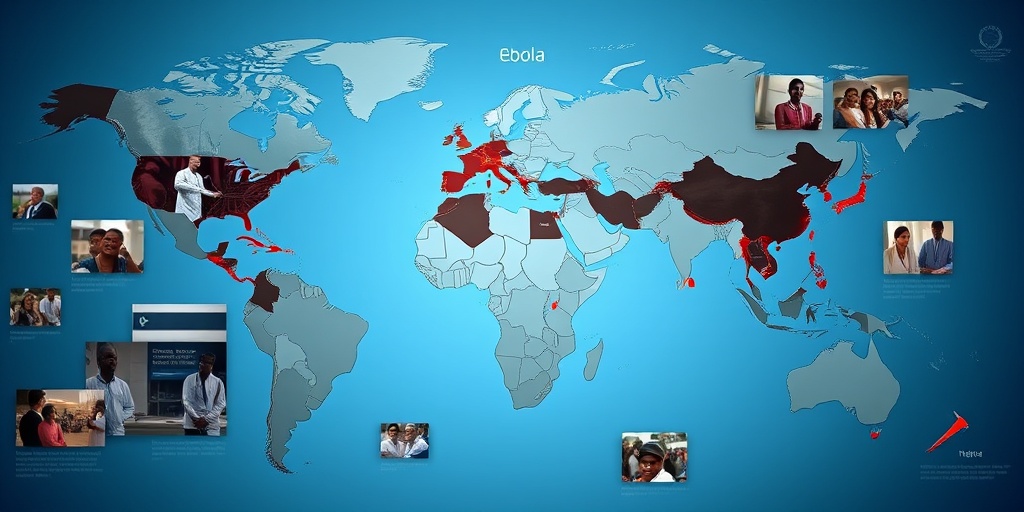
Frequently Asked Questions about Ebola
What is Ebola?
Ebola is a severe viral illness caused by the Ebola virus, which can lead to high mortality rates. It is primarily transmitted through direct contact with bodily fluids of infected individuals or animals.
What are the symptoms of Ebola?
The symptoms of Ebola typically appear 2 to 21 days after exposure and may include:
- Fever
- Severe headache
- Muscle pain
- Weakness
- Diarrhea
- Vomiting
- Abdominal pain
- Unexplained bleeding or bruising
How is Ebola transmitted?
Ebola is transmitted through direct contact with the bodily fluids of an infected person, such as blood, saliva, sweat, vomit, or other secretions. It can also spread through contact with contaminated surfaces or objects.
Is there a vaccine for Ebola?
Yes, there is a vaccine for Ebola. The rVSV-ZEBOV vaccine has been shown to be effective in preventing the disease and is used in outbreak response efforts.
What should I do if I suspect I have been exposed to Ebola?
If you believe you have been exposed to Ebola, it is crucial to seek medical attention immediately. Inform healthcare providers about your potential exposure to ensure proper precautions are taken.
How can I protect myself from Ebola?
To protect yourself from Ebola, consider the following precautions:
- Avoid contact with infected individuals or animals.
- Practice good hygiene, including frequent handwashing.
- Use personal protective equipment (PPE) if caring for infected patients.
- Stay informed about outbreaks in your area.
What are the long-term effects of Ebola?
Some survivors of Ebola may experience long-term health issues, including joint pain, vision problems, and fatigue. Ongoing medical care and support are essential for recovery.
Where have recent Ebola outbreaks occurred?
Recent outbreaks of Ebola have primarily occurred in parts of Africa, particularly in countries like the Democratic Republic of the Congo and Guinea. Monitoring and response efforts are crucial to controlling the spread of the virus.
Can Ebola be treated?
While there is no specific cure for Ebola, supportive care can significantly improve survival rates. This includes hydration, pain relief, and treatment of any secondary infections.
What is the mortality rate of Ebola?
The mortality rate of Ebola can vary widely depending on the outbreak and the virus strain, ranging from 25% to 90%. Early detection and treatment are vital for improving outcomes.