What Is EB?
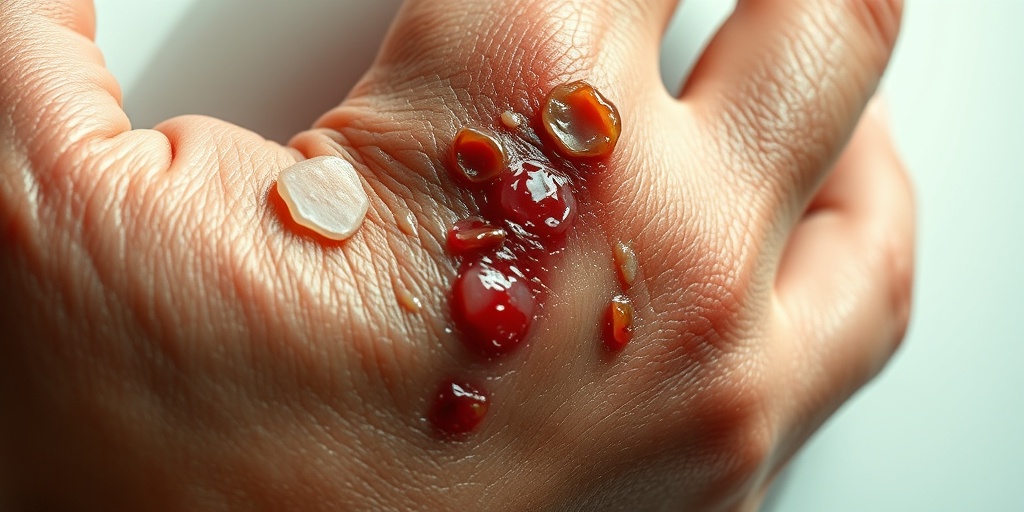
EB, or Epidermolysis Bullosa, is a rare genetic skin disorder characterized by the fragility of the skin and mucous membranes. This condition leads to the formation of blisters and sores, often in response to minor injuries or friction. The severity of EB can vary significantly from person to person, depending on the specific type of EB they have inherited.
Types of EB
There are several types of EB, each classified based on the layer of skin affected and the underlying genetic mutations. The main types include:
- EB Simplex: The most common form, where blisters typically form in the outer layer of the skin (epidermis).
- Dystrophic EB: This type affects the deeper layers of the skin and can lead to scarring and deformities.
- Junctional EB: A rarer form that affects the junction between the epidermis and dermis, often leading to severe complications.
- Kindler Syndrome: A combination of features from different types of EB, characterized by skin fragility and photosensitivity.
Understanding the specific type of EB is crucial for managing symptoms and complications effectively. If you suspect you or someone you know may have EB, consulting a healthcare professional is essential for accurate diagnosis and treatment options.
EB Symptoms
The symptoms of EB can vary widely depending on the type and severity of the condition. However, some common symptoms include:
Blister Formation
One of the hallmark symptoms of EB is the formation of blisters. These can occur on the skin and mucous membranes, often appearing after minimal trauma. The blisters can be painful and may lead to open sores, increasing the risk of infection.
Skin Fragility
Individuals with EB often experience skin that is extremely fragile. Even minor friction, such as rubbing against clothing or bedding, can cause the skin to tear or blister. This fragility can significantly impact daily activities and quality of life.
Scarring and Deformities
In more severe forms of EB, such as Dystrophic EB, repeated blistering can lead to scarring and deformities. Over time, this can affect mobility and function, particularly if the blisters occur on the hands, feet, or joints.
Other Symptoms
In addition to skin-related symptoms, EB can also lead to:
- Dental Issues: Mucosal blisters can affect the mouth, leading to difficulties with eating and oral hygiene.
- Eye Problems: Blisters can form on the eyes, potentially leading to vision issues.
- Infections: Open sores can become infected, requiring careful management to prevent complications.
Managing EB requires a comprehensive approach, including wound care, pain management, and regular check-ups with healthcare providers. For those seeking more information on EB and its management, resources like Yesil Health AI (yesilhealth.com) can provide evidence-based health answers tailored to individual needs.
In conclusion, EB is a complex condition that requires understanding and support. By recognizing the symptoms and types of EB, individuals and families can better navigate the challenges associated with this disorder. If you or someone you know is affected by EB, remember that you are not alone, and there are resources available to help you manage this condition effectively. 🌟
EB Causes
EB, or Epidermolysis Bullosa, is a rare genetic disorder that primarily affects the skin and mucous membranes. Understanding the causes of EB is crucial for managing the condition and providing appropriate care. The primary cause of EB lies in genetic mutations that affect the proteins responsible for skin integrity.
Genetic Mutations
The root cause of EB is genetic mutations in the genes that encode for proteins essential for the structure and function of the skin. These mutations can lead to a deficiency or dysfunction of proteins such as:
- Collagen: A vital protein that provides strength and elasticity to the skin.
- Keratin: A protein that helps form the outer layer of skin and protects against damage.
- Integrins: Proteins that facilitate the adhesion of skin cells to the underlying tissue.
Depending on the specific gene affected, EB can be classified into several types, including:
- EB Simplex: The most common form, caused by mutations in keratin genes.
- Dystrophic EB: Caused by mutations in collagen genes, leading to more severe symptoms.
- Junctional EB: Resulting from mutations in genes that affect the anchoring of the epidermis to the dermis.
Inheritance Patterns
EB is primarily inherited in an autosomal dominant or autosomal recessive manner. This means that:
- In autosomal dominant cases, only one copy of the mutated gene from an affected parent can cause the disorder.
- In autosomal recessive cases, both parents must carry a copy of the mutated gene for their child to be affected.
Genetic counseling is often recommended for families with a history of EB to understand the risks and implications of passing on the condition. 🧬
EB Risk Factors
While EB is primarily a genetic condition, certain risk factors can influence its severity and the likelihood of developing complications. Understanding these risk factors can help in early diagnosis and management.
Family History
Having a family history of EB significantly increases the risk of inheriting the condition. If one or both parents are carriers of the mutated genes, their children may be at risk. Genetic testing can help identify carriers and assess the risk of passing on the disorder. 🏠
Type of EB
The type of EB a person has can also affect the risk of complications. For instance:
- EB Simplex: Generally has a milder course and fewer complications.
- Dystrophic EB: Often leads to more severe skin damage and complications, such as infections and scarring.
- Junctional EB: Can be life-threatening, especially in severe cases.
Environmental Factors
While EB is primarily genetic, environmental factors can exacerbate the condition. These include:
- Friction: Activities that cause friction on the skin can lead to blistering and wounds.
- Temperature: Extreme temperatures can worsen skin integrity and lead to complications.
- Infections: Individuals with EB are more susceptible to skin infections, which can complicate healing.
Awareness of these risk factors can empower individuals and families affected by EB to take proactive steps in managing the condition and seeking appropriate medical care. 🩺
EB Diagnosis
Diagnosing EB (Epidermolysis Bullosa) can be a complex process, as it involves a thorough evaluation of the patient’s medical history, physical examination, and sometimes genetic testing. Understanding the nuances of this condition is crucial for effective management and treatment.
Understanding Epidermolysis Bullosa
EB is a rare genetic disorder characterized by fragile skin that blisters easily. It can occur in various forms, each with different severity levels. The diagnosis typically begins with a detailed assessment of the symptoms, which may include:
- Blistering skin: Blisters can develop in response to minor trauma or friction.
- Skin peeling: Areas of the skin may peel away, leading to open wounds.
- Scarring: Over time, repeated blistering can result in scarring and skin changes.
Clinical Evaluation
The first step in diagnosing EB is a clinical evaluation by a dermatologist. During this examination, the doctor will:
- Review the patient’s medical history, including any family history of skin disorders.
- Conduct a physical examination to assess the extent and pattern of blistering.
- Evaluate the patient’s overall health and any associated symptoms.
Genetic Testing
In many cases, a definitive diagnosis of EB requires genetic testing. This involves:
- Skin biopsy: A small sample of skin is taken and examined under a microscope to identify the specific type of EB.
- DNA analysis: Genetic testing can identify mutations in the genes responsible for EB, confirming the diagnosis and helping to determine the specific subtype.
Genetic testing is particularly important for families with a history of EB, as it can provide valuable information for family planning and management strategies. 🧬
EB Treatment Options
While there is currently no cure for EB, various treatment options can help manage symptoms, prevent complications, and improve the quality of life for those affected. The treatment plan often depends on the type and severity of EB.
Wound Care Management
Proper wound care is essential for individuals with EB to prevent infections and promote healing. Key components of wound care include:
- Gentle cleansing: Use mild soap and water to clean the affected areas without causing further damage.
- Moisturizing: Keeping the skin hydrated can help reduce friction and prevent blister formation.
- Dressings: Specialized dressings can protect blisters and wounds, allowing them to heal more effectively.
Pain Management
Pain is a common issue for individuals with EB. Effective pain management strategies may include:
- Topical analgesics: Creams or ointments can help alleviate localized pain.
- Oral medications: Over-the-counter pain relievers or prescription medications may be necessary for more severe pain.
Nutritional Support
Maintaining a balanced diet is crucial for individuals with EB, as proper nutrition can aid in healing and overall health. Some recommendations include:
- High-calorie foods: Due to the energy demands of healing, a diet rich in calories and nutrients is essential.
- Hydration: Staying well-hydrated helps maintain skin elasticity and overall health.
Physical Therapy
For individuals with more severe forms of EB, physical therapy can be beneficial. It may help improve mobility, strengthen muscles, and prevent contractures (tightening of the skin). A physical therapist can design a personalized program tailored to the individual’s needs. 🏋️♂️
Psychosocial Support
Living with EB can be challenging, both physically and emotionally. Providing psychosocial support is vital for individuals and their families. This may include:
- Counseling: Professional counseling can help individuals cope with the emotional aspects of living with a chronic condition.
- Support groups: Connecting with others who have EB can provide a sense of community and shared experiences.
In conclusion, while EB presents significant challenges, a comprehensive treatment approach can help manage symptoms and improve the quality of life for those affected. With ongoing research and advancements in treatment options, there is hope for better management of this condition in the future. 🌟

EB Lifestyle Changes
Living with EB (Epidermolysis Bullosa) can be challenging, but making certain lifestyle changes can significantly improve the quality of life for those affected. Here, we explore practical adjustments that can help manage symptoms and enhance overall well-being.
1. Skin Care Routine
One of the most critical aspects of managing EB is establishing a comprehensive skin care routine. This includes:
- Gentle Cleansing: Use mild, fragrance-free cleansers to avoid irritation.
- Moisturizing: Regularly apply emollients to keep the skin hydrated and reduce friction.
- Wound Care: Promptly treat any blisters or wounds with appropriate dressings to prevent infection.
2. Clothing Choices
Choosing the right clothing can make a significant difference in comfort levels. Consider the following:
- Soft Fabrics: Opt for breathable, soft materials like cotton that minimize friction against the skin.
- Loose Fit: Wear loose-fitting clothes to reduce pressure on sensitive areas.
- Layering: Layer clothing to protect the skin from environmental factors while allowing for easy adjustments.
3. Nutrition and Hydration
A balanced diet plays a vital role in skin health and overall well-being. Focus on:
- Hydration: Drink plenty of water to keep the skin hydrated from within.
- Nutrient-Rich Foods: Incorporate foods high in vitamins A, C, and E, which are essential for skin repair.
- Omega-3 Fatty Acids: Include sources like fish, flaxseeds, and walnuts to help reduce inflammation.
4. Physical Activity
Engaging in regular physical activity can boost both physical and mental health. Here are some tips:
- Low-Impact Exercises: Activities like swimming or cycling can be easier on the skin while providing cardiovascular benefits.
- Stretching: Incorporate stretching routines to improve flexibility and reduce the risk of injury.
- Listen to Your Body: Always pay attention to how your body responds and adjust your activities accordingly.
5. Stress Management
Managing stress is crucial for individuals with EB. Consider these techniques:
- Meditation: Practice mindfulness or meditation to help reduce anxiety and promote relaxation.
- Support Groups: Join support groups to connect with others who understand your experiences.
- Hobbies: Engage in hobbies that bring joy and distraction from daily challenges.
EB Support Resources
Finding the right support is essential for individuals living with EB. Here are some valuable resources that can provide assistance, information, and community support.
1. Medical Professionals
Consulting with healthcare providers who specialize in EB is crucial. Look for:
- Dermatologists: Specialists who can provide tailored skin care advice and treatment options.
- Genetic Counselors: Professionals who can offer insights into the genetic aspects of EB.
- Nutritionists: Experts who can help create a diet plan that supports skin health.
2. Online Communities
Connecting with others who share similar experiences can be incredibly beneficial. Consider joining:
- Facebook Groups: Many groups focus on EB support, sharing tips and personal stories.
- Forums: Websites dedicated to skin conditions often have sections for EB discussions.
- Reddit: Subreddits related to health can provide a platform for sharing experiences and advice.
3. Non-Profit Organizations
Several organizations are dedicated to supporting individuals with EB. Some notable ones include:
- The Dystrophic Epidermolysis Bullosa Research Association (DEBRA): A global organization that provides resources, advocacy, and funding for research.
- EB Research Partnership: Focused on funding research to find a cure for EB.
- Local Support Groups: Many communities have local chapters that offer in-person support and resources.
4. Educational Resources
Staying informed about EB is vital. Look for:
- Webinars: Many organizations host educational webinars on managing EB.
- Newsletters: Subscribe to newsletters from reputable organizations for the latest research and resources.
- Books and Articles: Read literature focused on EB to gain deeper insights into the condition.
By implementing these lifestyle changes and utilizing available support resources, individuals with EB can lead healthier, more fulfilling lives. Remember, you are not alone in this journey! 💪✨

Frequently Asked Questions (FAQ)
What is EB?
EB refers to a variety of terms depending on the context. It can stand for different concepts in finance, technology, or even e-commerce. If you are looking for specific information, please clarify the context in which you are interested in EB.
How does EB relate to e-commerce platforms?
In the realm of e-commerce, EB can often be associated with platforms like eBay. These platforms allow users to buy and sell a wide range of products, making them a popular choice for online shopping.
What are the benefits of using EB for online transactions?
- Wide Reach: Platforms associated with EB often have a global audience, allowing sellers to reach more customers.
- Variety of Products: Users can find a diverse range of items, from electronics to collectibles.
- User-Friendly Interface: Many EB platforms are designed to be easy to navigate, making online shopping accessible for everyone.
Can I sell items on EB platforms?
Yes! Many platforms related to EB allow users to list their items for sale. This can be a great way to declutter your home or start a small business. Just be sure to follow the platform’s guidelines for listing items.
What should I consider when buying on EB platforms?
- Seller Ratings: Always check the seller’s ratings and reviews to ensure a positive buying experience.
- Return Policies: Familiarize yourself with the return policies of the platform to avoid any surprises.
- Shipping Costs: Be aware of shipping fees, as they can affect the overall cost of your purchase.
Is it safe to use EB platforms for transactions?
While many EB platforms have security measures in place, it is essential to exercise caution. Always use secure payment methods and be wary of deals that seem too good to be true. 🛡️
How can I find the best deals on EB platforms?
To find the best deals, consider the following tips:
- Compare Prices: Check multiple listings for the same item to find the best price.
- Use Filters: Utilize search filters to narrow down your options based on price, condition, and location.
- Sign Up for Alerts: Many platforms allow you to set alerts for specific items, so you can be notified when prices drop.
What are some common terms associated with EB?
Some common terms you might encounter include:
- EBITDA: Earnings Before Interest, Taxes, Depreciation, and Amortization, a financial metric used to evaluate a company’s profitability.
- EBay Kleinanzeigen: A popular classifieds platform in Germany for buying and selling items locally.
- EBike: An electric bicycle that has gained popularity for eco-friendly transportation.
Where can I learn more about EB?
For more information, consider visiting official websites, forums, or community groups related to EB topics. Engaging with others can provide valuable insights and tips! 🌐