What Is Drowning Prevention?
Drowning prevention refers to a series of strategies and practices aimed at reducing the risk of drowning incidents. It encompasses a wide range of activities, from educating the public about water safety to implementing policies that promote safe environments around bodies of water. Drowning is a significant public health issue, and understanding how to prevent it is crucial for individuals, families, and communities.
The Importance of Drowning Prevention
Drowning is often a silent tragedy, occurring quickly and without warning. It can affect anyone, regardless of age or swimming ability. Drowning prevention is essential because it not only saves lives but also reduces the emotional and financial burden on families and communities. By promoting awareness and education, we can create safer environments for everyone.
Key Strategies for Drowning Prevention
- Education and Awareness: Teaching children and adults about water safety is vital. This includes swimming lessons, understanding water conditions, and recognizing the signs of distress in others.
- Supervision: Always supervise children when they are in or near water. Designate a responsible adult to keep a close eye on them, especially in pools, lakes, or beaches.
- Barriers and Safety Equipment: Installing fences around pools, using life jackets, and having rescue equipment readily available can significantly reduce the risk of drowning.
- Emergency Preparedness: Knowing how to respond in an emergency can save lives. This includes learning CPR and having a plan in place for water-related emergencies.
By implementing these strategies, we can work towards a future where drowning incidents are significantly reduced. For more detailed information on water safety and drowning prevention, consider visiting Yesil Health AI, a valuable resource for evidence-based health answers.
Drowning Statistics
Understanding the statistics surrounding drowning can help highlight the urgency of drowning prevention efforts. Here are some key statistics that illustrate the impact of drowning:
Global Drowning Statistics
- According to the World Health Organization (WHO), approximately 236,000 people drown each year worldwide, making it a leading cause of unintentional injury death.
- Children aged 1-4 years are at the highest risk, with drowning being the second leading cause of death in this age group.
- In many countries, drowning rates are significantly higher in low- and middle-income regions, where access to swimming lessons and safety measures may be limited.
Drowning in Specific Regions
In New Zealand, for example, drowning remains a significant public health concern. The Drowning Prevention Coalition reports that around 100 people drown each year, with many of these incidents occurring in natural bodies of water. Similarly, in Australia, drowning prevention initiatives have been implemented to address the alarming rates of drowning, particularly among children.
Seasonal Trends
Drowning incidents often peak during warmer months when more people engage in water-related activities. This highlights the importance of drowning prevention week and drowning prevention month, which aim to raise awareness and promote safety measures during these critical times.
In conclusion, drowning prevention is a vital aspect of public health that requires collective effort and awareness. By understanding the statistics and implementing effective strategies, we can work towards a future where drowning incidents are significantly reduced. Remember, whether it’s through education, supervision, or safety measures, every action counts in the fight against drowning. 🌊💙
Common Causes of Drowning
Drowning is a tragic and preventable incident that can occur in various environments. Understanding the common causes of drowning is crucial for effective drowning prevention strategies. Here are some of the most frequent causes:
1. Lack of Supervision
One of the leading causes of drowning, especially among children, is the lack of proper supervision. Whether at home, in public pools, or at the beach, adult supervision is essential. Children can slip beneath the surface in seconds, making vigilant oversight critical.
2. Inexperienced Swimmers
Many individuals, particularly children, may not have adequate swimming skills. Inexperienced swimmers are at a higher risk of drowning, especially in unfamiliar or deep waters. Enrolling in swimming lessons can significantly enhance safety and confidence in the water.
3. Alcohol Consumption
Alcohol is a significant risk factor for drowning incidents among adults. Consuming alcohol can impair judgment, coordination, and reaction times, increasing the likelihood of accidents in or near water. It’s essential to drink responsibly, especially when engaging in water activities.
4. Unfamiliar Environments
Swimming in unfamiliar locations, such as lakes or oceans, can pose hidden dangers. Strong currents, sudden drop-offs, and underwater obstacles can catch swimmers off guard. Always familiarize yourself with the area and heed local warnings and guidelines.
5. Medical Conditions
Certain medical conditions, such as seizures or heart problems, can increase the risk of drowning. Individuals with these conditions should take extra precautions, such as swimming with a buddy or avoiding water activities altogether if advised by a healthcare professional.
6. Poor Water Conditions
Water conditions can change rapidly, making swimming dangerous. Factors such as strong currents, waves, and poor visibility can contribute to drowning incidents. Always check local conditions and advisories before entering the water.
Drowning Risk Factors
Identifying drowning risk factors is essential for implementing effective prevention measures. Here are some key factors that can increase the likelihood of drowning:
1. Age
Age plays a significant role in drowning risk. Children aged 1-4 are particularly vulnerable, often drowning in residential swimming pools. Additionally, young adults and older adults also face increased risks due to inexperience or medical conditions.
2. Gender
Statistics show that males are more likely to drown than females. This disparity may be attributed to factors such as risk-taking behavior and a higher likelihood of engaging in water-related activities.
3. Geographic Location
Where you live can influence drowning risk. Areas with a high density of pools, lakes, or beaches may see more drowning incidents. For instance, regions like Auckland and other coastal areas often have higher rates of drowning due to increased water exposure.
4. Socioeconomic Status
Socioeconomic factors can also impact drowning risk. Families with limited access to swimming lessons or safety resources may be at a higher risk. Community programs aimed at providing swimming education can help mitigate this issue.
5. Cultural Factors
Cultural attitudes towards swimming and water safety can influence drowning rates. In some communities, swimming may not be prioritized, leading to a lack of skills and awareness. Promoting water safety education within these communities is vital.
6. Seasonal Variations
Drowning incidents often spike during warmer months when more people engage in water activities. Drowning Prevention Month and Drowning Prevention Week are excellent opportunities to raise awareness and promote safety measures during these peak times.
By understanding the common causes and risk factors associated with drowning, we can take proactive steps to enhance safety and prevent these tragic incidents. Remember, awareness and education are key components in the fight against drowning. 🌊💧
Drowning Prevention Techniques
Drowning is a leading cause of accidental death, particularly among children. Understanding effective drowning prevention techniques can save lives and ensure that everyone enjoys water activities safely. Here are some essential strategies to consider:
1. Supervision is Key
One of the most effective drowning prevention techniques is constant supervision. Whether at a pool, beach, or lake, an adult should always be present and actively watching children. This means avoiding distractions like phones or conversations that can divert attention away from the water.
2. Enforce Pool Barriers
Installing barriers around pools is crucial. Fences should be at least four feet high and equipped with self-closing gates. This prevents unsupervised access to the water, significantly reducing the risk of drowning.
3. Use Life Jackets
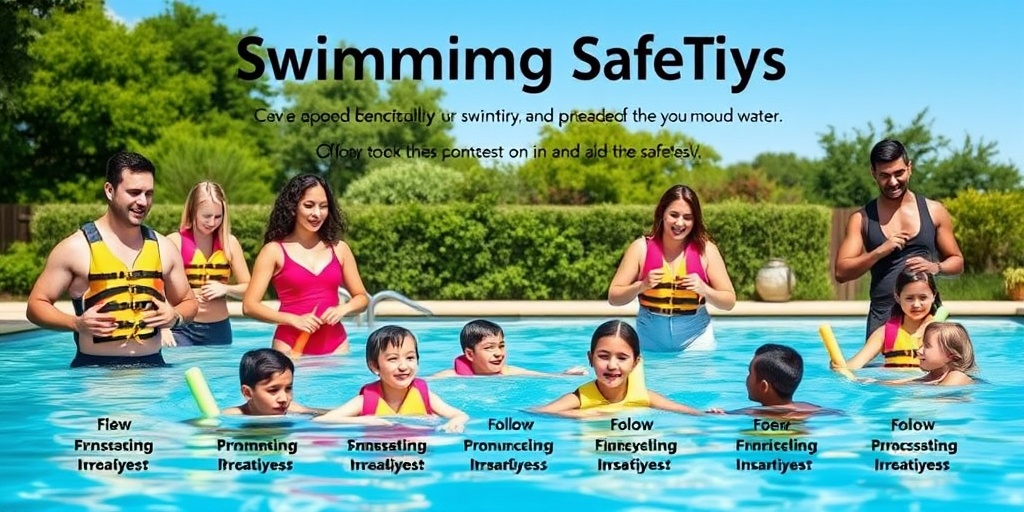
Life jackets are essential for anyone who is not a strong swimmer, especially children. Ensure that the life jackets are U.S. Coast Guard-approved and fit properly. Remember, even experienced swimmers can benefit from wearing a life jacket in unfamiliar waters.
4. Educate About Water Safety
Education plays a vital role in drowning prevention. Teach children about the dangers of water and the importance of swimming in designated areas. Programs like swimming lessons can also help children become more confident and capable in the water.
5. Learn CPR
Knowing how to perform CPR can be a lifesaver in emergencies. Take a certified course to learn the proper techniques. Being prepared can make a significant difference in the critical moments following a drowning incident.
6. Recognize the Signs of Distress
Understanding the signs of drowning can help prevent tragedies. Unlike what is often portrayed in movies, drowning can happen silently. Look for signs such as:
- Head low in the water
- Eyes glassy or empty
- Inability to call for help
Being aware of these signs can prompt immediate action and potentially save a life.
Swimming Safety Tips
Swimming is a fun and refreshing activity, but it comes with its own set of risks. Here are some swimming safety tips to ensure a safe experience for everyone involved:
1. Swim in Designated Areas
Always swim in areas that are supervised by lifeguards. These designated swimming zones are monitored for safety and have clear guidelines to follow, reducing the risk of accidents.
2. Know Your Limits
Be honest about your swimming abilities. If you are not a strong swimmer, avoid deep waters and stick to shallow areas where you can stand comfortably. This is especially important for children who may overestimate their skills.
3. Stay Hydrated
Swimming can be physically demanding, and it’s easy to forget to drink water while having fun. Make sure to stay hydrated, especially on hot days, to prevent fatigue and heat-related illnesses.
4. Avoid Alcohol
Alcohol and swimming do not mix. Consuming alcohol can impair judgment and coordination, increasing the risk of accidents. It’s best to avoid drinking before or during swimming activities.
5. Use Proper Gear
Wearing appropriate swim gear can enhance safety. This includes swim caps, goggles, and, if necessary, flotation devices. Ensure that all equipment is in good condition and suitable for the activity.
6. Be Aware of Weather Conditions
Before heading out to swim, check the weather forecast. Avoid swimming during storms or when lightning is present. Strong currents and waves can also pose significant risks, so always be aware of the conditions.
By implementing these drowning prevention techniques and swimming safety tips, you can create a safer environment for yourself and others. Remember, safety should always come first when enjoying water activities! 🌊🏊♂️
Supervision and Lifeguarding
When it comes to drowning prevention, one of the most effective strategies is ensuring proper supervision and lifeguarding. Whether at a public pool, beach, or private residence, vigilant supervision can significantly reduce the risk of drowning incidents.
The Importance of Active Supervision
Active supervision means being fully engaged and attentive while watching children or inexperienced swimmers. Here are some key points to consider:
- Constant Vigilance: Always keep your eyes on the water. Avoid distractions like phones or conversations that can divert your attention.
- Designated Supervisors: Assign a responsible adult to supervise swimming activities, especially in larger groups. This person should be aware of the swimmers’ abilities and the environment.
- Age-Appropriate Supervision: Younger children require closer supervision. Ensure that they are within arm’s reach, especially if they are not strong swimmers.
The Role of Lifeguards
Lifeguards play a crucial role in drowning prevention at public swimming areas. Their training and expertise can make a significant difference in emergency situations. Here’s what to know:
- Training and Certification: Lifeguards undergo rigorous training in water safety, rescue techniques, and first aid. This training equips them to respond quickly and effectively in emergencies.
- Monitoring and Enforcement: Lifeguards not only watch over swimmers but also enforce safety rules, such as no running on the pool deck or diving in shallow areas.
- Emergency Preparedness: Lifeguards are trained to handle various emergencies, including drowning incidents. Their quick response can save lives.
Creating a Safe Swimming Environment
In addition to supervision and lifeguarding, creating a safe swimming environment is essential. Consider the following:
- Barriers and Fencing: Install fences around pools to prevent unsupervised access, especially for young children.
- Safety Equipment: Ensure that life rings, reaching poles, and first aid kits are readily available and accessible.
- Swimming Lessons: Encourage children to take swimming lessons to build their confidence and skills in the water.
Emergency Response and First Aid
Despite the best prevention strategies, emergencies can still occur. Knowing how to respond effectively can be the difference between life and death. Here’s what you need to know about emergency response and first aid in drowning situations.
Recognizing the Signs of Drowning
Understanding the signs of drowning is crucial for timely intervention. Unlike the dramatic portrayals often seen in movies, drowning can happen silently. Look for these signs:
- Struggling to Stay Afloat: A person may appear to be climbing an invisible ladder or may be unable to keep their head above water.
- Unresponsive Behavior: If someone is not responding to calls or appears to be in distress, immediate action is necessary.
- Head Low in the Water: A person’s head may be low in the water, with their mouth at water level.
Immediate Actions to Take
If you suspect someone is drowning, act quickly:
- Call for Help: Alert lifeguards or call emergency services immediately.
- Rescue Techniques: If trained, use appropriate rescue techniques. If not, throw a flotation device to the person instead of jumping in.
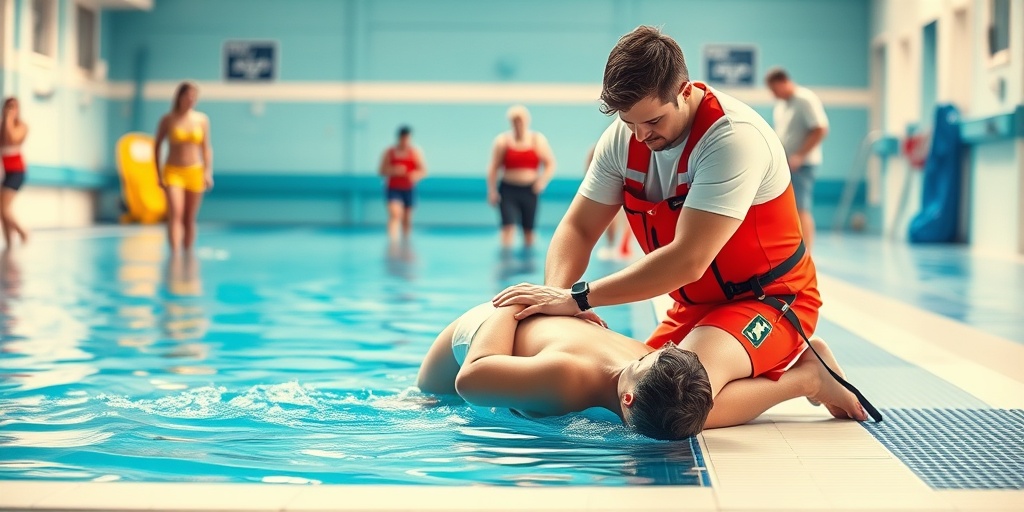
- Perform CPR: If the person is unresponsive and not breathing, begin CPR immediately. Continue until help arrives or the person starts breathing.
First Aid After a Drowning Incident
Once the person is out of the water, it’s essential to provide appropriate first aid:
- Monitor Breathing: Keep an eye on their breathing and pulse. If they are unconscious but breathing, place them in the recovery position.
- Administer Oxygen: If trained, provide supplemental oxygen if the person is having difficulty breathing.
- Seek Medical Attention: Even if the person seems fine, it’s crucial to seek medical evaluation, as complications can arise later.
By understanding the importance of supervision, lifeguarding, and emergency response, we can all contribute to effective drowning prevention strategies. Remember, safety in and around water is a shared responsibility! 🌊
Drowning Prevention FAQ
What is Drowning Prevention?
Drowning prevention refers to the strategies and measures taken to reduce the risk of drowning incidents. This includes education, awareness campaigns, and safety practices aimed at protecting individuals, especially children, from drowning hazards.
Why is Drowning Prevention Important?
Drowning is a leading cause of accidental death worldwide, particularly among children. Drowning prevention is crucial to ensure safety in and around water, helping to save lives and prevent injuries.
What are Effective Drowning Prevention Tips?
- Always supervise children near water, even if they can swim.
- Enroll children in swimming lessons to improve their skills.
- Install barriers, such as fences, around pools to restrict access.
- Learn CPR and first aid to respond effectively in emergencies.
- Use life jackets when boating or engaging in water sports.
When is Drowning Prevention Week?
Drowning Prevention Week is typically observed annually to raise awareness about drowning risks and promote safety measures. In 2026, it will be held during the designated week in July. Check local resources for specific dates and events.
What Activities are Organized During Drowning Prevention Month?
Drowning Prevention Month features various activities, including community workshops, swimming classes, and safety demonstrations. These events aim to educate the public about drowning risks and effective prevention strategies.
How Can Communities Promote Drowning Prevention?
- Organize local events and workshops focused on water safety.
- Collaborate with schools to incorporate swimming lessons into the curriculum.
- Distribute educational materials on drowning risks and prevention.
- Engage local businesses to sponsor safety initiatives.
What Resources are Available for Drowning Prevention in New Zealand?
In New Zealand, organizations like the Drowning Prevention Coalition provide valuable resources, including educational materials, training programs, and community outreach initiatives aimed at reducing drowning incidents.
How Can Parents Ensure Drowning Prevention in Children?
- Teach children about water safety from a young age.
- Always keep a close eye on children when they are in or near water.
- Encourage children to swim in designated safe areas.
- Set rules for water activities and enforce them consistently.
What Should I Do if I Witness a Drowning Incident?
If you witness a drowning incident, call emergency services immediately. If safe to do so, attempt to rescue the person using a flotation device or by reaching out with a long object. Do not enter the water unless you are trained and confident in your swimming abilities.
How Can I Get Involved in Drowning Prevention Efforts?
You can get involved by volunteering with local organizations focused on water safety, participating in community events, and spreading awareness about drowning prevention strategies among friends and family.